


We Are Open 24 Hours a Day, 7 Days a Week, Including Weekends and Public Holidays.

FRP Pultruded Profile vs Traditional Steel and Aluminum Profiles
In modern industrial construction and infrastructure, material selection is no longer just about cost—it’s about lifecycle performance, safety, and sustainability. Engineers and procurement managers are increasingly comparing FRP pultruded profiles with traditional steel and aluminum profiles to achieve better long-term value.
This article delivers a comparison while integrating practical industry insights from Hebei Longxuan Environmental Protection Equipment Co., Ltd, a professional manufacturer specializing in FRP structural solutions.
What Are FRP Pultruded Profiles and How Do They Differ from Metals?
FRP (Fiber Reinforced Polymer) pultruded profiles are composite materials manufactured through a continuous pultrusion process, where fibers are pulled through resin and cured into fixed shapes.
Unlike steel or aluminum—which are homogeneous metals—FRP profiles are engineered composites combining fiberglass reinforcement and polymer resin, resulting in customizable performance properties.
Key differences include:
- Directional strength (anisotropic) vs uniform metal strength
- Customizable material properties vs fixed metal properties
- Corrosion-proof structure vs coating-dependent metals
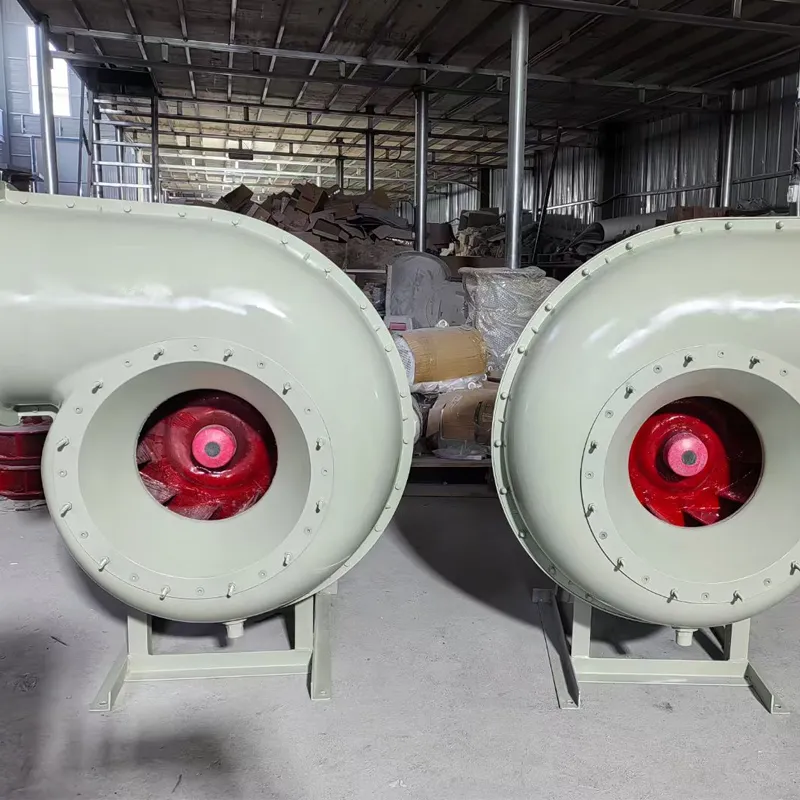
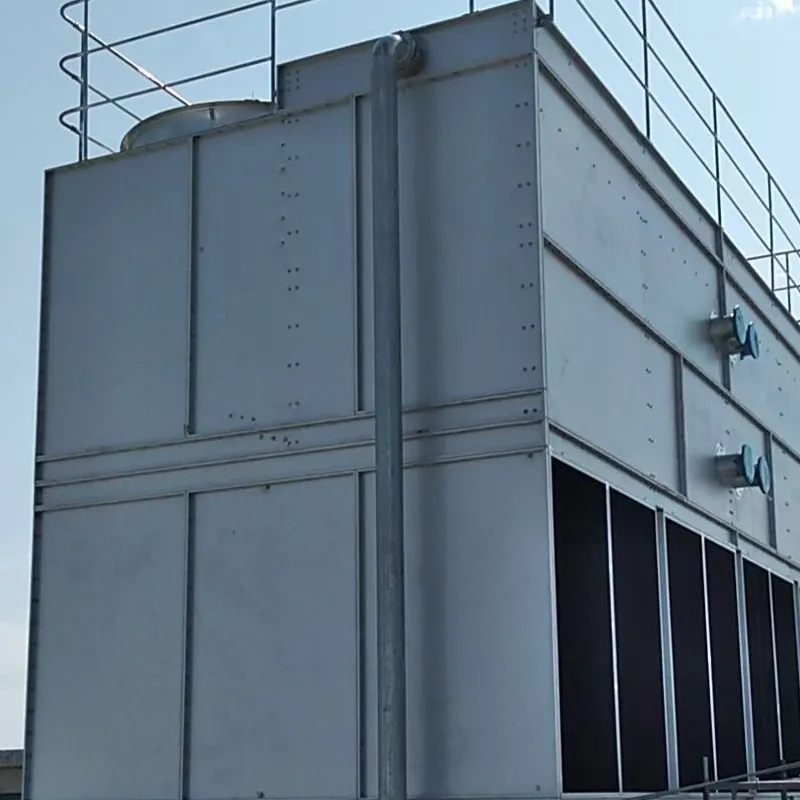
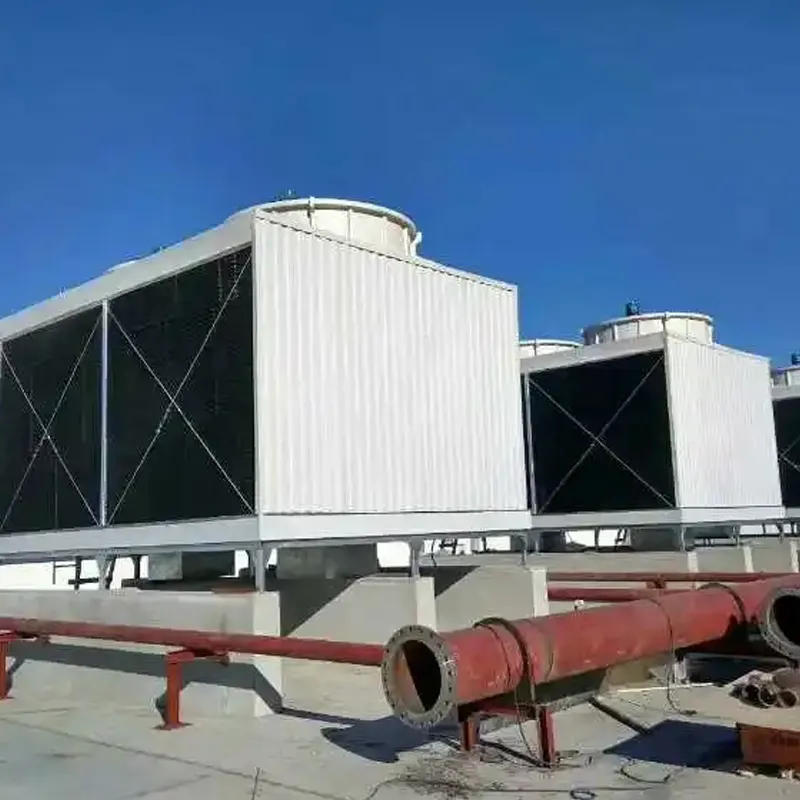
Manufacturers like Hebei Longxuan Environmental Protection Equipment Co., Ltd leverage this flexibility to design FRP profiles tailored for cooling towers, chemical plants, and wastewater systems—applications where metals often fail prematurely.
Strength-to-Weight Ratio: A Game-Changing Advantage
One of the most decisive advantages of FRP pultruded profiles is their exceptional strength-to-weight ratio.
- FRP density: ~1.8–2.0 g/cm³
- Steel density: ~7.85 g/cm³
- Result: Up to 75% lighter than steel
Despite being lighter, FRP can achieve comparable or even superior tensile strength to steel.
Why This Matters:
- Lower transportation costs
- Easier installation (often no heavy lifting equipment)
- Reduced structural load and foundation requirements
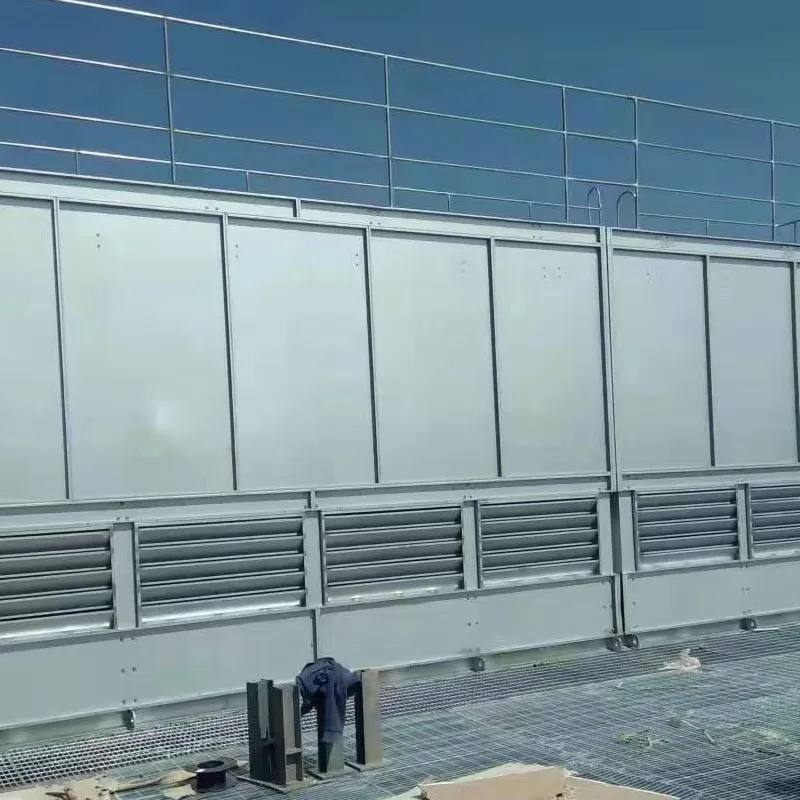
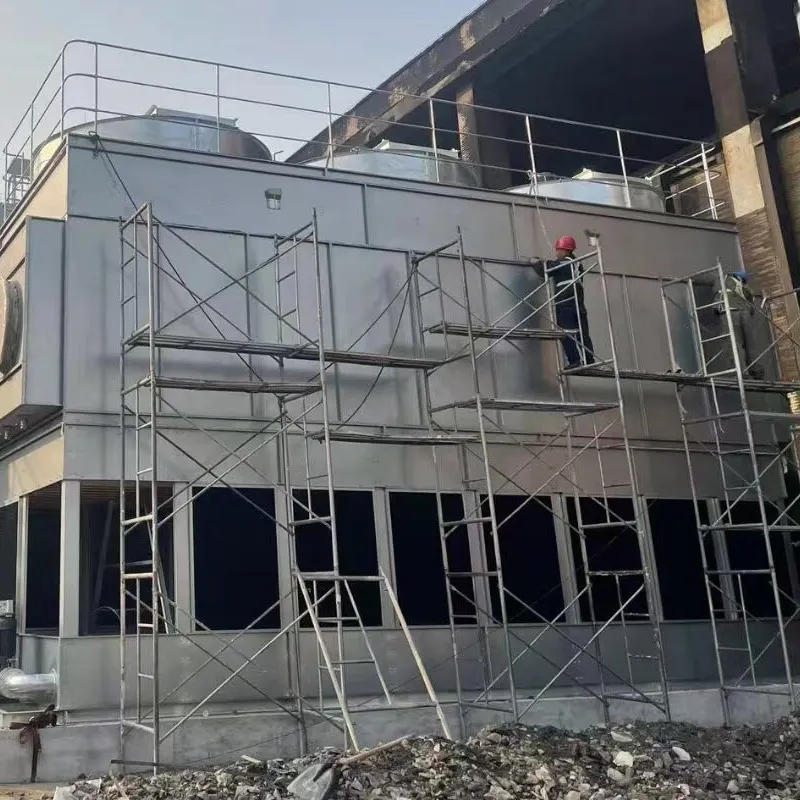
For example, Longxuan’s FRP structural systems used in cooling towers significantly reduce installation complexity while maintaining high structural integrity.
Corrosion Resistance: FRP vs Steel vs Aluminum
Corrosion is the biggest weakness of traditional metals.
Steel:
- Prone to rust
- Requires painting, galvanizing, or coatings
- High maintenance cost over time
Aluminum:
- Better corrosion resistance than steel
- Still vulnerable in acidic or alkaline environments
FRP:
- Inherently corrosion-resistant
- Resistant to chemicals, saltwater, and moisture
- No need for repainting or protective coatings
This makes FRP ideal for:
- Chemical plants
- Marine environments
- Wastewater treatment facilities
Companies like Hebei Longxuan Environmental Protection Equipment Co., Ltd specialize in FRP systems precisely for these harsh environments, where metal degradation leads to frequent replacements.
Maintenance and Lifecycle Cost Comparison
While FRP may sometimes have a higher upfront cost, its lifecycle cost is significantly lower.
Steel & Aluminum:
- Regular maintenance required
- Corrosion protection costs
- Replacement over time
FRP:
- Minimal maintenance
- No corrosion-related repairs
- Long service life (20–50 years)
A lifecycle analysis shows FRP structures can reduce total costs by over 50% compared to steel in long-term projects.
This is why Longxuan’s FRP solutions are widely adopted in industrial infrastructure projects focused on durability and cost efficiency.
Electrical and Thermal Performance
Another critical difference lies in conductivity:
| Property | FRP | Steel | Aluminum |
|---|---|---|---|
| Electrical Conductivity | Non-conductive | Conductive | Conductive |
| Thermal Conductivity | Low | High | High |
FRP’s non-conductive nature makes it safer for:
- Power plants
- Electrical platforms
- Substations
It also provides thermal insulation, improving energy efficiency in industrial applications.
This is a key reason why Longxuan integrates FRP into power and cooling systems where safety is critical.
Installation Efficiency and Design Flexibility
FRP profiles offer superior flexibility in both design and installation:
FRP Advantages:
- Easy cutting with standard tools
- No welding required
- Custom shapes and sizes
- Faster installation time
Steel/Aluminum Limitations:
- Require welding or heavy machining
- Higher labor costs
- Limited flexibility without additional processing
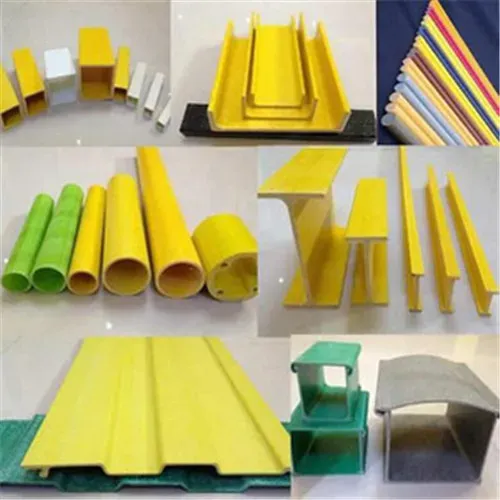
The pultrusion process allows manufacturers like Hebei Longxuan Environmental Protection Equipment Co., Ltd to produce custom I-beams, channels, and structural components, tailored to project requirements.
Limitations of FRP
To maintain objectivity, FRP is not always the perfect solution.
Potential drawbacks:
- Higher initial tooling cost
- Limited to constant cross-section shapes
- Lower transverse strength compared to metals
When Steel or Aluminum May Be Better:
- High-impact applications
- Small-scale projects with tight budgets
- Environments with minimal corrosion risk
However, in most industrial and corrosive environments, FRP remains the superior choice.
Why Choose Hebei Longxuan Environmental Protection Equipment Co., Ltd?
From an EEAT standpoint, supplier expertise matters as much as material selection.
Hebei Longxuan Environmental Protection Equipment Co., Ltd stands out due to:
Experience
- Years of manufacturing FRP products for industrial applications
- Proven use in cooling towers, piping systems, and structural components
Expertise
- Advanced pultrusion technology
- Custom engineering capabilities
Authoritativeness
- Broad product portfolio including FRP grating, profiles, and environmental equipment
Trustworthiness
- Focus on durability, corrosion resistance, and long-term performance
Their solutions are particularly valuable in:
- Power plants
- Chemical processing facilities
- Water treatment systems
Conclusion: Which Material Should You Choose?
The choice between FRP, steel, and aluminum depends on your project priorities:
Choose FRP Pultruded Profiles if you need:
- Corrosion resistance
- Lightweight structures
- Low maintenance
- Long-term cost savings
Choose Steel or Aluminum if you need:
- Lower upfront cost
- High impact resistance
- Simple indoor applications
In today’s industrial landscape, the shift toward FRP is clear. With companies like Hebei Longxuan Environmental Protection Equipment Co., Ltd driving innovation, FRP pultruded profiles are no longer an alternative—they are becoming the new standard for high-performance structural materials.




Address
20 Xingyuan South Street, Zaoqiang County, Hengshui City, Hebei Province, China


