


We Are Open 24 Hours a Day, 7 Days a Week, Including Weekends and Public Holidays.

Professional Guide to Effective Cooling Tower Treatment Strategies
The Ultimate Guide to Effective Cooling Tower Treatment
Maintaining industrial cooling systems is critical for operational efficiency and equipment longevity. A professional cooling tower treatment strategy is not just about cleaning; it is about preventing scale buildup, corrosion, and the growth of harmful microorganisms. Without proper management, these systems can suffer from reduced heat transfer efficiency, leading to higher energy costs and potential system failures. In this guide, we will explore the essential components of water treatment, the chemistry involved, and how to optimize your cooling tower for maximum performance and sustainability.
The Importance of Cooling Tower Treatment for System Longevity
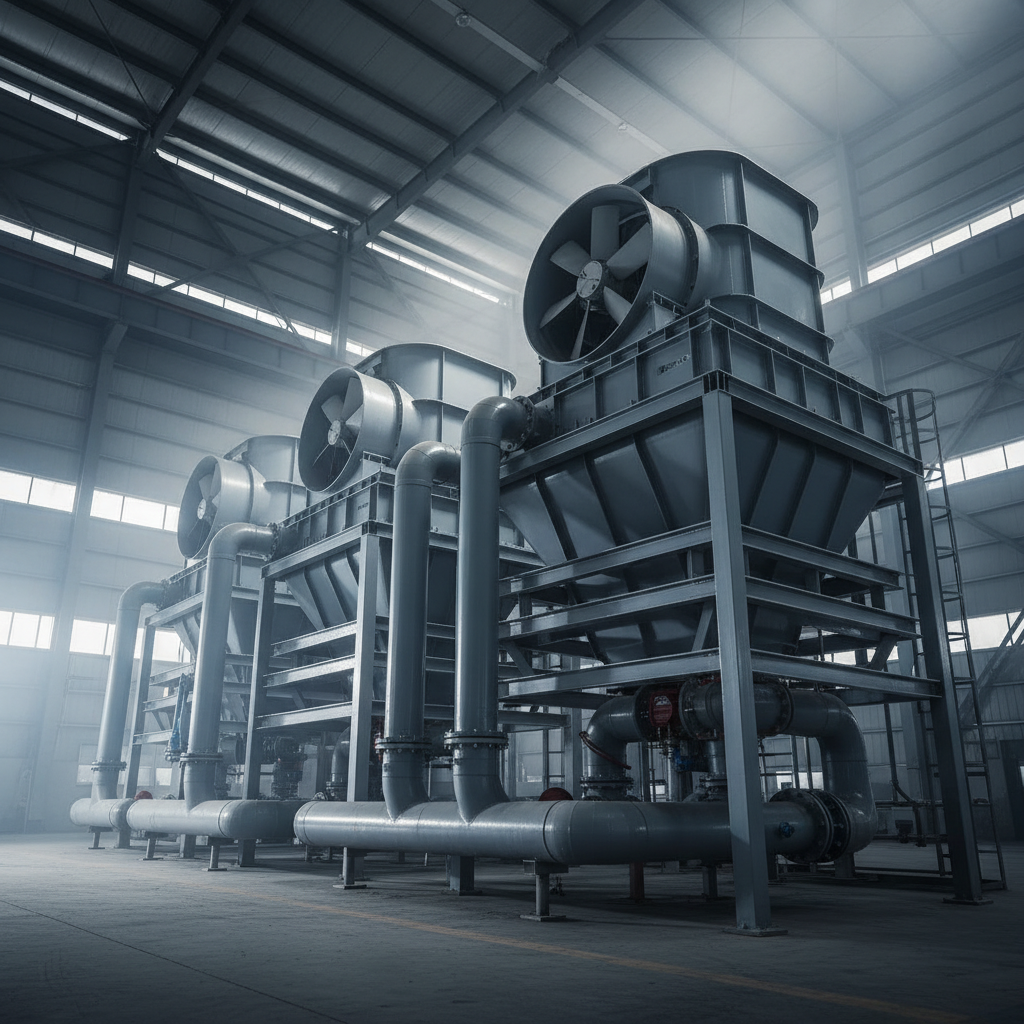
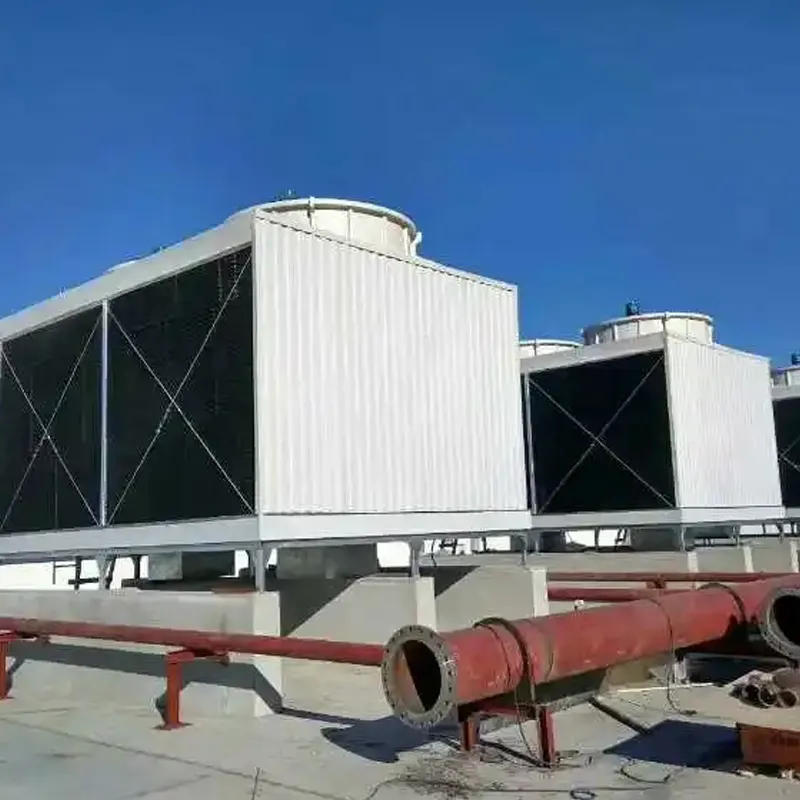
Cooling towers are exposed to the elements and process a massive volume of water, making them breeding grounds for minerals and bacteria. Implementing a rigorous cooling tower treatment plan prevents mineral scaling, which acts as an insulator and forces the system to work harder to achieve the same cooling effect. Furthermore, corrosion can eat through metal components, leading to leaks and expensive structural repairs. By focusing on chemical balance and filtration, facility managers can extend the life of their FRP (Fiber Reinforced Plastic) structures and internal components significantly.
Pro Tip: Regular water analysis is the foundation of any treatment program. Monitoring conductivity and pH levels allows for real-time adjustments to chemical dosing, preventing over-treatment or under-protection.
Common Challenges in Cooling Tower Water Management
Every cooling system faces a unique set of challenges based on the source water quality and environmental conditions. The most common issues include biological fouling, where algae and slime clog the fill material, and calcium carbonate precipitation, which forms hard scales on heat exchanger surfaces. Additionally, the risk of Legionella bacteria requires a strict biocidal regimen to ensure the safety of personnel and the surrounding community. A comprehensive cooling tower treatment approach addresses these biological and chemical threats simultaneously.
Primary Treatment Targets:
• Scale Inhibition: Preventing minerals from crystallizing on surfaces.
• Corrosion Control: Creating a protective film on metal surfaces.
• Biocide Application: Eliminating harmful bacteria and algae.
• Blowdown Optimization: Managing dissolved solids (TDS) levels.
Comparing Treatment Methods: Chemical vs. Physical
When designing a cooling tower treatment strategy, operators often choose between traditional chemical dosing and physical water treatment systems. Chemical treatments are highly effective and adaptable to specific water chemistries but require ongoing expenses and handling of hazardous materials. In contrast, physical treatments, such as side-stream filtration or magnetic conditioners, reduce the need for chemicals but may require higher initial capital investment. Often, a hybrid approach is the most efficient way to maintain water purity.
Optimizing Cooling Tower Treatment Performance
To achieve the best results from your cooling tower treatment, it is essential to balance the cycles of concentration (COC). The COC represents the ratio of dissolved solids in the circulating water compared to the makeup water. High COC reduces water waste but increases the risk of scale. Finding the "sweet spot" requires a combination of high-quality equipment and precise chemical dosing. Modern automated controllers can now manage this process, adjusting blowdown rates based on real-time sensor data to maintain peak efficiency.
Treatment Specifications for Industrial Cooling Water
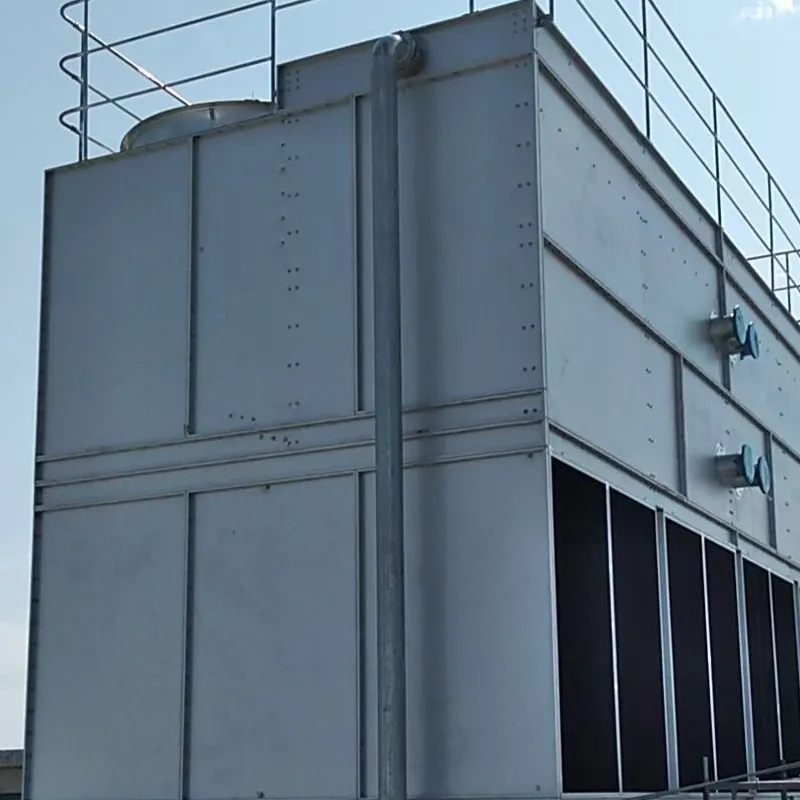
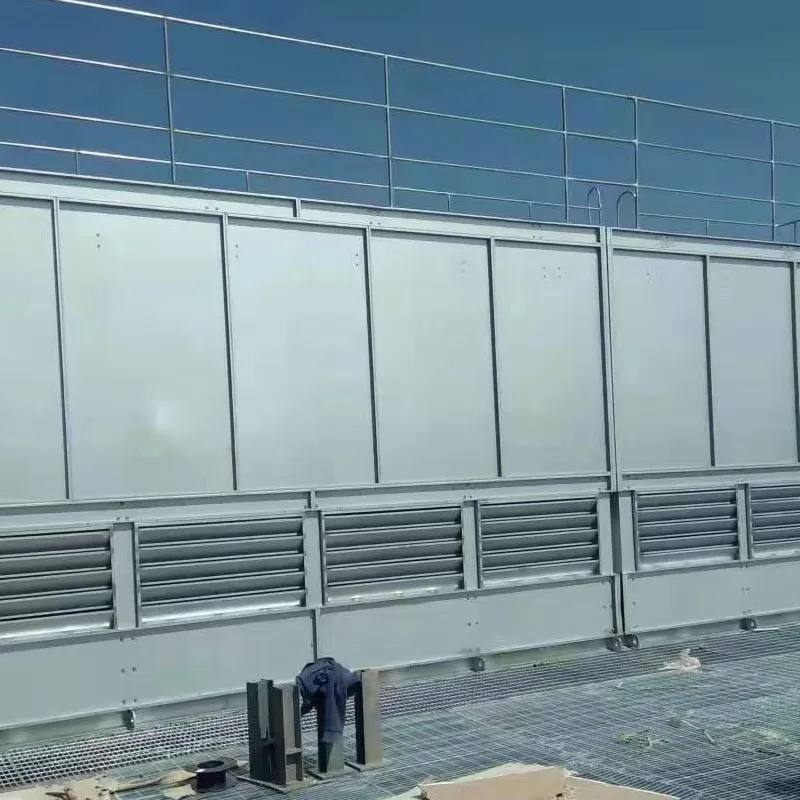
Depending on the material of your tower—whether it is galvanized steel or high-performance FRP—the treatment specifications will vary. For instance, FRP towers are more resistant to corrosion but still require protection against biological fouling. A standard cooling tower treatment specification table helps operators maintain the correct water parameters. Keeping pH levels slightly alkaline helps prevent corrosion of metal pipes while preventing the precipitation of scale.
The Future of Sustainable Water Treatment
As environmental regulations become stricter, the industry is shifting toward "green" cooling tower treatment. This includes the use of biodegradable corrosion inhibitors and non-oxidizing biocides that have a lower impact on the ecosystem. Additionally, the integration of IoT sensors allows for predictive maintenance, where the system can anticipate a scaling event before it happens. By combining advanced FRP materials with sustainable water chemistry, companies can reduce their water footprint while maintaining world-class cooling performance.
Conclusion: Maximize Your Efficiency with Expert Treatment
Effective cooling tower treatment is an investment in the health and efficiency of your entire industrial plant. By addressing scale, corrosion, and biological growth through a structured program, you ensure that your equipment operates at peak thermal efficiency and lasts for decades. Whether you choose chemical, physical, or a hybrid approach, the key is consistency and precise monitoring. Protect your assets and reduce your energy costs by implementing a professional water management strategy today.
Frequently Asked Questions (FAQs)
How often should I perform a cooling tower water analysis?
For most industrial systems, a basic water analysis should be performed daily or weekly. Key parameters such as pH, conductivity, and hardness should be checked to ensure the cooling tower treatment chemicals are working effectively. A more comprehensive biological test, specifically for Legionella, is typically conducted monthly or quarterly depending on local health regulations. Automated monitoring systems are highly recommended for larger plants to provide real-time alerts.
What is "blowdown" and why is it necessary?
Blowdown is the process of intentionally removing a portion of the circulating water from the cooling tower and replacing it with fresh makeup water. Because water evaporates but minerals stay behind, the concentration of dissolved solids increases over time. Without blowdown, the water would become so saturated that minerals would precipitate rapidly as scale. Proper blowdown management is a core part of cooling tower treatment, balancing water conservation with system protection.
Can I use the same treatment for FRP and Steel towers?
While the goal—preventing scale and algae—is the same, the chemical requirements differ. Steel towers require aggressive corrosion inhibitors to prevent rust and pitting. FRP (Fiber Reinforced Plastic) towers are naturally corrosion-resistant, so the focus of cooling tower treatment for FRP is primarily on scale prevention and biocides. However, the internal piping is often metal, meaning some corrosion protection is still necessary for the entire system loop.
How does scale affect the energy efficiency of my system?
Scale acts as a thermal insulator. Even a very thin layer of calcium carbonate on the heat exchanger tubes can significantly reduce the heat transfer coefficient. This means the system must run the pumps and fans longer or at higher speeds to achieve the required cooling, leading to a sharp increase in electricity consumption. A consistent cooling tower treatment ensures clean surfaces and optimal energy efficiency.





Address
20 Xingyuan South Street, Zaoqiang County, Hengshui City, Hebei Province, China


