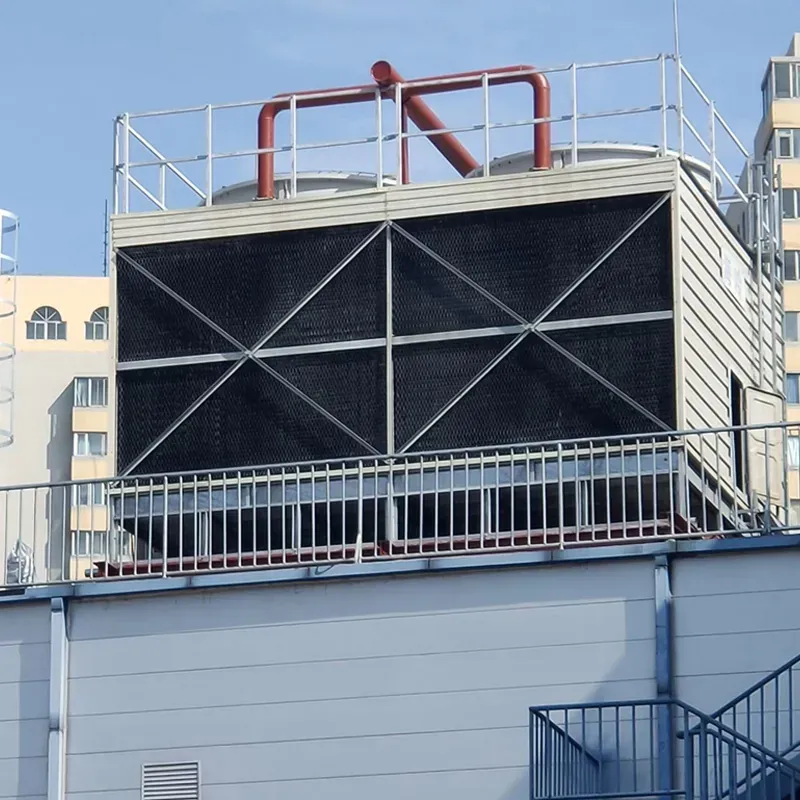
In modern buildings and industrial facilities, energy efficiency is no longer optional—it’s essential. One of the most critical components in achieving efficient temperature control is the air conditioning cooling towers used within HVAC systems. These systems play a vital role in removing heat from chilled water loops, ensuring that indoor environments remain comfortable while minimizing energy consumption.
As energy costs rise and environmental regulations become stricter, businesses are increasingly turning to energy-efficient cooling tower HVAC systems to reduce operational expenses and carbon footprints. This article explores how cooling towers work, why efficiency matters, and how to choose the right system for optimal performance.
What Are Air Conditioning Cooling Towers?
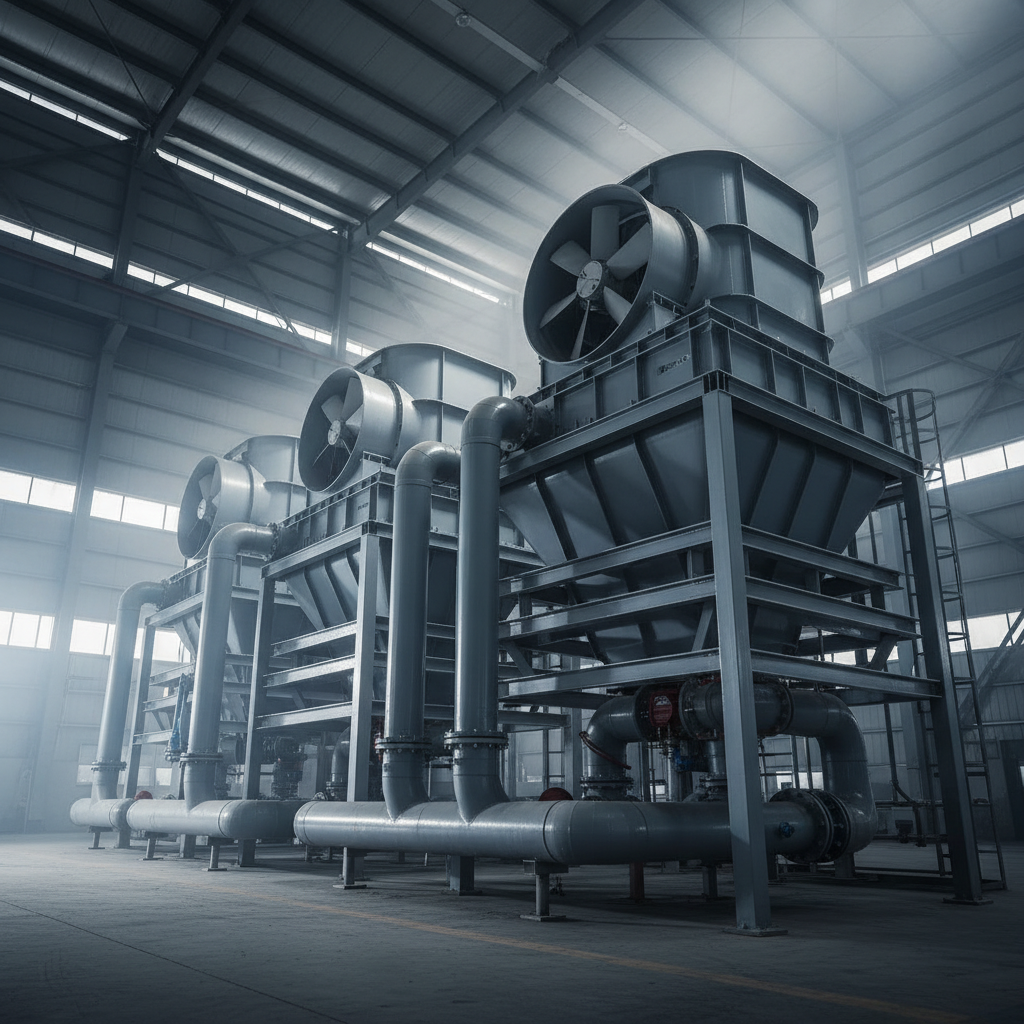
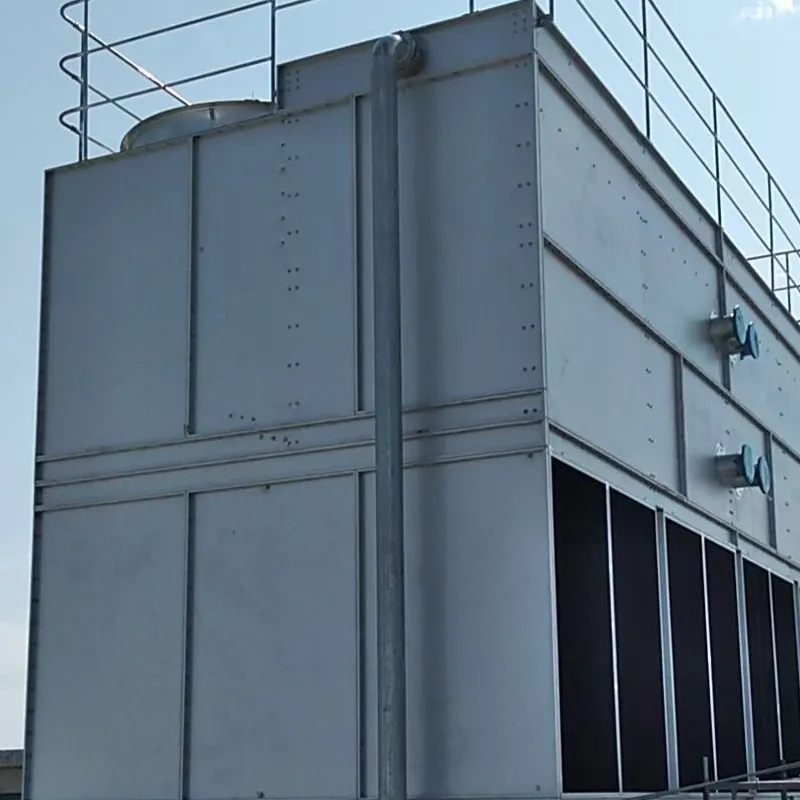
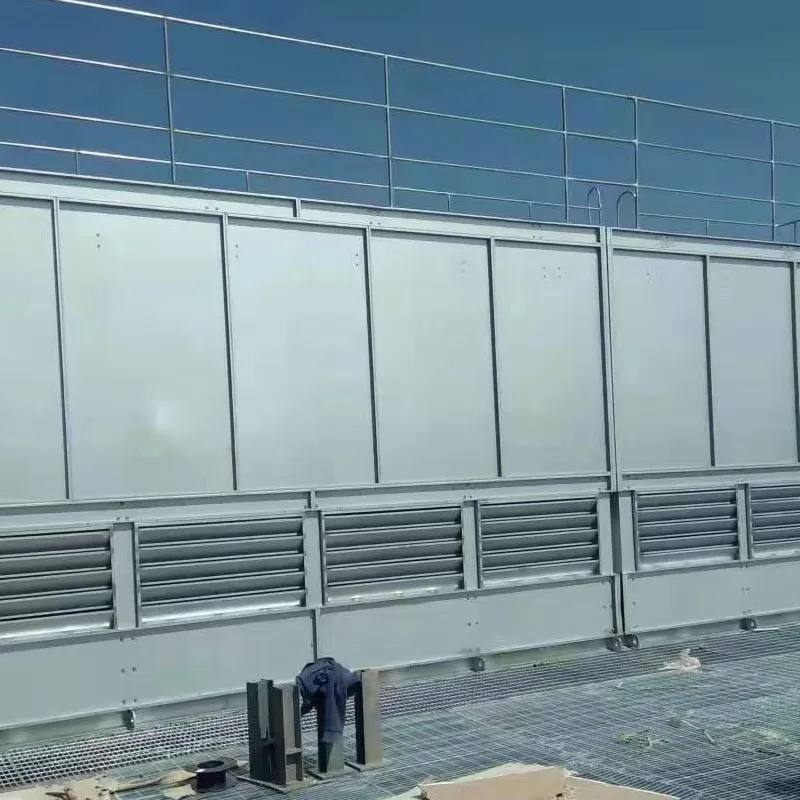
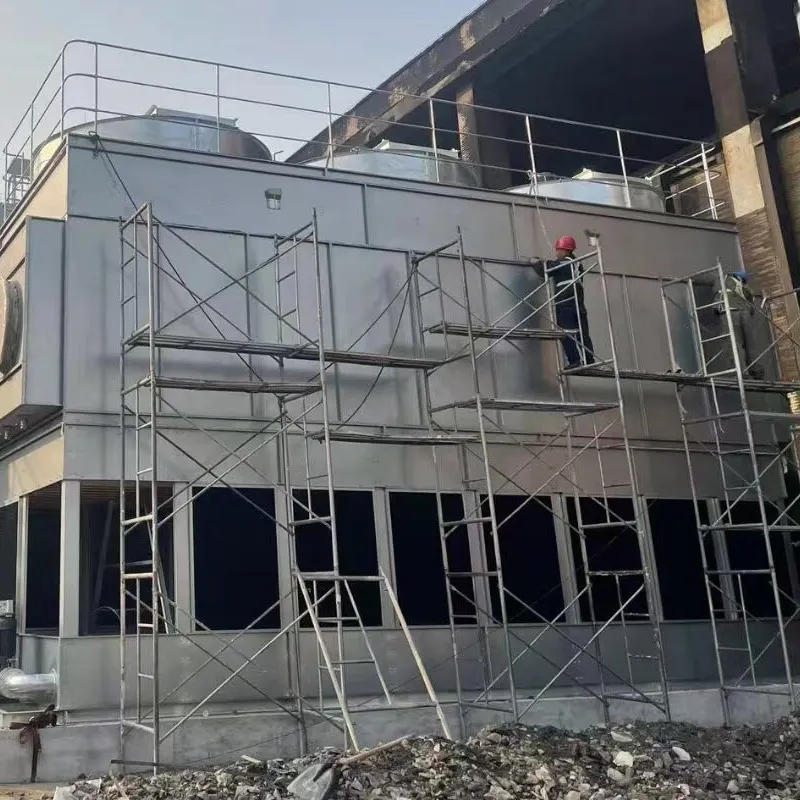
Air conditioning cooling towers are heat rejection devices used in HVAC systems to dissipate unwanted heat into the atmosphere. They work by evaporative cooling—removing heat from water by allowing a small portion of it to evaporate, which lowers the temperature of the remaining water.
In a typical hvac system cooling tower, warm water from the condenser is pumped to the tower, where it is distributed over fill media. Air is drawn through the system, causing evaporation and cooling the water before it is recirculated.
These towers are widely used in:
- Commercial buildings (offices, malls, hotels)
- Industrial facilities
- Data centers
- Hospitals and universities
Their efficiency directly impacts the overall performance of cooling tower ac units, making them a crucial part of any HVAC design.
Why Energy Efficiency Matters in Cooling Tower HVAC Systems
Energy consumption in HVAC systems can account for up to 40–60% of a building’s total energy use. Within that, the cooling tower HVAC system plays a significant role in determining how efficiently heat is removed.
An inefficient ac cooling tower can lead to:
- Higher electricity bills due to increased fan and pump usage
- Reduced cooling performance
- Increased wear and tear on equipment
- Higher water consumption
On the other hand, energy-efficient cooling towers provide:
- Lower operating costs
- Improved thermal performance
- Reduced environmental impact
- Longer equipment lifespan
By optimizing the performance of cooling tower ac units, businesses can achieve substantial energy savings over time.
Key Features of Energy Efficient AC Cooling Towers
Not all cooling towers are created equal. Energy-efficient models incorporate advanced design features that improve heat transfer while reducing energy consumption.
1. High-Efficiency Fill Media
Modern air conditioning cooling towers use optimized fill materials that increase the surface area for heat exchange. This allows for better cooling with less airflow, reducing fan energy usage.
2. Variable Speed Fans
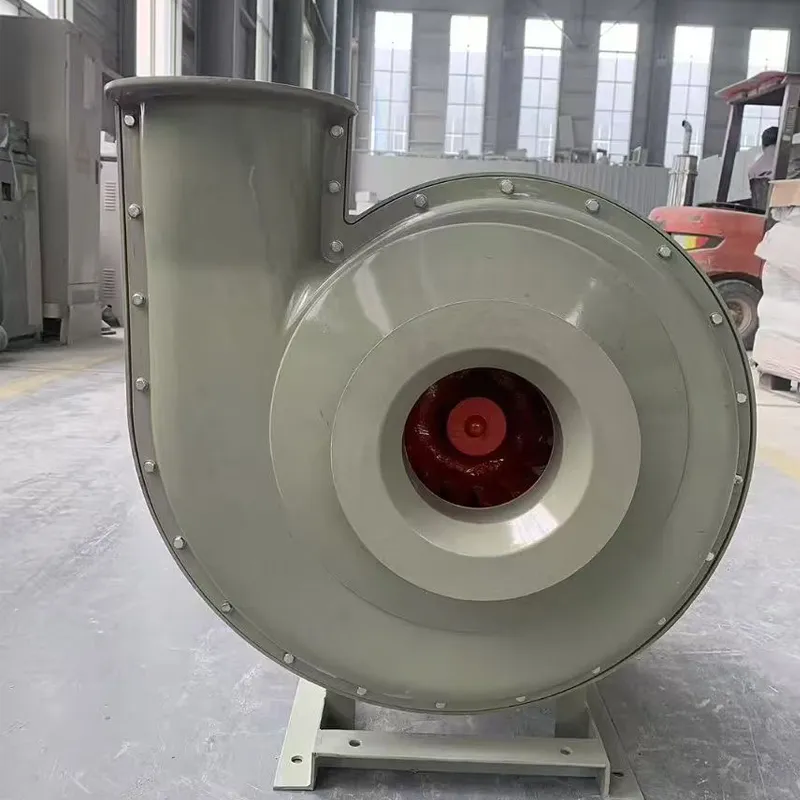
Instead of running at a constant speed, variable frequency drives (VFDs) adjust fan speed based on cooling demand. This significantly reduces power consumption in cooling tower HVAC systems.
3. Efficient Drift Eliminators
Drift eliminators minimize water loss by capturing droplets before they exit the tower. This improves both water and energy efficiency.
4. Optimized Water Distribution
Uniform water distribution ensures maximum contact between air and water, improving the effectiveness of ac cooling tower operation.
5. Corrosion-Resistant Materials
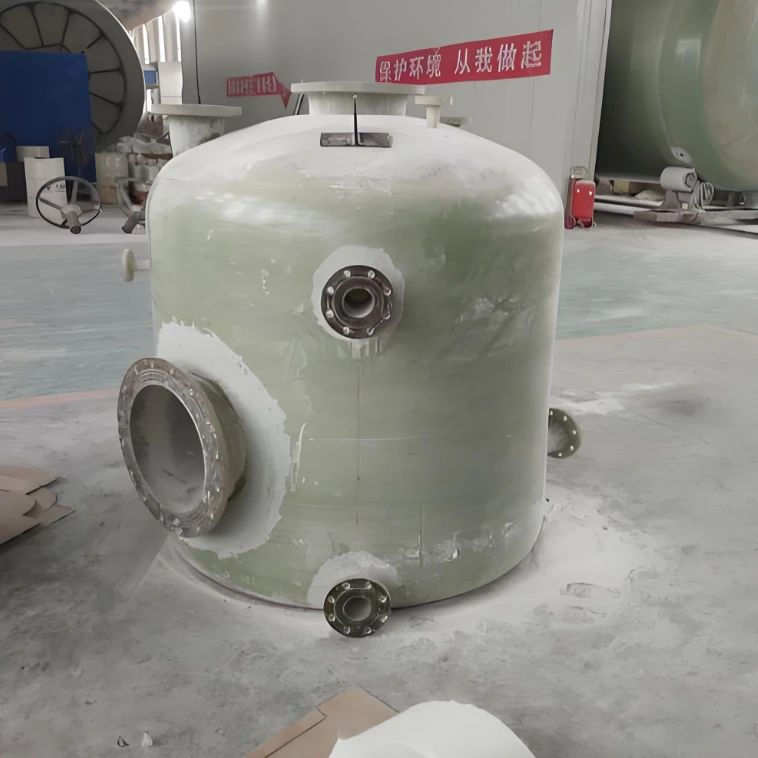
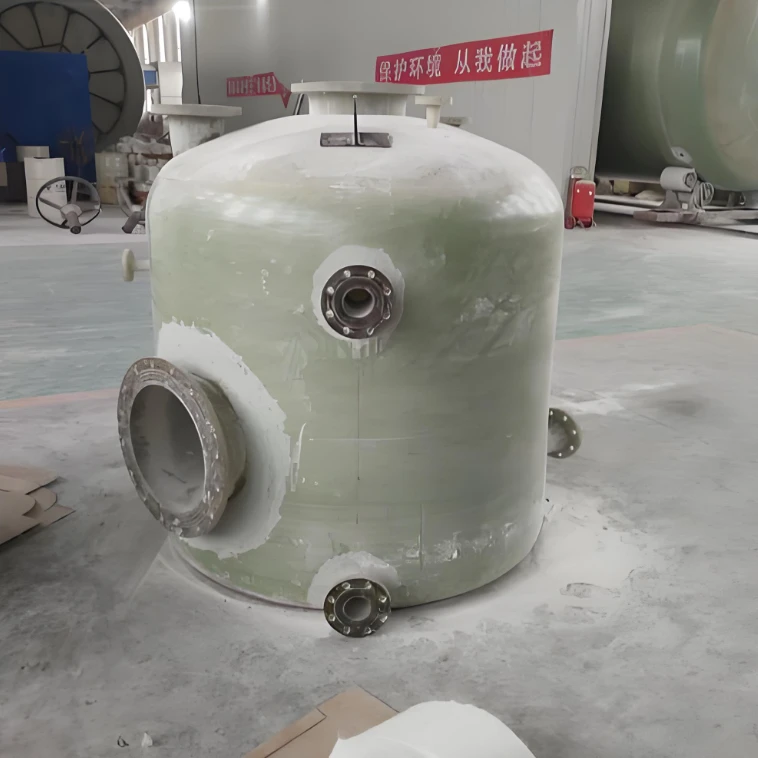
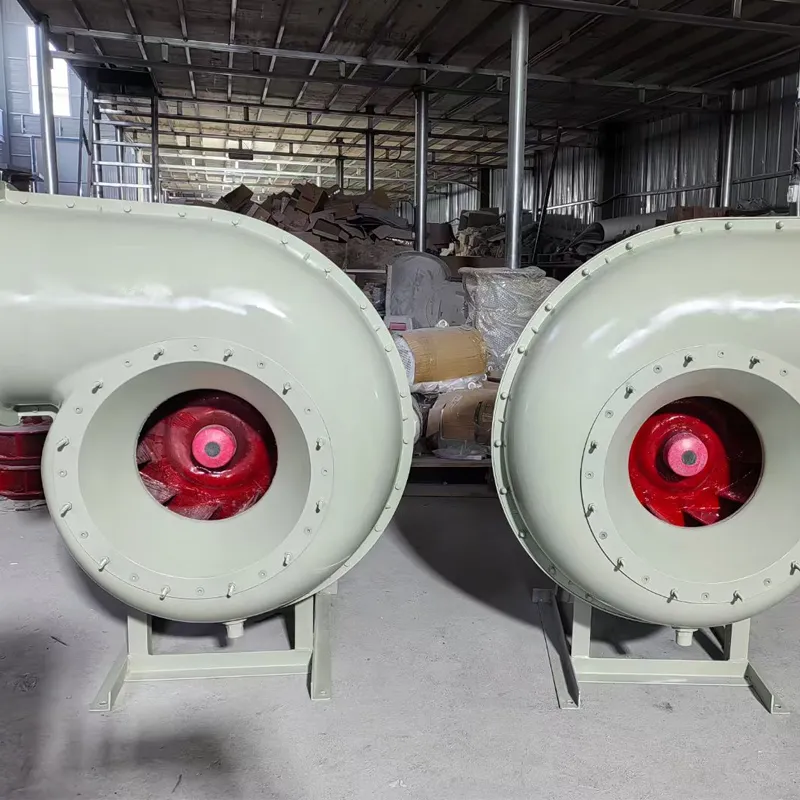
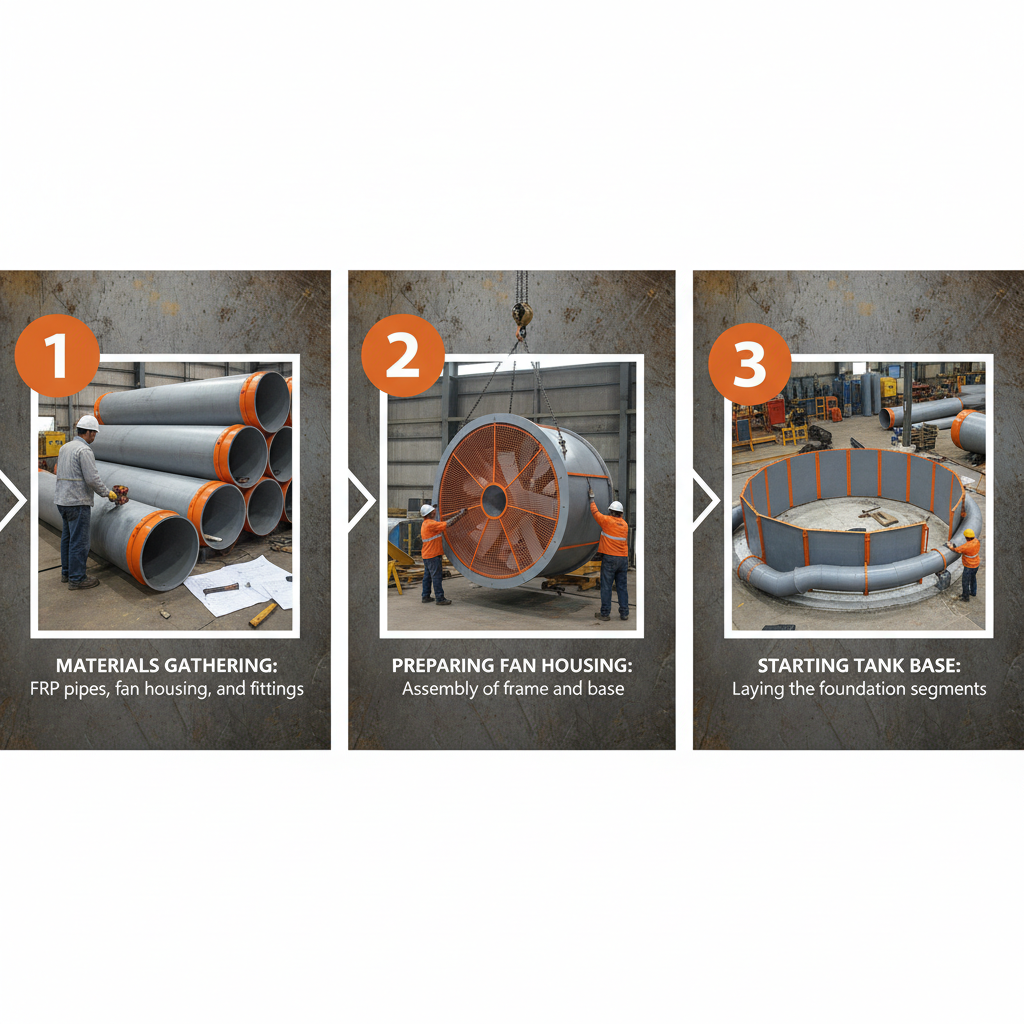
Using materials like FRP (Fiberglass Reinforced Plastic) enhances durability and reduces maintenance, contributing to long-term efficiency.
Types of Cooling Tower AC Units for Energy Savings
Selecting the right type of cooling tower is essential for achieving energy efficiency in HVAC systems. The most common types include:
1. Crossflow Cooling Towers
In crossflow designs, air flows horizontally across the falling water. These cooling tower ac units typically require less pumping energy due to gravity-assisted water flow, making them energy-efficient for certain applications.
2. Counterflow Cooling Towers
Counterflow towers allow air to move vertically upward against the downward flow of water. This design offers higher thermal efficiency and is widely used in large-scale hvac system cooling tower installations.
3. Closed Circuit Cooling Towers
Also known as fluid coolers, these systems keep the process fluid separate from the cooling water. They are ideal for applications requiring clean water and improved efficiency.
4. Hybrid Cooling Towers
Hybrid systems combine wet and dry cooling technologies to reduce water usage while maintaining energy efficiency. These are increasingly popular in regions with water scarcity.
Each type of cooling tower HVAC system has its own advantages, and the best choice depends on climate, load requirements, and budget.
How to Improve Efficiency in Cooling Tower HVAC Systems
Even the best-designed air conditioning cooling towers require proper operation and maintenance to achieve optimal efficiency. Here are some practical strategies:
Regular Maintenance
Cleaning fill media, checking nozzles, and removing scale buildup ensures consistent performance in ac cooling tower systems.
Water Treatment
Proper water chemistry prevents scaling, corrosion, and biological growth, all of which can reduce efficiency.
Optimize Fan and Pump Operation
Using smart controls and VFDs helps match system output with real-time cooling demand.
Monitor Performance
Installing sensors and monitoring systems allows operators to track temperature, flow rates, and energy usage in cooling tower ac units.
Seasonal Adjustments
Adjusting system settings based on ambient conditions can significantly improve efficiency in cooling tower HVAC systems.
Environmental Benefits of Energy Efficient Cooling Towers
Energy-efficient hvac system cooling tower solutions not only reduce costs but also support sustainability goals.
Lower Carbon Emissions
Reduced energy consumption leads to fewer greenhouse gas emissions, helping businesses meet environmental regulations.
Water Conservation
Advanced designs minimize water loss through evaporation and drift, making air conditioning cooling towers more environmentally friendly.
Reduced Chemical Usage
Efficient systems require less water treatment, reducing the environmental impact of chemicals.
Noise Reduction
Modern cooling tower ac units are designed for quieter operation, improving comfort in urban environments.
By investing in efficient cooling tower HVAC systems, companies can align with global sustainability trends while improving operational performance.
Choosing the Right Cooling Tower HVAC System
Selecting the right ac cooling tower involves evaluating several factors:
- Cooling Capacity Requirements
- Energy Efficiency Ratings
- Installation Space and Layout
- Climate Conditions
- Water Availability and Quality
- Maintenance Needs
Working with experienced manufacturers and engineers ensures that your cooling tower ac units are properly sized and configured for maximum efficiency.
Conclusion
Energy-efficient air conditioning cooling towers are a cornerstone of modern HVAC design. By improving heat rejection performance and reducing energy consumption, these systems deliver both economic and environmental benefits.
Whether you are upgrading an existing cooling tower HVAC system or installing a new one, focusing on efficiency can significantly impact long-term performance. From advanced materials to smart controls, today’s hvac system cooling tower solutions offer more opportunities than ever to optimize energy use.
Investing in high-performance ac cooling tower technology is not just a cost-saving measure—it’s a strategic step toward sustainable and efficient building operations.