FRP Pipe Material Selection Guide for Corrosive Industrial Service
Project engineers, piping designers, and procurement managers operating within heavy industrial sectors frequently balance aggressive fluid chemistries against demanding structural loads. Selecting the correct thermoset resin matrix and glass fiber reinforcement combination determines whether piping infrastructure achieves projected operating lifespans or suffers premature degradation under harsh service conditions. Uninformed resin substitution often leads to rapid mechanical and chemical failure without universal performance guarantees.
Matching resin matrix options and glass fiber reinforcements to fluid chemistries and structural load requirements remains essential for piping durability. Project teams can verify unlisted ratings through direct technical documentation requests.
Anatomy and Composition of FRP Pipe Materials
Composite Architecture and Thermoset Matrices
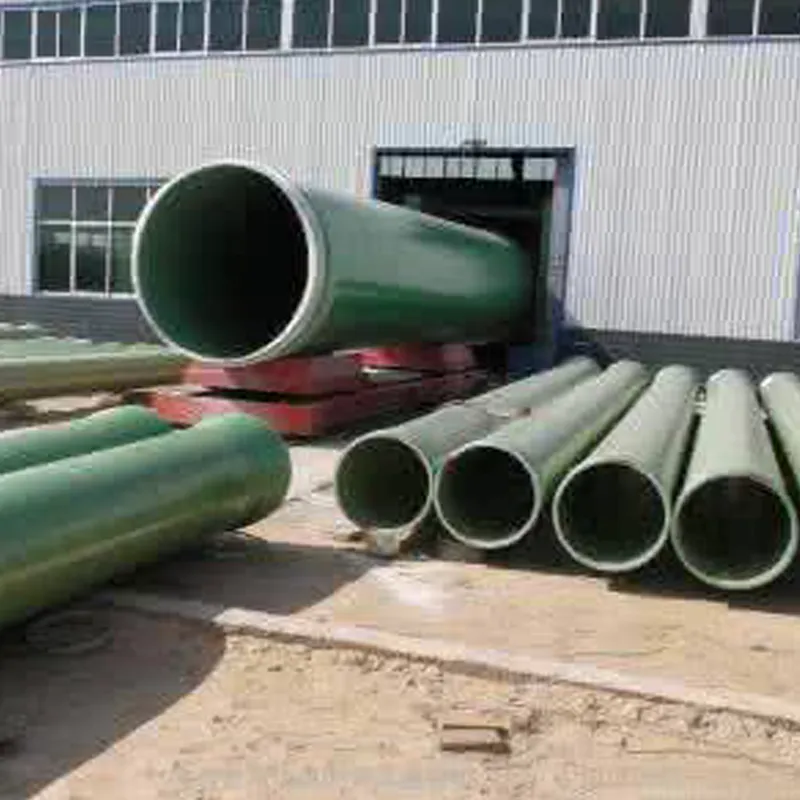
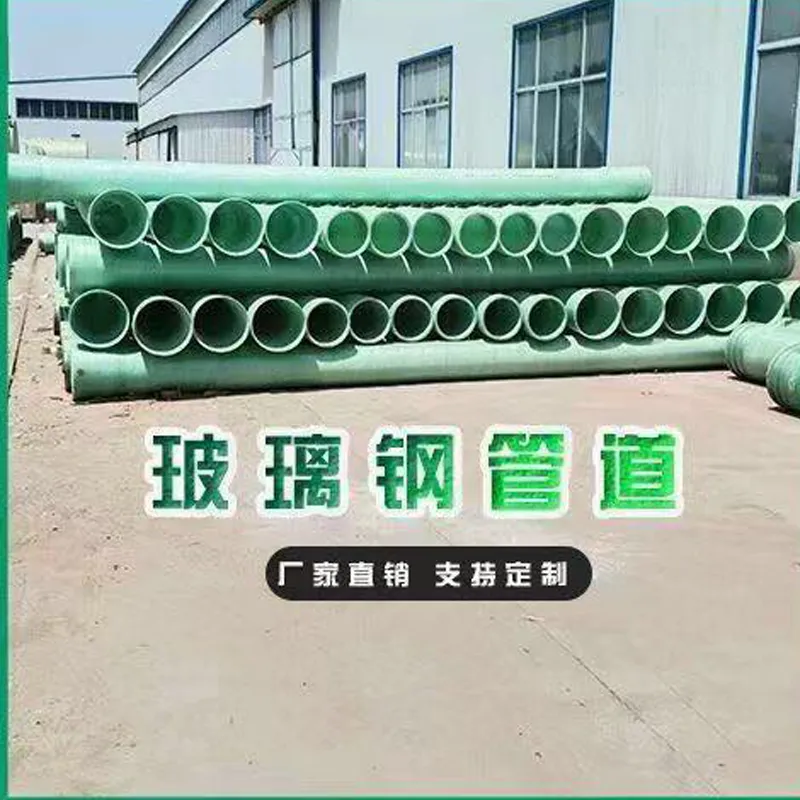
Glass fiber reinforcements embedded in a thermoset resin matrix serve as the primary definition of FRP pipe, establishing structural continuity across varied industrial layouts. Individual glass filaments are bound together by the surrounding polymer network, which transfers mechanical loads evenly along the pipe wall while shielding the internal reinforcement from immediate environmental contact.
Resin matrices dictate chemical and thermal resistance thresholds across operating cycles, preventing the assumption of a universal performance profile for all composite formulations. Piping designers must evaluate how specific polymer classifications react to aggressive industrial media and elevated temperatures.
Performance Variability Across Polymer Systems
Performance profiles vary significantly across different resin types rather than acting universally within identical service environments. Epoxy, polyester, and vinyl ester polymers each exhibit distinct cross-linking densities that govern long-term behavior under mechanical and chemical stress.
Engineering teams frequently review operational boundaries by cross-referencing fluid aggressiveness against interior corrosion barriers. Testing documentation available from the supplier helps verify standard compliance under specific project service conditions.
Resin Matrix Options Across Heavy Industry Applications
Thermoset Resin Applicability Across Heavy Industrial Sectors
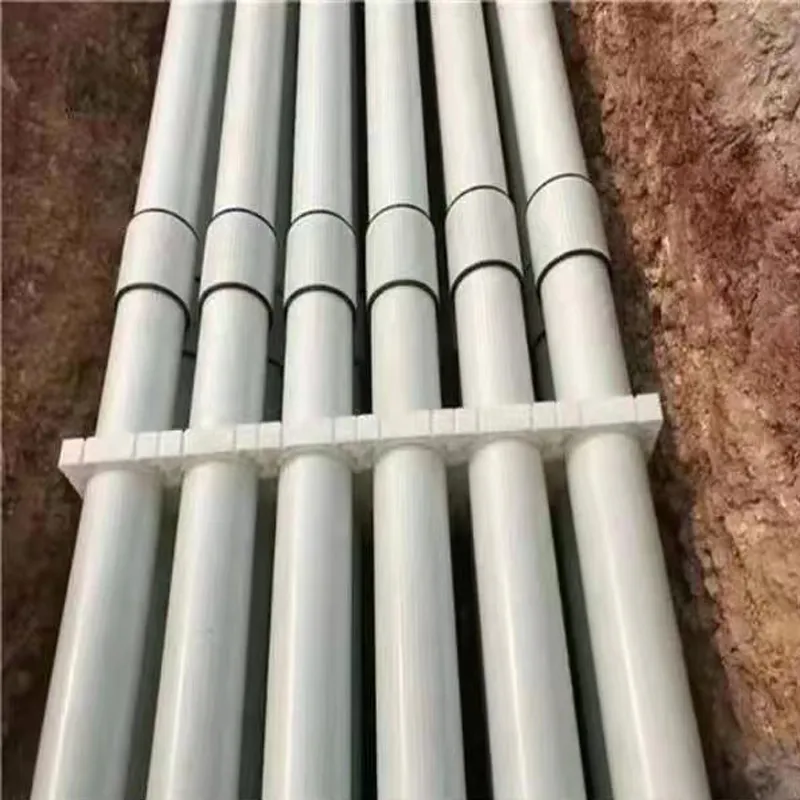
Polymer matrix selection determines operational adaptability across demanding industrial layouts rather than restricting a specific material to a single environment. Facilities operating within Chemical Processing, Water & Wastewater, Oil & Gas, and Power Generation utilize composite configurations based on thermal exposure variables and fluid chemistry.
Cross-Sector Polymer Distribution and Matrix Flexibility
Engineering teams evaluate epoxy, polyester, and vinyl ester polymer networks to match specific project requirements without assuming exclusive industry mapping. Individual resin types function effectively across multiple processing sectors when project parameters align with their structural thresholds.
| Material | Application | Industry | Suitability for Humid Environments |
|---|---|---|---|
| epoxy, polyester, vinyl ester | Chemical Processing, Water & Wastewater, Oil & Gas, Power Generation | Chemical Processing | High |
| epoxy, polyester, vinyl ester | Chemical Processing, Water & Wastewater, Oil & Gas, Power Generation | Water & Wastewater | Moderate |
| epoxy, polyester, vinyl ester | Chemical Processing, Water & Wastewater, Oil & Gas, Power Generation | Oil & Gas | Elevated |
| epoxy, polyester, vinyl ester | Chemical Processing, Water & Wastewater, Oil & Gas, Power Generation | Power Generation | High |
Composites deliver versatile performance profiles when thermal tolerances match the operating medium. Technical evaluations depend on fluid chemistry variations and operating pressure variables.
Operational Boundaries and Industrial Deployment
Fluid aggressiveness dictates whether an installation relies on polyester, vinyl ester, or epoxy systems across varied operating environments. Engineering teams review testing files provided by the manufacturer to verify specific thermal limits prior to final procurement.
Facility operators evaluate mechanical load capacities alongside chemical exposure parameters to prevent matrix degradation. Material selection depends on fluid chemistry variations and operating pressure variables.
Evaluating Material Performance Against Fluid Aggressiveness
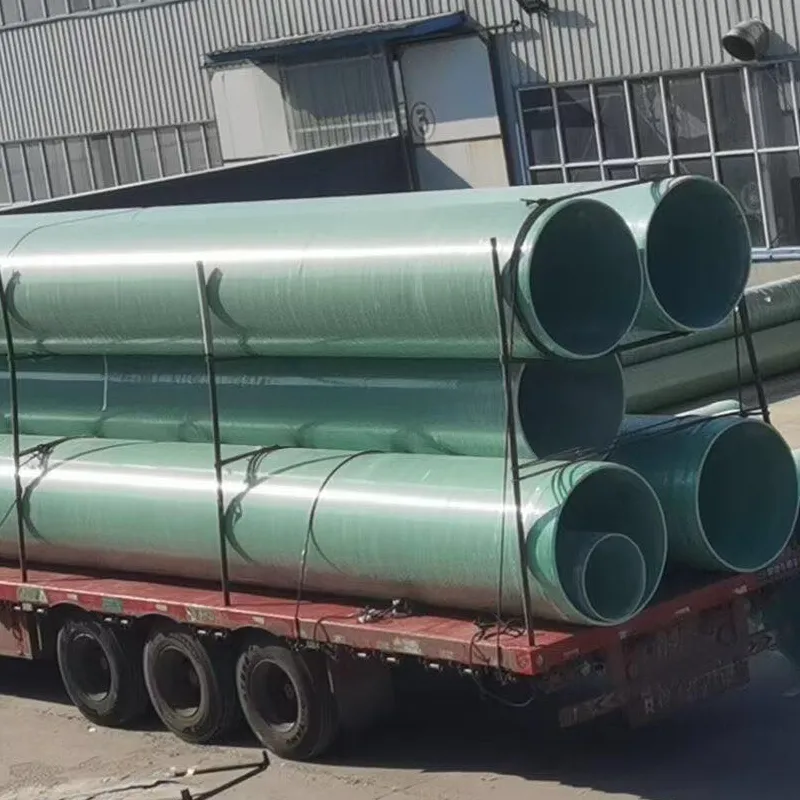
Engineering teams determine composite durability by matching service environments directly against the interior corrosion barrier, ensuring the resin-rich inner liner isolates structural reinforcements from chemical attack.
Operating parameters such as fluid pH levels, chemical concentration, and service temperatures dictate the selection of this barrier thickness and resin formulation.
Structural Reinforcement and Mechanical Integrity
Structural reinforcement layers situated beneath the corrosion barrier sustain mechanical integrity under operational loads, including internal pressure and external burial forces.
The surrounding thermosetting matrix transfers mechanical stresses evenly across individual glass filaments to prevent localized fiber delamination during service cycles.
Hydrostatic Design Basis Versus Short-Term Ratings
Procurement specifications must maintain a strict operational distinction between short-term burst ratings and projected baseline values. Short-term burst data reflects immediate destructive pressure limits during rapid testing, whereas long-term data establishes strength degradation over extended operating lifespans.
Relying on burst data for continuous operational planning risks mechanical failure because composite materials behave differently under sustained static loading. Project parameters such as destination port logistics and minimum order quantities dictate how material testing documentation is delivered for verification against service conditions.
Standard Procurement and Hydrostatic Design Frameworks
Engineering teams frequently align material evaluation with internationally recognized frameworks to ensure structural integrity across varied industrial applications. These benchmark documents establish baseline protocols for manufacturing quality, hydrostatic design basis derivation, and installation tolerances.
Procuring composite piping systems depends heavily on verifying that manufacturing batches meet the specific criteria outlined in these reference protocols. Design parameters, wall thickness calculations, and pressure classes are evaluated against these standardized methodologies rather than generic commercial ratings.
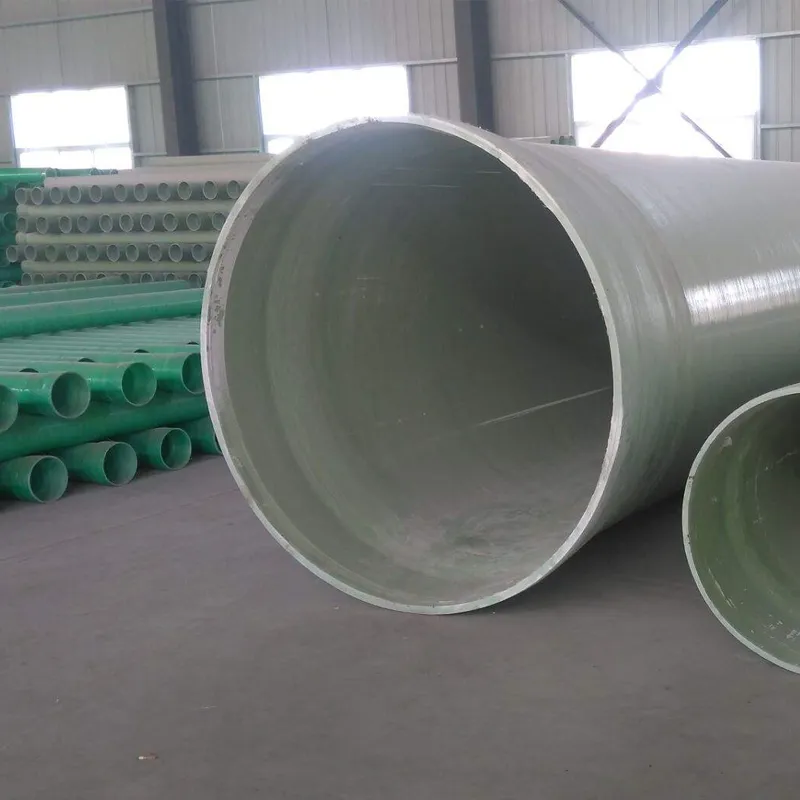
Project stakeholders establish conformity pathways by requesting testing reports and technical dossiers directly from the manufacturer prior to final order placement, ensuring that destination port requirements and polymer formulations match the intended service conditions.
Comparative Analysis of Resin and Reinforcement Options
Comparative analysis of thermoset matrices and reinforcement configurations reveals distinct mechanical and chemical behaviors across operational cycles.
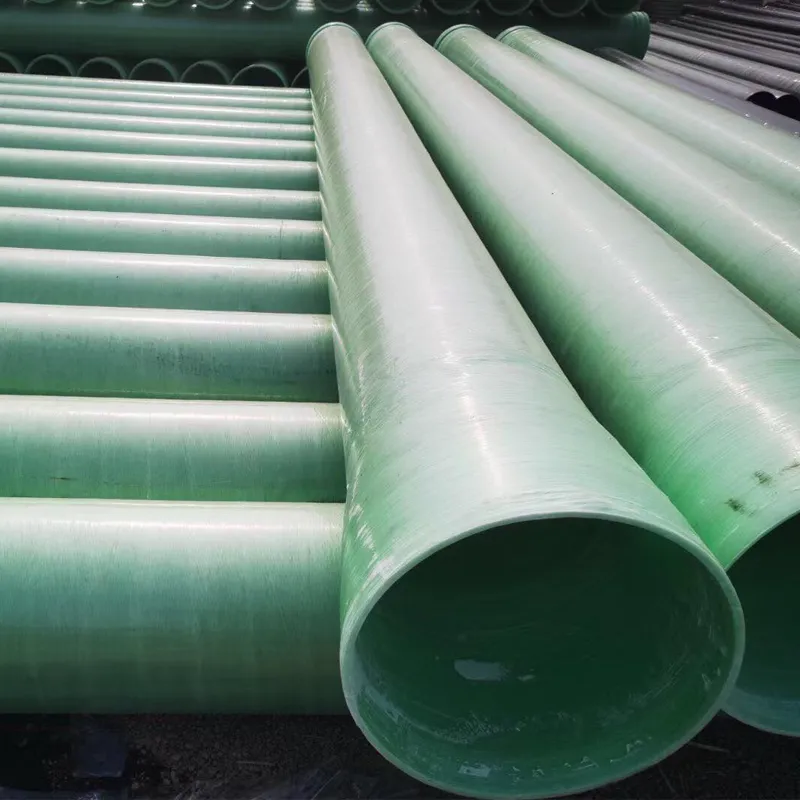
Epoxy, polyester, and vinyl ester polymers exhibit different cross-linking densities that govern long-term behavior under mechanical stress.
Structural Behavior of Polymer Matrix Systems
Polymer backbone structures dictate tensile strength and elongation limits under continuous loading conditions. Epoxy systems provide high mechanical strength and strong adhesion to glass filaments. Polyester matrices offer balanced mechanical performance and chemical resistance suited for general industrial service. Vinyl ester formulations deliver superior resistance against acidic and oxidative environments.
Glass fiber reinforcements embedded within these thermoset matrices distribute tensile and hoop stresses evenly along the pipe wall. The matrix transfers shear forces between individual glass filaments while protecting the reinforcement from aggressive fluid exposure.
Chemical Behavior and Comparative Criteria
Piping designers evaluate material compatibility by matching fluid aggressiveness against resin chemical resistance profiles. Temperature thresholds and fluid pH variations dictate which polymer system maintains structural continuity without matrix degradation.
| Resin Matrix | Primary Chemical Resistance Profile | Typical Industrial Application Context |
|---|---|---|
| Epoxy | High resistance to alkaline and solvent environments | Chemical Processing, Power Generation |
| Polyester | Moderate resistance to general aqueous solutions | Water and Wastewater, Power Generation |
| Vinyl Ester | Superior resistance to acidic and oxidative media | Chemical Processing, Oil and Gas |
Selecting appropriate material combinations depends on specific project parameters, fluid temperatures, and destination port delivery requirements.
Avoiding Common Pitfalls in FRP Specification
Project stakeholders frequently miscalculate operating lifespans when short-term burst figures are mistakenly treated as long-term hydrostatic design parameters. Such assumptions disregard the progressive fatigue experienced by composite reinforcement layers under continuous fluid pressure.
Engineering strategies must prevent the assumption that a single performance profile applies uniformly across diverse resin formulations. Each polymer matrix reacts differently to chemical exposure and thermal variations.
Operational Risk Factors in Composite Deployment
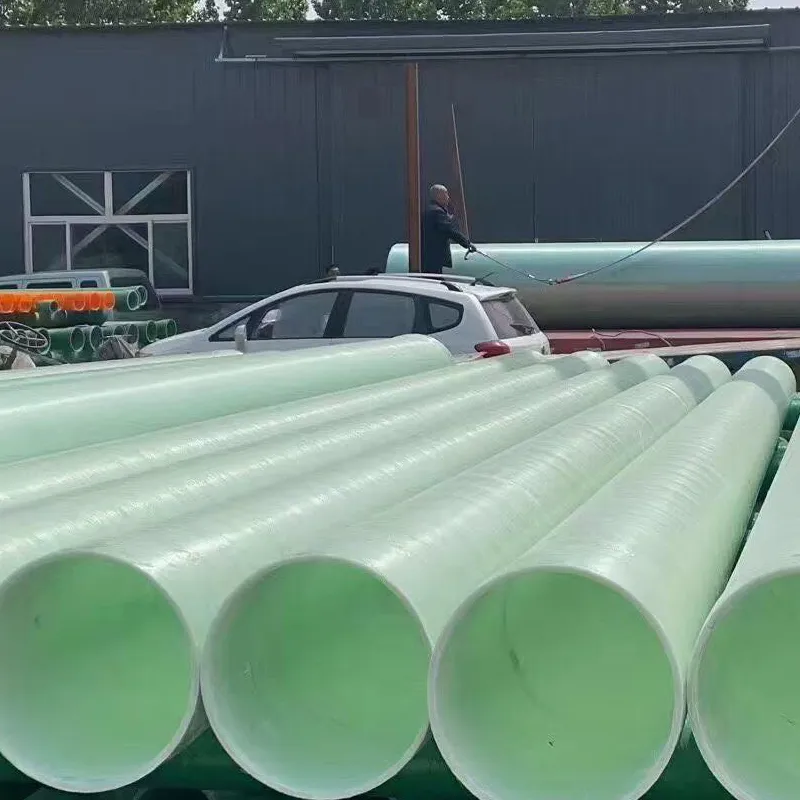
Misinterpreting Short-Term Burst Pressures
Short-term burst testing measures immediate structural limits rather than sustained load capacity over decades of continuous operation. Relying on these peak figures without factoring in environmental degradation leads to premature wall thinning and structural compromise.
Overlooking Resin-Specific Tolerances
Treating polyester, vinyl ester, and epoxy formulations as interchangeable creates severe vulnerability to chemical attack. Fluid aggressiveness and ambient operating temperatures dictate which polymer matrix remains stable over time.
Procurement Verification and Compliance Benchmarking
Procurement teams cross-reference incoming technical data against project-specific operating conditions rather than relying on generalized marketing claims. Compliance frameworks and hydrostatic design basis values depend strictly on the selected material grade, delivery destination ports, and minimum order quantities.
Frequently Asked Questions
The surrounding polymer network determines thermal and chemical thresholds instead of relying on a universal performance profile. Individual glass filaments receive mechanical stress distribution while being shielded from direct contact with corrosive media by the interior barrier.
Technical evaluation cross-references fluid aggressiveness against the interior corrosion barrier and structural reinforcement layers. Piping designers assess how polymer classifications react to aggressive industrial media and elevated operating temperatures.
Short-term burst ratings reflect immediate mechanical limits, whereas long-term hydrostatic design basis values govern sustained operating pressures over time. Engineering teams must avoid treating short-term burst numbers as equivalent to long-term performance thresholds during lifecycle design.
Material evaluation and procurement benchmarking frequently reference established frameworks such as ASTM D2996, ISO 14692, AWWA C950, and EN 14364 to categorize manufacturing and installation requirements. Compliance verification relies on documentation determined by project-specific service conditions and material choices.
Procurement managers evaluate fluid chemistries, structural load requirements, and thermal exposure variables to determine the appropriate thermoset matrix. Each project relies on matching the specific resin and reinforcement combination to the intended operating environment.
Conclusion
Initiating proper piping design depends heavily upon correlating fluid aggressiveness and expected structural loads directly against available thermoset resin matrices.
Engineering teams determine operational viability by reviewing regional delivery schedules, minimum order quantities, and project-specific pressure variables without assuming universal performance.