


We Are Open 24 Hours a Day, 7 Days a Week, Including Weekends and Public Holidays.

Common Applications of FRP Centrifugal Fans in Industrial Ventilation
Fiberglass Reinforced Plastic (FRP) centrifugal fans have become a cornerstone in modern industrial ventilation systems. Designed to handle harsh environments, these fans combine durability, corrosion resistance, and high efficiency—making them ideal for industries where traditional metal fans fall short. From chemical plants to wastewater facilities, FRP centrifugal fans are widely used to maintain air quality, ensure safety, and improve operational efficiency.
In this article, we’ll explore the most common applications of FRP centrifugal fans in industrial ventilation and why they are increasingly preferred across industries.
What Is an FRP Centrifugal Fan and Why It Matters
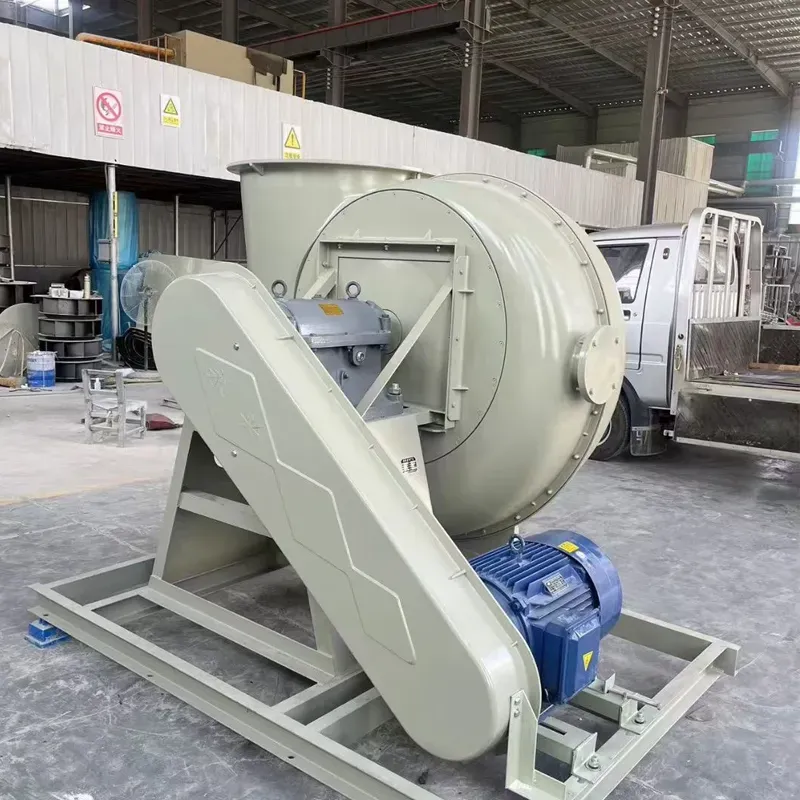
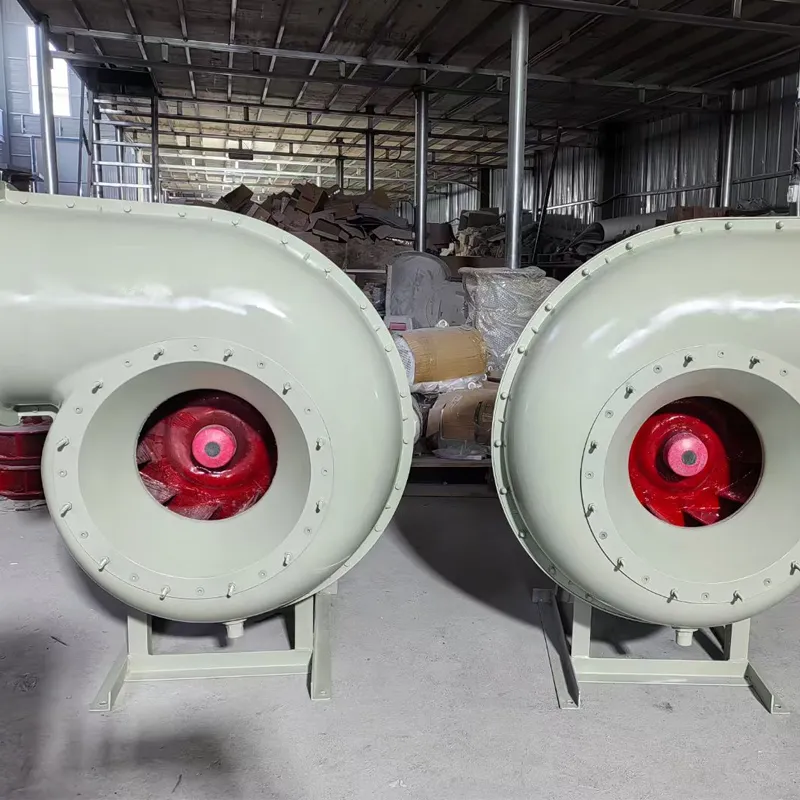
An FRP centrifugal fan is a mechanical device that uses centrifugal force to move air or gases through a ventilation system. Air enters the fan through the center and is expelled radially, increasing pressure and airflow efficiency.
What sets FRP fans apart is their construction. Unlike traditional steel fans, FRP fans are made from composite materials (fiberglass and resin), offering excellent resistance to corrosion, chemicals, and moisture.
This makes them particularly valuable in industrial environments where exposure to aggressive gases, acids, or humidity is unavoidable.
Application 1: Chemical Processing and Corrosive Gas Exhaust
One of the most important uses of FRP centrifugal fans is in chemical processing plants. These environments often produce corrosive fumes such as sulfuric acid or hydrochloric acid vapors.
FRP fans are specifically designed to handle these harsh conditions:
- Resistant to acids, alkalis, and solvents
- Long lifespan compared to metal alternatives
- Stable performance in aggressive environments
In such facilities, ventilation systems rely on FRP fans to safely extract toxic gases and maintain a clean working atmosphere.
Without corrosion-resistant equipment, ventilation systems would degrade quickly, leading to safety risks and high maintenance costs.
Application 2: Wastewater Treatment and Odor Control Systems
Wastewater treatment plants generate foul odors and harmful gases such as hydrogen sulfide. FRP centrifugal fans are widely used in odor control systems to extract and treat contaminated air.
These fans are commonly installed in:
- Scrubber exhaust systems
- Sludge processing areas
- Pump stations
Their corrosion resistance ensures long-term operation even in highly humid and chemically active environments. Additionally, FRP fans are often paired with filtration or scrubbing units to neutralize harmful emissions before release.
This application plays a critical role in environmental protection and regulatory compliance.
Application 3: Industrial Manufacturing and Dust Collection
In manufacturing industries such as cement, metal processing, textiles, and woodworking, airborne dust and particles are a major concern.
FRP centrifugal fans are used in:
- Dust collection systems
- Material conveying systems
- Workshop ventilation
Centrifugal fans are particularly effective in handling dust-laden air because of their ability to generate high pressure and maintain consistent airflow.
FRP construction adds an extra advantage by resisting abrasion and chemical exposure, especially in processes involving reactive materials.
Application 4: HVAC Systems in Industrial and Commercial Buildings
Heating, Ventilation, and Air Conditioning (HVAC) systems in large facilities rely heavily on centrifugal fans for air circulation.
FRP centrifugal fans are commonly used in:
- Industrial HVAC systems
- Commercial kitchens and food processing plants
- Public facilities like hotels and canteens
They provide:
- Efficient airflow distribution
- Low noise operation
- Long service life
Their lightweight design also simplifies installation and reduces structural load.
In environments with high humidity or grease-laden air (such as kitchens), FRP fans outperform metal alternatives by preventing corrosion and buildup.
Application 5: Power Plants and Boiler Ventilation
Power generation facilities and industrial boilers require continuous airflow for combustion and heat regulation.
FRP centrifugal fans are used as:
- Forced draft fans (FD fans)
- Induced draft fans (ID fans)
- Flue gas exhaust systems
They help:
- Maintain proper oxygen levels for combustion
- Remove hot gases and improve thermal efficiency
- Enhance overall system safety
Because these environments involve high temperatures and potentially corrosive flue gases, FRP fans provide a reliable and durable solution.
Application 6: Laboratories and Electroplating Facilities
Laboratories and electroplating plants often deal with hazardous fumes, including chemical vapors and acidic gases.
FRP centrifugal fans are essential for:
- Fume hood exhaust systems
- Cleanroom ventilation
- Electroplating tank ventilation
Their ability to resist chemical corrosion ensures safe and continuous operation. In these controlled environments, maintaining air purity is critical for both safety and product quality.
Application 7: Food Processing and Agricultural Ventilation
In food and agricultural industries, maintaining proper airflow is essential for hygiene, drying, and preservation processes.
FRP centrifugal fans are used in:
- Grain drying systems
- Food processing ventilation
- Storage facility air circulation
They help regulate temperature, remove moisture, and prevent contamination. Their non-corrosive and easy-to-clean surfaces make them suitable for food-grade environments.
Key Advantages Driving These Applications
Across all these industries, the widespread use of FRP centrifugal fans is driven by several core benefits:
1. Superior Corrosion Resistance
FRP materials can withstand acids, alkalis, and chemical fumes, making them ideal for harsh environments.
2. Lightweight and Easy Installation
Compared to metal fans, FRP fans are lighter, reducing installation complexity and structural requirements.
3. High Efficiency and Low Noise
Modern FRP fans are designed for optimal airflow with minimal vibration and noise.
4. Long Service Life
FRP fans can last decades with minimal maintenance, reducing lifecycle costs.
5. Versatility Across Industries
From chemical plants to HVAC systems, FRP fans can be customized for various airflow and pressure requirements.
Conclusion
FRP centrifugal fans have become indispensable in industrial ventilation due to their ability to handle corrosive, high-humidity, and high-temperature environments. Their applications span across chemical processing, wastewater treatment, manufacturing, HVAC systems, power plants, laboratories, and food industries.
As industries continue to prioritize safety, efficiency, and environmental compliance, the demand for FRP centrifugal fans will only grow. Their durability, adaptability, and performance make them a smart investment for any industrial ventilation system.
If you're designing or upgrading a ventilation system, choosing the right FRP centrifugal fan can significantly improve both operational efficiency and long-term reliability.






Address
20 Xingyuan South Street, Zaoqiang County, Hengshui City, Hebei Province, China


