


We Are Open 24 Hours a Day, 7 Days a Week, Including Weekends and Public Holidays.

Comprehensive Guide to Understanding Cooling Tower Systems and Technologies
Understanding Cooling Tower Systems
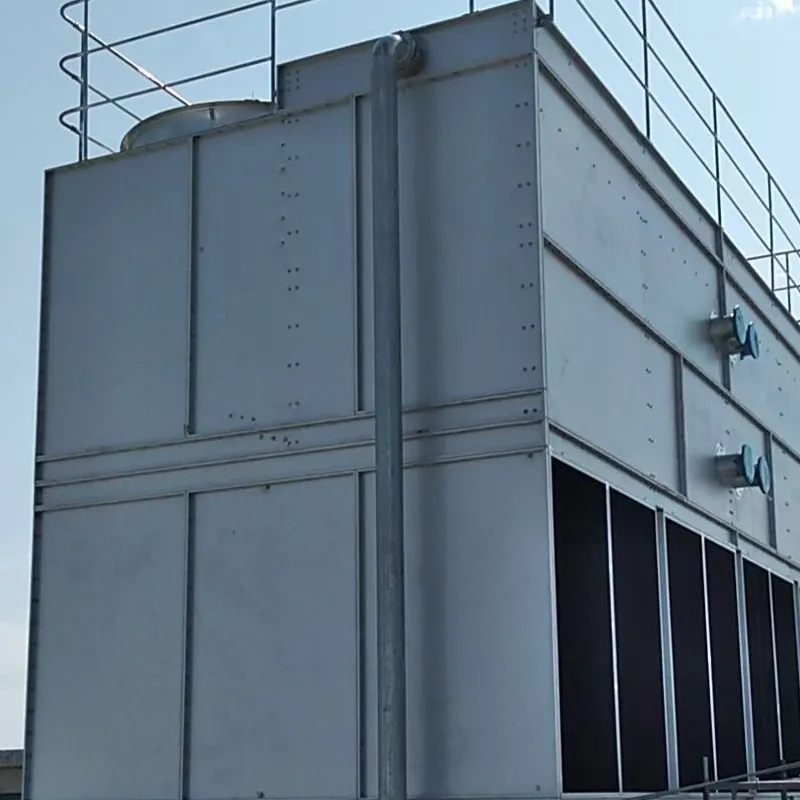
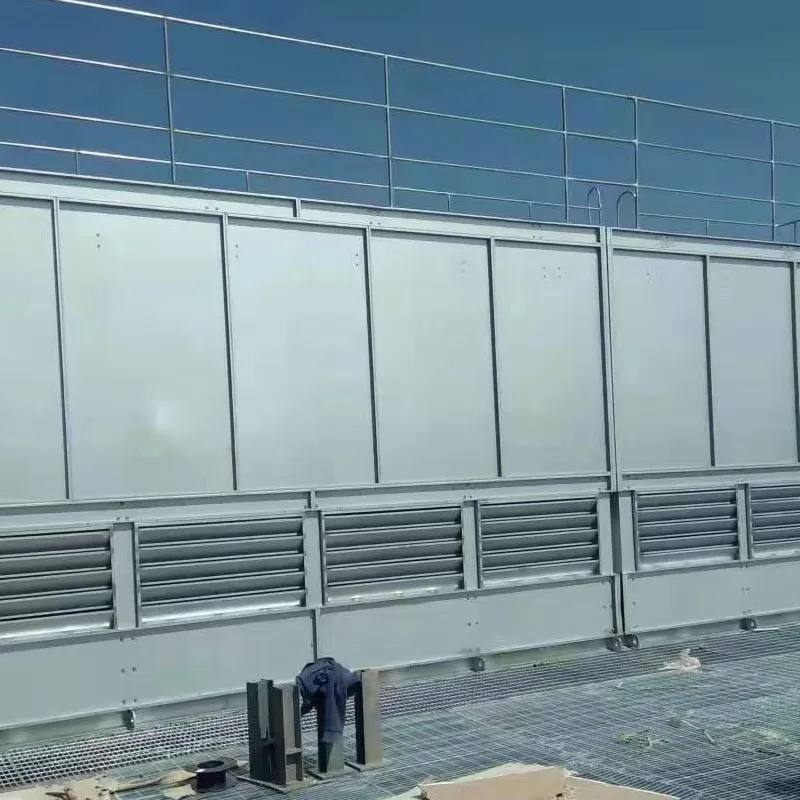
Cooling tower systems are essential components in a wide range of industrial processes, providing efficient heat rejection for everything from power generation to manufacturing. They play a critical role in maintaining optimal operating temperatures, enhancing efficiency, and preventing equipment failure. This article provides a comprehensive overview of cooling tower systems, covering their types, components, applications, maintenance, and the latest advancements. Investing in a reliable and well-maintained cooling tower is crucial for long-term operational stability and cost savings.
Types of Cooling Tower Systems
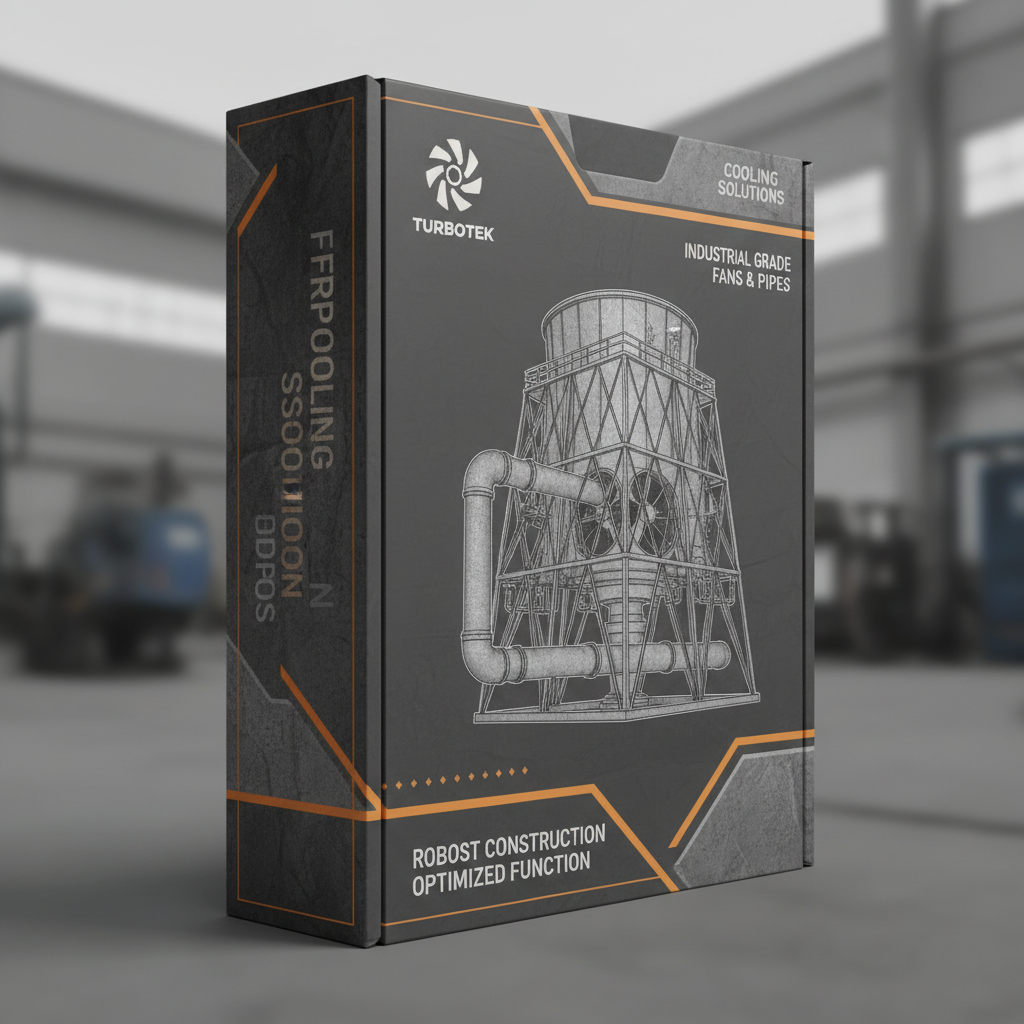
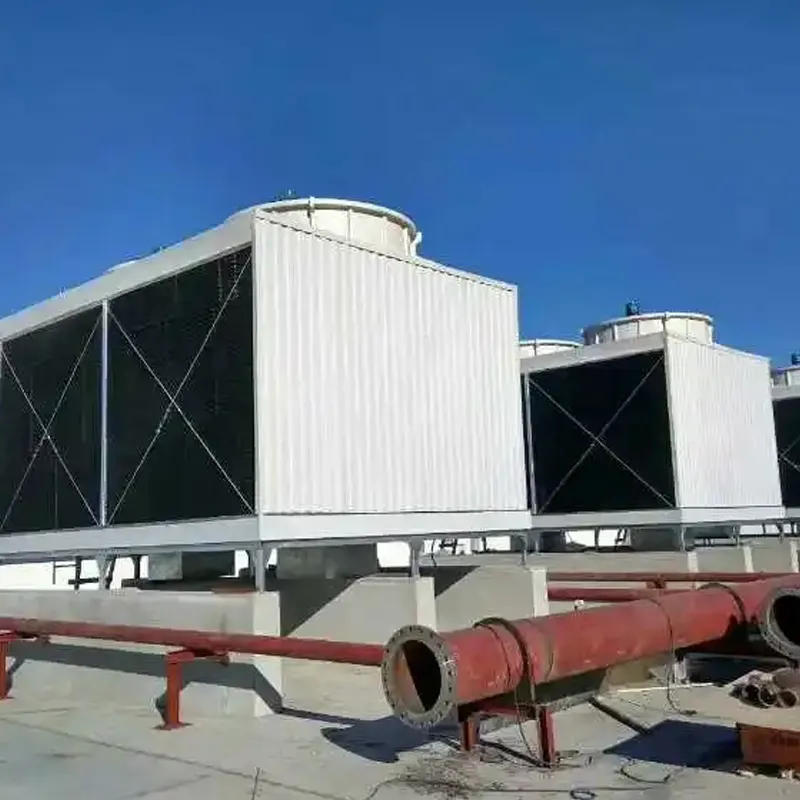
There are several types of cooling tower systems, each with its own advantages and disadvantages. The most common types include natural draft cooling towers, induced draft cooling towers, and forced draft cooling towers. Natural draft towers rely on convection to move air, while induced and forced draft towers utilize fans. Choosing the right type depends on factors such as site conditions, cooling load, and budget. Understanding the differences between these systems is vital for selecting the most appropriate solution for a specific application. HLFRP specializes in providing a diverse range of cooling tower solutions tailored to meet unique customer needs.
Key Highlights: Different cooling tower types are suited for varying levels of cooling demand and environmental considerations.
Key Components of a Cooling Tower
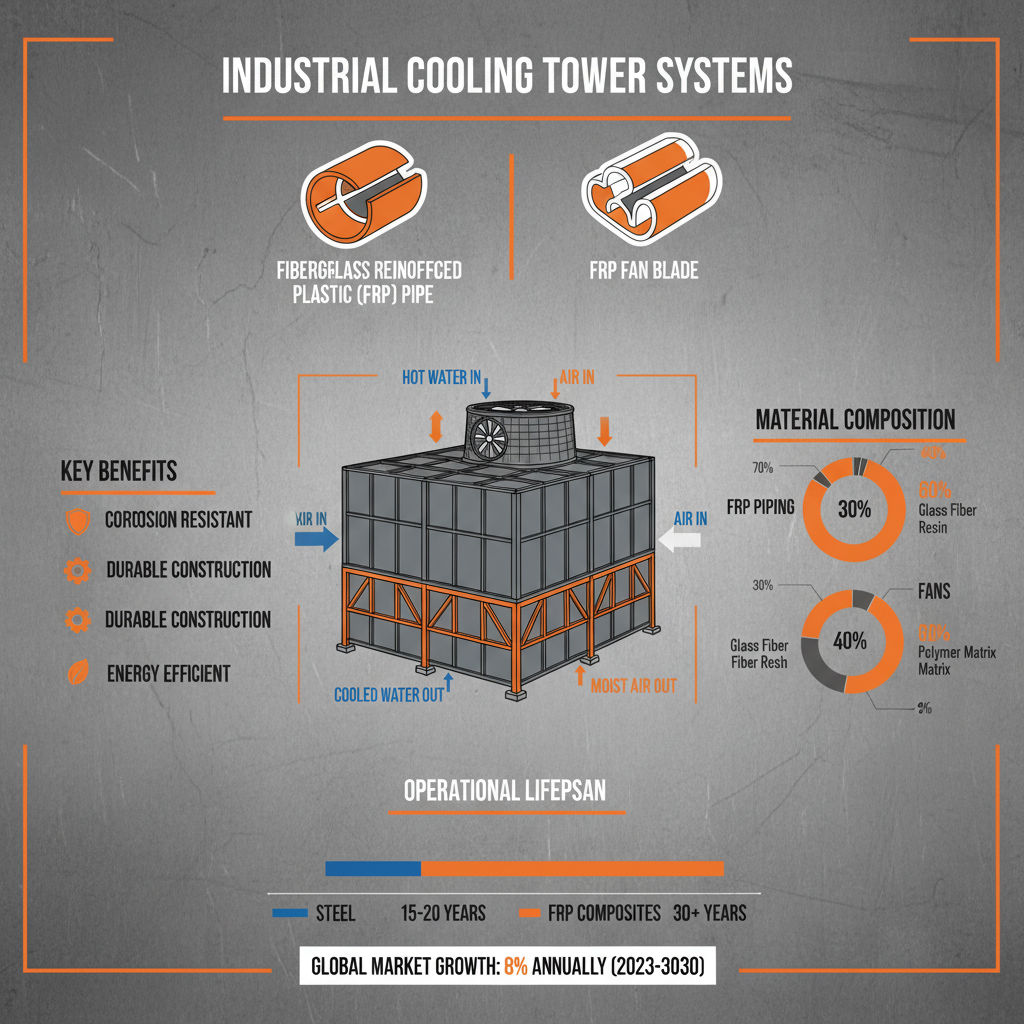
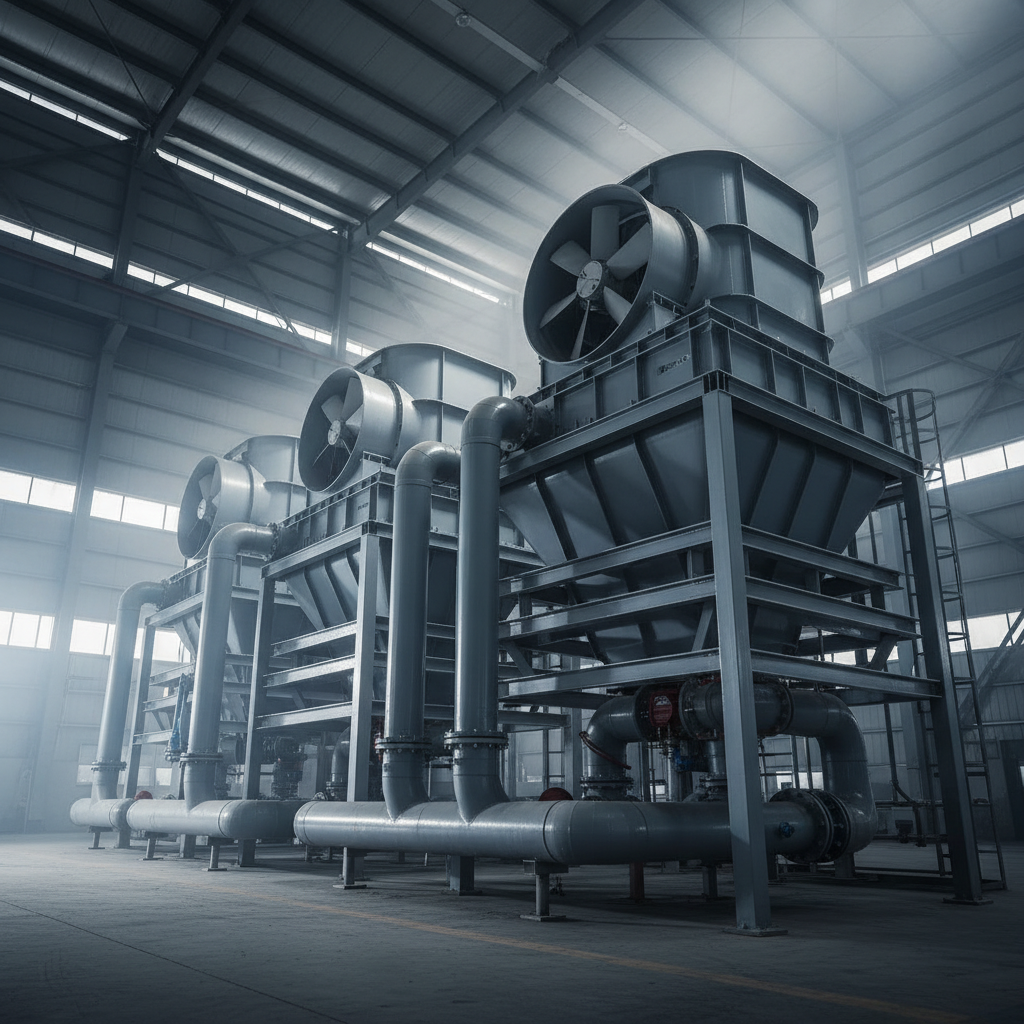
A typical cooling tower system comprises several key components working together. These include the tower structure, fill (media), water distribution system, air fans (in mechanical towers), drift eliminators, and a basin for collecting cooled water. The fill material maximizes surface area for efficient heat transfer. Drift eliminators minimize water loss through drift, and the water distribution system ensures even coverage of the fill. Proper functionality of each component is essential for optimal performance. HLFRP's cooling towers are designed with high-quality components to ensure durability and efficiency.
Component Importance:
• Fill maximizes heat transfer surface area.
• Drift eliminators reduce water loss.
• Water distribution ensures even coverage.
• Fans facilitate airflow (in mechanical towers).
Applications of Cooling Tower Systems
Cooling tower systems find applications across diverse industries. Power plants use them to cool water used in steam turbines. HVAC systems in large buildings rely on cooling towers for efficient air conditioning. Chemical processing plants, refineries, and manufacturing facilities utilize them to maintain optimal process temperatures. Data centers also employ cooling towers to dissipate heat generated by servers. The versatility of cooling towers makes them an indispensable part of many industrial operations. HLFRP provides tailored cooling solutions for these diverse sectors.
Maintenance and Optimization of Cooling Tower Systems
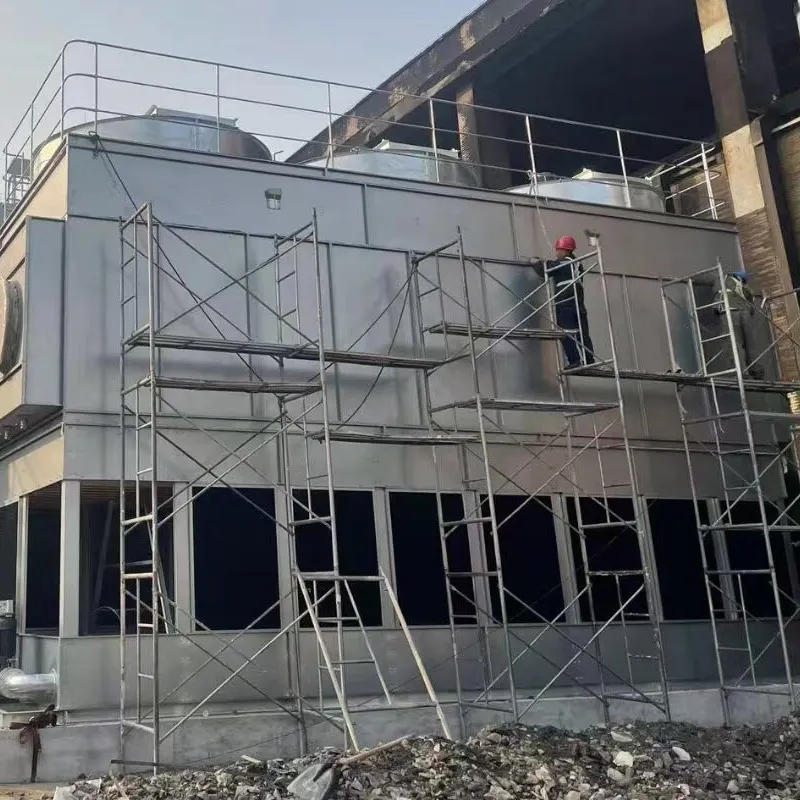
Regular maintenance is crucial for ensuring the long-term efficiency and reliability of cooling tower systems. This includes periodic cleaning to remove scale and debris, inspection of fill material for damage, fan maintenance, and water treatment to prevent corrosion and biofouling. Implementing a proactive maintenance schedule can prevent costly downtime and extend the lifespan of the equipment. Optimization strategies such as airflow adjustments and water flow control can also enhance performance. HLFRP offers comprehensive maintenance services and optimization solutions for cooling tower systems.
Recent Advancements in Cooling Tower Technology
Recent advancements in cooling tower technology focus on improving efficiency, reducing water consumption, and enhancing environmental sustainability. These include the development of high-efficiency fill materials, variable frequency drives (VFDs) for fan control, and advanced water treatment technologies. Dry cooling systems, which eliminate water evaporation, are gaining popularity in water-scarce regions. Smart cooling tower systems with integrated sensors and data analytics offer real-time monitoring and optimization capabilities. HLFRP is committed to providing innovative and sustainable cooling tower solutions.
Conclusion: Ensuring Reliable and Efficient Cooling
Investing in a well-designed and maintained cooling tower system is essential for operational efficiency and cost savings. Choosing the right type of system, utilizing high-quality components, implementing a proactive maintenance plan, and embracing the latest advancements in technology are all crucial steps. HLFRP is dedicated to providing comprehensive cooling solutions to meet the evolving needs of diverse industries.
Frequently Asked Questions (FAQs)
What are the common causes of cooling tower fouling?
Cooling tower fouling, the accumulation of deposits on heat transfer surfaces, is often caused by mineral scaling (calcium carbonate, magnesium silicate), biological growth (algae, bacteria), and the accumulation of suspended solids from the circulating water. Water chemistry plays a significant role; high mineral content, improper pH levels, and inadequate biocide treatment contribute to fouling. Regular water analysis and treatment are vital for preventing fouling and maintaining optimal performance. Fouling reduces heat transfer efficiency, increases energy consumption, and can lead to corrosion.
How often should cooling tower water be treated?
The frequency of cooling tower water treatment depends on various factors including water source, operating conditions, and system design. Typically, a water treatment program should include continuous monitoring of water chemistry, regular biocide dosing to control biological growth, and scale inhibitor addition to prevent mineral deposition. Initial testing and a tailored treatment plan should be established by a qualified water treatment professional. Periodic adjustments to the treatment program are essential to maintain optimal performance.
What safety precautions should be taken when working on a cooling tower?
Cooling towers can pose several safety hazards. Legionella bacteria, which can cause Legionnaires' disease, can proliferate in cooling tower water. Workers should wear appropriate personal protective equipment (PPE), including respirators, gloves, and eye protection. Confined space entry procedures should be strictly followed when accessing the tower's interior. Electrical safety precautions must be observed when working with fans and pumps. Regular disinfection and maintenance are essential for preventing the growth of Legionella and other harmful microorganisms.
What is the role of drift eliminators in a cooling tower?
Drift eliminators are essential components designed to minimize the amount of water droplets carried out of the cooling tower with the exhaust air. This "drift" can cause water loss, environmental concerns (deposition of minerals and chemicals), and potential damage to nearby equipment. Drift eliminators typically consist of baffles or vanes that redirect water droplets back into the tower. Proper maintenance and regular inspection of drift eliminators are crucial for ensuring their effectiveness and minimizing water loss.





Address
20 Xingyuan South Street, Zaoqiang County, Hengshui City, Hebei Province, China


