


We Are Open 24 Hours a Day, 7 Days a Week, Including Weekends and Public Holidays.

Cooling tower water treatment systems are crucial for maintaining the efficiency and longevity of cooling towers across a diverse range of industrial applications. These systems address the inherent challenges associated with water evaporation, scaling, corrosion, and biological fouling within cooling towers, preventing operational inefficiencies and costly downtime. The effective management of water quality in these systems directly translates to reduced energy consumption, minimized water usage, and enhanced environmental sustainability, making them an increasingly vital component of modern industrial infrastructure.
Globally, the demand for efficient and reliable cooling solutions is consistently rising, driven by factors such as population growth, industrial expansion, and the urgent need for sustainable resource management. Cooling towers are integral to power generation, manufacturing, HVAC systems, and various other critical processes. Consequently, robust cooling tower water treatment systems are no longer optional but rather essential for ensuring operational continuity and minimizing environmental impact. Effective water treatment programs are becoming increasingly important in light of stricter environmental regulations and growing awareness of water scarcity.
The implementation of a well-designed cooling tower water treatment system can significantly reduce operational costs, extend the lifespan of cooling tower equipment, and minimize the environmental footprint of industrial operations. This proactive approach to water management is becoming a key differentiator for businesses striving to achieve both economic success and environmental responsibility.
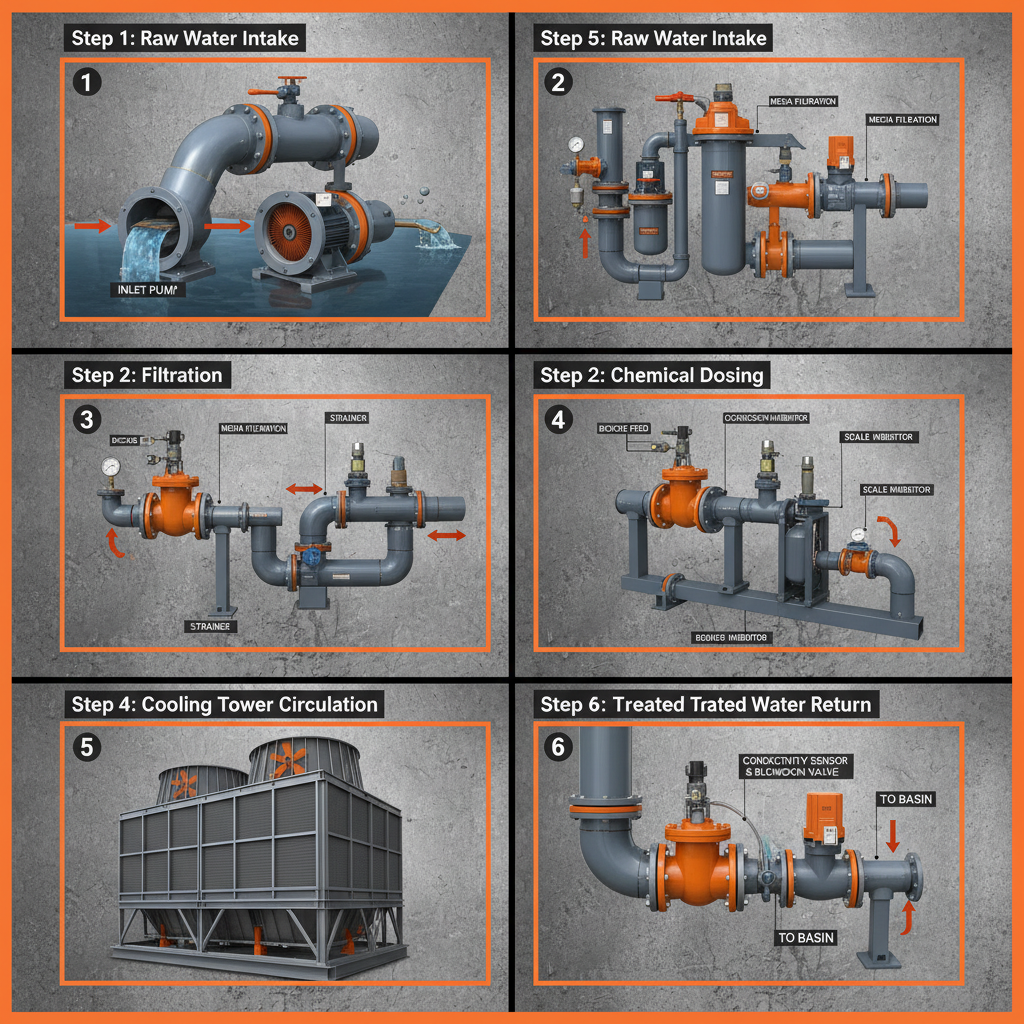
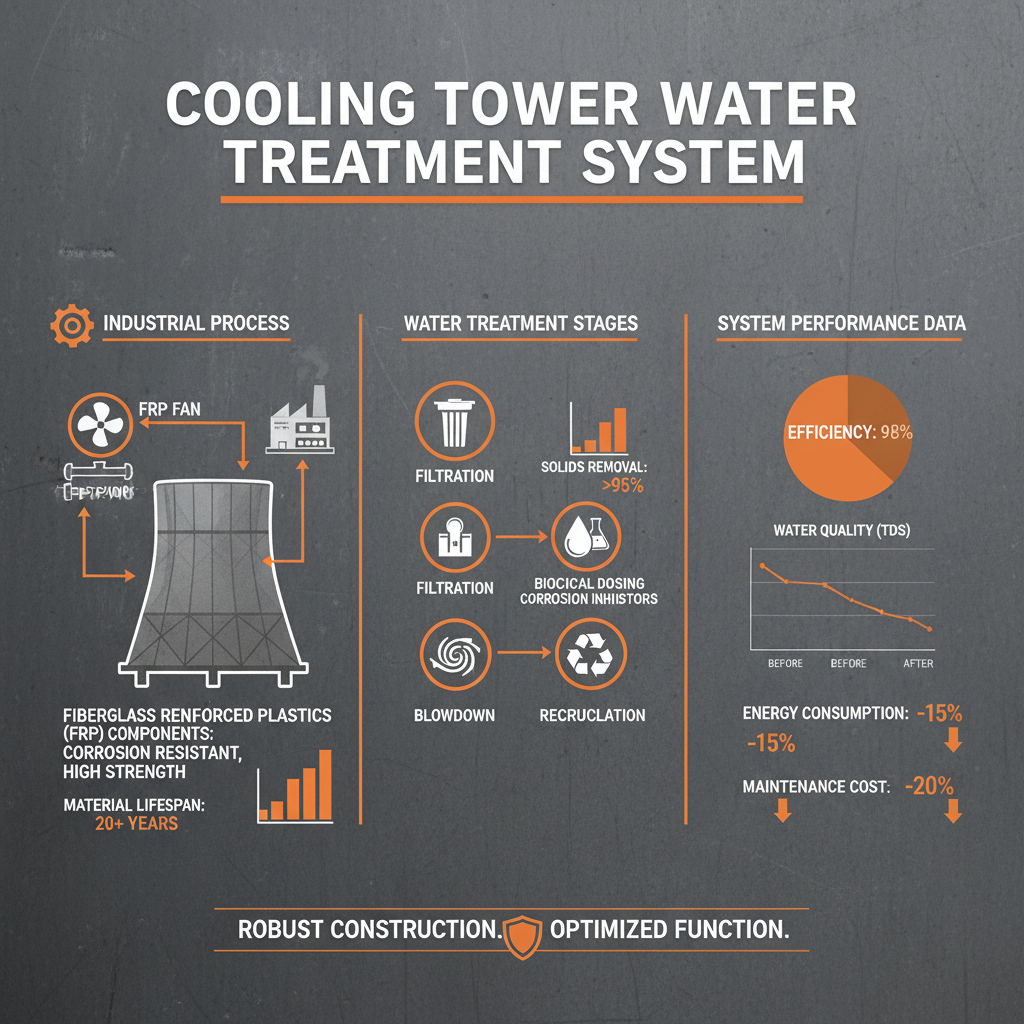
Understanding the complexities of cooling tower water treatment systems is paramount for industries relying on efficient heat rejection. The system's core function revolves around preventing scale formation, corrosion, and biological growth, all of which compromise the performance of cooling towers. Without a dedicated treatment program, these issues can lead to reduced heat transfer, increased energy consumption, and ultimately, system failure.
These systems aren't simply about adding chemicals; they are meticulously designed programs incorporating continuous monitoring, precise chemical dosing, and regular maintenance to optimize water quality and ensure long-term operational reliability. The selection of the appropriate treatment strategy depends heavily on factors like water source, tower type, operating conditions, and local regulations.
Implementing a cooling tower water treatment system delivers several vital benefits, including improved heat transfer efficiency, reduced energy consumption, extended equipment lifespan, minimized water usage, and adherence to environmental regulations. It safeguards against scaling, corrosion, and biological fouling, reducing downtime and operational costs while promoting sustainability.
Cooling tower water should be tested regularly, typically weekly or bi-weekly, depending on the system's operating conditions and water source. Parameters such as pH, conductivity, calcium hardness, alkalinity, and microbial counts should be monitored to ensure the treatment program remains effective and within acceptable limits. More frequent testing may be necessary during periods of high demand or seasonal changes.
Biocides play a crucial role in controlling the growth of microorganisms, including bacteria, algae, and fungi, within cooling towers. These microorganisms can form biofilms, reduce heat transfer efficiency, and pose health risks, such as Legionnaires' disease. Biocides are used to disinfect the water, preventing microbial proliferation and maintaining a safe and efficient operating environment. Regular monitoring and rotation of biocide types are essential to prevent resistance.
Scale formation, primarily caused by calcium and magnesium deposits, significantly reduces cooling tower performance. Scale accumulates on heat transfer surfaces, acting as an insulator and impeding heat exchange. This leads to reduced cooling capacity, increased energy consumption, and potential equipment damage. Effective scale inhibitors are used to prevent scale formation and maintain optimal heat transfer efficiency.
Modern cooling tower water treatment can be highly environmentally friendly. Utilizing sustainable chemical formulations, minimizing water discharge through recycling and reuse, and employing advanced monitoring technologies all contribute to reducing environmental impact. Responsible water treatment practices help conserve water resources, reduce energy consumption, and minimize the release of harmful chemicals into the environment.
Neglecting cooling tower water treatment can lead to a cascade of negative consequences, including reduced heat transfer efficiency, increased energy costs, equipment corrosion and failure, microbial contamination, and potential health risks. These issues can result in costly repairs, downtime, and regulatory penalties. Proactive water treatment is essential for safeguarding system reliability and ensuring long-term operational efficiency.
In conclusion, a properly designed and maintained cooling tower water treatment system is not merely an operational necessity but a strategic investment. It safeguards equipment, optimizes performance, reduces costs, and promotes environmental sustainability. The benefits extend beyond immediate savings, contributing to long-term operational reliability and responsible resource management.
Looking ahead, the continued development and adoption of innovative technologies, coupled with a proactive approach to water management, will be crucial for ensuring the efficient and sustainable operation of cooling towers in the face of growing global challenges. We encourage you to explore how our expertise and solutions can help optimize your cooling tower system for long-term success.



Address
20 Xingyuan South Street, Zaoqiang County, Hengshui City, Hebei Province, China


