head_nav
head_logo
suosou
lang
close

We Are Open 24 Hours a Day, 7 Days a Week, Including Weekends and Public Holidays.

lang
0%

Table of Contents

Fiber Reinforced Polymer (FRP) materials represent a groundbreaking advancement in material science, offering a compelling blend of high strength, lightweight properties, and corrosion resistance. These composite materials, formed by combining polymer matrices with reinforcing fibers, are rapidly transforming industries ranging from construction and aerospace to automotive and marine engineering. Understanding the various types of fiber reinforced polymer is crucial for engineers, designers, and policymakers seeking innovative and sustainable solutions to modern challenges.

The global demand for FRP materials is experiencing significant growth, driven by the need for durable, high-performance materials that can withstand harsh environments and reduce lifecycle costs. According to reports by the World Bank and ISO standards, the use of FRP in infrastructure projects is projected to increase substantially in the coming decade, particularly in developing nations facing rapid urbanization and aging infrastructure. This surge in demand highlights the importance of understanding the nuances of different types of fiber reinforced polymer to ensure optimal material selection and application.

FRPs address critical challenges associated with traditional materials like steel and concrete, offering superior resistance to corrosion, fatigue, and impact damage. This makes them exceptionally well-suited for applications where longevity and reliability are paramount, ultimately contributing to safer, more sustainable, and cost-effective infrastructure and products. Selecting the correct types of fiber reinforced polymer is therefore key to success.
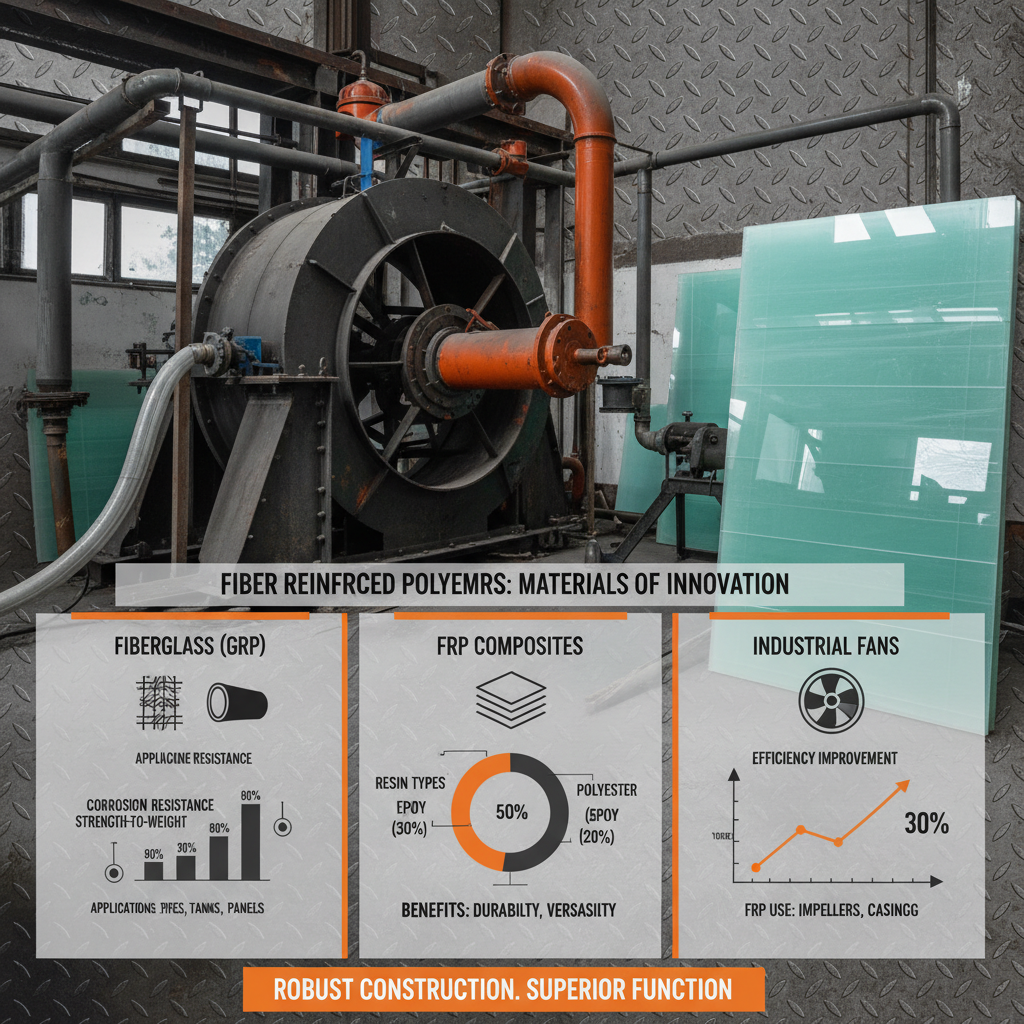
Exploring the Diverse Landscape of Types of Fiber Reinforced Polymer Materials

Introduction to types of fiber reinforced polymer

Exploring the Diverse Landscape of Types of Fiber Reinforced Polymer Materials

The world of composite materials is vast, and within it, fiber reinforced polymers (FRPs) occupy a pivotal position. These aren't simply one material, but rather a family of composites tailored for specific needs. The types of fiber reinforced polymer differ primarily based on the reinforcing fiber used—glass, carbon, aramid, basalt, and others—and the type of polymer matrix, such as epoxy, polyester, or vinyl ester.

Understanding these variations is critical because each combination yields a material with a unique set of properties. This versatility makes types of fiber reinforced polymer suitable for a wide range of applications, from lightweight automotive components to durable infrastructure elements, and even specialized aerospace structures.

Defining types of fiber reinforced polymer

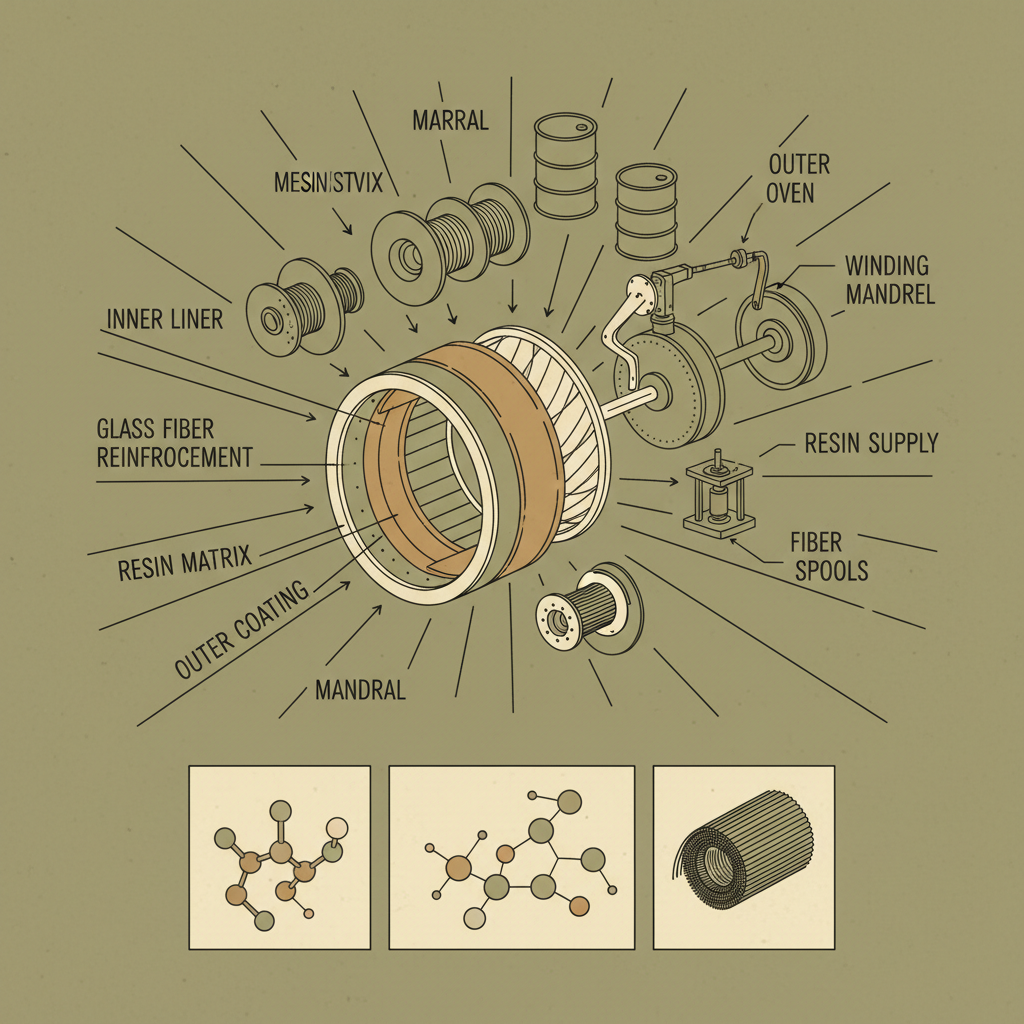
At its core, a fiber reinforced polymer is a composite material made of two primary components: reinforcing fibers and a polymer matrix. The fibers provide the strength and stiffness, while the polymer matrix binds the fibers together, transfers load between them, and protects them from environmental damage. The specific types of fiber reinforced polymer are therefore defined by these two components.

This combination results in a material that exhibits superior strength-to-weight ratios compared to traditional materials like steel and aluminum. FRPs excel in applications where both high performance and reduced weight are crucial. This makes them ideal for industries demanding efficiency and innovation.

The relevance of FRPs extends beyond mere performance. Their corrosion resistance contributes significantly to sustainable infrastructure and reduced maintenance costs, aligning with global efforts to build a more resilient and environmentally conscious world.

Core Components of types of fiber reinforced polymer

The performance characteristics of any FRP are dictated by the interplay between the fiber and the matrix. Different fibers contribute different strengths. For instance, carbon fibers provide exceptional tensile strength and stiffness, while glass fibers offer a balance of strength and cost-effectiveness. Selecting the right fiber is the cornerstone of designing optimal types of fiber reinforced polymer for a given application.

The polymer matrix plays a vital role in distributing stress and protecting the fibers. Epoxy resins are known for their excellent mechanical properties and adhesion, while polyester resins are more cost-effective and suitable for large-volume production. Vinyl ester resins offer enhanced chemical resistance, making them ideal for harsh environments.

Beyond the basic fiber and matrix, additives are often incorporated to enhance specific properties. These can include UV stabilizers, flame retardants, and pigments, further tailoring the types of fiber reinforced polymer to meet specific performance requirements.

Key Advantages of types of fiber reinforced polymer

One of the most significant advantages of FRPs is their exceptional strength-to-weight ratio. This allows for the creation of lightweight structures without compromising on structural integrity, leading to reduced material consumption and transportation costs.

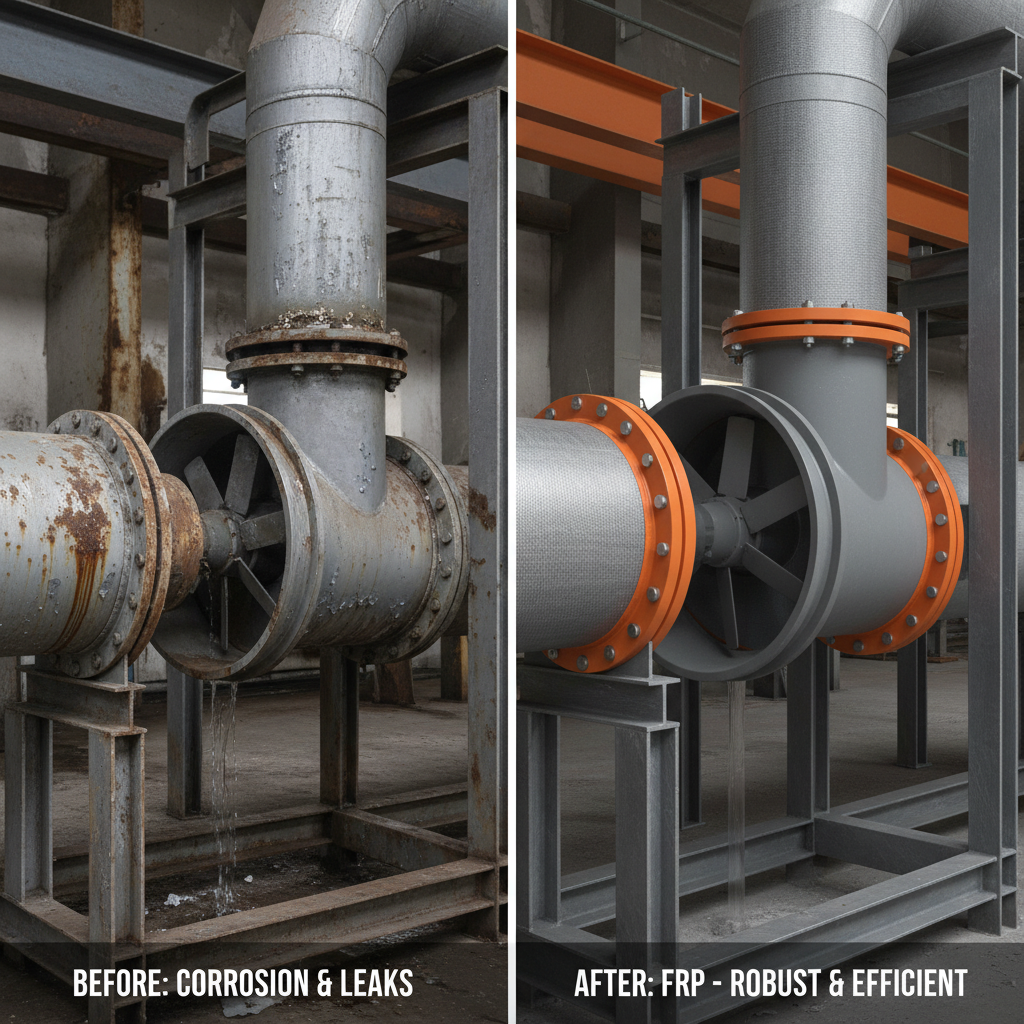
FRPs are also inherently corrosion-resistant, making them ideal for use in harsh environments where traditional materials would quickly degrade. This reduces maintenance costs and extends the lifespan of structures, contributing to long-term cost savings.

Comparative Performance of Different FRP Types


Global Applications of types of fiber reinforced polymer

FRPs have found widespread applications across diverse industries. In the construction sector, they're used for reinforcing concrete structures, creating lightweight panels, and building durable bridges. In aerospace, types of fiber reinforced polymer are critical for aircraft components, reducing weight and improving fuel efficiency.

The automotive industry leverages FRPs to manufacture lightweight body panels, improving vehicle performance and reducing emissions. Marine applications benefit from FRPs’ corrosion resistance in boat hulls and decks. These examples demonstrate the versatility and adaptability of these advanced materials.

Long-Term Value and Benefits of types of fiber reinforced polymer

Investing in types of fiber reinforced polymer yields substantial long-term benefits. The extended lifespan due to corrosion resistance translates into reduced maintenance and replacement costs, providing significant economic advantages over traditional materials.

Furthermore, the lightweight nature of FRPs contributes to energy efficiency, reducing fuel consumption in transportation applications and lowering overall carbon emissions, aligning with sustainability goals. FRPs represent not only a cost-effective solution but also a responsible environmental choice.

Beyond the quantifiable benefits, FRPs enhance safety and reliability in critical infrastructure, ensuring structural integrity and minimizing the risk of failures, which builds trust and confidence in long-term investments.

Future Trends in types of fiber reinforced polymer

The future of FRPs is bright, with ongoing research and development focused on innovative materials and manufacturing processes. One key trend is the development of bio-based polymers as sustainable alternatives to traditional petroleum-based resins. This will further reduce the environmental footprint of types of fiber reinforced polymer.

Another exciting area is the integration of nanotechnology to enhance the mechanical properties and functionality of FRPs. Self-healing polymers are also being explored, offering the potential to repair damage autonomously, extending the lifespan of structures even further.

Automation and digital manufacturing techniques, such as 3D printing, are poised to revolutionize FRP production, enabling the creation of complex geometries and customized designs with greater efficiency and precision.

Summary of Key Considerations in FRP Material Selection

Fiber Type Matrix Type Cost (1-10) Application Suitability
Glass Fiber Polyester Resin 3 General construction, low-stress applications
Carbon Fiber Epoxy Resin 9 Aerospace, high-performance automotive
Aramid Fiber Vinyl Ester Resin 7 Ballistic protection, marine applications
Basalt Fiber Polyester Resin 5 Infrastructure reinforcement, civil engineering
Potassium Fiber Epoxy Resin 8 High-strength applications, alternative to carbon fiber
Hybrid Fibers Vinyl Ester Resin 6 Tailored applications, combining properties

FAQS

What are the primary differences between carbon fiber and glass fiber reinforced polymers?

Carbon fiber offers superior strength-to-weight ratio and stiffness compared to glass fiber, making it ideal for high-performance applications. However, it's significantly more expensive. Glass fiber is more affordable and provides a good balance of strength and cost, suitable for general construction and less demanding applications. The choice depends on the specific performance requirements and budget constraints.

How does the choice of polymer matrix affect the overall performance of an FRP?

The polymer matrix plays a crucial role in load transfer and environmental protection. Epoxy resins offer excellent mechanical properties and adhesion but are more costly. Polyester resins are more economical but have lower performance. Vinyl ester resins provide enhanced chemical resistance, suitable for harsh environments. Selecting the right matrix aligns with the anticipated operating conditions and performance targets.

Are FRP materials recyclable, and what are the environmental considerations?

Recycling FRPs is challenging due to the inherent complexity of composite materials. Current methods often involve downcycling into lower-value products. However, research is ongoing to develop more efficient recycling processes and utilize bio-based polymers, reducing the environmental impact. Considering the lifecycle of FRPs and exploring sustainable options is crucial.

What are the typical applications of FRP in infrastructure projects?

FRPs are widely used in infrastructure for concrete reinforcement, bridge repairs, and corrosion protection of steel structures. They can also be used to create lightweight and durable composite panels for building facades and roofing. FRPs extend the lifespan of infrastructure, reduce maintenance costs, and improve structural integrity.

How do FRPs compare to traditional materials like steel in terms of corrosion resistance?

FRPs exhibit superior corrosion resistance compared to steel. Steel is susceptible to rust and degradation in corrosive environments, requiring frequent maintenance and replacement. FRPs are inert to many corrosive substances, minimizing the need for protective coatings and extending their service life significantly. This translates to long-term cost savings and increased reliability.

What are the cost implications of using types of fiber reinforced polymer compared to traditional materials?

The initial cost of FRPs can be higher than traditional materials like steel or concrete. However, this cost is often offset by long-term benefits such as reduced maintenance, extended lifespan, and lower life-cycle costs. Considering the total cost of ownership is crucial when evaluating the economic feasibility of using FRPs.

Conclusion

In conclusion, types of fiber reinforced polymer represent a paradigm shift in material science, offering a compelling combination of strength, lightweight properties, and durability. Their versatility makes them invaluable across a multitude of industries, addressing critical challenges in infrastructure, transportation, and beyond. Understanding the nuances of different FRP compositions – fibers and matrices – is paramount for maximizing their potential.

Looking ahead, continued innovation in bio-based polymers, nanotechnology integration, and automated manufacturing processes will further enhance the sustainability and cost-effectiveness of FRPs. Embracing these advancements will pave the way for a future built on resilient, efficient, and environmentally responsible materials. To explore the possibilities and discover the optimal FRP solution for your needs, visit our website at www.hlfrp.com.
Michael Brown

Michael Brown

Michael Brown is a Manufacturing Supervisor at Hebei Longxuan, overseeing the production of our pultruded profiles and environmental protection equipment. Michael has been with the company for 8 years, starting as a technician and steadily progressing through the ranks. He’s a hands-on leader with a keen eye for detail and
Previous Revolutionizing Construction with Durable frp building material Solutions
Next Exploring the Diverse Landscape of Types of Fiber Reinforced Plastic Materials
Can't Find The Products And Services You Need?
If you need our help,
Our staff will be happy to help and answer your questions!
 Factory Processing
Factory Processing
The factory processes raw materials into finished products using advanced machinery and skilled labor.
 Build Synergy
Build Synergy
We provide collaborative services tailored to client needs, ensuring seamless communication and mutual growth.
 Global Supply
Global Supply
Our innovative products are bestsellers worldwide, celebrated for their exceptional quality, reliability, and global appeal.
 Global Supply
Global Supply
We ensure consistent product availability through a reliable and efficient global supply network.

Address

20 Xingyuan South Street, Zaoqiang County, Hengshui City, Hebei Province, China

If you are interested in our products, you can choose to leave your information here, and we will be in touch with you shortly.