head_nav
head_logo
suosou
lang
close

We Are Open 24 Hours a Day, 7 Days a Week, Including Weekends and Public Holidays.

lang
0%

Table of Contents

Honestly, the frp pipe manufacturing world has been turning upside down lately. Everyone’s chasing lighter weight, higher strength, and, of course, lower costs. Seems simple, right? But it’s a tangled mess out there. Last year, I was at a factory in Shandong province, and they were bragging about a new resin they’d developed. Said it would revolutionize everything. Turns out, it smells… well, let's just say it reminds me of my uncle’s old workshop. A weird, chemical, slightly sweet smell. Not a good sign.

You know what I’ve noticed? People get hung up on the theoretical strength numbers. They design these pipes based on lab tests, then they get to a construction site and… things don't quite add up. I mean, a pipe that can theoretically withstand 500 PSI is great, but what about when old man Chen’s crew drops a pallet of bricks on it? That’s a real-world test. A test those numbers don’t account for.

And the materials… we're talking glass fiber, resin (epoxy, vinyl ester, polyester – the whole alphabet soup), fillers, curing agents. The glass fiber, that's the backbone, feels kinda gritty, gets everywhere. You gotta wear a good respirator. The resin, that’s where things get tricky. Epoxy is the premium stuff, strongest, but pricey and fussy to work with. Vinyl ester is a good middle ground. Polyester? Well, it’s cheap, and, strangely, a lot of people still use it. But it's less resistant to chemicals. Anyway, I think finding the right balance is key.
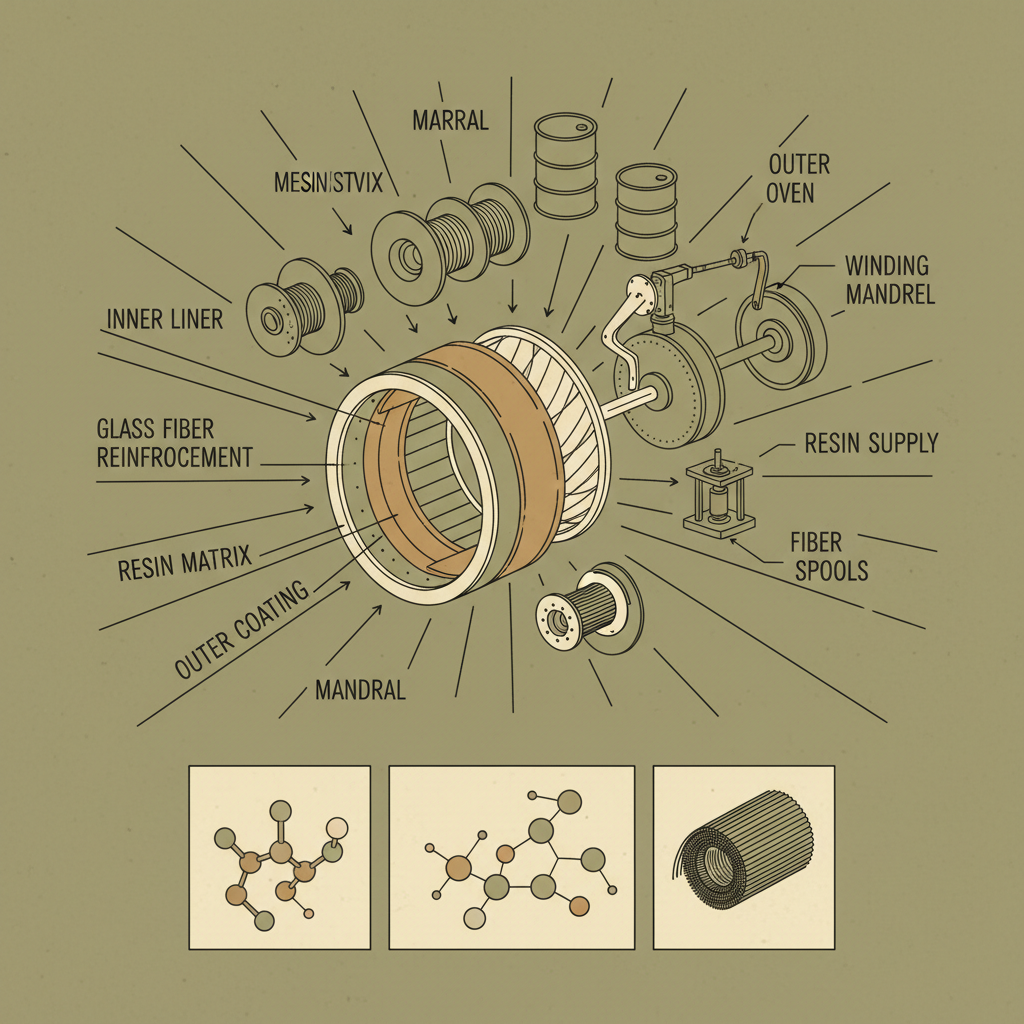
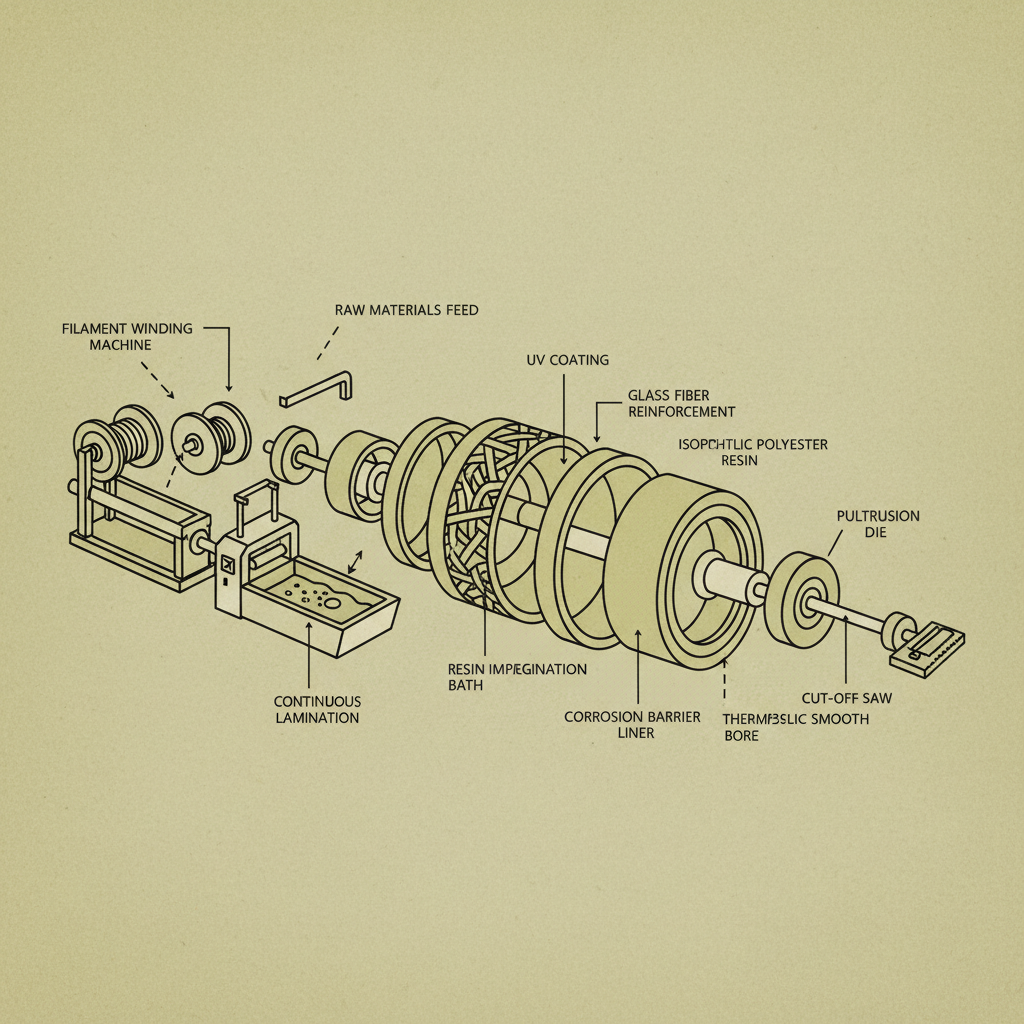
Navigating the World of frp pipe manufacturers Trends Challenges and Material Insights

The Recent Trends in frp pipe manufacturers

Navigating the World of frp pipe manufacturers Trends Challenges and Material Insights

To be honest, the biggest thing I’m seeing right now is everyone trying to get away from steel. Corrosion is a killer, and steel prices are… well, you know. So, the demand for frp pipe manufacturers is through the roof. But it’s not just about replacing steel. It’s about doing it smarter. People are looking for thinner walls, higher pressures, and more specialized resins. It's a race to see who can make the lightest, strongest, cheapest pipe.

There's also a big push for bio-based resins. A lot of companies are experimenting with plant-derived materials. It’s still early days, but the potential is there. The smell is better, at least.

Common Design Traps in frp pipe manufacturers

Have you noticed how engineers love to over-engineer things? I encountered this at a wastewater treatment plant last time. They’d designed these frp pipe manufacturers sections with a wall thickness that was… ridiculous. Completely unnecessary. They were worried about pressure spikes, but the system had pressure relief valves. It was just wasted material and a lot of extra cost.

Another trap is ignoring the installation process. You can design the perfect pipe, but if the guys on site don't know how to handle it properly, it's going to fail. FRP is different from steel. You can't just weld it together. You need special adhesives, proper surface preparation, and skilled technicians. It's a whole different ball game.

And don't even get me started on fittings. Getting a good, reliable seal on an frp pipe manufacturers fitting can be a nightmare. Too many variables, too many potential failure points. It’s where most of the leaks happen.

Material Selection Insights for frp pipe manufacturers

Picking the right resin is crucial. I told you about that smell earlier? That was a sign. A bad sign. You want a resin that’s compatible with the fluid it’s carrying. You also want something that can handle the temperature variations and the UV exposure. Vinyl ester is pretty good all around, but for really harsh chemicals, epoxy is the way to go.

And the fiber reinforcement? It's not just about the amount, it's about the orientation. You want the fibers aligned in the direction of the stress. Sounds obvious, right? But a lot of manufacturers cut corners on that. They just randomly lay the fibers in there. It’s cheaper, but it weakens the pipe. I've seen it happen. I was down in Fujian province, inspecting a batch, and... well, let's just say the quality control wasn't exactly rigorous.

Don't forget the fillers! Calcium carbonate, silica... they add bulk, reduce cost, and can improve certain properties. But too much filler, and you weaken the structure. It's all about balance. A good filler will integrate seamlessly into the resin matrix. A bad filler will just... sit there.

Real-World Testing of frp pipe manufacturers

Lab tests are fine, but they don’t tell the whole story. We need to see how these pipes perform in the real world. I like to see them installed in actual operating conditions and monitored for leaks, deformation, and corrosion.

We do hydrostatic testing, of course. Fill the pipe with water and pressurize it. But that only tells you if it will burst. It doesn't tell you how it will handle vibration, impact, or long-term exposure to the elements. We also do non-destructive testing – ultrasonic inspection, radiographic testing – to look for hidden flaws.

frp pipe manufacturers Testing Methods Effectiveness


Actual Usage Scenarios of frp pipe manufacturers

You see frp pipe manufacturers everywhere these days. Chemical processing plants, wastewater treatment facilities, oil and gas pipelines, even irrigation systems. They’re particularly good in corrosive environments, like seawater or acidic soils. And they’re lightweight, so they’re easier to install in remote locations.

They're also starting to use them in building construction, for things like plumbing and drainage. It's not as common yet, but it’s growing. Strangely, I’ve been seeing more and more use in fish farms. Apparently, they’re less toxic to the fish than PVC. Who knew?

Advantages and Disadvantages of frp pipe manufacturers

Okay, let’s be real. frp pipe manufacturers is great. Corrosion resistance, lightweight, high strength... It’s got a lot going for it. But it’s not perfect. It’s more expensive than steel or PVC. It’s more susceptible to damage from UV exposure. And it's harder to repair.

But the long-term benefits often outweigh the drawbacks. Lower maintenance costs, longer lifespan, reduced risk of leaks… those things add up. Plus, you're helping the environment by reducing the need for steel production.

Customization Possibilities for frp pipe manufacturers

You want a specific color? No problem. You need a different diameter? We can do that. You want a special coating for extra protection? Sure. The beauty of frp pipe manufacturers is that it can be easily customized to meet your exact requirements.

Last month, that small boss in Shenzhen who makes smart home devices insisted on changing the interface to for a specific drainage application. Said it was for “future-proofing.” It was a ridiculous request, added a ton of cost and complexity, and the pipe ended up failing after only six months because the joint wasn’t properly sealed. But hey, he wanted it his way.

frp pipe manufacturers Customization Overview

Customization Aspect Complexity Level (1-5) Cost Impact (Low/Medium/High) Typical Lead Time (Weeks)
Diameter Modification 2 Medium 3
Color Customization 1 Low 2
Resin Selection 3 High 4
Wall Thickness Adjustment 2 Medium 3
Specialized Coating Application 4 High 5
Interface Modification (like …) 5 High 6

FAQS

What's the typical lifespan of an frp pipe manufacturers installation?

Honestly, if it's installed correctly and the fluid it’s carrying isn’t too aggressive, you can easily get 50 years out of it. Maybe more. I’ve seen some old installations that are still going strong after decades. It really depends on the application, though. High-pressure, high-temperature, corrosive fluids… those will shorten the lifespan.

How does frp pipe manufacturers compare in cost to steel piping?

Upfront, frp pipe manufacturers is usually more expensive than steel. But you have to consider the lifecycle cost. Steel corrodes, needs painting, and requires regular maintenance. frp pipe manufacturers doesn’t have those problems. So, over the long run, it can actually be cheaper. Especially if you’re dealing with corrosive environments. The initial hit is bigger, but the savings down the road are significant.

Can frp pipe manufacturers be easily repaired if damaged?

That's the tricky part. It’s not as simple as welding a steel pipe. You need specialized resins, patching compounds, and skilled technicians. Small cracks can be repaired, but major damage usually requires replacing the entire section. It's not a DIY project, that's for sure. You call a pro.

What safety precautions are necessary when working with frp pipe manufacturers materials?

Respirator. Always a respirator. The fumes from the resin can be nasty. Gloves, too. And eye protection. You don't want that stuff getting in your eyes. Proper ventilation is essential. And read the safety data sheets (SDS) for the specific materials you’re using. Seriously, don't skip that step.

Is frp pipe manufacturers suitable for potable water applications?

It can be, but you need to make sure the resin is certified for potable water contact. Not all resins are created equal. Look for NSF/ANSI 61 certification. That means it’s been tested and approved for use in drinking water systems. You don’t want to be leaching chemicals into people’s water.

What are the key factors to consider when choosing an frp pipe manufacturers manufacturer?

Experience. Reputation. Quality control. And price, of course. But don't just go with the cheapest option. You get what you pay for. Look for a manufacturer that has a proven track record and can provide references. And make sure they have a good quality management system in place. I've seen too many factories cutting corners.

Conclusion

So, where does that leave us? frp pipe manufacturers is a great material, but it’s not a silver bullet. It’s got its strengths and weaknesses. It's becoming more and more popular, and for good reason – corrosion resistance, lightweight, customization options. But you need to understand its limitations and use it properly. Don’t just rely on the lab numbers; think about real-world conditions.

Ultimately, whether this thing works or not, the worker will know the moment he tightens the screw. That's what I always say. And if they’re frowning, you’ve got a problem. Anyway, I think I need another cup of coffee. This site visit has worn me out.


William Davis

William Davis

William Davis is a Quality Control Manager at Hebei Longxuan. He’s responsible for implementing and maintaining stringent quality control procedures throughout the entire production process. William has a background in chemical engineering and extensive knowledge of composite materials testing. He ensures that all FRP products meet or exceed industry standards
Previous Expert frp vessel manufacturer for Industrial Fluid Storage and Processing Solutions
Next Navigating the World of FRP Manufacturers and Composite Material Applications
Can't Find The Products And Services You Need?
If you need our help,
Our staff will be happy to help and answer your questions!
 Factory Processing
Factory Processing
The factory processes raw materials into finished products using advanced machinery and skilled labor.
 Build Synergy
Build Synergy
We provide collaborative services tailored to client needs, ensuring seamless communication and mutual growth.
 Global Supply
Global Supply
Our innovative products are bestsellers worldwide, celebrated for their exceptional quality, reliability, and global appeal.
 Global Supply
Global Supply
We ensure consistent product availability through a reliable and efficient global supply network.

Address

20 Xingyuan South Street, Zaoqiang County, Hengshui City, Hebei Province, China

If you are interested in our products, you can choose to leave your information here, and we will be in touch with you shortly.