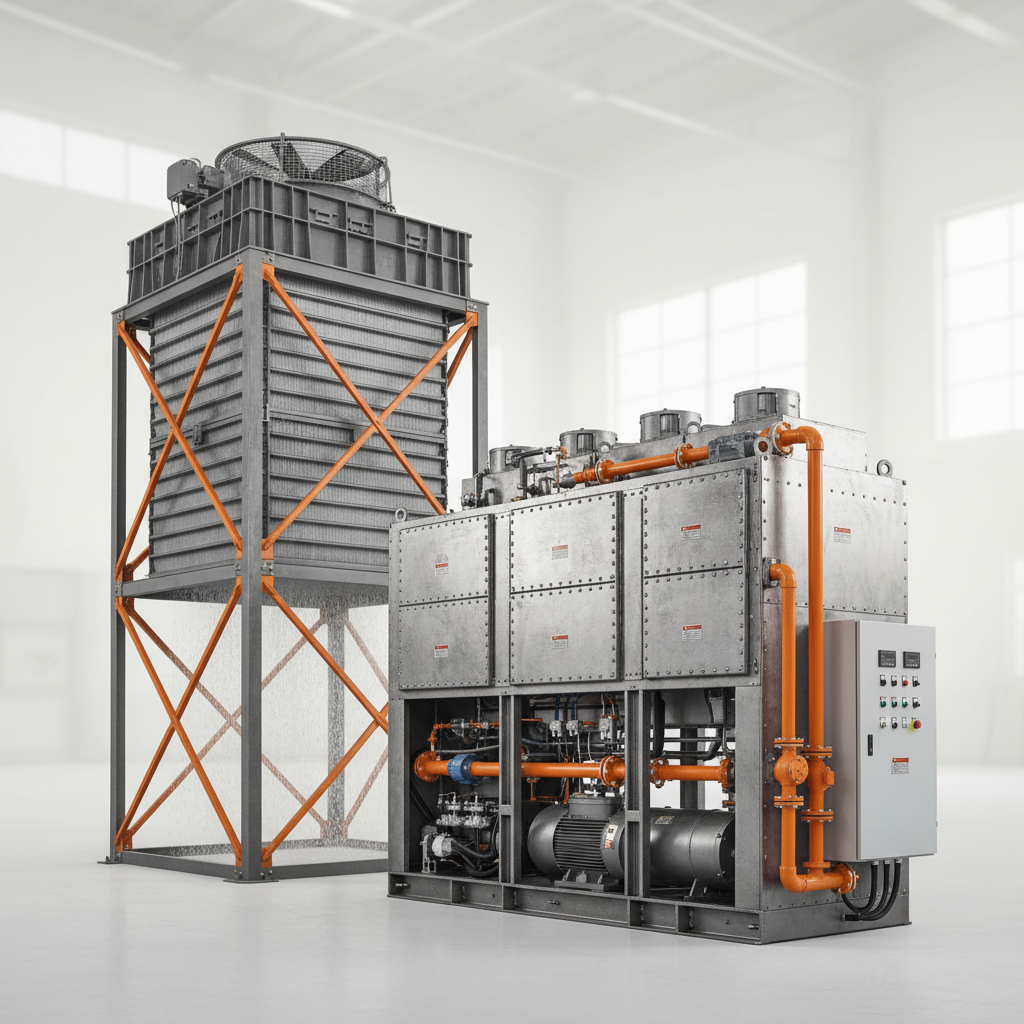
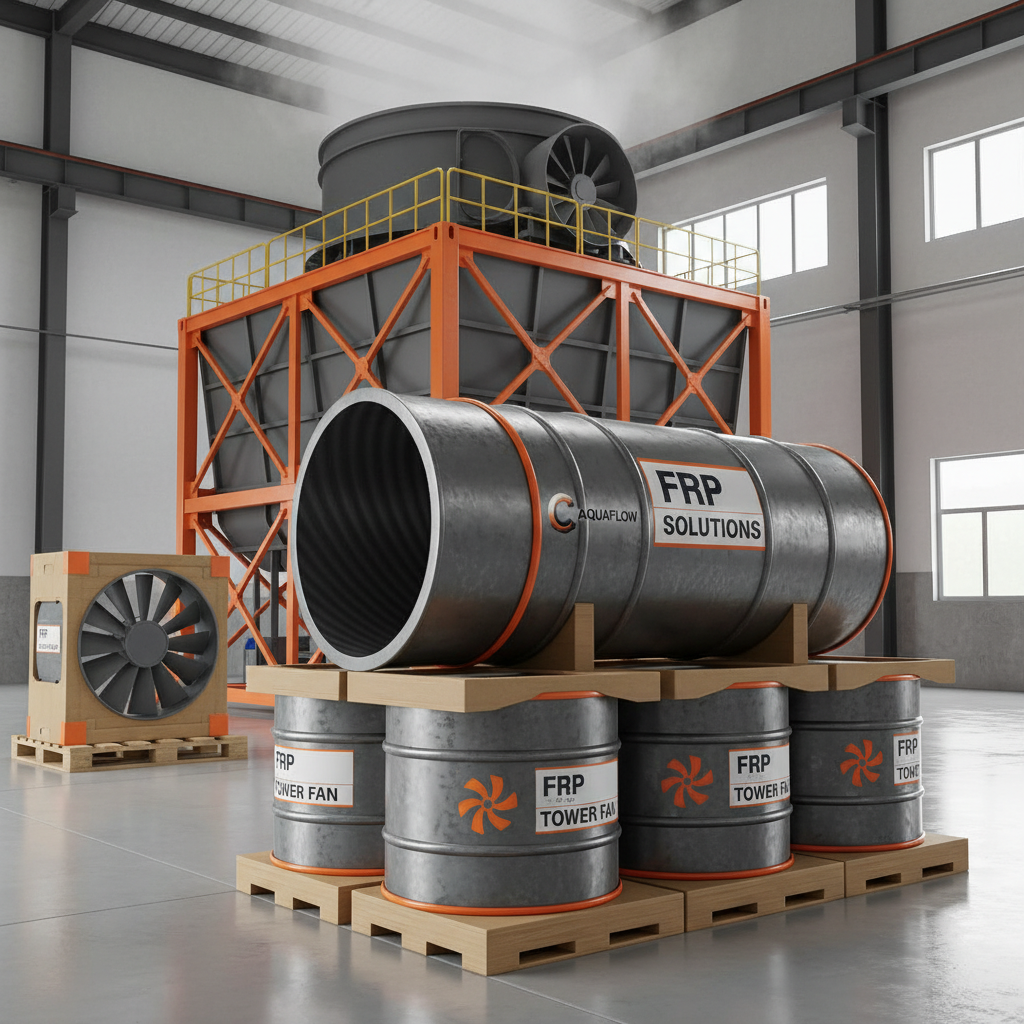
The realm of frp vessel manufacturer is critical in modern industrial applications, providing robust and corrosion-resistant solutions for a wide array of fluid storage and processing needs. From chemical processing and water treatment to oil and gas industries, these vessels play a vital role in ensuring safe and efficient operations. Understanding the nuances of their design, fabrication, and application is paramount for professionals across numerous sectors, driving innovation and cost-effectiveness in infrastructure development and resource management.
Globally, the demand for frp vessel manufacturer is escalating, driven by factors such as increasing industrialization, stringent environmental regulations, and the need for durable, lightweight materials. According to market research reports, the global fiberglass reinforced plastic (FRP) market is projected to reach significant growth in the coming years, with vessels representing a substantial portion of this expansion. This growth is particularly pronounced in emerging economies where infrastructure development is rapidly accelerating.
Choosing the right frp vessel manufacturer is crucial for project success. A competent manufacturer ensures adherence to industry standards, provides customized solutions tailored to specific application requirements, and offers ongoing support throughout the vessel's lifecycle. This commitment to quality and service minimizes risks, optimizes performance, and contributes to sustainable operational practices.
Introduction to frp vessel manufacturer
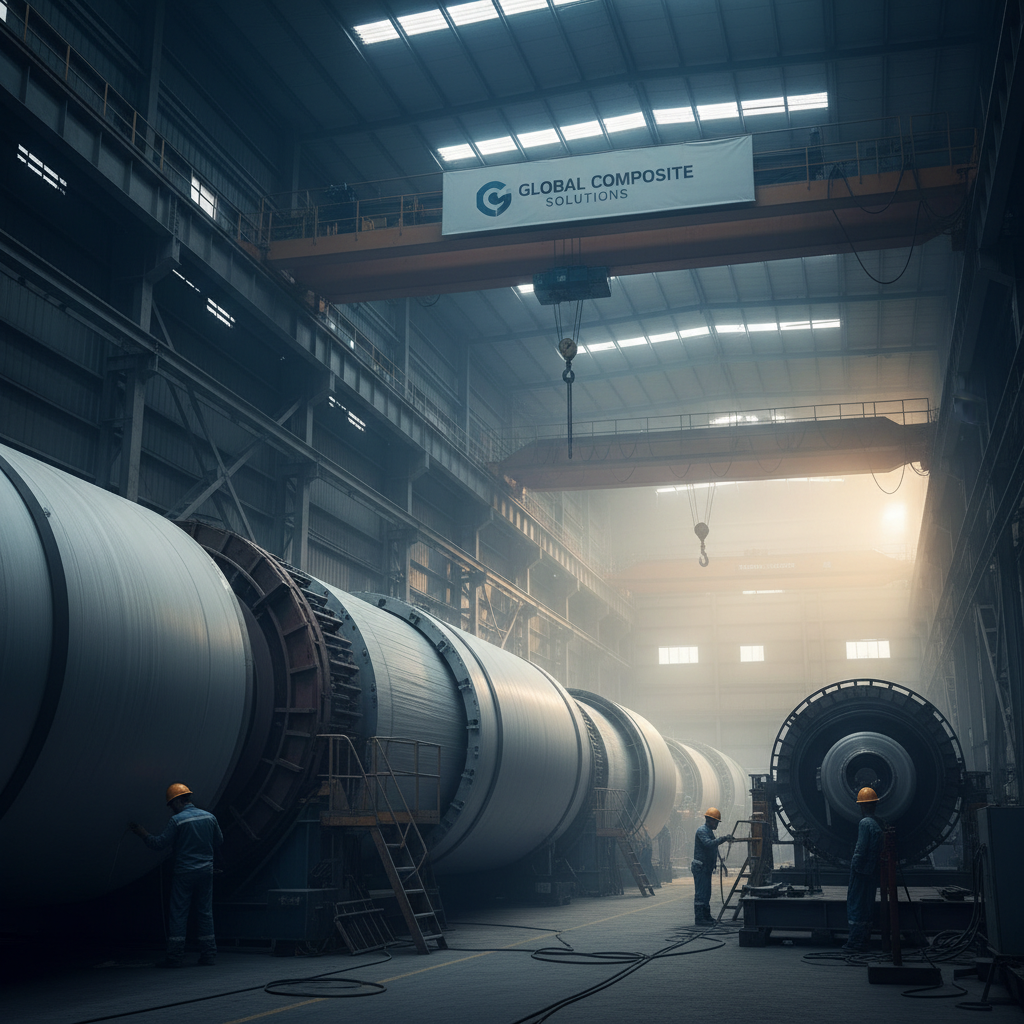
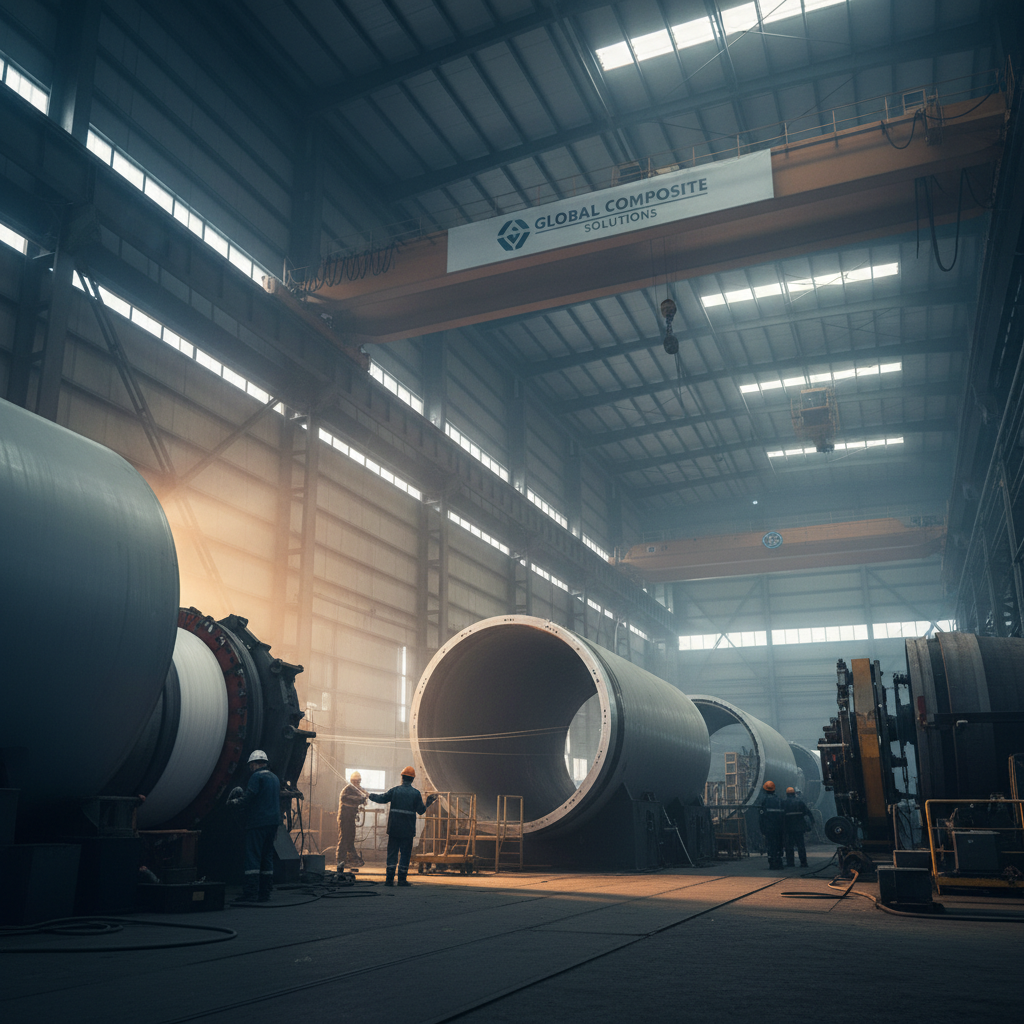
An frp vessel manufacturer specializes in the design and fabrication of vessels utilizing fiberglass reinforced plastic (FRP) materials. These manufacturers cater to a diverse clientele across industries requiring robust and corrosion-resistant storage solutions. A reputable frp vessel manufacturer will prioritize quality control, adherence to industry standards, and the ability to customize vessels to meet specific client needs.
The expertise of an frp vessel manufacturer extends beyond mere fabrication; it encompasses material selection, engineering design, and installation guidance. This holistic approach ensures that the final product not only meets performance requirements but also integrates seamlessly into the client's existing infrastructure. Selecting an experienced manufacturer can significantly impact the longevity and operational efficiency of the vessels.
Defining frp vessel manufacturer
An frp vessel manufacturer is a company dedicated to producing tanks and vessels constructed from fiberglass reinforced polymer composites. These vessels are engineered to safely contain liquids or gases, and are commonly used in applications where corrosion resistance, lightweight construction, and high strength are paramount. Unlike traditional metal vessels, FRP vessels do not rust or corrode, minimizing maintenance costs and extending operational lifespan.
The process of creating an FRP vessel involves layering fiberglass reinforcement with a polymer resin matrix, typically polyester, vinyl ester, or epoxy. This combination results in a material that is both strong and durable, capable of withstanding a wide range of temperatures, pressures, and chemical exposures. frp vessel manufacturers often work closely with clients to design vessels tailored to their unique process requirements.
In essence, frp vessel manufacturer provides solutions where conventional materials fall short. These vessels are integral components in many critical industrial processes, ensuring both safety and efficiency in various applications from water purification to chemical storage and beyond.
Key Characteristics of frp vessel manufacturer
Durability is a cornerstone of frp vessel manufacturer. The composite nature of FRP materials makes them exceptionally resistant to corrosion, chemical attack, and weathering, significantly extending the service life of the vessels compared to steel or aluminum alternatives. This durability translates into reduced maintenance costs and increased operational reliability.
Lightweight construction is another key advantage. FRP vessels are considerably lighter than comparable steel vessels, leading to reduced transportation costs, easier installation, and lower foundation requirements. This weight reduction is particularly beneficial in applications where mobility or portability is essential.
Customizability is a defining feature of working with a dedicated frp vessel manufacturer. Vessels can be designed and fabricated to specific dimensions, shapes, and configurations to perfectly suit the client’s unique process requirements. This flexibility allows for optimized performance and integration with existing systems.
Global Applications of frp vessel manufacturer
frp vessel manufacturer solutions are widely implemented across diverse industries globally. In the chemical processing industry, they provide safe and reliable storage for corrosive chemicals and acids. Water and wastewater treatment plants utilize FRP vessels for chlorine storage, pH adjustment, and biological treatment processes.
The oil and gas sector leverages FRP vessels for produced water storage, chemical injection systems, and tank linings to mitigate corrosion. Moreover, in agriculture, FRP vessels are used for fertilizer storage and pesticide mixing. Across regions like North America, Europe, and Asia-Pacific, the demand for these vessels is consistently rising.
In post-disaster relief operations, portable FRP water tanks are invaluable for providing clean drinking water to affected populations. In remote industrial zones, FRP vessels offer a cost-effective and durable solution for storing and processing essential fluids without the need for extensive infrastructure.
frp vessel manufacturer Application by Industry
Advantages & Long-Term Value of frp vessel manufacturer
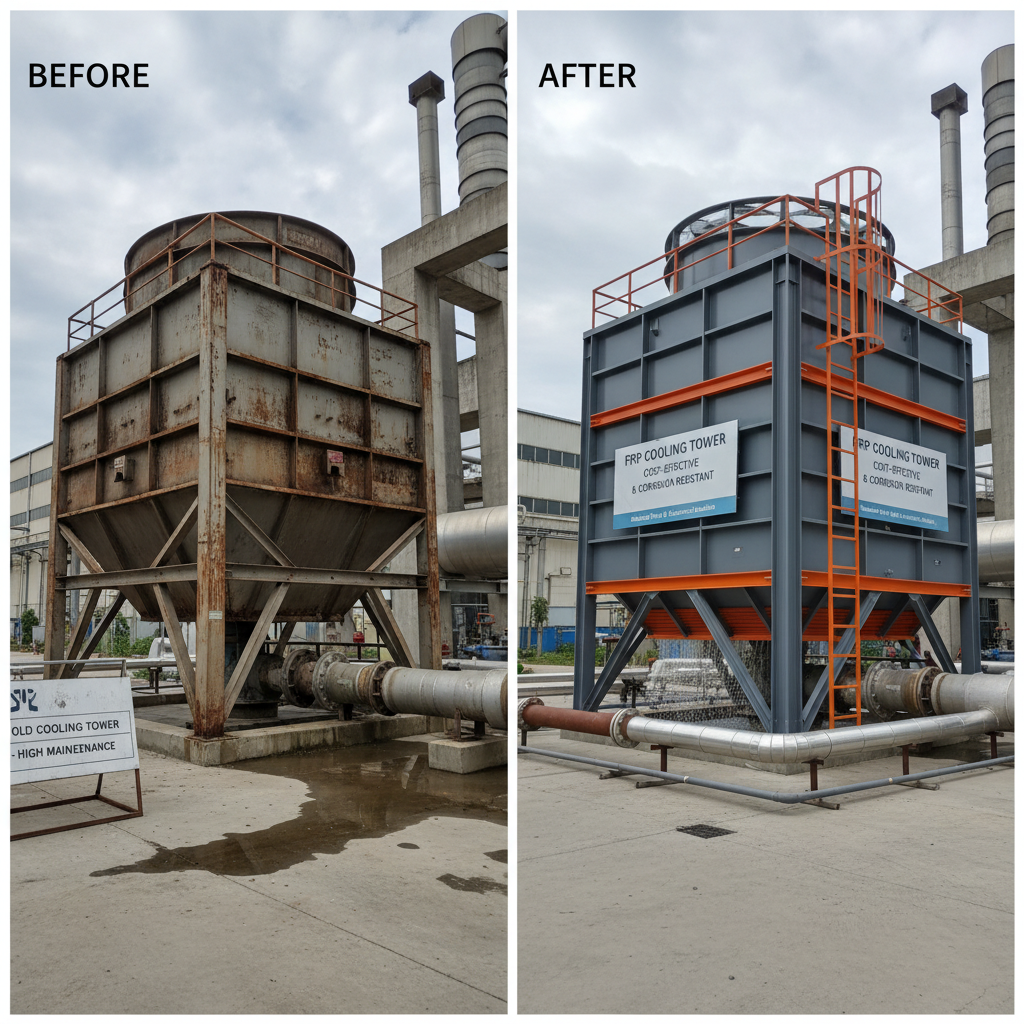
The advantages of utilizing frp vessel manufacturer are multifaceted and translate into significant long-term value. Cost savings are a primary benefit, stemming from reduced maintenance requirements, extended operational life, and minimized downtime. Unlike metal vessels prone to corrosion, FRP vessels resist degradation, lowering long-term ownership costs.
Sustainability is another crucial advantage. FRP materials are lightweight, reducing transportation energy consumption. The durability of FRP vessels minimizes the need for frequent replacements, conserving resources. Selecting a reputable frp vessel manufacturer demonstrates a commitment to environmentally responsible practices.
Future Trends in frp vessel manufacturer
The future of frp vessel manufacturer is poised for innovation, driven by advancements in materials science and manufacturing technologies. The integration of smart sensors and IoT (Internet of Things) connectivity will enable real-time monitoring of vessel performance, predictive maintenance, and enhanced process control.
Increased utilization of bio-based resins and recycled FRP materials will further enhance the sustainability profile of these vessels. Automation and robotic fabrication techniques will streamline production processes, reducing costs and improving quality. These developments collectively point towards a more efficient, sustainable, and intelligent future for the frp vessel manufacturing industry.
Challenges and Solutions in frp vessel manufacturer
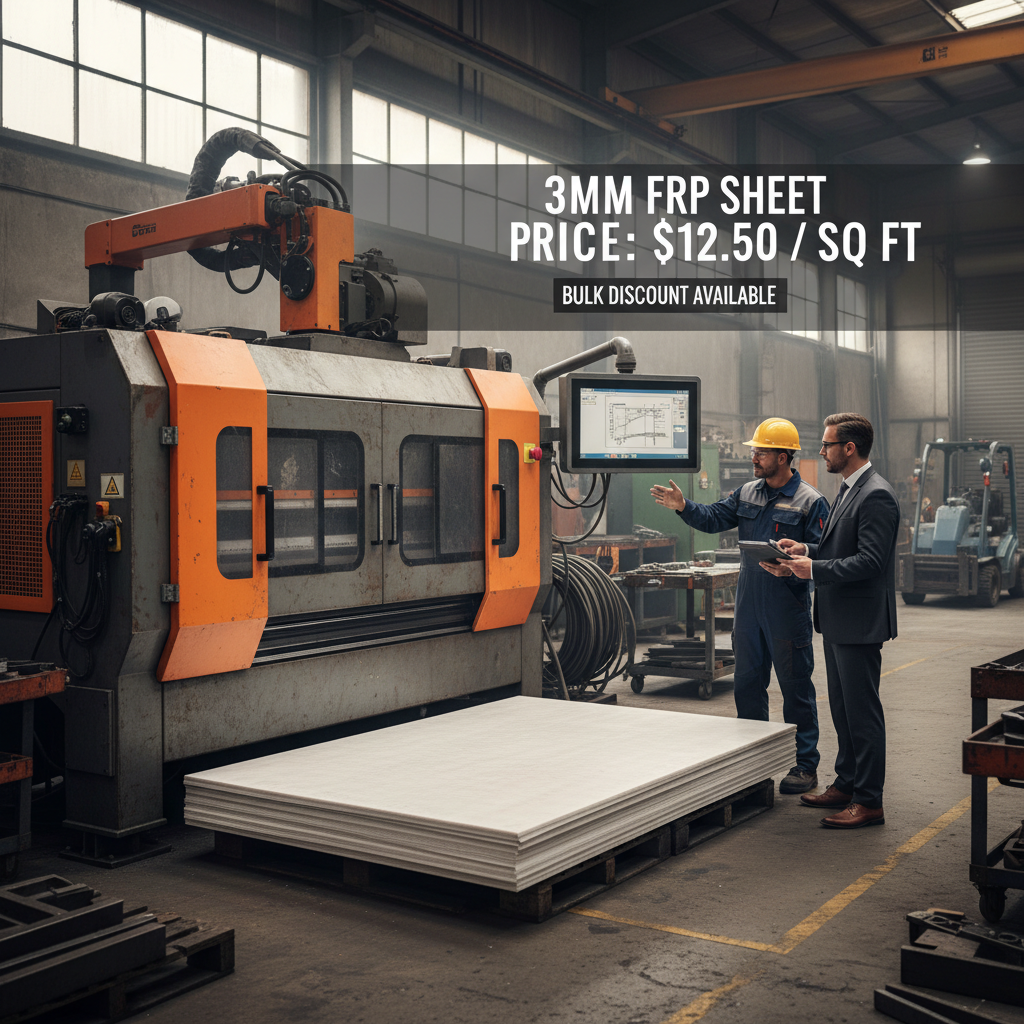
One challenge in frp vessel manufacturer is ensuring consistent quality control throughout the fabrication process. Variations in resin mixtures, fiberglass layering, and curing conditions can affect vessel performance. Implementing stringent quality management systems and utilizing advanced non-destructive testing methods are crucial solutions.
Another hurdle is addressing the recyclability of FRP materials. While FRP is incredibly durable, its end-of-life management can be complex. Ongoing research into innovative recycling technologies, such as pyrolysis and chemical depolymerization, holds promise for creating a circular economy for FRP composites.
Finally, skilled labor shortages can pose a challenge. Investing in training programs and fostering collaboration between industry and educational institutions are essential to ensure a pipeline of qualified personnel capable of designing, fabricating, and maintaining FRP vessels.
Summary of Common Challenges and Solutions in frp vessel manufacturer
| Challenge |
Impact on Operations |
Proposed Solution |
Implementation Cost (1-10) |
| Quality Control Variability |
Reduced vessel lifespan, potential failures |
Implement ISO 9001, NDT testing |
6 |
| FRP Recyclability |
Environmental impact, waste accumulation |
Invest in pyrolysis or chemical recycling |
8 |
| Skilled Labor Shortage |
Decreased fabrication quality, project delays |
Vocational training programs, industry partnerships |
5 |
| Resin Cost Fluctuations |
Increased production expenses |
Long-term supply contracts, alternative resin research |
7 |
| Design Optimization for Complex Geometries |
Fabrication challenges, increased material waste |
Advanced FEA software, expert design consultation |
4 |
| Transportation Logistics |
Shipping costs, potential damage during transit |
Optimized packaging, strategic supplier locations |
3 |
FAQS
FRP vessels offer significant advantages over steel, including superior corrosion resistance, reduced weight, lower maintenance costs, and enhanced design flexibility. Unlike steel, FRP doesn’t rust or corrode, eliminating the need for costly linings and repairs. This leads to a longer service life and reduced total cost of ownership, making them ideal for corrosive environments and demanding applications.
The choice of resin depends on the specific chemical environment and operating conditions. Polyester resins are cost-effective for general applications. Vinyl ester resins offer improved chemical resistance, particularly against acids and alkalis. Epoxy resins provide the highest level of chemical resistance and mechanical strength, making them suitable for demanding environments like high-temperature chemical processing. An experienced frp vessel manufacturer can guide you in selecting the optimal resin.
Look for manufacturers adhering to industry standards such as ASME (American Society of Mechanical Engineers) Section X for FRP tanks, ISO 9001 for quality management systems, and relevant environmental certifications. Compliance with these standards demonstrates a commitment to safety, quality, and environmental responsibility. Proper certification ensures the vessel meets the required performance criteria.
Lead times can vary depending on the size, complexity, and design specifications of the vessel. Generally, a custom FRP vessel can take between 8 to 20 weeks from order placement to delivery. Factors influencing lead time include material availability, fabrication capacity, and quality control processes. A clear understanding of your project requirements and early communication with the manufacturer can help streamline the process.
FRP vessels undergo rigorous inspection throughout the fabrication process. Common inspection methods include visual inspection for defects, thickness measurements, resin content analysis, and non-destructive testing (NDT) techniques like ultrasonic testing and radiographic inspection. These inspections verify the quality of materials, proper fabrication techniques, and structural integrity of the vessel.
With proper maintenance and operation, an FRP vessel can have a service life exceeding 50 years. The corrosion resistance of FRP materials significantly reduces the need for repairs and replacements, resulting in a long-term, cost-effective solution. Regular inspections, preventative maintenance, and adherence to operating guidelines are crucial for maximizing the lifespan of the vessel.
Conclusion
In conclusion, frp vessel manufacturer stands as a vital technology addressing critical needs across diverse industries. From providing corrosion-resistant storage for aggressive chemicals to offering lightweight solutions for remote applications, the benefits are undeniable. The combination of durability, cost-effectiveness, and design flexibility positions FRP vessels as a superior alternative to traditional materials in a growing number of scenarios.
Looking ahead, continued innovation in materials science, manufacturing processes, and recycling technologies will further enhance the value proposition of frp vessel manufacturer. By embracing these advancements and partnering with reputable manufacturers like frp vessel manufacturer, businesses can unlock the full potential of this transformative technology and build a more sustainable and efficient future.