frp water tank manufacturers are increasingly vital in addressing global water storage challenges, from providing potable water in developing nations to ensuring reliable water supplies for industrial processes. The demand for durable, cost-effective, and lightweight water storage solutions has driven significant growth in the frp (fiber-reinforced polymer) tank industry. Manufacturers specializing in these tanks play a crucial role in supplying solutions for diverse sectors, ensuring water security and supporting sustainable infrastructure development.
Globally, access to clean water remains a pressing concern. frp water tank manufacturers are stepping up to meet this demand by providing reliable storage solutions tailored to various environments and applications. These tanks are particularly beneficial in areas with limited infrastructure or harsh climatic conditions, offering a superior alternative to traditional materials like steel or concrete due to their corrosion resistance and extended lifespan.
The ability of frp water tank manufacturers to customize solutions, combined with the material’s inherent advantages, is driving innovation in water management. As populations grow and climate change intensifies water scarcity, the demand for robust and efficient water storage systems will only continue to rise, making frp tank manufacturing a critical industry for the future.
Introduction to frp water tank manufacturers
frp water tank manufacturers are specialized companies dedicated to the design, production, and distribution of water storage tanks constructed from fiber-reinforced polymer materials. They cater to a diverse range of clients, including municipalities, industrial facilities, agricultural operations, and humanitarian organizations. These manufacturers are vital for providing durable, lightweight, and corrosion-resistant solutions for water storage needs.
The expertise of frp water tank manufacturers lies in combining various resin systems (like polyester, vinyl ester, or epoxy) with reinforcing fibers (such as fiberglass, carbon fiber, or aramid fiber) to create tanks tailored to specific application requirements. This customization is a key differentiator compared to traditional tank materials, allowing for optimal performance and longevity in challenging environments.
The Global Importance of frp Water Storage
The need for safe and reliable water storage is a global imperative. According to the UN, billions of people lack access to clean, readily available water. frp water tank manufacturers are playing a crucial role in addressing this issue, particularly in regions facing water scarcity, rapid population growth, and limited infrastructure. The tanks provide a means to store rainwater, treated water, or water sourced from wells, ensuring a consistent supply for communities and industries.
The World Bank estimates that investments in water infrastructure need to increase significantly to meet future demands. frp tanks represent a sustainable and cost-effective solution, offering a longer lifespan and lower maintenance costs compared to traditional materials. Their lightweight nature also reduces transportation costs and simplifies installation, making them particularly attractive for remote locations.
ISO standards related to water quality and tank construction emphasize the importance of using materials that do not leach harmful chemicals into the water supply. frp materials, when properly manufactured, meet these stringent requirements, ensuring the safety and potability of stored water. This commitment to quality is a hallmark of reputable frp water tank manufacturers.
Defining frp Water Tank Manufacturers
frp water tank manufacturers are companies specializing in the fabrication of tanks using fiber-reinforced polymer composites. These tanks are not built from a single material but rather a combination of resin (the binder) and reinforcing fibers (providing strength). The specific combination determines the tank's properties, such as chemical resistance, temperature tolerance, and structural integrity.
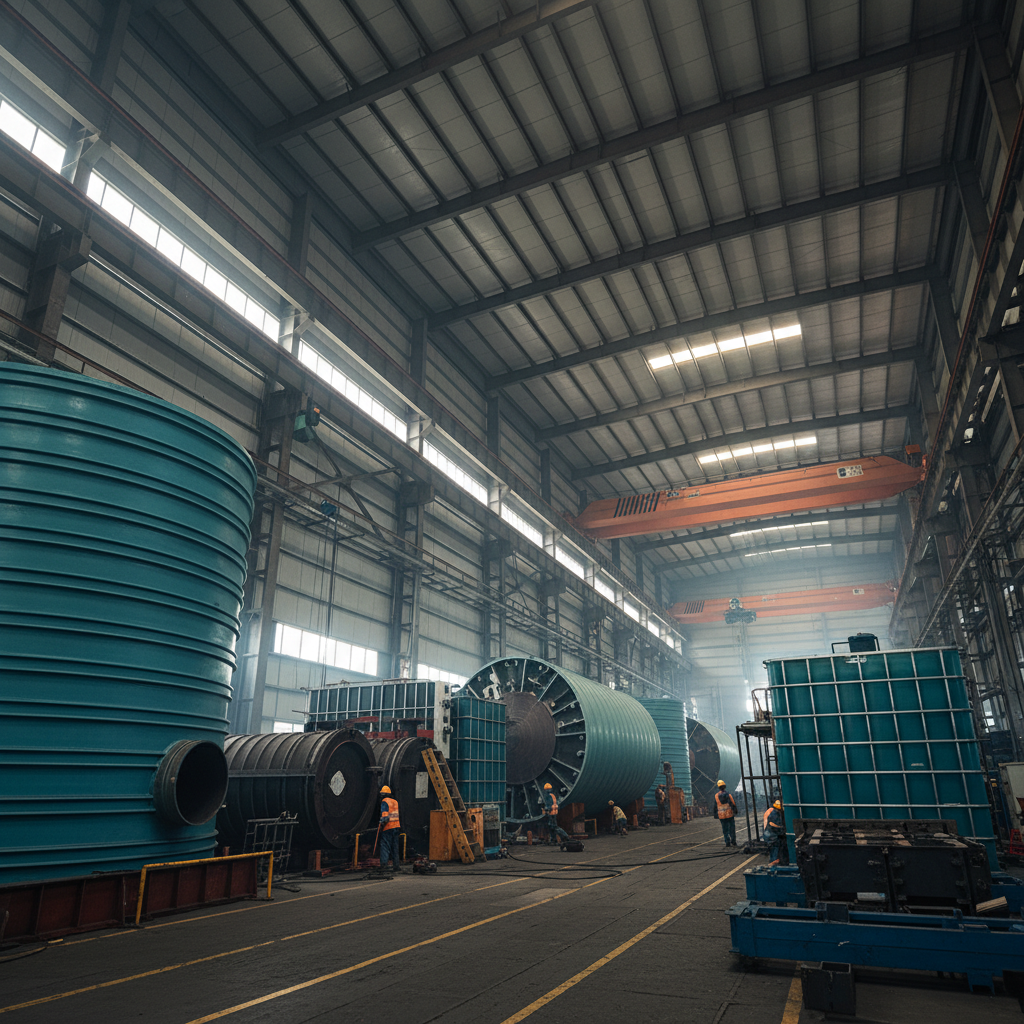
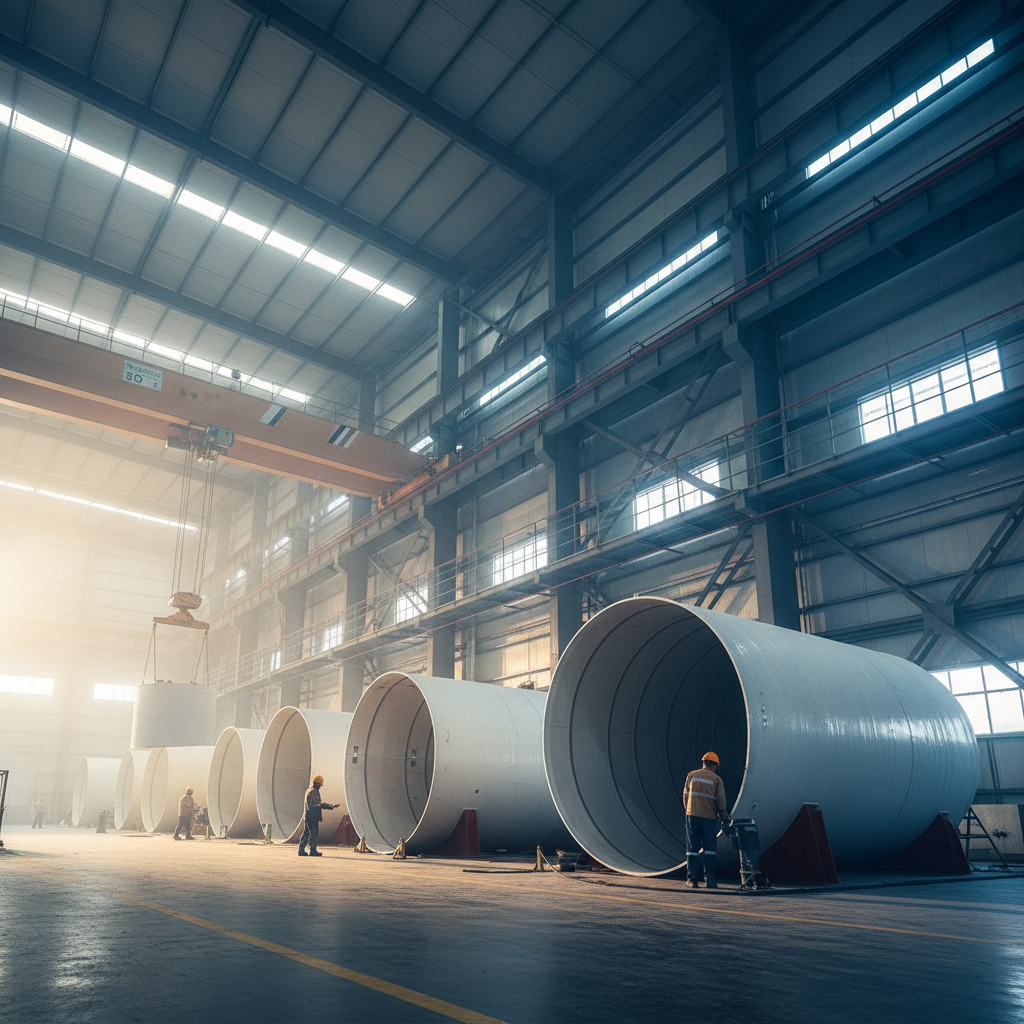
Unlike traditional metal tanks prone to corrosion, or concrete tanks susceptible to cracking, frp tanks are inherently corrosion-resistant and lightweight. Manufacturers employ various fabrication techniques, including filament winding, hand lay-up, and spray-up molding, to create tanks of varying sizes and shapes, tailored to specific customer needs.
These manufacturers provide a complete solution, often including design assistance, installation guidance, and ongoing maintenance support. Their expertise extends beyond material selection to encompass regulatory compliance, ensuring that the tanks meet relevant safety and environmental standards.
Key Advantages of frp Water Tanks
frp water tanks offer a compelling set of advantages over traditional materials. First and foremost is their exceptional corrosion resistance, eliminating the need for costly linings and reducing maintenance requirements. This is particularly crucial in environments with aggressive water chemistry or exposure to harsh weather conditions.
Their lightweight nature significantly reduces transportation and installation costs, especially for large-capacity tanks. The ease of handling also simplifies installation processes, minimizing downtime and labor expenses.
frp Water Tank Manufacturers: Advantage Comparison
Real-World Applications of frp Water Tanks
frp water tanks find applications across a broad spectrum of industries. In agriculture, they are used for irrigation water storage, fertilizer mixing, and livestock watering. Industrial facilities utilize them for process water, chemical storage, and wastewater treatment. Municipalities rely on them for potable water storage, fire suppression systems, and sewage treatment.
In post-disaster relief operations, frp tanks provide a rapid and reliable source of clean water to affected communities. Their portability and ease of installation make them ideal for emergency situations. In remote industrial zones, where access to traditional materials and skilled labor is limited, frp tanks offer a viable and cost-effective solution.
Long-Term Value and Benefits
Investing in frp water tanks delivers significant long-term value. The reduced maintenance costs, coupled with the extended lifespan (often exceeding 50 years), translate into substantial savings over time. The corrosion resistance eliminates the need for expensive repairs and replacements, minimizing operational disruptions.
Beyond the economic benefits, frp tanks contribute to sustainability by reducing resource consumption and minimizing environmental impact. Their lightweight nature lowers transportation emissions, and the materials can often be recycled at the end of their service life. The reliable water storage they provide enhances public health and supports economic development.
Future Trends and Innovations in frp Tank Manufacturing
The frp water tank manufacturing industry is continuously evolving. Ongoing research focuses on developing new resin systems with enhanced properties, such as improved UV resistance and higher temperature tolerance. The integration of smart sensors and digital monitoring systems allows for real-time data collection and predictive maintenance.
Automation in the manufacturing process is increasing efficiency and reducing production costs. The adoption of sustainable materials, such as bio-based resins, is gaining traction, further minimizing the environmental footprint of frp tanks. The convergence of digital technologies and advanced materials promises a future of smarter, more durable, and sustainable water storage solutions.
Collaboration between frp water tank manufacturers, research institutions, and end-users is driving innovation and accelerating the adoption of new technologies. This collaborative approach ensures that frp tanks continue to meet the evolving needs of a world facing increasing water challenges.
Summary of Key Factors Influencing frp Water Tank Manufacturing Performance
| Resin Type |
Fiber Reinforcement |
Manufacturing Process |
Application Specifics |
| Polyester Resin |
Fiberglass |
Hand Lay-Up |
General Water Storage (Rating: 6) |
| Vinyl Ester Resin |
Fiberglass |
Filament Winding |
Chemical Storage (Rating: 8) |
| Epoxy Resin |
Carbon Fiber |
Automated Spray-Up |
High-Pressure Applications (Rating: 9) |
| Polyester Blend |
Aramid Fiber |
Vacuum Infusion |
Large Volume Storage (Rating: 7) |
| Vinyl Ester Modified |
Hybrid Fiber (Glass/Carbon) |
Resin Transfer Molding |
Potable Water Storage (Rating: 9) |
| Epoxy Novolac |
High-Strength Fiberglass |
Filament Winding with Automation |
Extreme Chemical Resistance (Rating: 10) |
FAQS
A properly designed and manufactured frp water tank can have a lifespan exceeding 50 years, often surpassing the longevity of traditional materials like steel or concrete. This extended lifespan is attributed to the inherent corrosion resistance of frp, eliminating the need for frequent repairs or replacements. Regular inspections and maintenance, as recommended by the manufacturer, are crucial for maximizing the tank’s service life.
While the initial cost of an frp water tank may sometimes be higher than a steel tank, the total cost of ownership is often lower. This is due to the significantly reduced maintenance requirements and the longer lifespan of frp tanks. Steel tanks require regular painting and corrosion protection, which adds to the long-term expense. The lightweight nature of frp also reduces installation costs.
Yes, frp water tanks are widely used for storing potable water. However, it is crucial to ensure that the tank is manufactured using resins and materials that are certified for potable water contact, meeting standards set by organizations like NSF International. Reputable frp water tank manufacturers will provide documentation confirming the suitability of their tanks for drinking water applications.
Commonly used resins include polyester, vinyl ester, and epoxy. Polyester resins are generally the most cost-effective but offer lower chemical resistance. Vinyl ester resins provide improved chemical resistance and are often used for storing a wider range of liquids. Epoxy resins offer the highest level of chemical resistance and structural strength, making them suitable for demanding applications.
Yes, frp water tanks can be highly customized to meet specific customer requirements. Manufacturers can adjust the tank’s dimensions, shape, and fittings to fit available space and application needs. The ability to customize tanks is a key advantage of frp technology, providing flexibility that is often not possible with traditional materials.
frp water tanks generally require minimal maintenance. Regular visual inspections are recommended to check for any signs of damage or leaks. Periodic cleaning to remove sediment buildup is also advisable. Unlike steel tanks, frp tanks do not require painting or corrosion protection. Proper installation and adherence to the manufacturer’s guidelines are essential for long-term performance.
Conclusion
frp water tank manufacturers are at the forefront of addressing global water storage challenges, providing durable, cost-effective, and sustainable solutions for a wide range of applications. Their innovative use of materials and manufacturing techniques ensures reliable water supplies, supports economic development, and protects public health. The benefits of frp tanks – corrosion resistance, lightweight construction, and long lifespan – make them an increasingly preferred choice over traditional materials.
Looking ahead, continued innovation in resin technology, automation, and smart monitoring systems will further enhance the performance and efficiency of frp water tanks. Choosing a reputable frp water tank manufacturers is crucial to ensure that your water storage solution meets the highest standards of quality and reliability. Visit our website to learn more about our range of frp tank solutions and how we can help you address your water storage needs.