head_nav
head_logo
suosou
lang
close

We Are Open 24 Hours a Day, 7 Days a Week, Including Weekends and Public Holidays.

lang
0%

Table of Contents

Fiber reinforced polymer types represent a revolutionary advancement in material science, offering a unique combination of high strength, lightweight properties, and corrosion resistance. These materials, created by embedding reinforcing fibers within a polymer matrix, are increasingly vital across diverse industries, from aerospace and automotive to construction and marine engineering. Understanding the different types of fiber reinforced polymers, their properties, and applications is crucial for engineers, designers, and policymakers alike, driving innovation and sustainable solutions in a rapidly changing world.

The global demand for high-performance materials is surging, fueled by the need for lighter, stronger, and more durable products. Traditional materials like steel and aluminum often fall short in meeting these demands, leading to a growing adoption of fiber reinforced polymer types. According to a report by Grand View Research, the global fiber reinforced polymer composites market size was valued at USD 95.49 billion in 2022 and is expected to grow at a compound annual growth rate (CAGR) of 12.3% from 2023 to 2030. This substantial growth highlights the significance of these materials in addressing critical challenges in various sectors.

The increasing focus on sustainability and reducing carbon footprints further boosts the relevance of fiber reinforced polymer types. Their lightweight nature contributes to fuel efficiency in transportation, while their durability minimizes the need for frequent replacements, reducing waste. They offer a viable solution for industries striving to meet stringent environmental regulations and embrace circular economy principles.
Exploring Diverse Fiber Reinforced Polymer Types and Their Applications

Introduction to fiber reinforced polymer types

Exploring Diverse Fiber Reinforced Polymer Types and Their Applications

The world of materials science is constantly evolving, and fiber reinforced polymer types are at the forefront of this innovation. These composite materials combine the strength and stiffness of fibers – like glass, carbon, or aramid – with the versatility and workability of a polymer matrix, resulting in materials with exceptional properties tailored to specific applications. This synergy is transforming industries worldwide, enabling the creation of lighter, stronger, and more durable products.

Beyond their technical prowess, fiber reinforced polymer types play a vital role in addressing global challenges. From reducing fuel consumption in transportation to enhancing the resilience of infrastructure in disaster-prone areas, these materials offer sustainable solutions that contribute to a better future. Their versatility makes them adaptable to a wide array of needs, continually expanding their sphere of influence.

Defining Fiber Reinforced Polymer Types

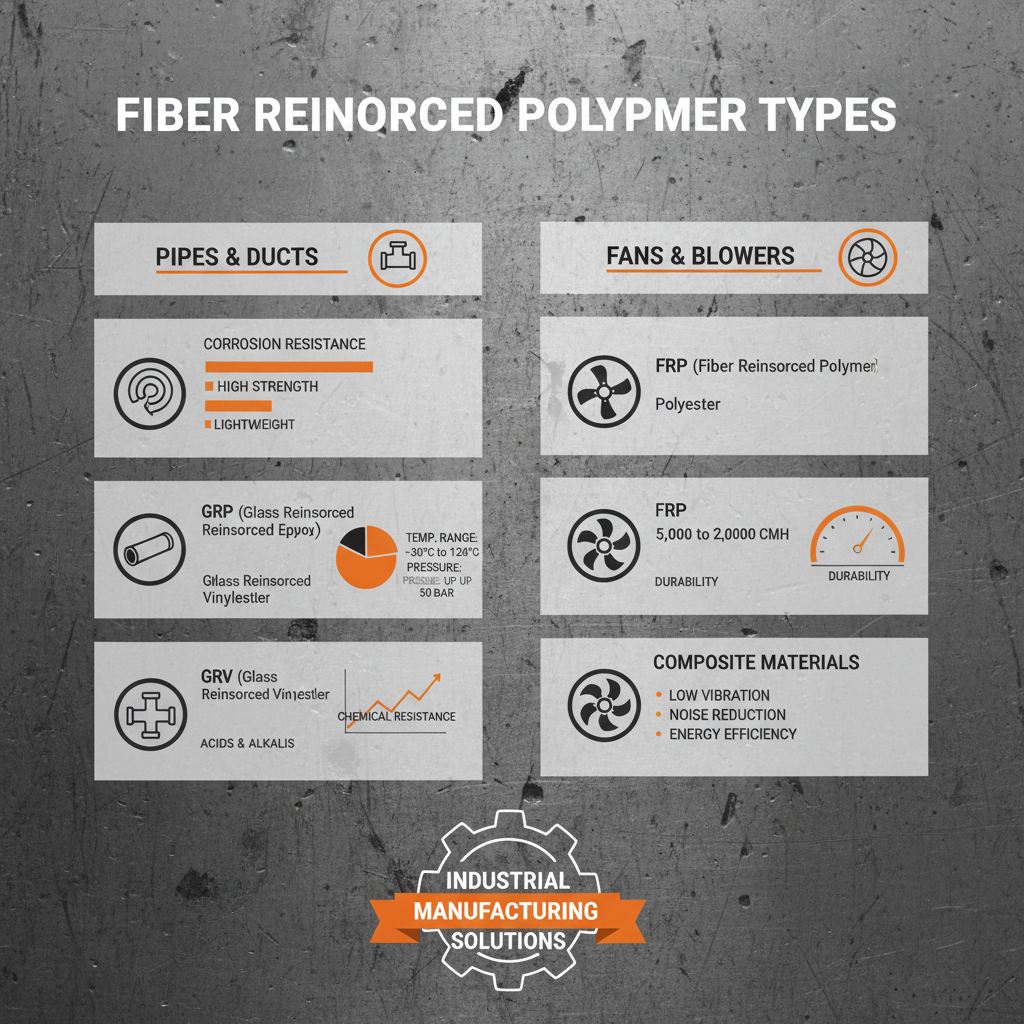
Fiber reinforced polymer types, often abbreviated as FRP, are composite materials made up of two primary components: reinforcing fibers and a polymer matrix. The fibers provide the strength and stiffness, while the polymer matrix binds the fibers together, distributes load, and protects them from environmental damage. This combination results in a material with superior mechanical properties compared to either component alone. fiber reinforced polymer types encompass a broad spectrum of materials, varying based on the type of fiber, polymer, and manufacturing process used.

The connection to modern industry is undeniable. FRPs are pivotal in the aerospace industry for lightweight aircraft components, in the automotive sector for fuel-efficient vehicles, and in the construction industry for durable and corrosion-resistant structures. They’re also increasingly being utilized in renewable energy applications, such as wind turbine blades, showcasing their adaptability and relevance in the pursuit of sustainable technologies.

In humanitarian contexts, FRPs are making a significant impact through the development of rapid-deployment shelters, durable infrastructure for disaster relief, and portable water purification systems. Their lightweight nature facilitates easy transportation to remote or affected areas, while their resilience ensures long-lasting solutions for those in need.

Key Characteristics of fiber reinforced polymer types

One of the most defining characteristics of fiber reinforced polymer types is their high strength-to-weight ratio. Compared to traditional materials like steel, FRPs offer comparable or superior strength at a significantly lower weight. This property is critical in applications where weight reduction is paramount, such as aerospace and automotive engineering.

Corrosion resistance is another key advantage of fiber reinforced polymer types. Unlike metals, FRPs do not rust or corrode, making them ideal for use in harsh environments, such as marine applications and chemical processing plants. This longevity translates to reduced maintenance costs and extended service life.

Design flexibility is a significant benefit, as FRPs can be molded into complex shapes and customized to meet specific requirements. This allows for greater freedom in product design and optimization, leading to innovative solutions tailored to unique challenges. Furthermore, their thermal and electrical insulating properties make them suitable for a wide range of specialized applications.

Practical Applications of fiber reinforced polymer types

The applications of fiber reinforced polymer types are incredibly diverse. In the aerospace industry, they’re used extensively in aircraft wings, fuselages, and interior components to reduce weight and improve fuel efficiency. The automotive sector employs FRPs in body panels, bumpers, and structural parts, contributing to lighter and safer vehicles.

Construction utilizes FRPs for reinforcing concrete structures, creating corrosion-resistant bridges and buildings, and manufacturing lightweight cladding panels. Marine applications benefit from FRPs’ corrosion resistance in boat hulls, decks, and marine infrastructure. In remote industrial zones, like offshore oil rigs, FRP's durability and low maintenance make them ideal for pipelines, storage tanks, and structural supports.

Application Preference of fiber reinforced polymer types


Advantages and Long-Term Value of fiber reinforced polymer types

The benefits of utilizing fiber reinforced polymer types extend beyond their immediate performance characteristics. Cost savings are realized through reduced maintenance, extended service life, and decreased fuel consumption. The inherent durability of FRPs minimizes the need for frequent repairs or replacements, leading to long-term economic advantages.

Sustainability is a key driver, as FRPs contribute to a lower carbon footprint through weight reduction and resource efficiency. The use of recycled fibers and bio-based polymers is further enhancing the environmental profile of these materials. They also offer enhanced safety and reliability in critical applications, providing peace of mind and minimizing potential risks.

Future Trends in fiber reinforced polymer types

The future of fiber reinforced polymer types is bright, with ongoing research and development pushing the boundaries of what's possible. We’re seeing increased adoption of nanomaterials to enhance strength and toughness, as well as the development of self-healing polymers that can repair damage automatically. The integration of digital technologies, such as machine learning and AI, is optimizing material design and manufacturing processes.

The move towards bio-based polymers and recyclable fibers is gaining momentum, driving the development of more sustainable FRP solutions. The potential for large-scale 3D printing of FRP structures is also on the horizon, promising to revolutionize manufacturing and customization.

These innovations align with broader trends like green energy, digital transformation, and the circular economy, positioning fiber reinforced polymer types as essential materials for a sustainable future.

Challenges and Solutions in fiber reinforced polymer types

Despite their many advantages, fiber reinforced polymer types face certain challenges. One key issue is the relatively high initial cost compared to traditional materials, although this is often offset by long-term savings. Another challenge is the complexity of manufacturing processes, requiring specialized expertise and equipment.

Solutions are emerging through advancements in automated manufacturing techniques, the development of more cost-effective materials, and the standardization of design and analysis methods. Research into recycling technologies is also crucial for closing the loop and promoting sustainability. Collaboration between industry, academia, and government is key to overcoming these hurdles and unlocking the full potential of fiber reinforced polymer types.

Addressing these challenges will pave the way for wider adoption of FRPs, enabling their integration into a broader range of applications and contributing to a more sustainable and resilient future.

Summary of Key Challenges and Solutions for Fiber Reinforced Polymer Types

Challenge Impact Level (1-10) Potential Solutions Implementation Difficulty (1-10)
High Initial Cost 7 Automated Manufacturing, Value Engineering 5
Manufacturing Complexity 8 Standardized Processes, Advanced Robotics 6
Recycling Challenges 9 Chemical Recycling, Thermal Decomposition 7
Long-Term Durability Data 6 Accelerated Aging Studies, Real-World Monitoring 4
Design and Analysis Expertise 7 Improved Software Tools, Training Programs 5
Limited Public Awareness 5 Industry Outreach, Educational Campaigns 3

FAQS

What are the primary differences between glass fiber and carbon fiber reinforced polymers?

Glass fiber reinforced polymers (GFRP) are generally more cost-effective and offer good strength, while carbon fiber reinforced polymers (CFRP) are significantly lighter and stiffer, providing superior performance. CFRPs are typically used in high-performance applications where weight is critical, such as aerospace and motorsport, while GFRPs are common in construction and marine industries. The choice depends on the balance between cost and performance requirements.

How does the manufacturing process impact the properties of fiber reinforced polymer types?

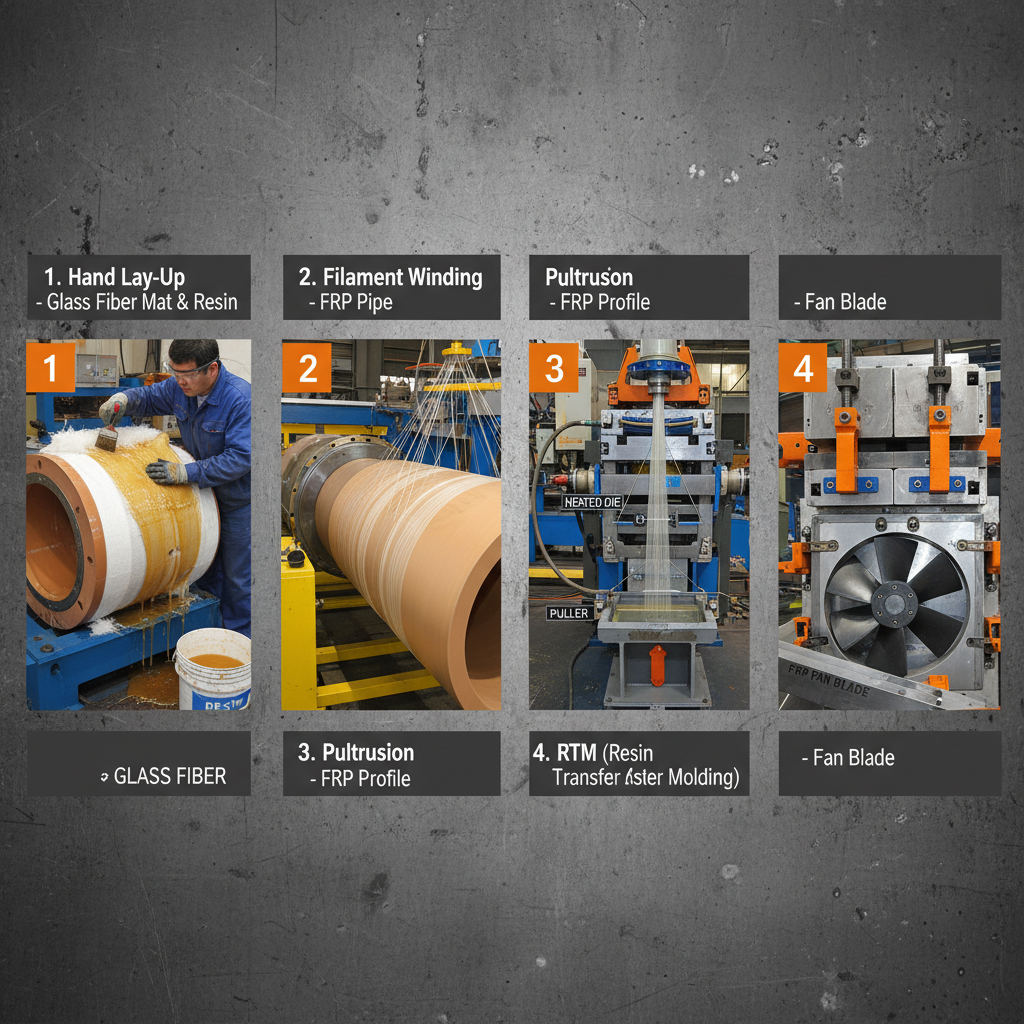
The manufacturing process profoundly impacts the properties of FRPs. Techniques like hand lay-up, resin transfer molding (RTM), and pultrusion influence fiber alignment, resin content, and void formation. Proper control of these factors is crucial for achieving desired mechanical properties and ensuring consistent quality. For example, pultrusion generally produces higher fiber volume fractions and better alignment, resulting in superior strength.

What are the environmental considerations surrounding the production and disposal of fiber reinforced polymer types?

The production of FRPs can have environmental impacts due to energy consumption and the use of fossil fuel-based resins. However, ongoing research is focused on developing bio-based resins and recycling technologies. Disposal of FRP waste is a significant challenge, as they are not easily biodegradable. Developing efficient recycling methods, such as pyrolysis and solvolysis, is critical for minimizing environmental impact and promoting sustainability.

How can fiber reinforced polymer types be used to improve the sustainability of infrastructure projects?

FRPs can significantly enhance the sustainability of infrastructure projects through several mechanisms. Their corrosion resistance reduces the need for frequent repairs and replacements, extending service life and minimizing lifecycle costs. Their lightweight nature reduces transportation costs and carbon emissions. Furthermore, the use of recycled fibers and bio-based polymers can further reduce the environmental footprint of infrastructure development.

What safety precautions are necessary when working with fiber reinforced polymer types?

Working with FRPs requires adherence to specific safety precautions. Fiber dust generated during cutting or machining can be irritating to the skin and respiratory system, necessitating the use of respirators and protective clothing. Resins can also cause skin irritation, requiring gloves and eye protection. Proper ventilation is essential when working with resins and hardeners. Always follow the manufacturer's safety guidelines.

What is the expected lifespan of structures reinforced with fiber reinforced polymer types?

The lifespan of structures reinforced with fiber reinforced polymer types can be significantly longer than those using traditional materials, often exceeding 50-100 years. Their corrosion resistance and high durability contribute to this extended service life. However, the actual lifespan depends on various factors, including the specific FRP type, environmental conditions, loading conditions, and the quality of installation. Regular inspection and maintenance are crucial for maximizing longevity.

Conclusion

In conclusion, fiber reinforced polymer types represent a groundbreaking advancement in materials science, offering a compelling combination of strength, lightweight properties, durability, and design flexibility. Their diverse applications across industries, from aerospace to construction, are driving innovation and addressing critical global challenges. The inherent advantages of FRPs – reduced weight, corrosion resistance, and extended service life – contribute to cost savings, sustainability, and enhanced safety.

Looking ahead, continued research and development will further unlock the potential of these materials. The adoption of bio-based polymers, advanced recycling technologies, and automated manufacturing processes will pave the way for a more sustainable and circular future. To learn more about the transformative power of fiber reinforced polymer types and explore potential solutions for your specific needs, visit our website at www.hlfrp.com.
Charles Wilson

Charles Wilson

Charles Wilson is the Logistics and Export Manager at Hebei Longxuan. He manages the complex process of international shipping and logistics, ensuring timely and cost-effective delivery of our FRP products to clients across North America. Charles has over 12 years of experience in supply chain management and a comprehensive understanding
Previous Advancing Global Housing Solutions with Innovative frp type Technology
Next Understanding FRP Walkway Price Factors and Long Term Value Proposition
Can't Find The Products And Services You Need?
If you need our help,
Our staff will be happy to help and answer your questions!
 Factory Processing
Factory Processing
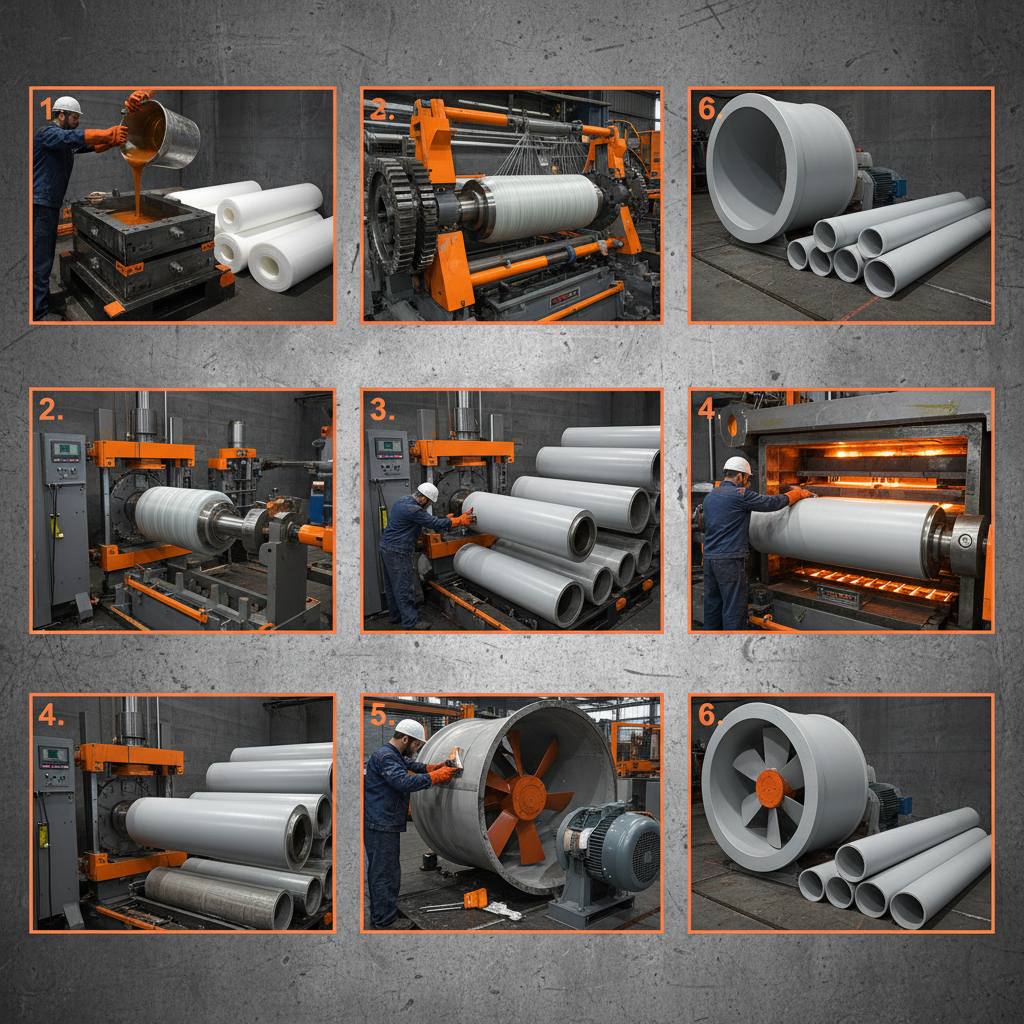
The factory processes raw materials into finished products using advanced machinery and skilled labor.
 Build Synergy
Build Synergy
We provide collaborative services tailored to client needs, ensuring seamless communication and mutual growth.
 Global Supply
Global Supply
Our innovative products are bestsellers worldwide, celebrated for their exceptional quality, reliability, and global appeal.
 Global Supply
Global Supply
We ensure consistent product availability through a reliable and efficient global supply network.

Address

20 Xingyuan South Street, Zaoqiang County, Hengshui City, Hebei Province, China

If you are interested in our products, you can choose to leave your information here, and we will be in touch with you shortly.