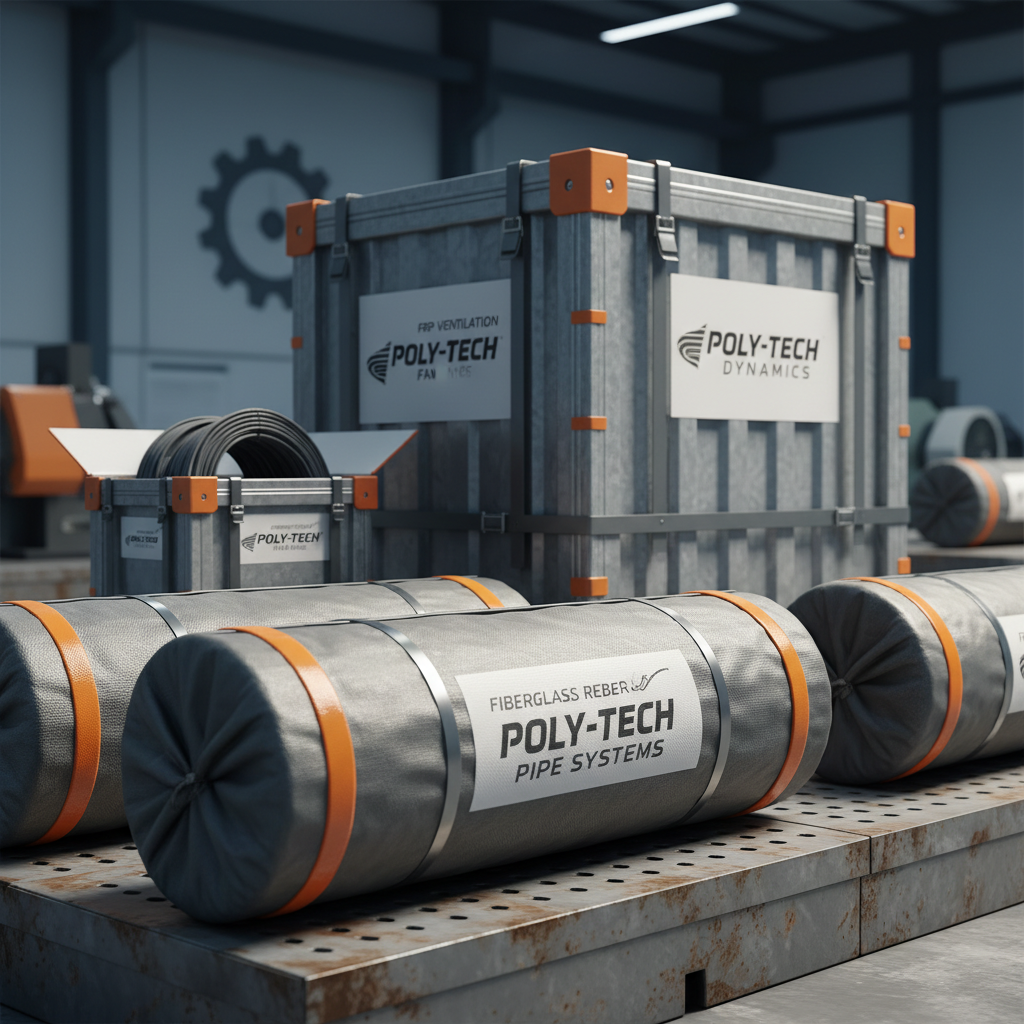
frp building material represents a revolutionary advancement in construction and disaster relief, offering unparalleled speed, durability, and cost-effectiveness. Its application is rapidly expanding globally, driven by a growing need for sustainable and resilient infrastructure solutions. Understanding the nuances of this material is critical for architects, engineers, aid organizations, and policymakers alike, as it promises to reshape how we build and respond to challenges worldwide.
The increasing frequency and intensity of natural disasters, coupled with the pressing demand for affordable housing and rapid infrastructure development, have propelled frp building material to the forefront of innovation. It addresses critical shortcomings of traditional construction methods, offering a lighter, stronger, and more versatile alternative. This technology is not merely about building structures; it’s about fostering safer, more sustainable, and more equitable communities.
From emergency shelters to permanent housing and critical infrastructure projects, frp building material is demonstrating its capacity to deliver rapid and reliable solutions. Its inherent advantages – including corrosion resistance, high strength-to-weight ratio, and ease of assembly – are making it an increasingly attractive option in diverse environments and challenging conditions.
Introduction to frp building material
frp building material is transforming the construction landscape, offering a sustainable and efficient alternative to traditional methods. It is characterized by its modular design, rapid assembly, and exceptional structural integrity. The demand for frp building material is growing as communities seek resilient infrastructure solutions capable of withstanding extreme weather events and addressing urgent housing needs.
This innovative approach to building relies on prefabricated components, significantly reducing on-site construction time and labor costs. Furthermore, the lightweight nature of the material simplifies transportation and installation, even in remote or challenging locations. It’s a solution designed for both immediate impact and long-term sustainability.
Global Relevance and Applications
The global demand for affordable and sustainable housing is escalating rapidly, particularly in developing nations and areas impacted by displacement due to conflict or natural disasters. The United Nations estimates that over 1.6 billion people worldwide lack adequate housing, a statistic that underscores the urgent need for innovative construction solutions. frp building material offers a viable path towards addressing this critical issue.
The World Bank actively supports initiatives that promote resilient infrastructure, recognizing the crucial link between stable housing and economic development. frp building material aligns with these goals by providing a cost-effective and durable alternative to conventional construction. Its adaptability allows for customized designs tailored to specific regional needs and environmental conditions.
From emergency response shelters following earthquakes and hurricanes to permanent housing solutions in rapidly urbanizing areas, the applications of frp building material are diverse and far-reaching. ISO standards are increasingly incorporating guidelines for the safe and effective use of these materials, further validating their reliability and quality.
Defining frp building material
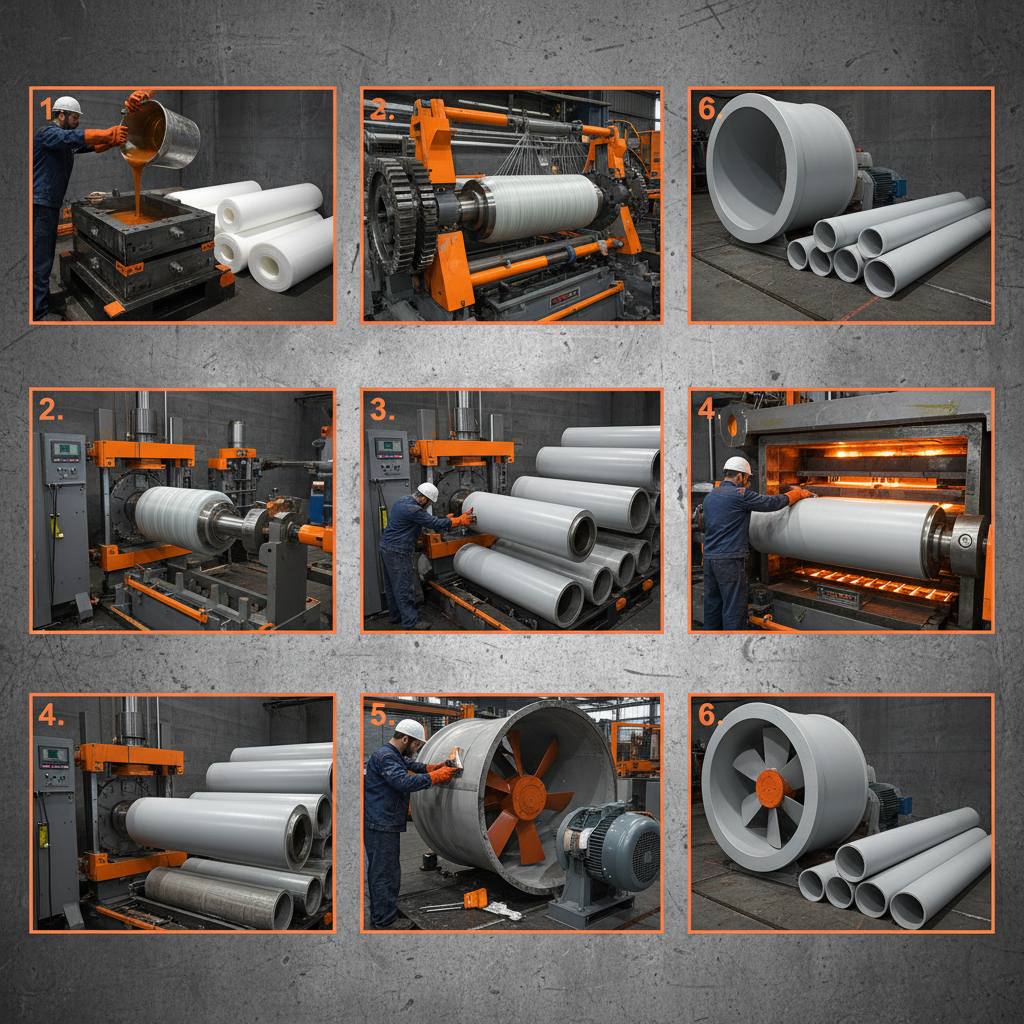
frp building material encompasses a range of prefabricated structures built using fiber-reinforced polymer composites. These materials combine the strength of fibers (such as fiberglass or carbon fiber) with a polymer matrix, resulting in a lightweight, durable, and corrosion-resistant building component. The resulting structures can be assembled quickly and efficiently, requiring minimal skilled labor.
This technology is deeply connected to modern industrial needs, providing a fast and flexible solution for constructing facilities, housing, and infrastructure in diverse environments. It also plays a critical role in humanitarian efforts, offering rapid deployment housing for disaster-stricken communities and refugee camps, directly addressing immediate shelter requirements.
Unlike traditional construction, frp building material minimizes waste and environmental impact. The manufacturing process is often more efficient, and the lightweight nature of the components reduces transportation costs and carbon emissions. It's a holistic approach to building that considers both structural integrity and environmental responsibility.
Core Components and Benefits
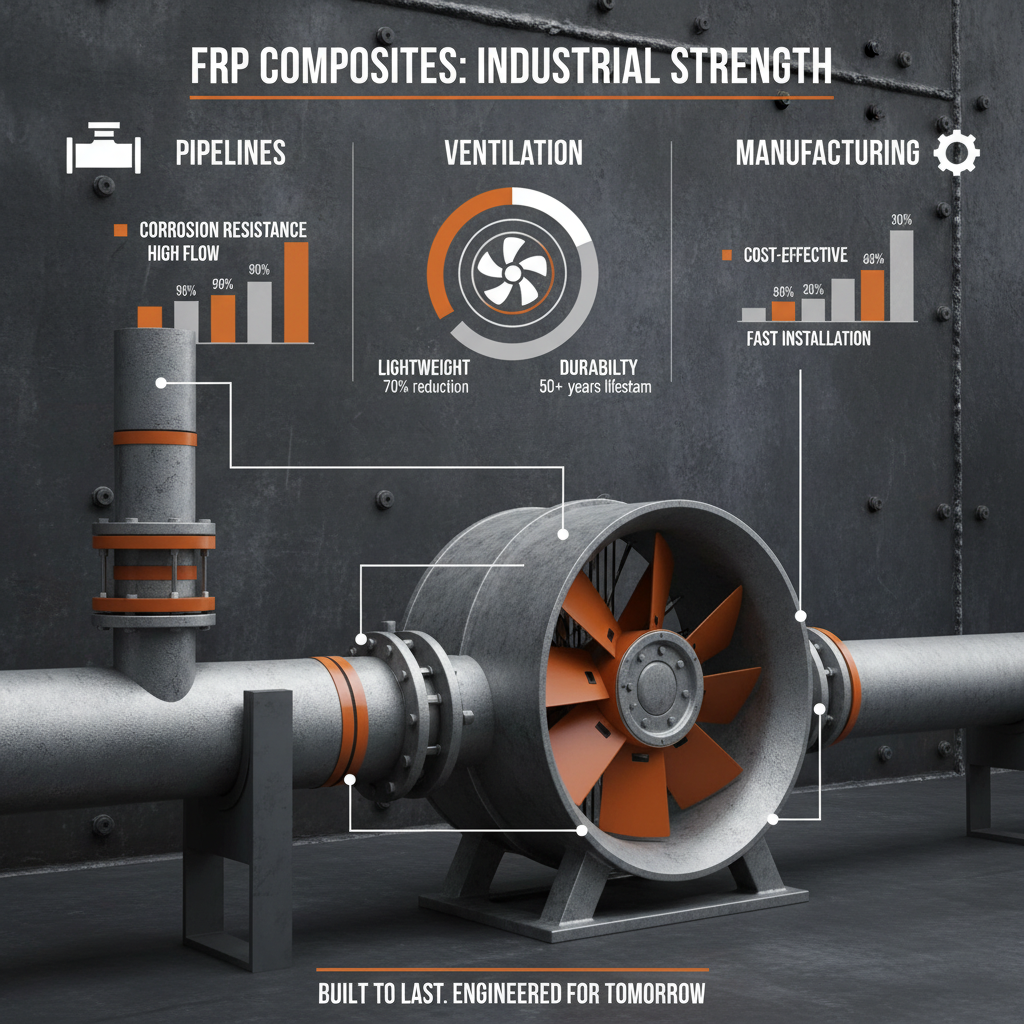
The core advantages of frp building material stem from its unique combination of properties. First, its durability ensures longevity and resistance to environmental factors like corrosion, weathering, and seismic activity. This translates to lower maintenance costs and a longer lifespan for structures.
Second, scalability allows for rapid expansion and customization of buildings to meet evolving needs. Modular designs can be easily connected and reconfigured, making frp building material ideal for growing businesses or communities.
Comparative Benefits of frp building material Methods
Real-World Use Cases
In post-disaster relief operations, frp building material provides rapid shelter solutions for displaced communities. Organizations like the Red Cross are increasingly utilizing these structures for temporary housing, medical facilities, and distribution centers. The speed of deployment and ease of assembly are invaluable in emergency situations.
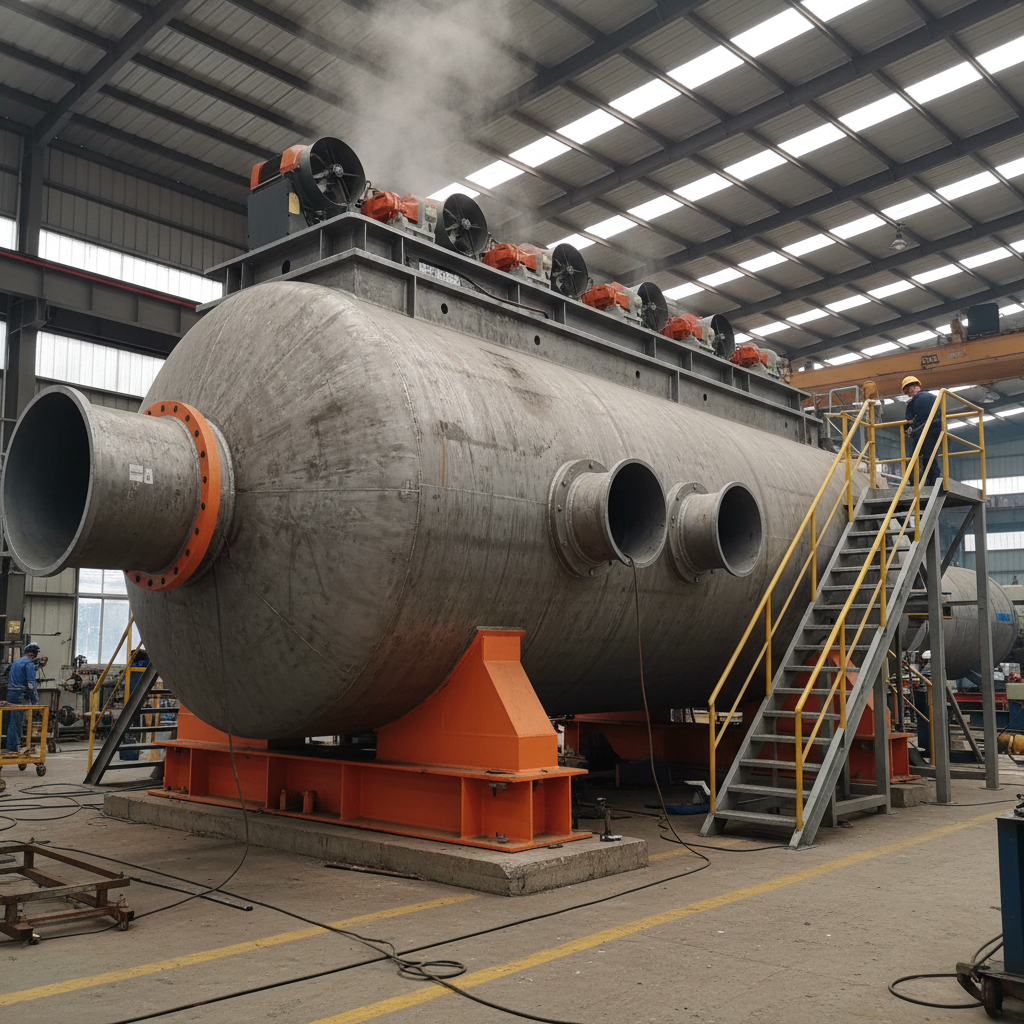
In remote industrial zones, frp building material offers a cost-effective and efficient way to construct worker housing, offices, and workshops. Its lightweight nature reduces transportation challenges, and its durability ensures long-term performance in harsh environments. This significantly lowers infrastructure costs for companies operating in challenging locations.
Long-Term Value and Advantages
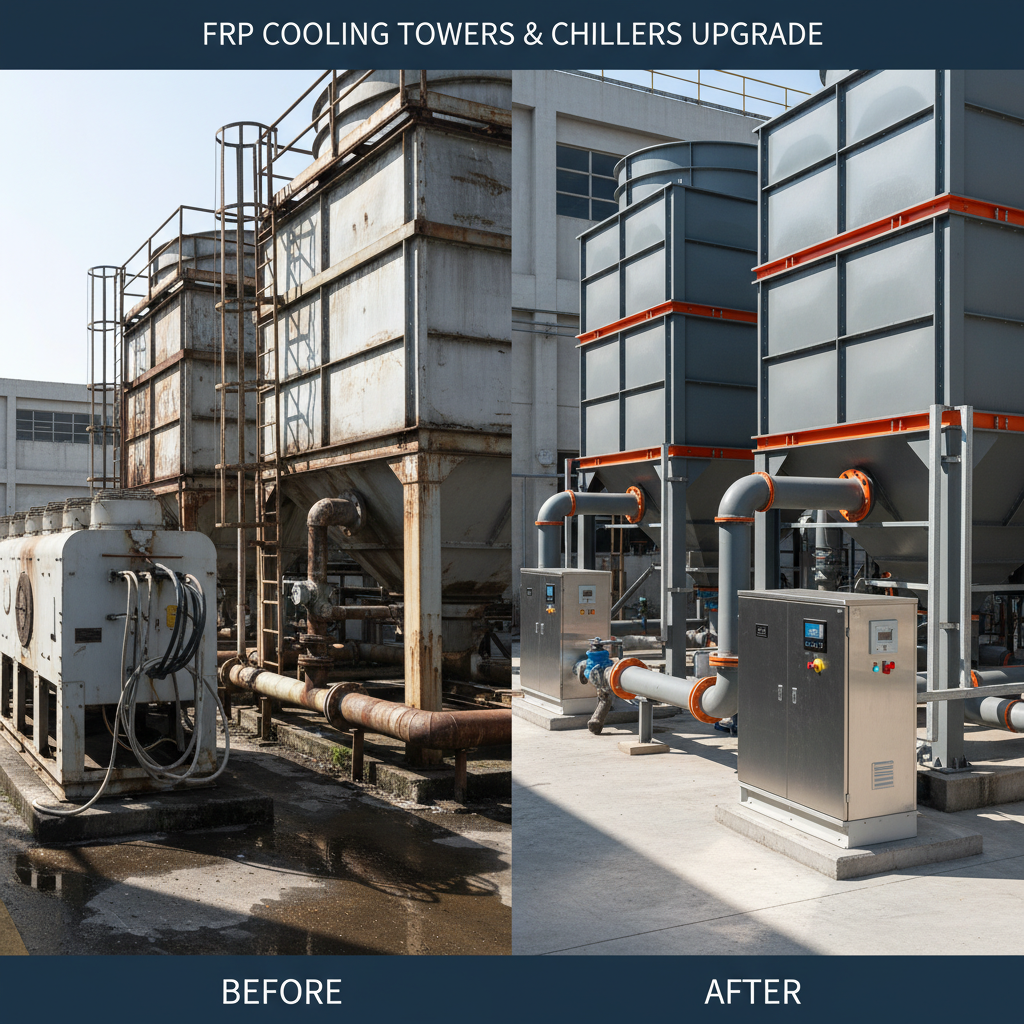
The long-term benefits of frp building material extend beyond initial cost savings. Reduced maintenance requirements, due to its inherent corrosion resistance and durability, translate to lower lifecycle costs. This makes it a financially sound investment for both public and private sector projects.
From a sustainability perspective, frp building material minimizes waste and environmental impact. The use of recycled materials in production and the potential for deconstruction and reuse contribute to a circular economy. Furthermore, its energy efficiency reduces operational costs and carbon footprint.
Future Trends and Challenges
Ongoing research is focused on developing even more sustainable and high-performance frp building material formulations. This includes exploring bio-based polymers and incorporating nanotechnology to enhance material properties. Digital fabrication techniques, such as 3D printing, are also being integrated to create customized and complex structures.
One of the key challenges facing the widespread adoption of frp building material is standardization and building code acceptance. Efforts are underway to establish clear guidelines and regulations to ensure the safety and reliability of these structures. Addressing these regulatory hurdles is crucial for accelerating market growth.
The integration of smart technologies, such as sensors and data analytics, into frp building material structures will enable real-time monitoring of structural health and environmental conditions. This will further enhance safety, optimize performance, and extend the lifespan of buildings.
Summary of Key Considerations for frp building material Implementation
| Project Stage |
Material Selection |
Cost Analysis |
Sustainability Impact |
| Planning & Design |
Fiber type & Polymer Matrix (e.g., fiberglass/polyester) |
Initial Material Cost vs. Lifecycle Savings |
Recycled Content & End-of-Life Recyclability |
| Manufacturing |
Quality Control & Production Efficiency |
Manufacturing Cost Optimization |
Energy Consumption During Production |
| Transportation |
Weight & Dimensional Stability |
Shipping Costs & Logistics |
Carbon Emissions from Transportation |
| Installation |
Ease of Assembly & Connection Methods |
Labor Costs & Installation Time |
Minimal Site Disturbance |
| Operation & Maintenance |
Corrosion Resistance & Durability |
Maintenance Frequency & Cost |
Reduced Need for Chemical Treatments |
| End-of-Life |
Deconstruction & Material Recovery |
Salvage Value of Materials |
Potential for Reuse or Recycling |
FAQS
frp building material offers significant advantages, including faster construction times due to prefabrication, reduced labor costs, lighter weight for easier transportation, superior durability and corrosion resistance, and enhanced design flexibility. These factors contribute to a more efficient and cost-effective building process compared to traditional methods.
frp building material is engineered to withstand extreme weather events. Its high strength-to-weight ratio and flexibility allow it to absorb impact and resist deformation. Many frp structures are designed to meet or exceed building codes for seismic and wind resistance, offering a safer and more resilient building option in vulnerable regions.
Yes, frp building material can be a highly sustainable option. The manufacturing process often generates less waste than traditional construction. Its durability reduces the need for frequent repairs and replacements, and the potential for recycling and reuse of materials contributes to a circular economy. Furthermore, lightweight construction reduces transportation emissions.
The lifespan of an frp building material structure is typically comparable to, or even exceeds, that of conventionally built structures. Due to its inherent resistance to corrosion, rot, and pests, frp building material can last for 50 years or more with minimal maintenance. Proper design and installation are crucial for maximizing lifespan.
Building codes and regulations concerning frp building material are evolving. While specific codes vary by location, many jurisdictions are now recognizing and incorporating guidelines for the use of these materials. It's essential to consult with local building authorities and ensure compliance with all applicable regulations before commencing construction.
While the initial material cost of frp building material may sometimes be higher than conventional materials, the overall lifecycle cost is often lower. This is due to reduced labor costs, faster construction times, lower maintenance requirements, and increased durability. A thorough cost-benefit analysis is recommended to assess the long-term economic advantages.
Conclusion
frp building material represents a paradigm shift in the construction industry, offering a compelling combination of speed, durability, sustainability, and cost-effectiveness. Its ability to address critical global challenges – from affordable housing shortages to disaster relief needs – positions it as a vital technology for the future. Embracing this innovation requires a collaborative effort between engineers, architects, policymakers, and manufacturers to refine standards, promote adoption, and unlock its full potential.
Looking ahead, continued research and development will further enhance the performance and versatility of frp building material. Investing in education and training programs will equip the workforce with the skills necessary to utilize this technology effectively. By prioritizing sustainability, resilience, and innovation, we can build a future where frp building material plays a central role in creating safer, more equitable, and more sustainable communities. Learn more about our frp building material solutions at www.hlfrp.com.