Cooling towers and chillers are integral components of modern industrial processes and building climate control, playing a vital role in maintaining operational efficiency and preventing overheating. Globally, their demand is driven by increasing industrialization, particularly in developing nations, and the growing need for sustainable cooling solutions. The effective management of thermal energy using cooling towers and chillers is crucial for power generation, manufacturing, data centers, and HVAC systems, impacting a wide range of sectors.
The escalating global temperatures and the increasing demand for energy-efficient technologies are further fueling the growth of the cooling towers and chillers market. Industries are actively seeking advanced solutions to reduce water consumption, minimize energy costs, and adhere to stringent environmental regulations. Innovation in materials and design, particularly leveraging FRP (Fiber Reinforced Polymer) technologies, is addressing these challenges and improving the overall performance and lifespan of these critical systems.
Understanding the principles behind cooling towers and chillers isn't just for engineers; it's essential for anyone involved in infrastructure development, facility management, and environmental sustainability. From optimizing energy consumption to ensuring process stability, these systems underpin numerous essential functions. This article explores the core concepts, applications, and future trends in cooling towers and chillers, specifically highlighting the role of FRP in enhancing their performance and longevity.
The Significance of Cooling Towers and Chillers
Cooling towers and chillers are fundamental to industries relying on heat removal. Whether it's dissipating waste heat from power plants, maintaining optimal temperatures in manufacturing processes, or providing comfortable indoor climates, these systems are essential for smooth operation. They prevent equipment failure, improve efficiency, and ensure product quality.
The growing focus on sustainability is driving demand for more efficient and environmentally friendly cooling solutions. Traditional cooling methods often consume significant amounts of water and energy, leading to higher operating costs and environmental impact. Modern cooling towers and chillers, particularly those incorporating FRP materials, offer improved performance, reduced water usage, and extended lifecycles.
Global Context and Industry Relevance
The global market for cooling towers and chillers is substantial and continuously expanding. According to recent industry reports, the market is projected to reach [Insert Realistic Value Here] by [Insert Realistic Year Here], driven by rapid industrialization in Asia-Pacific, increasing demand for electricity in developing countries, and stricter environmental regulations worldwide. The need for efficient cooling systems is particularly acute in regions with hot climates or limited water resources.
Key industries driving demand include power generation, oil and gas, chemical processing, HVAC (Heating, Ventilation, and Air Conditioning), data centers, and food processing. Each sector presents unique challenges and requirements, necessitating specialized cooling solutions tailored to their specific needs. For example, data centers require precise temperature control to prevent server overheating, while power plants need robust cooling systems to maintain turbine efficiency.
The UN Sustainable Development Goals (SDGs), particularly those related to clean water and sanitation (SDG 6) and affordable and clean energy (SDG 7), are increasingly influencing the design and implementation of cooling technologies. There's a growing emphasis on water conservation, energy efficiency, and reducing greenhouse gas emissions in the cooling sector.
Defining Cooling Towers and Chillers
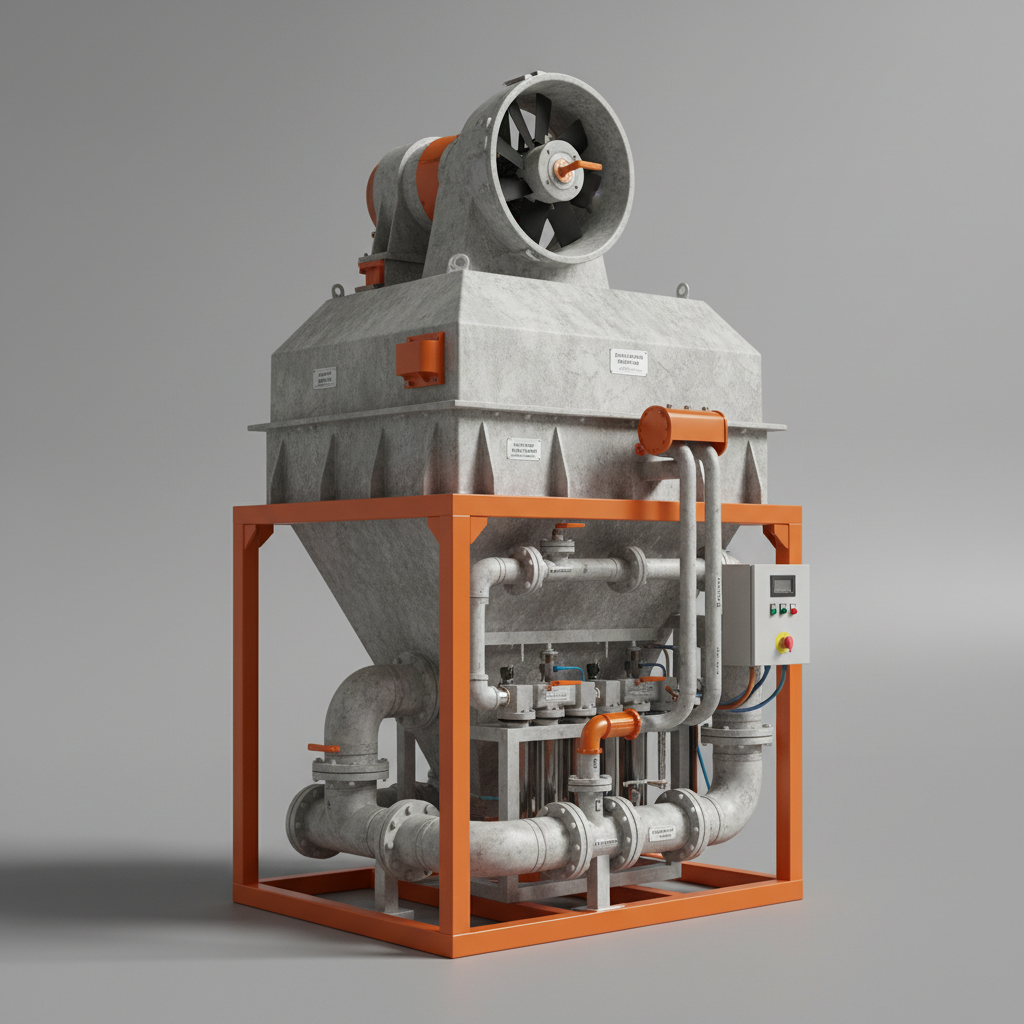
A cooling tower is a heat rejection device that uses evaporation to cool water. Hot water is distributed within the tower, where it comes into contact with air, causing a portion of the water to evaporate. This evaporation process removes heat from the remaining water, cooling it down before it's recirculated to the process or system it serves. Cooling towers are typically used in large-scale industrial applications.
A chiller, on the other hand, uses a refrigeration cycle to cool water or other fluids. It removes heat from the fluid and transfers it to a separate medium, typically air or water. Chillers are commonly used in HVAC systems to provide cool air for buildings and are also essential for cooling process equipment in industries like pharmaceuticals and food processing.
While both cooling towers and chillers serve the purpose of heat rejection, they operate on different principles and are suited for different applications. Cooling towers rely on evaporative cooling, making them more energy-efficient for large-scale heat removal, while chillers use a mechanical refrigeration cycle, providing more precise temperature control for smaller-scale applications. FRP materials are increasingly used in the construction of both types of systems, enhancing their durability and corrosion resistance.
Key Performance Factors of Cooling Towers and Chillers
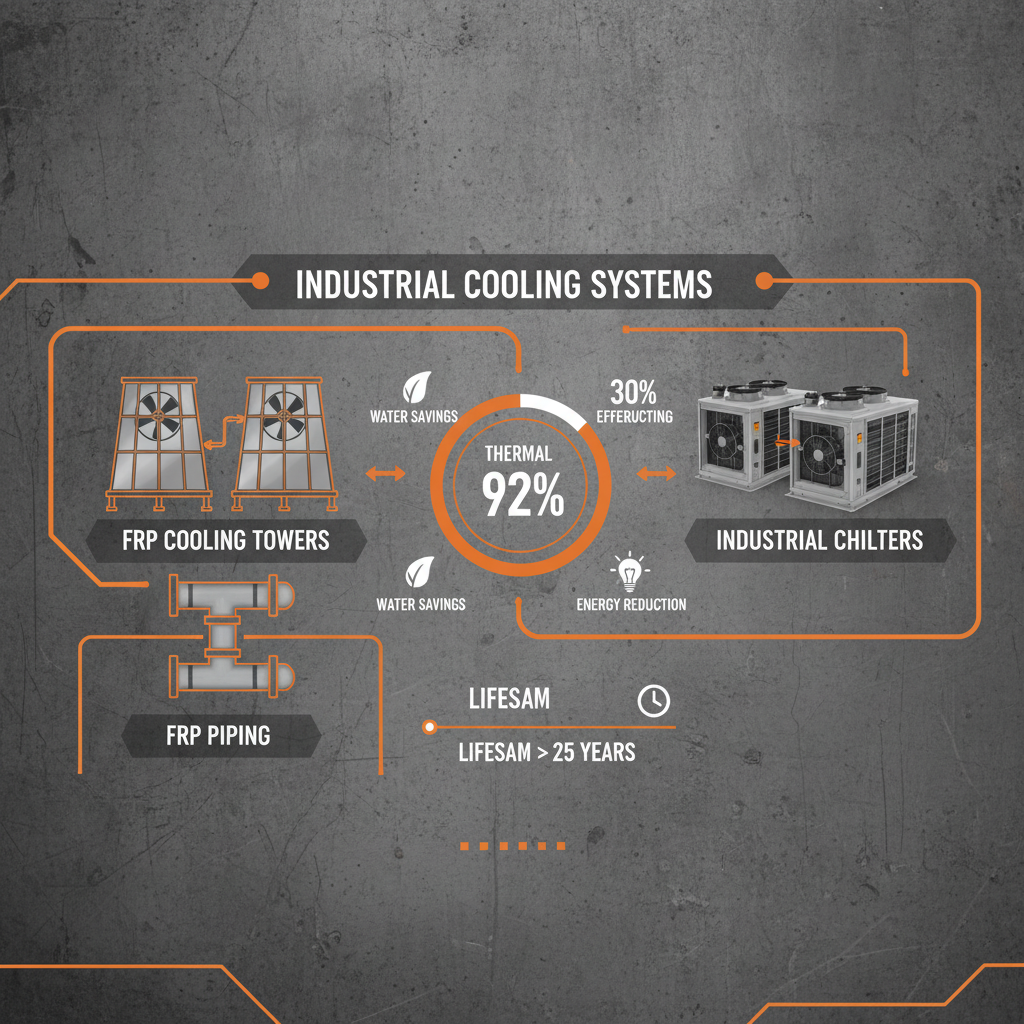
Several factors influence the performance and efficiency of cooling towers and chillers. One critical aspect is Thermal Efficiency, which refers to the amount of heat removed per unit of energy consumed. Higher thermal efficiency translates to lower operating costs and reduced environmental impact. Another key factor is Water Usage, particularly in regions facing water scarcity. Minimizing water consumption is essential for sustainable operation.
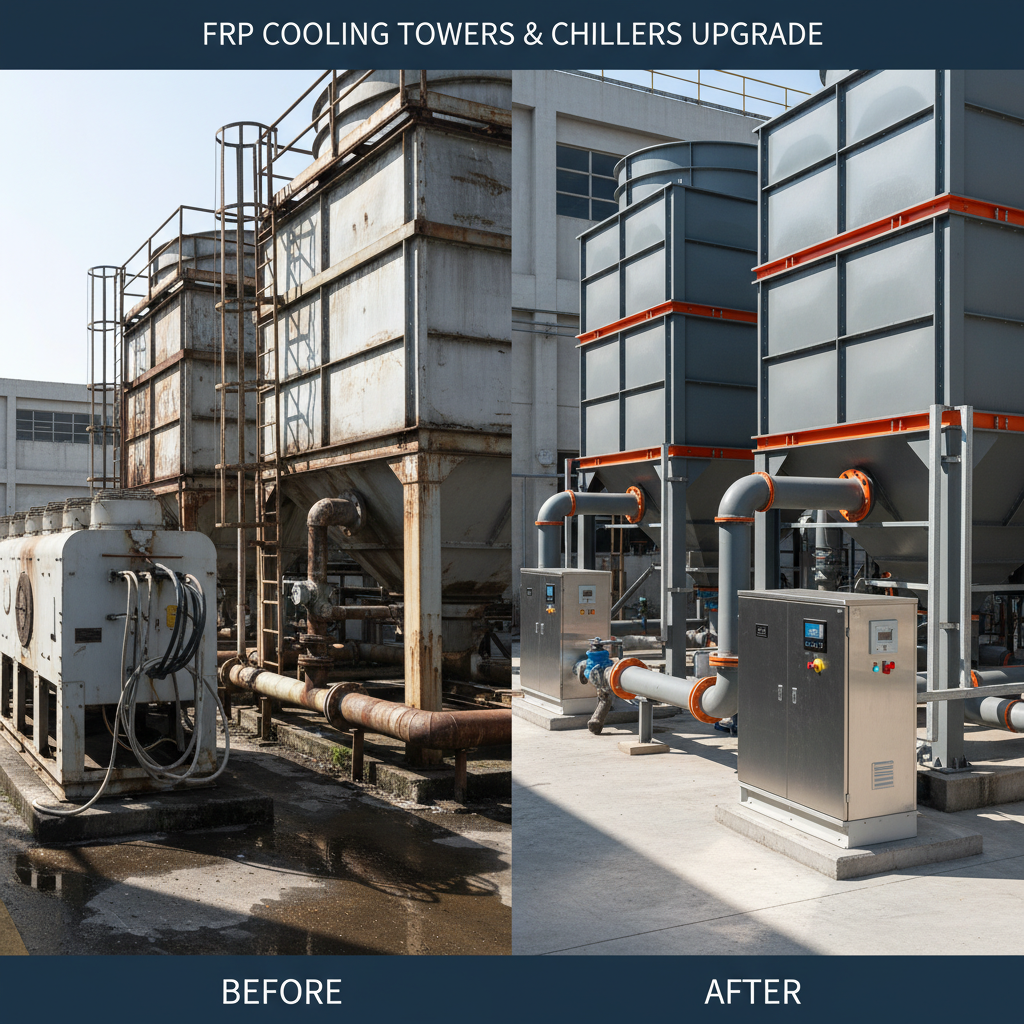
Corrosion Resistance is also paramount, as cooling systems are exposed to harsh environments and corrosive fluids. FRP materials offer superior corrosion resistance compared to traditional materials like steel, extending the lifespan of the equipment and reducing maintenance costs. Scalability and Maintainability are further considerations, allowing for easy expansion and efficient upkeep of the system.
Performance Metrics Comparison of Cooling Towers and Chillers
Diverse Applications Across Industries
Cooling towers and chillers are ubiquitous across a diverse range of industries. In the power generation sector, they are crucial for dissipating waste heat from steam turbines, ensuring efficient power output. In the chemical processing industry, they maintain precise temperature control for various reactions and processes.
HVAC systems rely heavily on chillers to provide cool air for commercial and residential buildings, creating comfortable indoor environments. The data center industry, with its ever-increasing demand for computing power, utilizes both cooling towers and chillers to prevent server overheating and ensure reliable operation. Furthermore, in the food and beverage industry, cooling towers and chillers are essential for maintaining product quality and safety during processing and storage. Even in remote industrial zones, their applications are indispensable for stable operation.
Advantages and Long-Term Value Proposition
Investing in high-quality cooling towers and chillers yields significant long-term benefits. Reduced energy consumption translates to lower operating costs and a smaller carbon footprint. Enhanced reliability minimizes downtime and prevents costly repairs. The use of FRP materials further extends the lifespan of the equipment, reducing the need for frequent replacements.
From a sustainability perspective, modern cooling systems can significantly reduce water usage through optimized designs and water treatment technologies. This not only lowers operating costs but also contributes to environmental conservation. Ultimately, these advantages enhance a company’s reputation, attract investors, and foster a culture of innovation and responsibility.
Future Trends and Innovations in Cooling Technology
The future of cooling technology is poised for significant advancements. Artificial intelligence (AI) and machine learning (ML) are being integrated into cooling systems to optimize performance, predict maintenance needs, and reduce energy consumption. Digital twin technology allows for virtual modeling and simulation, enabling engineers to fine-tune system parameters and identify potential issues before they arise.
Advanced materials, such as enhanced FRP composites, are being developed to further improve corrosion resistance, reduce weight, and increase structural integrity. There's also a growing focus on hybrid cooling systems that combine the benefits of different technologies, such as evaporative cooling and air cooling, to achieve optimal performance under varying conditions. The integration of renewable energy sources to power cooling systems is another emerging trend, reducing reliance on fossil fuels.
Furthermore, expect to see increasingly stringent environmental regulations driving innovation in sustainable cooling technologies, particularly those focused on water conservation and reducing greenhouse gas emissions.
FAQS
FRP offers significant advantages in cooling tower construction including exceptional corrosion resistance, leading to a longer lifespan and reduced maintenance. Its lightweight nature simplifies installation, while its high strength-to-weight ratio enhances structural integrity. Additionally, FRP is non-conductive, offering improved safety in electrical environments. Ultimately, it leads to lower lifecycle costs.
Generally, cooling towers are more energy-efficient for large-scale heat rejection due to their reliance on evaporative cooling, a natural process. However, chiller efficiency varies greatly depending on the technology used (e.g., vapor-compression, absorption). Modern chillers with variable-speed drives and optimized refrigerant cycles can achieve high efficiency levels, but typically require more energy input than a cooling tower for the same heat load.
Cooling towers require regular cleaning to prevent fouling and scaling, as well as inspections for corrosion and structural damage. Water treatment is crucial to prevent biological growth. Chillers require regular filter changes, refrigerant level checks, and compressor maintenance. Both systems benefit from preventative maintenance programs to identify and address potential issues before they lead to costly downtime.
Implementing a comprehensive water management strategy is key. This includes optimizing water treatment programs to minimize scaling and fouling, using air-cooled systems where feasible, implementing water recycling and reuse programs, and regularly monitoring water usage to identify leaks and inefficiencies. Drift eliminators and proper tower design also help minimize water loss.
The lifespan of a cooling tower typically ranges from 15 to 25 years, depending on materials of construction and maintenance practices. Chillers can last for 20 to 30 years or more with proper care. Utilizing FRP components in cooling towers can significantly extend their lifespan due to superior corrosion resistance, offering a better return on investment.
Many governments and utility companies offer incentives and rebates for upgrading to energy-efficient cooling systems. These programs often target technologies like high-efficiency chillers, variable-speed drives, and optimized cooling tower designs. It's recommended to research available incentives in your region and consult with a qualified HVAC professional to identify eligible upgrades.
Conclusion
In conclusion, cooling towers and chillers are indispensable components of modern infrastructure, playing a critical role in maintaining operational efficiency, ensuring product quality, and supporting a wide range of industries. The ongoing evolution of cooling technologies, coupled with the increasing emphasis on sustainability, is driving innovation in materials, designs, and operational strategies. Investing in efficient and reliable cooling systems is not only a sound financial decision but also a responsible step towards environmental stewardship.
Looking ahead, the integration of AI, machine learning, and advanced materials like FRP will further optimize cooling system performance, reduce energy consumption, and minimize environmental impact. By embracing these advancements and adopting proactive maintenance practices, businesses can ensure the long-term reliability and sustainability of their cooling infrastructure. For all your cooling tower and chiller needs, explore the solutions available at cooling towers and chillers.