Understanding fibreglass grating price is crucial for industries spanning construction, manufacturing, and infrastructure. Accurate pricing impacts project budgets, material selection, and overall return on investment. The global demand for durable, corrosion-resistant materials is driving increased interest in fibreglass grating, making a grasp of its cost factors paramount for informed decision-making. Fluctuations in raw material costs, manufacturing processes, and transportation all contribute to the dynamic nature of fibreglass grating price.
The relevance of fibreglass grating price extends beyond immediate cost considerations. Choosing the right grating based on price, performance, and longevity directly influences long-term operational expenses. For example, reduced maintenance costs due to corrosion resistance can offset a potentially higher initial investment. This is especially critical in harsh environments like chemical plants or offshore platforms. According to ISO standards, proper material selection drastically reduces life-cycle costs.
Ultimately, navigating the complexities of fibreglass grating price empowers businesses to optimize their projects and achieve sustainable results. A comprehensive understanding of the factors influencing cost allows for effective negotiation with suppliers, accurate budgeting, and ultimately, a more profitable and resilient operation. Consider that, according to UN reports, resilient infrastructure is crucial for sustainable development, and materials like fibreglass grating contribute significantly to this goal.
Introduction to fibreglass grating price
The cost of fibreglass grating isn't simply a number; it represents a complex equation considering material composition, manufacturing techniques, and market demands. Understanding these variables is essential when budgeting for projects needing durable, corrosion-resistant flooring or walkways. The initial fibreglass grating price is only one piece of the puzzle.
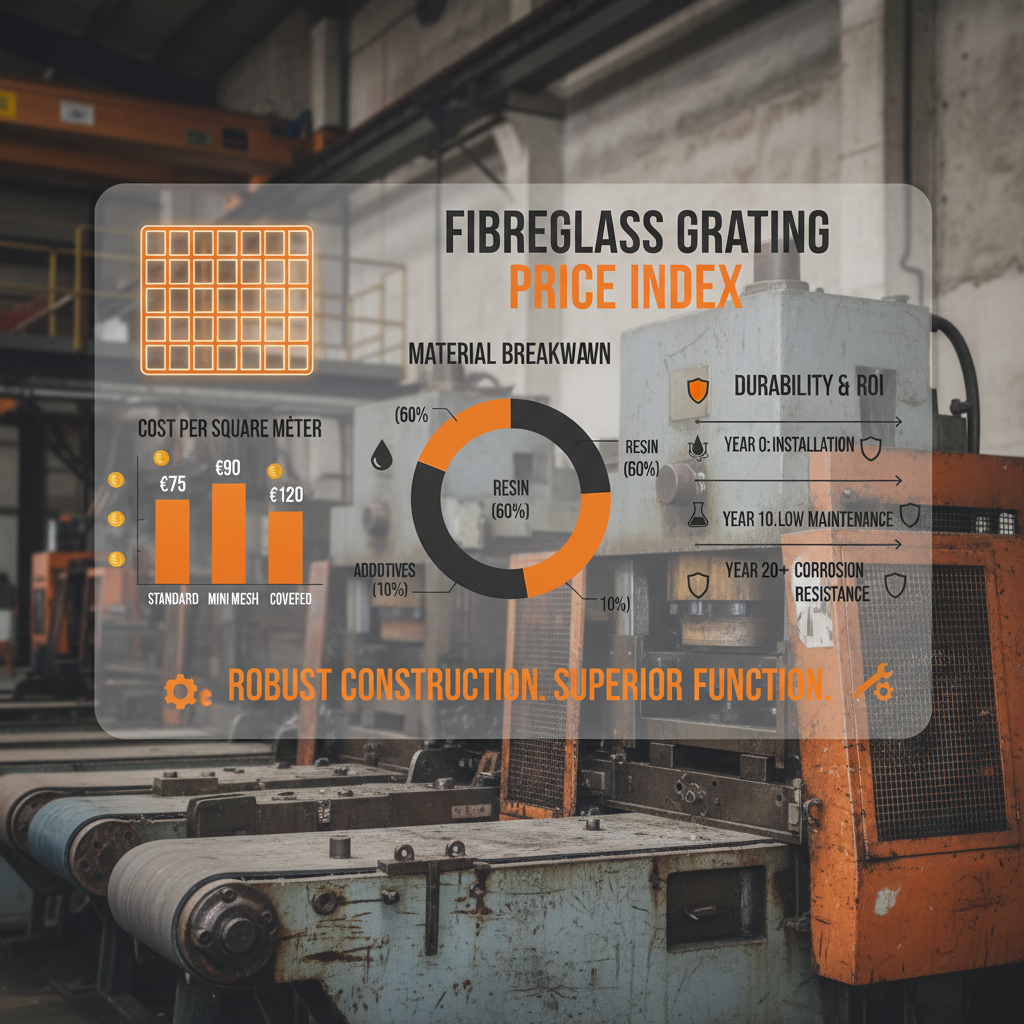
Factors like resin type (polyester, vinyl ester, epoxy), fiberglass content, and mesh size all directly impact the final price. Furthermore, quantity ordered, custom fabrication requirements, and shipping distances contribute to the overall cost. Analyzing these components allows for accurate cost prediction and informed purchasing decisions.
Defining fibreglass grating price
Fibreglass grating price refers to the total cost associated with acquiring fibreglass grating products, encompassing the raw material expenses, manufacturing overhead, profit margins of the supplier, and any associated delivery or installation fees. It’s presented as a cost per square foot or square meter and varies widely based on specifications.
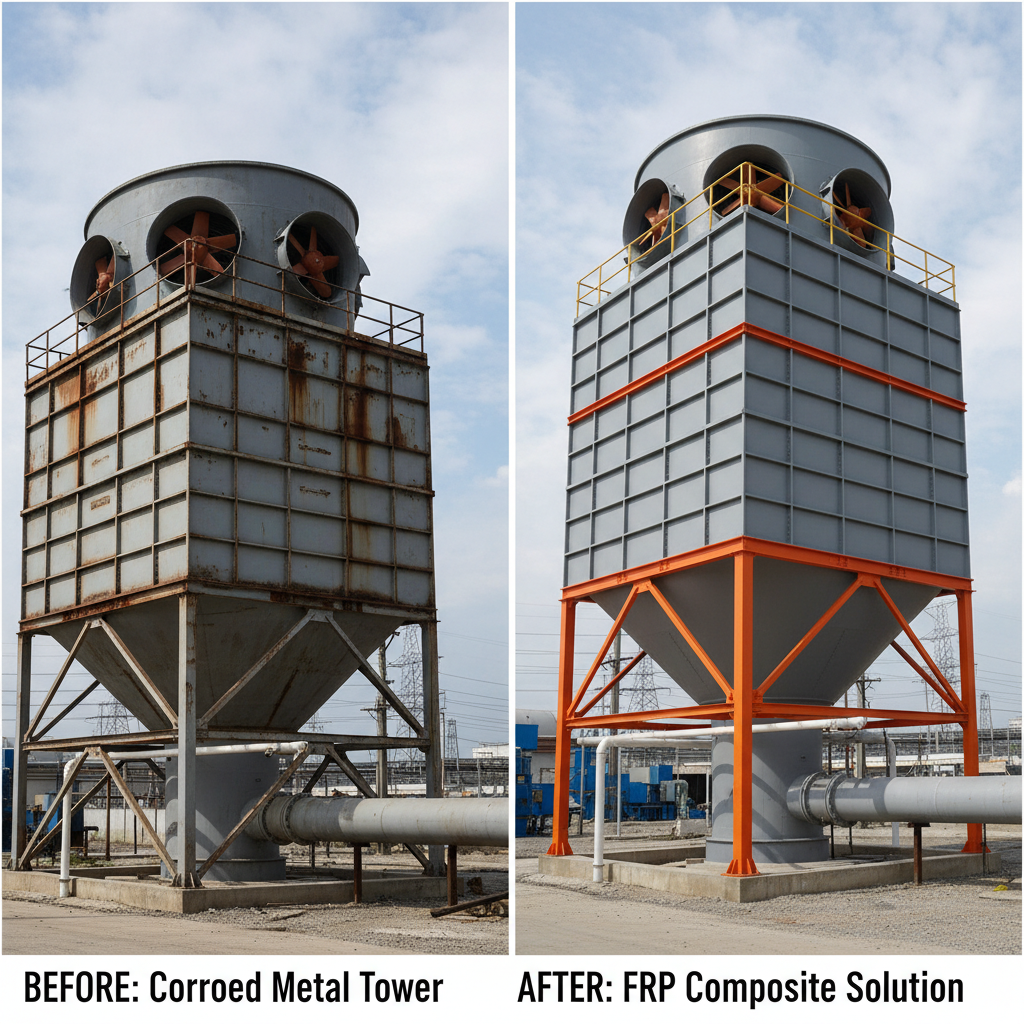
The price is frequently benchmarked against alternative materials like steel or aluminum, considering long-term costs, including maintenance, repair, and replacement. While steel might have a lower upfront cost, its susceptibility to corrosion necessitates ongoing maintenance, potentially increasing the overall life-cycle cost compared to fibreglass.
Accurate definition of fibreglass grating price is essential for project budgeting, allowing for realistic cost assessments and informed material selection. Suppliers typically offer quotes based on specific requirements, including dimensions, load capacity, and chemical resistance needs.
Key Factors Influencing fibreglass grating price
Several key factors determine fibreglass grating price. Resin type is a primary driver, with epoxy resins generally commanding a higher price due to superior chemical resistance and strength. Fiberglass content, measured in volume fraction, also impacts cost – higher content equates to greater strength and durability, but also a higher price.
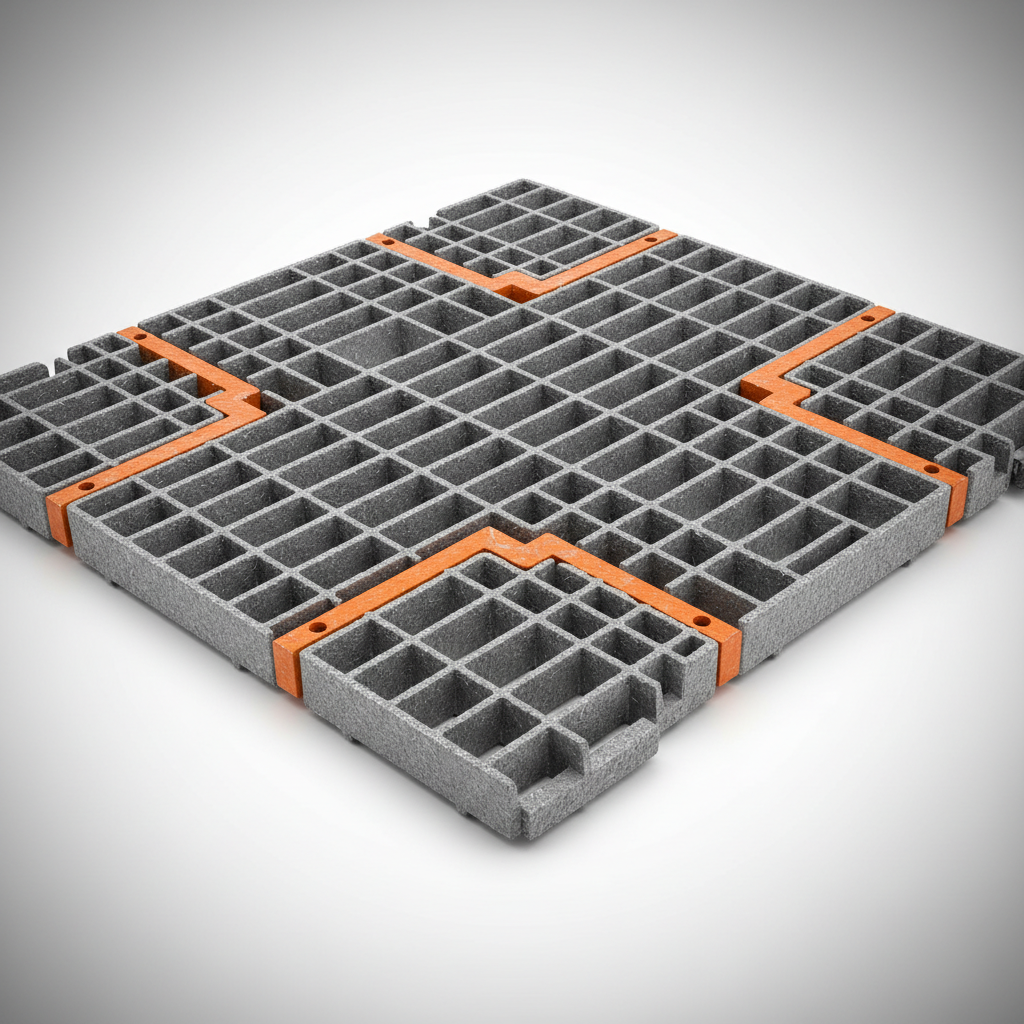
Manufacturing complexity plays a significant role. Molded gratings, produced using a single molding process, are typically more cost-effective than pultruded gratings, which involve a more intricate extrusion process. Custom fabrications, such as cutouts for pipes or fittings, add to the overall cost due to specialized labor and tooling.
Finally, market conditions and supplier location influence price. Fluctuations in raw material costs (resin, fiberglass rovings), transportation expenses, and regional demand all contribute to price variations. Building strong relationships with reputable suppliers is key to securing competitive pricing.
Global Applications and fibreglass grating price
Fibreglass grating finds diverse applications worldwide, influencing its price based on regional demand and specific requirements. In the chemical processing industry, where corrosion resistance is paramount, the demand for high-quality, epoxy-based fibreglass grating drives up the fibreglass grating price.
Wastewater treatment plants utilize fibreglass grating for walkways and platforms, seeking a durable, non-corrosive solution that minimizes maintenance. The oil and gas sector relies on fibreglass grating in offshore platforms to withstand harsh marine environments, leading to a premium price for specialized, reinforced grating.
Comparative Analysis of fibreglass grating price by Application
Advantages and Long-Term Value of fibreglass grating price
While the initial fibreglass grating price might be higher than some alternatives like steel, the long-term value proposition is significant. The inherent corrosion resistance of fibreglass eliminates the need for costly painting, repairs, and replacements, resulting in substantial lifecycle savings.
Furthermore, fibreglass grating is lightweight, reducing installation costs and structural support requirements. Its non-conductive properties enhance safety in electrical environments, and its low maintenance requirements minimize downtime and operational disruptions.
Future Trends in fibreglass grating price
The future of fibreglass grating price will be shaped by innovations in materials science and manufacturing processes. The development of bio-based resins offers the potential to reduce reliance on petroleum-based products and lower environmental impact, potentially influencing price.
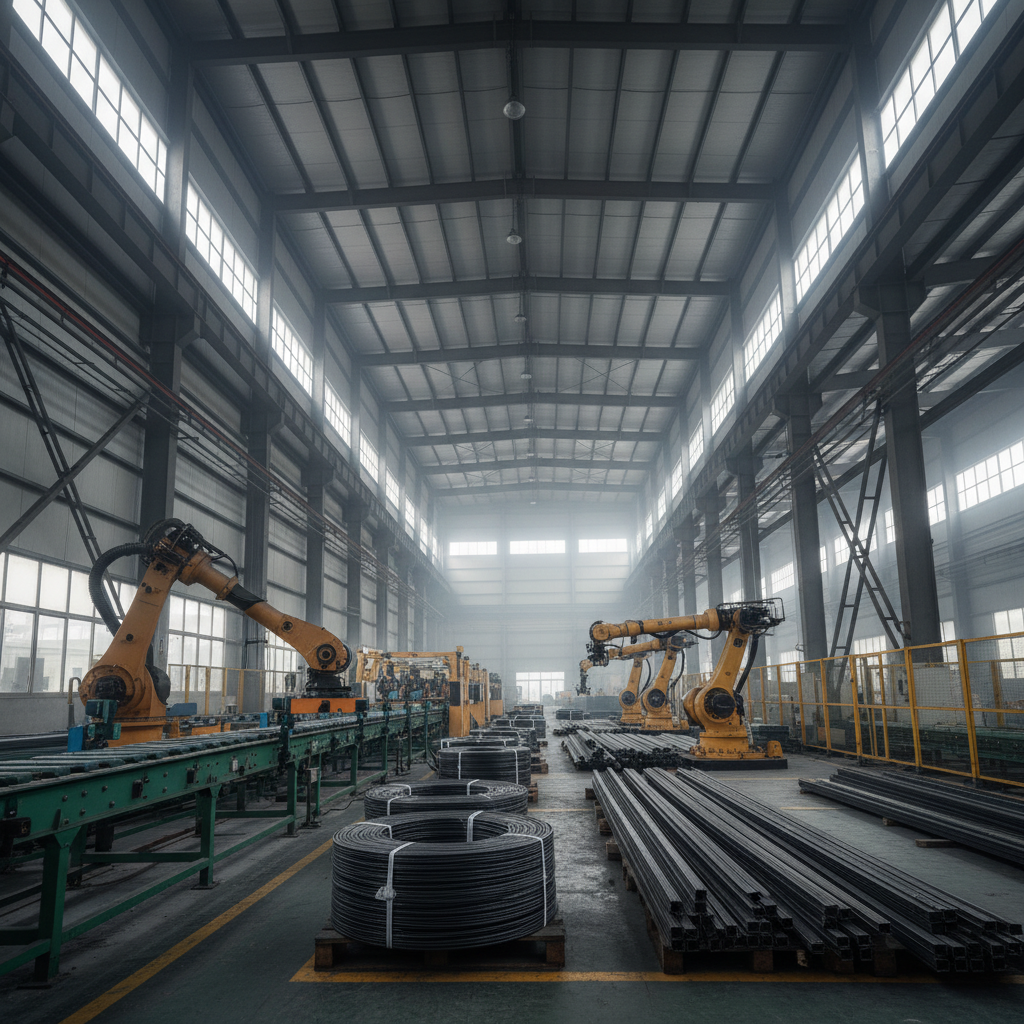
Automation in manufacturing, including robotic layup and precision cutting, could streamline production, reduce labor costs, and ultimately lower fibreglass grating price. Increased demand for sustainable infrastructure solutions will also likely drive innovation and cost optimization.
Challenges and Solutions Related to fibreglass grating price
One primary challenge is the volatility of raw material costs, particularly resins. Suppliers are mitigating this by establishing long-term contracts with resin manufacturers and exploring alternative resin formulations. Another challenge is the limited number of qualified installers. Training programs and certification initiatives are needed to expand the skilled workforce.
Custom fabrication requirements can significantly impact price. Standardized grating designs and modular construction techniques can help reduce customization costs and lead times. Finally, transportation costs, particularly for international shipments, can add to the overall price. Optimizing logistics and sourcing materials locally when possible can help mitigate these expenses.
Transparent pricing models, clear communication between suppliers and customers, and a focus on long-term value are crucial for addressing these challenges and ensuring fair and competitive fibreglass grating price.
Summary of Key Challenges and Solutions for Optimizing fibreglass grating price
| Challenge |
Impact on fibreglass grating price |
Solution |
Potential Price Reduction (%) |
| Raw Material Volatility (Resin) |
Increased production costs, unpredictable pricing |
Long-term contracts, alternative resins |
5-10% |
| Limited Skilled Installers |
Higher labor costs, project delays |
Training programs, certification |
3-7% |
| Custom Fabrication Complexity |
Increased tooling and labor costs |
Standardized designs, modular components |
8-15% |
| High Transportation Costs |
Increased overall project expenses |
Local sourcing, optimized logistics |
2-5% |
| Lack of Price Transparency |
Difficulty in comparing quotes, potential overpayment |
Detailed quotes, clear cost breakdowns |
3-8% |
| Supply Chain Disruptions |
Delays and increased material costs |
Diversified sourcing, inventory management |
4-9% |
FAQS
The primary factors affecting fibreglass grating price are resin type (epoxy being the most expensive due to its superior properties), fiberglass content, the manufacturing method (molded vs. pultruded), and any custom fabrication requirements. Raw material costs and shipping distances also contribute substantially.
Initially, steel grating may appear cheaper, but fibreglass grating's long-term value is often superior. While steel is susceptible to corrosion, necessitating costly maintenance and repairs, fibreglass is corrosion-resistant, reducing lifecycle costs. Also, fibreglass is lighter and requires less structural support, lowering installation expenses.
Fibreglass grating typically lasts 20-30 years or more with minimal maintenance, depending on the environment. This extended lifespan significantly improves its price-performance ratio compared to steel, which may require replacement every 10-15 years. Considering the reduced maintenance costs, fibreglass provides a compelling long-term investment.
Several strategies can lower the price: Opting for standardized sizes and designs reduces custom fabrication costs. Ordering in bulk typically results in volume discounts. Sourcing materials closer to the project site minimizes shipping expenses. Negotiating long-term contracts with suppliers can also secure favorable pricing.
Common resin types include polyester, vinyl ester, and epoxy. Polyester is the most economical, while vinyl ester offers improved corrosion resistance at a moderate cost. Epoxy resins provide the highest level of chemical resistance and strength, making them the most expensive option. The choice depends on the application’s specific requirements.
Mesh size refers to the spacing between the fiberglass reinforcing bars. Smaller mesh sizes generally result in a stronger, more durable grating, increasing the fibreglass grating price. However, they also provide better slip resistance and can support heavier loads. Larger mesh sizes are more economical but may compromise strength and slip resistance.
Conclusion
In conclusion, fibreglass grating price is a multifaceted consideration driven by material selection, manufacturing processes, market dynamics, and project-specific requirements. While the initial cost may be a factor, a comprehensive evaluation of long-term benefits – corrosion resistance, reduced maintenance, and extended lifespan – reveals the significant value proposition of fibreglass grating. Understanding these elements is crucial for making informed decisions and optimizing project budgets.
Looking ahead, continued innovation in materials and manufacturing techniques will likely drive down fibreglass grating price while enhancing its performance and sustainability. Exploring opportunities for standardization, local sourcing, and strategic supplier partnerships will further contribute to cost optimization. Visit our website at www.hlfrp.com to learn more and receive a customized quote.