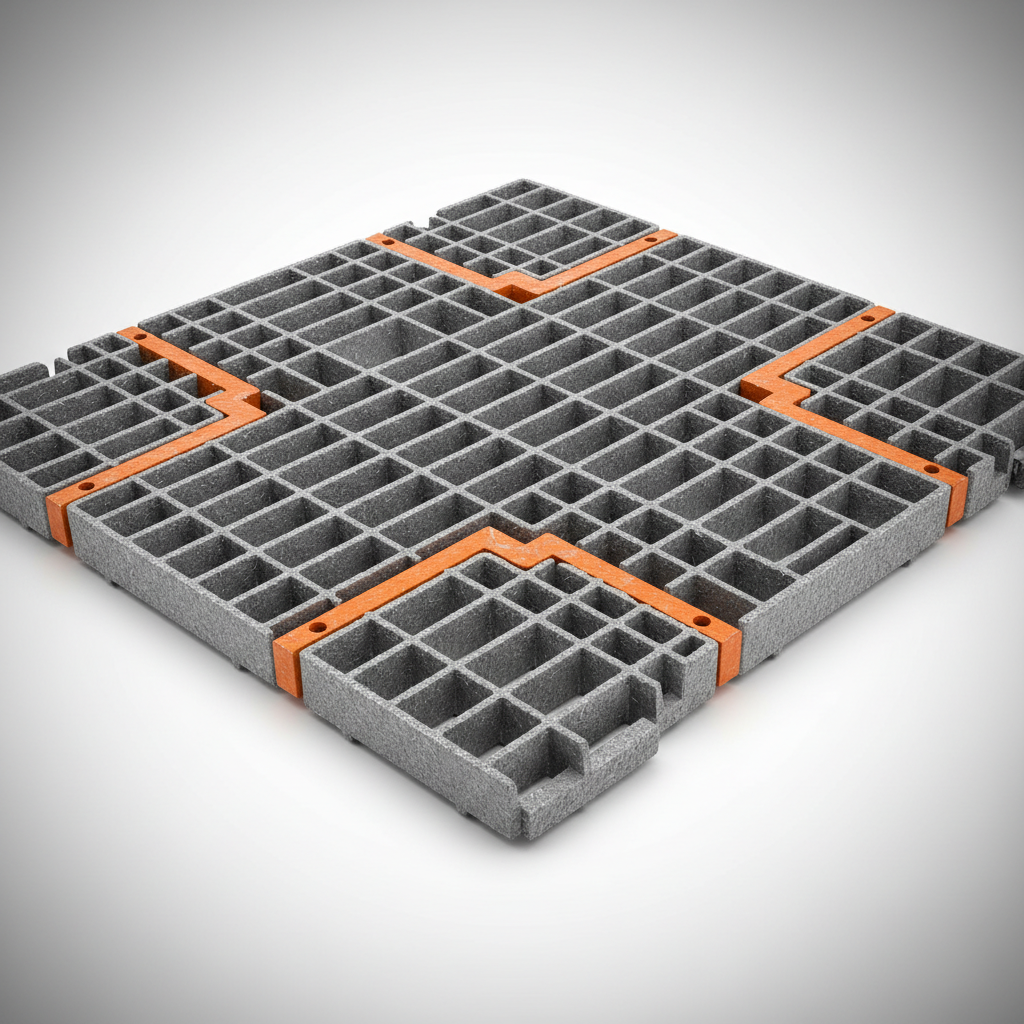
Grp grating prices are a critical component in a diverse range of industries, from construction and infrastructure to marine and industrial platforms. Understanding these prices involves not only the raw material costs but also factors like manufacturing processes, transportation, and installation. Increasingly, businesses and projects rely on accurate grp grating prices to budget effectively and ensure the financial viability of their undertakings, especially in large-scale projects where even minor price fluctuations can have a significant impact.
The global market for grp (glass reinforced polymer) grating is experiencing steady growth, driven by the demand for corrosion-resistant, lightweight, and durable materials. According to industry reports, the demand for grp grating is particularly strong in regions with harsh environmental conditions, such as coastal areas and industrial zones exposed to corrosive chemicals. This demand translates directly into an increased focus on competitive grp grating prices, prompting manufacturers to optimize their processes and offer cost-effective solutions.
Accurate grp grating prices are paramount for informed decision-making, facilitating project planning and resource allocation. The ability to forecast and manage these costs effectively is a key differentiator for successful businesses within these sectors, fostering innovation and long-term sustainability. This guide aims to provide a comprehensive overview of the factors influencing grp grating prices and equip you with the knowledge to navigate this dynamic market.
The Importance of grp grating prices
The accurate determination of grp grating prices is crucial for project feasibility and return on investment. Grp grating, being a specialized material, experiences price variations based on resin type, manufacturing complexity, and quantity ordered. Businesses often seek to understand how these elements interplay to achieve the most competitive grp grating prices for their specific requirements.
Ignoring the nuances of grp grating prices can lead to budget overruns and compromised project quality. Therefore, a thorough understanding of the market dynamics and cost drivers is essential for procurement professionals and project managers alike. We'll explore how understanding these prices empowers better decision-making throughout the project lifecycle.
Understanding grp grating prices Globally
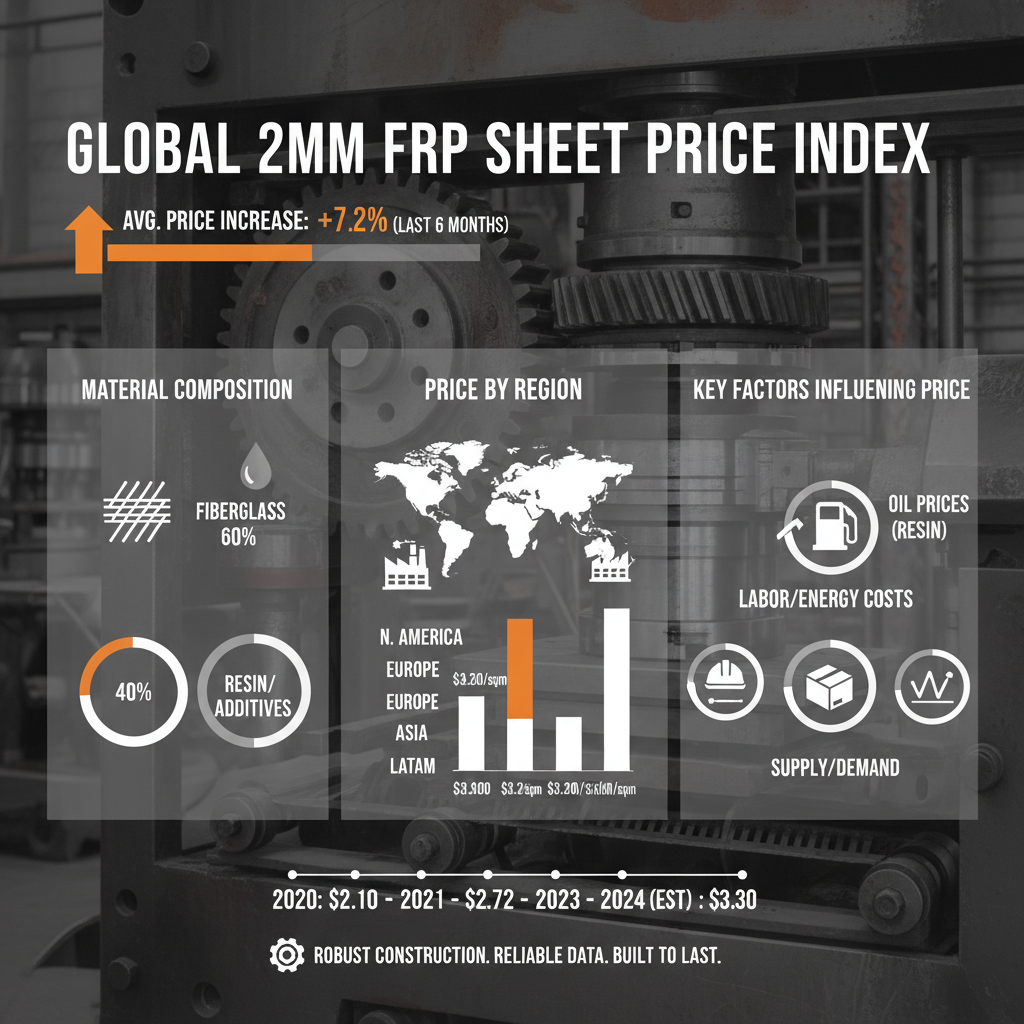
Globally, grp grating prices are influenced by a complex interplay of factors, including raw material costs (resin, fiberglass), energy prices, labor costs, and shipping expenses. Regional variations in these costs contribute to price differences across continents. For instance, grp grating prices in North America may differ significantly from those in Asia due to varying labor rates and transportation costs. According to ISO standards, material certification and quality control also contribute to price variations.
The geopolitical landscape also plays a role. Trade tariffs, sanctions, and currency fluctuations can all impact grp grating prices. Supply chain disruptions, as seen during recent global events, can lead to price increases and longer lead times. Understanding these global influences is vital for forecasting and mitigating price risks. The World Bank provides data on commodity price trends that can be helpful in analyzing these factors.
Competition among manufacturers also shapes the global pricing landscape. Regions with a higher concentration of grp grating manufacturers tend to exhibit more competitive prices. However, it's important to consider the quality and reliability of the product alongside the price, as lower prices may sometimes indicate compromised quality.
Defining grp grating prices
Grp grating prices refer to the cost associated with purchasing grp (glass fiber reinforced polymer) grating, a composite material used as flooring, walkways, and structural support in various applications. This price isn't simply a fixed number; it's determined by a combination of factors relating to the material's composition, manufacturing process, and desired specifications. Essentially, grp grating prices represent the monetary value placed on the product based on its characteristics and market demand.
Understanding grp grating prices is vital because it directly impacts the overall cost of infrastructure projects, industrial facilities, and safety installations. It is crucial for budgeting, cost-benefit analysis, and procurement decisions. The price reflects not only the material itself but also the engineering expertise and quality control that ensure its reliability and longevity.
In the modern industrial landscape, grp grating is increasingly favored due to its corrosion resistance, lightweight nature, and low maintenance requirements. This demand translates to a continuous need to understand and optimize grp grating prices to ensure project viability and economic efficiency. The pricing structure allows for tailored solutions, catering to specific needs and budgets.
Key Factors Influencing grp grating prices
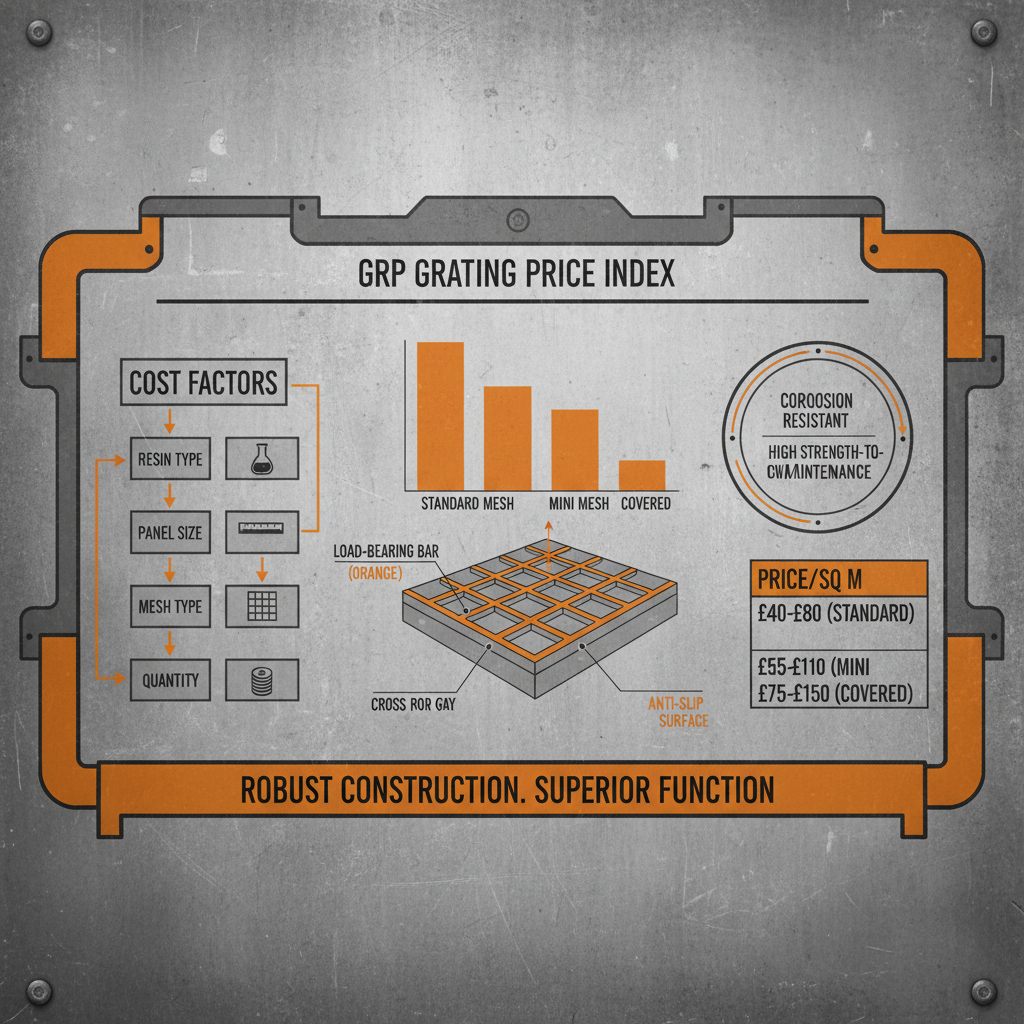
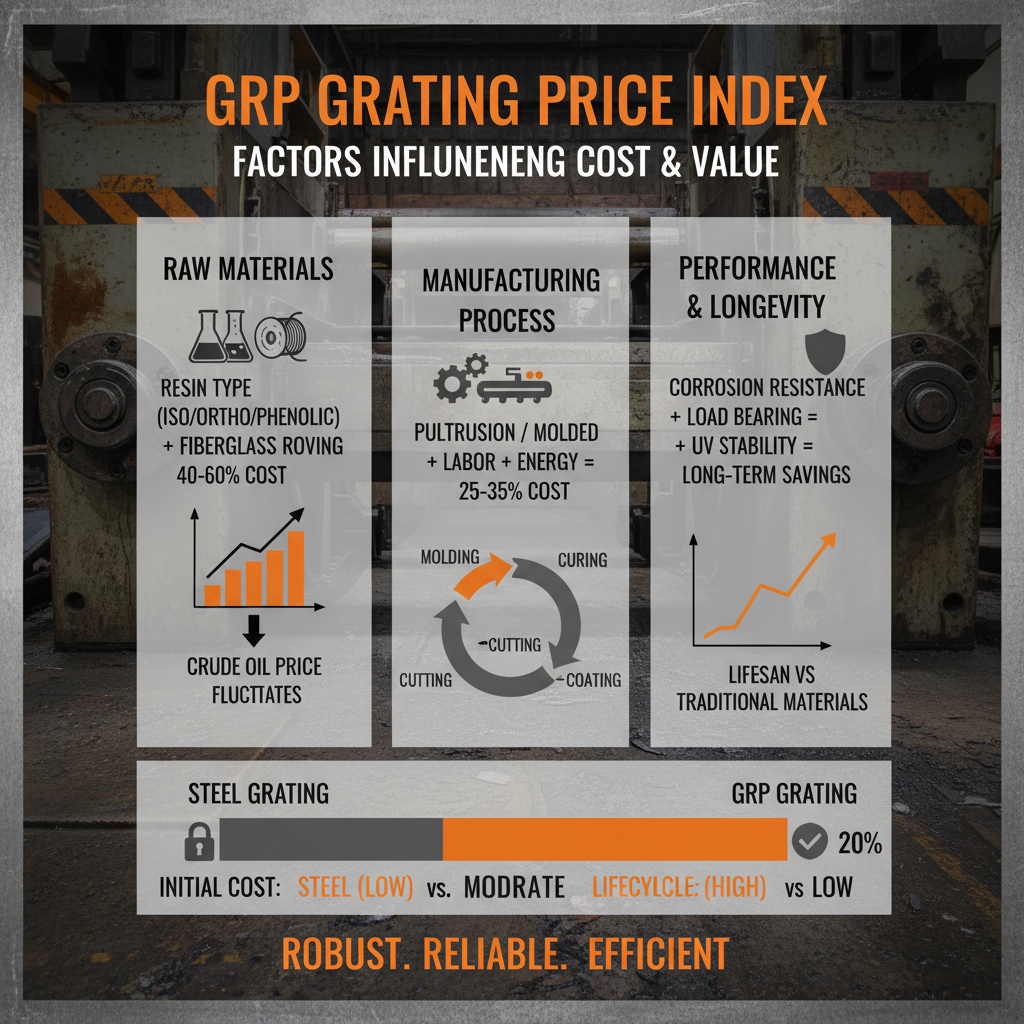
Several key factors contribute to the fluctuations in grp grating prices. The primary driver is the cost of raw materials, specifically the resin (typically polyester, vinyl ester, or epoxy) and fiberglass reinforcement. These material costs are subject to market volatility and global supply chain dynamics. Another important factor is the manufacturing process, with more complex designs and tighter tolerances leading to higher production costs and thus, higher grp grating prices.
The type of resin used significantly affects the price. Epoxy resins, offering superior strength and corrosion resistance, are generally more expensive than polyester resins. Furthermore, the grating's mesh size, panel thickness, and load-bearing capacity all impact the material required and, consequently, the grp grating prices. Volume orders typically receive discounted pricing, while custom orders often carry a premium.
Comparative grp grating prices Based on Resin Type
Global Applications of grp grating prices
Grp grating is utilized across a broad spectrum of industries globally, and the applications directly influence grp grating prices. In the oil and gas sector, its corrosion resistance makes it ideal for offshore platforms and refineries, demanding higher-quality (and thus, pricier) grp grating. Similarly, in wastewater treatment plants, grp grating’s resistance to chemicals drives up demand, impacting grp grating prices.
In post-disaster relief operations, lightweight and quickly deployable grp grating serves as temporary walkways and platforms, where cost-effectiveness is a primary concern. These applications often necessitate large volumes, allowing for more competitive grp grating prices through bulk purchasing. Moreover, in remote industrial zones, where transportation costs are high, the material’s light weight reduces shipping expenses, partially offsetting higher manufacturing grp grating prices.
Advantages and Long-Term Value of grp grating prices
While the initial cost of grp grating may sometimes be higher than traditional materials like steel, the long-term value proposition is significant. Grp’s inherent corrosion resistance eliminates the need for frequent repairs and replacements, drastically reducing lifecycle costs. This makes the overall grp grating prices more competitive when considering a project’s lifespan. The material also requires minimal maintenance, saving on labor and downtime.
Beyond cost savings, grp grating offers safety benefits due to its non-conductive properties and slip-resistant surface. This reduces the risk of accidents and enhances workplace safety. Furthermore, the use of grp grating contributes to sustainability by reducing the need for resource-intensive replacements, aligning with environmental responsibility and enhancing a company's reputation.
Future Trends in grp grating prices
The future of grp grating prices is likely to be influenced by several emerging trends. Increased adoption of sustainable manufacturing practices, including the use of recycled materials, could potentially lower production costs. Advancements in resin technology, such as bio-based resins, may offer more cost-effective and environmentally friendly alternatives, impacting grp grating prices positively.
Digital transformation and automation in manufacturing processes will likely streamline production and reduce labor costs, contributing to lower grp grating prices. Furthermore, the growing demand for customized grp grating solutions, driven by increasingly complex project requirements, may lead to more sophisticated pricing models that reflect the engineering and design input involved. Exploring novel composite materials and enhancing existing ones can affect the future grp grating prices and product capabilities.
Summary of Factors Affecting Future grp grating prices
| Technological Advancement |
Material Innovation |
Sustainability Initiatives |
Market Demand & Customization |
| Automation & Efficiency Gains |
Bio-Based Resin Development |
Recycled Material Integration |
Increased Demand for Bespoke Solutions |
| Digital Twin Technology for Design |
Enhanced Fiberglass Strength |
Reduced Carbon Footprint in Production |
Demand for Specialized Resin Composites |
| AI-Powered Manufacturing Optimization |
Development of Self-Healing Polymers |
Circular Economy Practices |
Greater Need for Lightweight & High-Strength Options |
| Predictive Maintenance Solutions |
Nanomaterial Integration for Durability |
Waste Reduction Strategies |
Focus on Long-Term Cost Effectiveness |
| Advanced Robotics in Production |
Development of Improved UV Resistance |
Eco-Friendly Packaging & Transportation |
Increased Demand in Marine Applications |
| Data Analytics for Price Optimization |
Exploration of Alternative Fiber Reinforcements |
Compliance with Environmental Regulations |
Growing need for customizable grating sizes and shapes |
FAQS
Several factors drive grp grating prices, including the type of resin used (polyester, vinyl ester, epoxy), the fiberglass reinforcement content, the grating’s thickness and mesh size, order volume, and manufacturing complexity. Raw material costs, labor expenses, and transportation also play a significant role. Understanding these elements enables better budgeting and cost negotiation.
Generally, larger order volumes result in lower grp grating prices due to economies of scale in manufacturing and reduced per-unit costs. Manufacturers often offer tiered pricing structures based on quantity, providing discounts for bulk purchases. Negotiating with suppliers and exploring potential volume discounts is a smart strategy.
Epoxy resins are typically the most expensive due to their superior strength, corrosion resistance, and performance in harsh environments. Vinyl ester resins fall in the middle range, offering a good balance of properties and cost. Polyester resins are the most affordable, suitable for less demanding applications. The choice of resin affects the grp grating prices.
Beyond the initial material cost, consider potential hidden costs such as shipping, installation, fasteners, cutting services, and any necessary safety equipment. Obtain a comprehensive quote that includes all associated expenses to avoid unexpected charges. Also, factor in potential long-term maintenance and replacement costs when comparing grp grating prices.
Custom grating designs, requiring specialized tooling, engineering, and fabrication, will typically increase the grp grating prices compared to standard, off-the-shelf products. The complexity of the design, including unique dimensions, load requirements, and cutouts, will influence the cost. Discuss customization options and pricing with your supplier early in the process.
While the initial grp grating prices may sometimes be higher, the long-term benefits often outweigh the cost. Grp offers superior corrosion resistance, reducing maintenance and replacement costs, is lightweight for easier installation, and is non-conductive for safety. Over its lifespan, grp grating often proves more cost-effective than steel.
Conclusion
In conclusion, understanding grp grating prices is crucial for effective project management and financial planning across diverse industries. The price isn’t simply a number; it’s a complex reflection of raw material costs, manufacturing processes, and project-specific requirements. By considering the factors outlined in this guide, from resin type to order volume, and recognizing the long-term value proposition, buyers can make informed decisions and secure the best possible value.
Looking ahead, ongoing innovation in materials and manufacturing techniques will continue to shape the grp grating prices landscape. Embracing sustainable practices and leveraging digital technologies will be key to optimizing costs and enhancing performance. We encourage you to explore our comprehensive range of grp grating solutions and contact our experts for personalized support in determining the optimal pricing for your specific needs. Visit our website: grp grating prices.