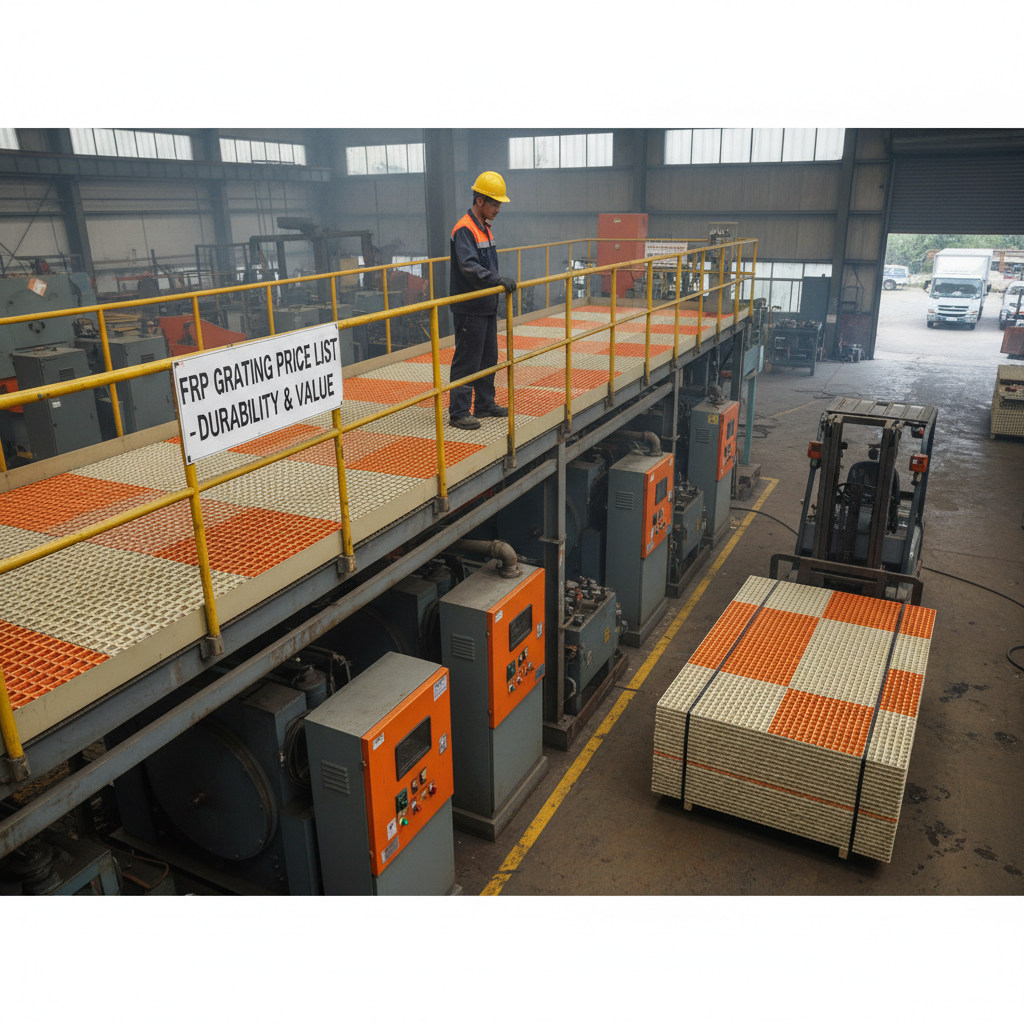
Understanding the nuances of frp grating price is crucial in today's industrial landscape. This isn’t merely about the cost of materials; it’s about optimizing project budgets, ensuring long-term durability, and ultimately, maximizing return on investment. Accurate assessment of frp grating price impacts decisions across numerous sectors, from infrastructure development to chemical processing and wastewater treatment. frp grating price is a critical factor in project feasibility and successful implementation.
The global demand for fiber-reinforced polymer (FRP) grating is steadily increasing, driven by a growing need for corrosion-resistant, lightweight, and durable materials. According to recent industry reports, the FRP grating market is expected to experience significant growth in the coming years, particularly in regions undergoing rapid infrastructure development. This heightened demand directly affects frp grating price, creating both opportunities and challenges for buyers and suppliers alike.
Effectively navigating the complexities surrounding frp grating price requires a thorough understanding of the factors influencing it – raw material costs, manufacturing processes, customization requirements, and market dynamics. This knowledge empowers businesses to make informed purchasing decisions and secure the best possible value for their investments. frp grating price is not static; it requires diligent monitoring and strategic sourcing.
The Importance of Understanding frp grating price
Accurately determining the frp grating price is more than just comparing quotes; it involves understanding the total cost of ownership, including installation, maintenance, and lifespan. Ignoring these factors can lead to hidden expenses and ultimately a less cost-effective solution. Effective budgeting and project planning rely heavily on a clear understanding of these cost components.
Furthermore, the choice of frp grating directly impacts safety and operational efficiency. Investing in high-quality grating, even at a slightly higher initial frp grating price, often translates to reduced downtime, fewer repairs, and a safer working environment for personnel. Therefore, a thorough cost-benefit analysis is vital when evaluating different options.
Global Market Overview of frp grating price
The global market for FRP grating is characterized by increasing competition and fluctuating raw material costs. The price of resins, fiberglass, and other key components directly impacts the final frp grating price. Geopolitical factors and supply chain disruptions can also contribute to price volatility. Understanding these dynamics is crucial for predicting future price trends.
Regions with significant industrial activity, such as North America, Europe, and Asia-Pacific, represent the largest consumers of FRP grating. Demand is particularly strong in industries like oil and gas, chemical processing, and wastewater treatment, where corrosion resistance is paramount. Different regions may experience varying frp grating price points due to transportation costs, import duties, and local regulations.
Currently, the average frp grating price varies widely depending on the type of grating (molded vs. pultruded), resin system used, and load-bearing capacity. However, there's a general trend toward price stabilization as manufacturing processes become more efficient and economies of scale are achieved. Nevertheless, it's essential to stay informed about current market conditions to secure the best possible price.
Defining frp grating price: A Comprehensive Look
frp grating price encompasses the total cost associated with acquiring and implementing FRP grating solutions. This extends beyond the initial material cost to include fabrication, delivery, installation, and potential long-term maintenance expenses. A clear understanding of each component is crucial for accurate budgeting and informed decision-making.
The price is heavily influenced by the specific type of FRP grating selected. Molded gratings, known for their versatility and cost-effectiveness, typically have a lower initial frp grating price compared to pultruded gratings, which offer superior strength and load-bearing capabilities. Customization, such as specific dimensions, mesh sizes, or resin systems, also adds to the overall cost.
Ultimately, defining frp grating price requires a holistic approach, considering both immediate costs and long-term value. Investing in quality FRP grating can result in significant savings over time due to reduced maintenance, increased lifespan, and improved safety, making it a worthwhile investment despite potentially higher initial expenses.
Key Factors Influencing frp grating price
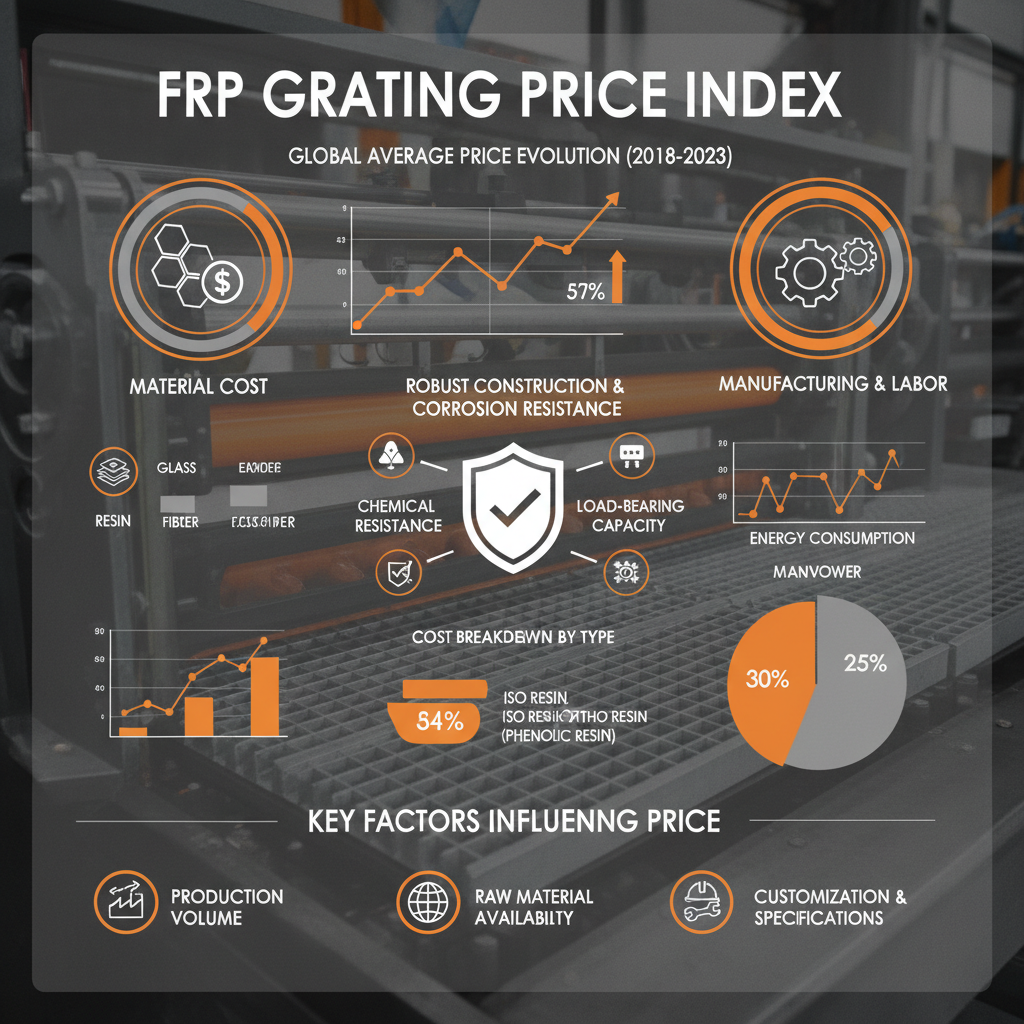
Several key factors dictate the final frp grating price. Raw material costs, particularly the price of resins (such as polyester, vinyl ester, and epoxy) and fiberglass reinforcements, are a major driver. Fluctuations in these commodity markets directly translate to changes in the price of FRP grating.
Manufacturing processes also play a significant role. Pultruded grating, requiring specialized equipment and skilled labor, typically commands a higher price than molded grating. Additionally, the complexity of the grating design, including custom dimensions, mesh sizes, and load-bearing requirements, impacts both manufacturing costs and the overall frp grating price.
Factors Affecting frp grating price
Global Applications and Use Cases of FRP Grating
FRP grating finds widespread application across numerous industries, owing to its exceptional corrosion resistance, high strength-to-weight ratio, and low maintenance requirements. In the chemical processing industry, it safeguards against harsh chemical environments, while in wastewater treatment plants, it resists degradation from corrosive effluents.
Oil and gas platforms utilize FRP grating extensively for walkways, stair treads, and structural supports, capitalizing on its non-conductive properties and durability in offshore conditions. Furthermore, FRP grating is increasingly employed in infrastructure projects, such as bridge decks and pedestrian walkways, where longevity and minimal maintenance are paramount.
Advantages and Long-Term Value of FRP Grating
The advantages of utilizing FRP grating extend far beyond the initial frp grating price. Its exceptional corrosion resistance significantly reduces maintenance costs and extends the lifespan of structures in harsh environments. This is particularly crucial in industries where downtime and repair expenses are substantial.
The lightweight nature of FRP grating simplifies installation, reducing labor costs and construction time. This benefit is amplified in challenging locations or projects with tight deadlines. Furthermore, its non-conductive properties enhance safety, minimizing the risk of electrical hazards. The long-term value proposition of FRP grating often outweighs the initial investment.
Future Trends and Innovations in FRP Grating
The FRP grating industry is witnessing ongoing innovation focused on enhancing performance, reducing costs, and improving sustainability. Research and development efforts are directed towards developing new resin systems with improved mechanical properties and environmental resistance.
The integration of smart technologies, such as embedded sensors for structural health monitoring, is emerging as a promising trend. These sensors can provide real-time data on load distribution, stress levels, and potential damage, enabling proactive maintenance and extending the lifespan of FRP grating installations.
Core Component Analysis of FRP Grating
| Component |
Impact on frp grating price |
Performance Contribution |
Future Development |
| Resin System (Polyester) |
Low |
Good chemical resistance, basic load support. |
Bio-based polyester resins |
| Fiberglass Reinforcement |
Medium |
Provides structural strength and rigidity. |
High-strength glass fibers with improved durability |
| Manufacturing Process (Molding) |
Medium |
Versatile for complex shapes, lower tooling costs. |
Automated molding processes for increased efficiency |
| Surface Coating |
Low to Medium |
UV protection, enhanced chemical resistance. |
Self-cleaning nano-coatings. |
| Design & Engineering |
Medium to High |
Optimized load distribution, tailored solutions. |
AI-driven design tools for optimal grating configurations. |
| Installation Method |
Low |
Ease of installation, reduced labor costs. |
Prefabricated grating modules for faster deployment. |
FAQS
The most significant factors impacting frp grating price are raw material costs (resin and fiberglass), the chosen manufacturing process (molded vs. pultruded), and customization requirements. Higher-performance resins, complex designs, and larger order volumes generally increase the price. Transportation and supplier margins also play a role. Understanding these elements allows for informed cost analysis.
Generally, pultruded grating has a higher initial frp grating price compared to molded grating. This is due to the more complex and precise manufacturing process involved in pultrusion. However, pultruded grating offers superior strength, load-bearing capacity, and dimensional stability, making it a valuable investment for demanding applications where performance is paramount.
FRP grating typically boasts a lifespan of 25-30 years, or even longer in less corrosive environments. This extended lifespan significantly enhances its cost-effectiveness compared to traditional materials like steel, which require frequent maintenance and replacement. The reduced life-cycle costs associated with FRP grating often justify a higher initial frp grating price.
Yes, several strategies can help reduce frp grating price without sacrificing quality. Standardizing dimensions and avoiding excessive customization can lower manufacturing costs. Negotiating with suppliers, exploring alternative resin systems, and optimizing order quantities can also lead to cost savings. Thoroughly evaluating your specific needs and selecting the appropriate grating type is essential.
Transportation costs can significantly impact the final frp grating price, especially for long-distance shipments or in remote locations. FRP grating is relatively bulky and lightweight, meaning shipping costs can be substantial. Sourcing materials from nearby suppliers or negotiating favorable shipping rates can help mitigate these expenses. frp grating price can fluctuate based on location.
Most reputable FRP grating manufacturers offer warranties covering defects in materials and workmanship. Warranty periods typically range from 5 to 10 years, but can vary depending on the specific product and application. A comprehensive warranty provides peace of mind and protects your investment in FRP grating. Be sure to carefully review the warranty terms and conditions before making a purchase.
Conclusion
In conclusion, understanding frp grating price isn't simply about finding the lowest upfront cost; it’s about evaluating the total lifecycle value, considering durability, maintenance, safety, and long-term performance. The initial investment in quality FRP grating can yield significant savings and enhanced operational efficiency over its lifespan.
Looking ahead, continued innovation in materials, manufacturing processes, and smart technologies will further optimize the cost-effectiveness and functionality of FRP grating. By staying informed about these trends and partnering with reputable suppliers, businesses can leverage the benefits of FRP grating to build robust, sustainable, and cost-effective infrastructure. For all your FRP grating needs, visit our website: www.hlfrp.com.