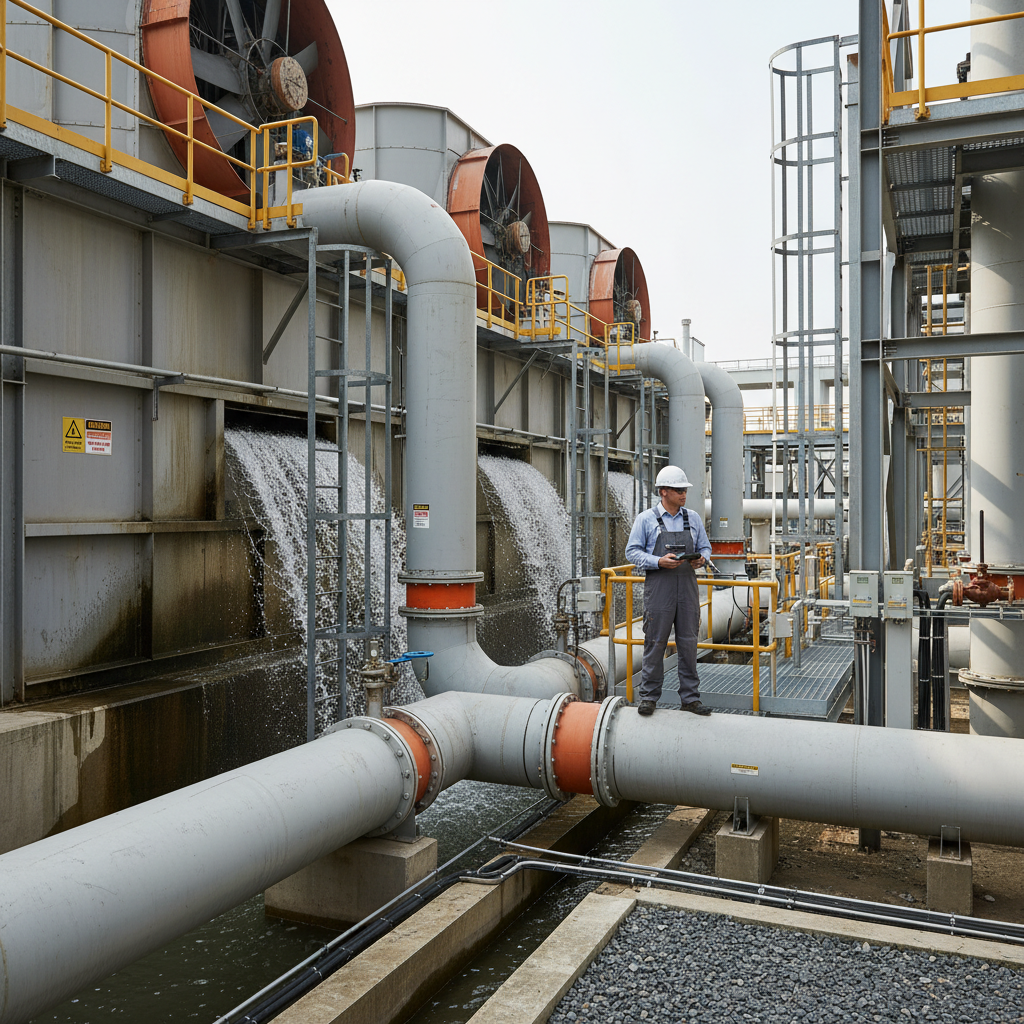
The global demand for efficient cooling solutions is constantly increasing, driven by factors like industrial growth, data center expansion, and rising temperatures due to climate change. Understanding the frp cooling tower price is crucial for businesses and organizations looking to optimize operational costs while maintaining reliable cooling performance. Careful consideration of price, performance, and longevity is essential in making informed investment decisions in this area.
The cost of a cooling tower is not simply a purchase price; it's an investment with long-term implications. Factors influencing frp cooling tower price extend beyond the initial material and manufacturing costs and include installation, maintenance, and lifespan. Choosing a tower with a lower upfront cost might lead to higher long-term expenses due to frequent repairs or reduced efficiency.
FRP (Fiber Reinforced Polymer) cooling towers are gaining prominence due to their corrosion resistance, lightweight nature, and lower maintenance requirements compared to traditional materials. The frp cooling tower price reflects these advantages, offering a balance between initial investment and long-term value. A thorough understanding of the different factors impacting the price enables informed decision-making.
Understanding the Drivers of frp cooling tower price
The frp cooling tower price is a complex equation influenced by numerous factors, extending beyond simply the cost of materials. Raw material prices, specifically the resins and reinforcing fibers used in FRP construction, have a significant impact. Global supply chain dynamics and fluctuations in petroleum-based product costs directly affect these material prices, and subsequently, the overall tower price.
Labor costs associated with manufacturing and installation also contribute substantially. Highly skilled technicians are required for FRP fabrication and proper tower setup, leading to increased expenses. Additionally, compliance with regional environmental regulations and safety standards adds to the overall cost, ensuring responsible manufacturing and operation.
Defining frp cooling tower price and its Relevance
frp cooling tower price refers to the total cost associated with acquiring, installing, and commissioning a cooling tower constructed from Fiber Reinforced Polymer materials. This price encompasses not only the manufacturing cost of the tower components but also expenses related to design, engineering, transportation, on-site assembly, and initial startup support.
Understanding the relevance of this price is paramount in modern industrial processes. Cooling towers are essential for heat rejection in power generation, chemical processing, HVAC systems, and various other applications. Accurate cost assessment allows businesses to budget effectively, optimize capital expenditure, and ensure the long-term profitability of their operations.
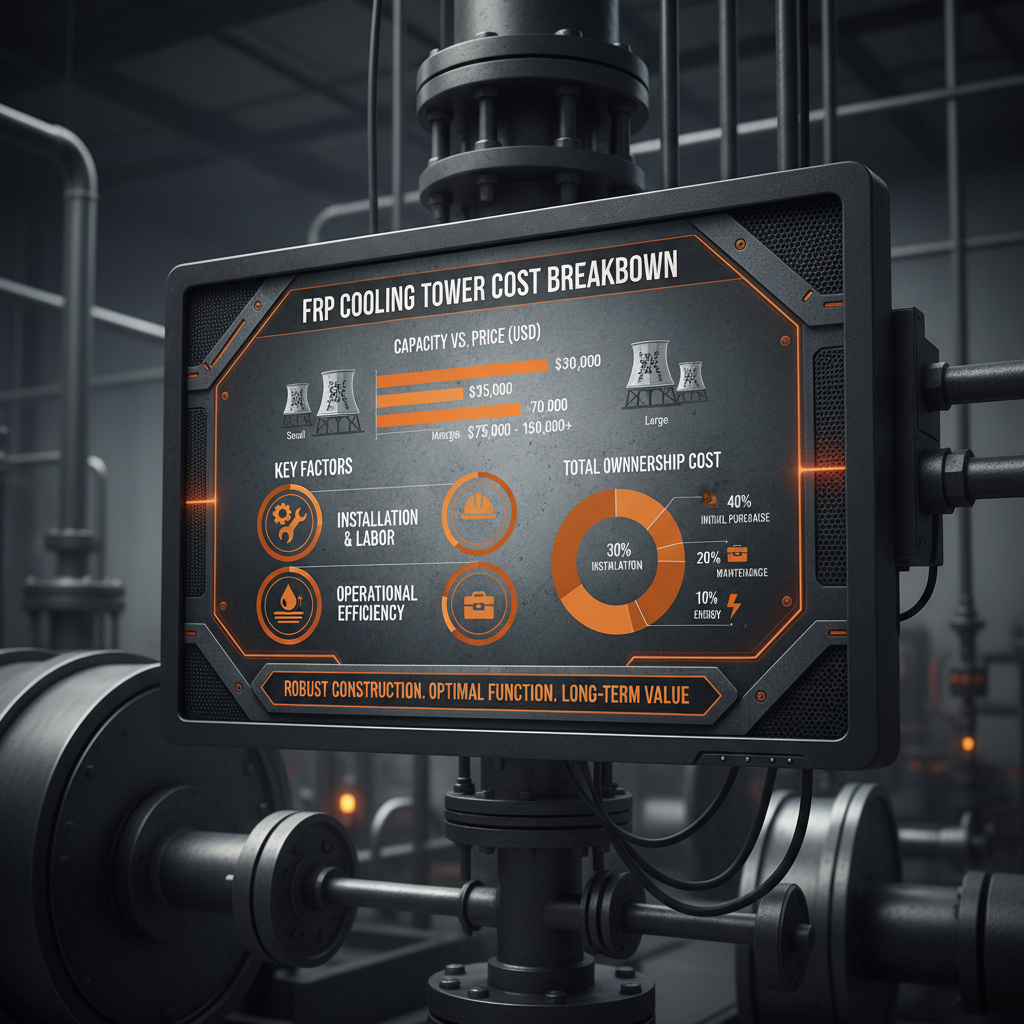
The relevance extends to sustainability initiatives. While the initial frp cooling tower price may be slightly higher than traditional materials, the extended lifespan and reduced maintenance of FRP towers contribute to a lower total cost of ownership and a smaller environmental footprint.
Core Components Affecting frp cooling tower price
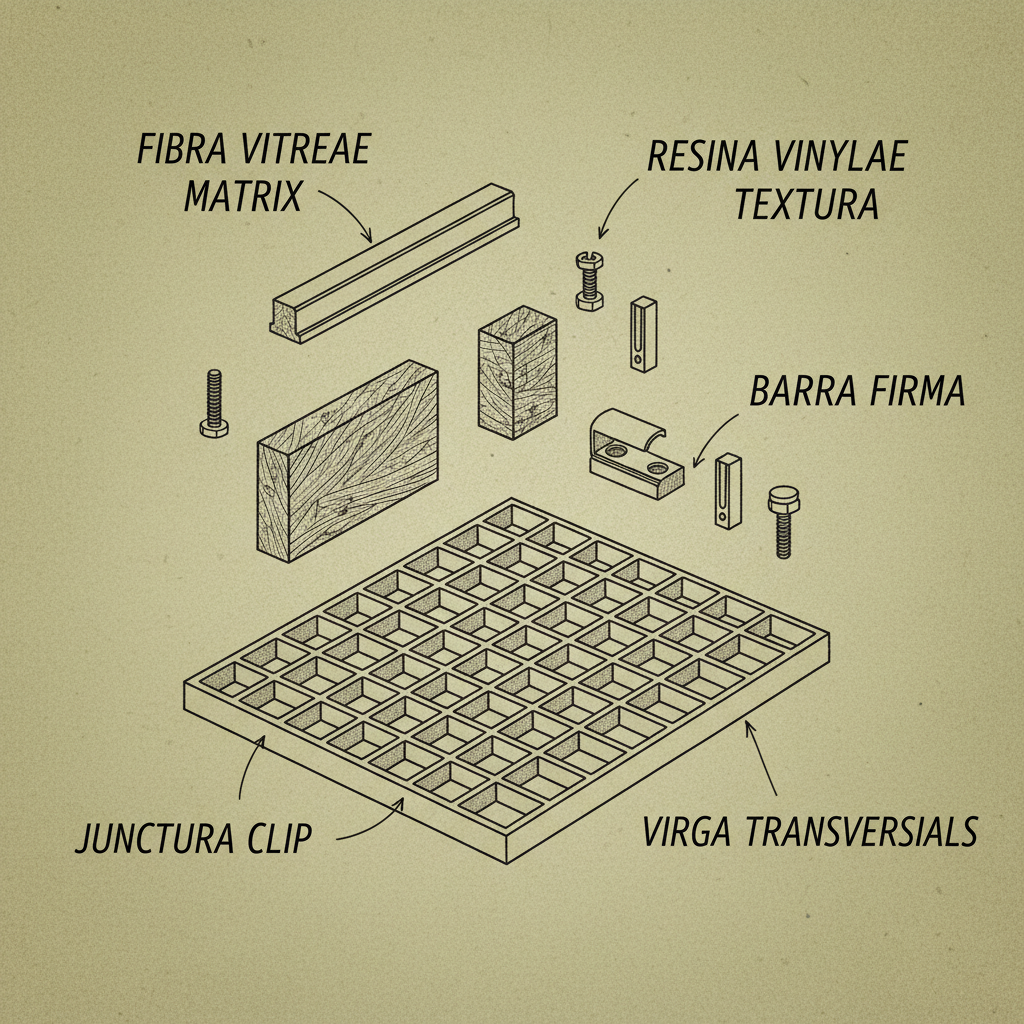
Several core components drive the frp cooling tower price. The FRP casing itself represents a substantial portion of the cost, with the type of resin (polyester, vinyl ester, epoxy) and the reinforcing fiber (glass, carbon) influencing the price significantly. Higher-performance materials offer improved durability and corrosion resistance but come at a premium.
The fill media, responsible for maximizing heat transfer, is another key cost driver. Different fill types – splash fill, film fill, or high-efficiency fill – vary in price based on their material and performance characteristics. The selection of fill media impacts both the initial cost and the operational efficiency of the tower.
Furthermore, the mechanical components like fans, motors, gearboxes, and water distribution systems contribute to the overall price. The size and capacity of these components are directly related to the tower’s cooling capacity, affecting their cost. The control systems, including sensors, automation controllers, and variable frequency drives (VFDs), also play a significant role, adding complexity and expense.
Analyzing frp cooling tower price by Capacity and Design
The frp cooling tower price is heavily dependent on the tower’s cooling capacity, typically measured in tons of refrigeration or gallons per minute (GPM). Larger capacity towers require more materials, larger fans, and more robust structural support, resulting in a higher price point.
Tower design also plays a crucial role. Crossflow towers, with air flowing perpendicular to the water stream, tend to be less expensive than counterflow towers, where air and water flow in opposite directions. Forced draft towers, utilizing fans to draw air through the tower, generally cost more than induced draft towers, which use a fan to exhaust air.
Global Applications and the Impact on frp cooling tower price
The demand for FRP cooling towers is global, driven by diverse industrial needs. Regions with significant power generation, such as China, the United States, and India, represent major markets. The frp cooling tower price can vary significantly between these regions due to differences in labor costs, material availability, and import tariffs.
Industries like petrochemicals, oil and gas, and mining, often located in harsh environments, are increasingly adopting FRP towers due to their corrosion resistance. In remote industrial zones, where maintenance access is limited, the reduced maintenance requirements of FRP towers are particularly valuable, justifying a potentially higher initial price.
Advantages and Long-Term Cost Benefits of FRP Towers
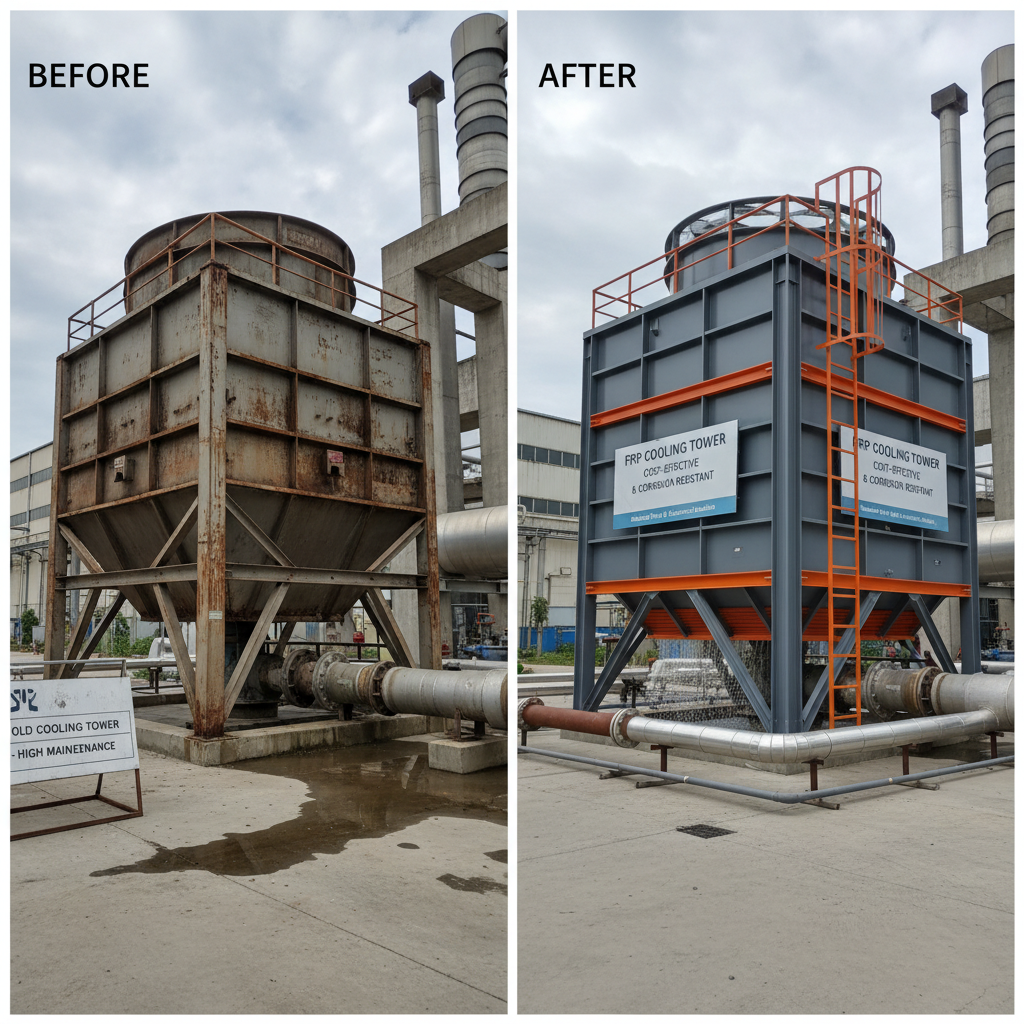
While the upfront frp cooling tower price might be higher than traditional materials like galvanized steel, the long-term benefits often outweigh the initial investment. FRP towers exhibit superior corrosion resistance, eliminating the need for costly repairs and replacements associated with steel towers in corrosive environments.
The lightweight nature of FRP reduces foundation requirements, lowering installation costs. The reduced maintenance demands translate into lower operational expenses and minimized downtime, maximizing productivity and profitability. These advantages contribute to a significantly lower total cost of ownership over the tower’s lifespan.
Future Trends and Price Forecasts for FRP Cooling Towers
Ongoing research and development are focused on enhancing the performance and reducing the frp cooling tower price of FRP materials. Innovations in resin formulations and fiber reinforcement techniques are leading to stronger, more durable, and cost-effective FRP components.
The integration of digital technologies, such as IoT sensors and data analytics, is optimizing cooling tower operation and extending lifespan, further reducing overall costs. A growing emphasis on sustainability and energy efficiency will continue to drive demand for FRP towers, potentially leading to economies of scale and lower prices in the future.
Increased adoption of modular design and prefabrication techniques will also contribute to cost reduction and faster installation times. The price forecast indicates a gradual decrease in FRP tower costs as technology advances and production volumes increase.
Summary of Key Factors Influencing FRP Cooling Tower Price
| Material Composition |
Tower Capacity (tons) |
Design Complexity |
Regional Factors (Labor/Shipping) |
| Resin type (Polyester, Vinyl Ester, Epoxy) |
50 Tons |
Crossflow |
North America (Low) |
| Fiber Reinforcement (Glass, Carbon) |
100 Tons |
Counterflow |
Europe (Medium) |
| Fill Media Type (Splash, Film, High Efficiency) |
200 Tons |
Forced Draft |
Asia (High) |
| Mechanical Components (Fans, Motors) |
300 Tons |
Induced Draft |
South America (Variable) |
| Control Systems (Sensors, Automation) |
400 Tons |
Hybrid |
Africa (Moderate) |
| Installation & Commissioning Costs |
500 Tons |
Custom Design |
Australia (High) |
FAQS
The biggest contributors to the frp cooling tower price are the cost of raw materials (resin and fiber reinforcement), the tower's cooling capacity, the selected design (crossflow, counterflow, etc.), and regional factors like labor and shipping. Specialized features and control systems also add to the price. Careful consideration of these elements is crucial for accurate budgeting.
Different resins offer varying levels of performance and durability. Polyester resins are the most economical, while vinyl ester resins provide better corrosion resistance at a moderate cost. Epoxy resins offer the highest performance but are also the most expensive. Choosing the right resin depends on the specific application and environmental conditions, impacting the frp cooling tower price accordingly.
FRP cooling towers typically have a lifespan of 20-30 years, significantly longer than traditional steel towers, especially in corrosive environments. While the initial frp cooling tower price may be higher, the reduced maintenance, fewer repairs, and extended lifespan translate into a lower total cost of ownership over the tower’s operational life.
Potential hidden costs can include site preparation, foundation requirements, electrical connections, and specialized lifting equipment. Transportation costs, particularly for larger towers, can also be significant. It's important to obtain a detailed quote that includes all associated costs to avoid unexpected expenses.
As tower capacity increases, so too does the frp cooling tower price. Larger towers require more materials, bigger fans, and a more robust structural design. The price increases are not linear; beyond a certain point, the cost rises exponentially with capacity. It’s essential to accurately determine cooling needs to avoid overspending on unnecessary capacity.
Global supply chain disruptions can significantly impact the availability and price of raw materials used in FRP manufacturing, such as resins and fibers. These disruptions can lead to increased lead times and higher costs. It’s crucial to work with a reliable supplier who can manage supply chain risks and provide timely delivery of components.
Conclusion
In conclusion, understanding the frp cooling tower price is a multifaceted process that requires careful consideration of numerous factors. From raw material costs and design choices to regional influences and long-term maintenance, each element contributes to the overall investment. Embracing FRP technology provides a pathway to improved efficiency, reduced operational expenses, and increased sustainability.
Looking ahead, continued innovation in materials science and manufacturing processes will likely lead to further cost reductions and performance enhancements in FRP cooling towers. By prioritizing life-cycle cost analysis and partnering with reputable suppliers, organizations can unlock the full potential of this technology and ensure a reliable, cost-effective, and environmentally responsible cooling solution. Visit our website today to learn more: www.hlfrp.com