The demand for cost-effective and rapidly deployable building materials is ever-increasing globally, driven by factors like disaster relief, affordable housing shortages, and the need for quick infrastructure solutions. Within this landscape, the 3mm frp sheet price is becoming increasingly relevant, offering a compelling combination of durability, affordability, and ease of installation. Understanding the nuances of this material – its pricing factors, applications, and long-term value – is critical for architects, builders, aid organizations, and anyone involved in construction or emergency response.
Globally, the construction industry is facing pressures to adopt more sustainable and efficient building practices. FRP (Fiber Reinforced Polymer) sheets, particularly the 3mm variety, present a viable solution. From providing temporary shelters after natural disasters to constructing durable industrial buildings, the versatility of these sheets is noteworthy. The 3mm frp sheet price reflects not just the material cost but also the potential savings in labor, maintenance, and long-term structural integrity.
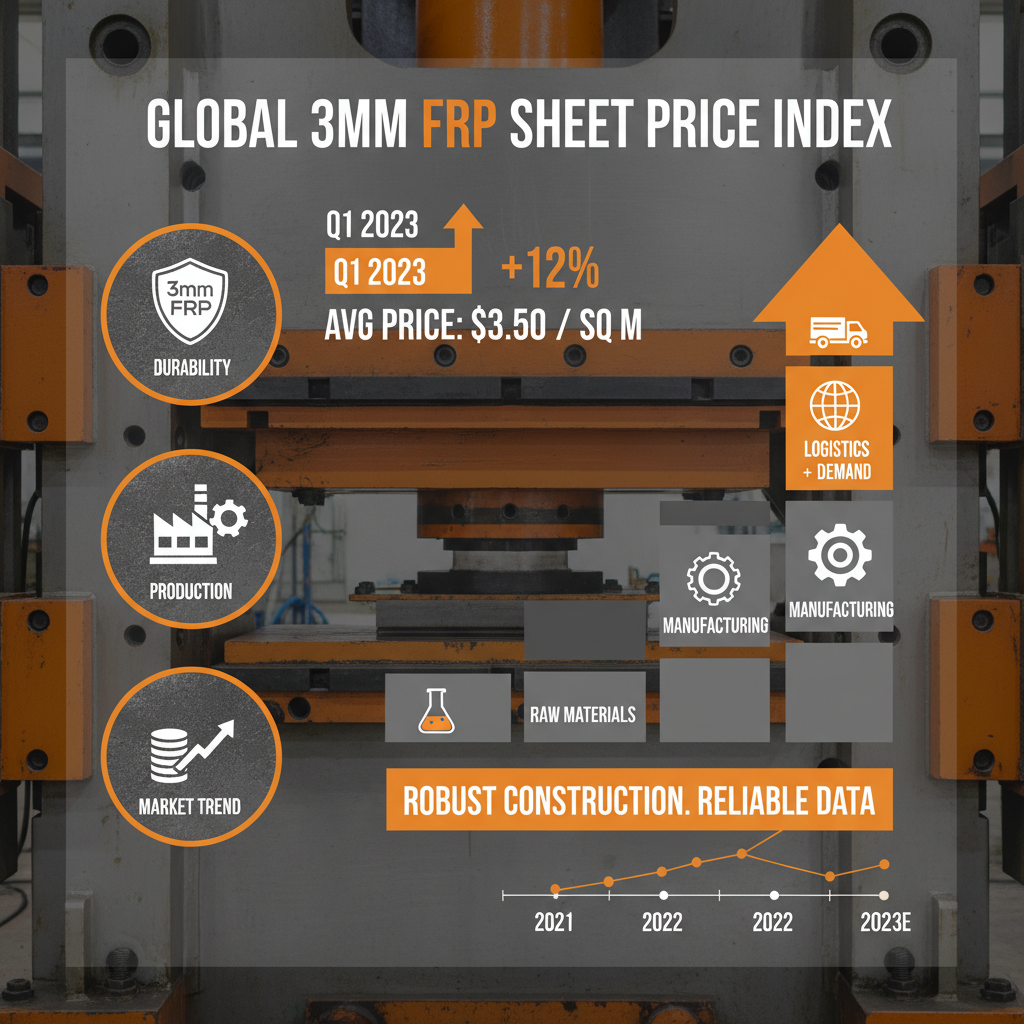
Fluctuations in raw material costs, manufacturing processes, and transportation logistics all contribute to variations in the 3mm frp sheet price. As the demand for these sheets continues to rise, alongside advancements in FRP technology, understanding the dynamic pricing structures and market trends is essential for informed decision-making and effective project planning.
Defining 3mm FRP Sheet Price
The 3mm frp sheet price refers to the cost per unit area (typically per square meter or square foot) of a Fiber Reinforced Polymer sheet with a thickness of 3 millimeters. This price is influenced by several factors, including the type of resin used (polyester, vinyl ester, epoxy), the reinforcing fibers (fiberglass, carbon fiber), the manufacturing process, and the supplier’s location and market conditions. Understanding these elements is crucial for budgeting accurately.
FRP sheets are becoming increasingly vital in modern construction and humanitarian applications. Their lightweight nature, high strength-to-weight ratio, and corrosion resistance make them ideal for diverse projects, from roofing and cladding to emergency shelters and mobile medical facilities. The 3mm frp sheet price often represents a sweet spot between cost and performance, making it an attractive option for a wide range of budgets and requirements.
Global Relevance and Industry Context
The global market for FRP composites is experiencing robust growth, driven by increasing demand from industries such as construction, automotive, aerospace, and marine. The 3mm frp sheet price is particularly sensitive to fluctuations in raw material costs, such as resin and fiberglass, which are influenced by global supply chains and energy prices. According to a report by Grand View Research, the global FRP market was valued at USD 84.46 billion in 2021 and is expected to grow at a compound annual growth rate (CAGR) of 11.9% from 2022 to 2030.
This growth is fueled by the increasing need for lightweight, durable, and corrosion-resistant materials. In developing countries, the 3mm frp sheet price offers an affordable solution for addressing housing shortages and improving infrastructure. Meanwhile, in developed nations, FRP sheets are gaining traction as a sustainable building material due to their long lifespan and low maintenance requirements. The ISO standards and industry best practices also influence the manufacturing quality and subsequently the price of these sheets.
A significant challenge this addresses is the need for rapid deployment solutions in disaster-stricken areas. Traditional building materials often require significant time and resources to transport and assemble. The 3mm frp sheet price, combined with the ease of installation, makes FRP sheets a game-changer in emergency response scenarios, providing quick and effective shelter for displaced populations.
Understanding the Core Components of FRP Sheet Pricing
The 3mm frp sheet price isn’t a single number; it's a composite of several factors. Firstly, the resin type – polyester, vinyl ester, or epoxy – significantly impacts the cost. Epoxy resins are typically the most expensive due to their superior strength and chemical resistance, influencing the final 3mm frp sheet price. Secondly, the type and amount of reinforcing fibers (typically fiberglass) contribute to the strength and rigidity, affecting the overall cost.
Manufacturing processes also play a role. Continuous lamination processes are generally more efficient and lead to lower production costs, thereby impacting the 3mm frp sheet price. Furthermore, sheet size, surface treatment (e.g., gel coat), and UV protection layers all add to the final price point. Transportation costs, tariffs, and supplier margins also contribute to regional price variations.
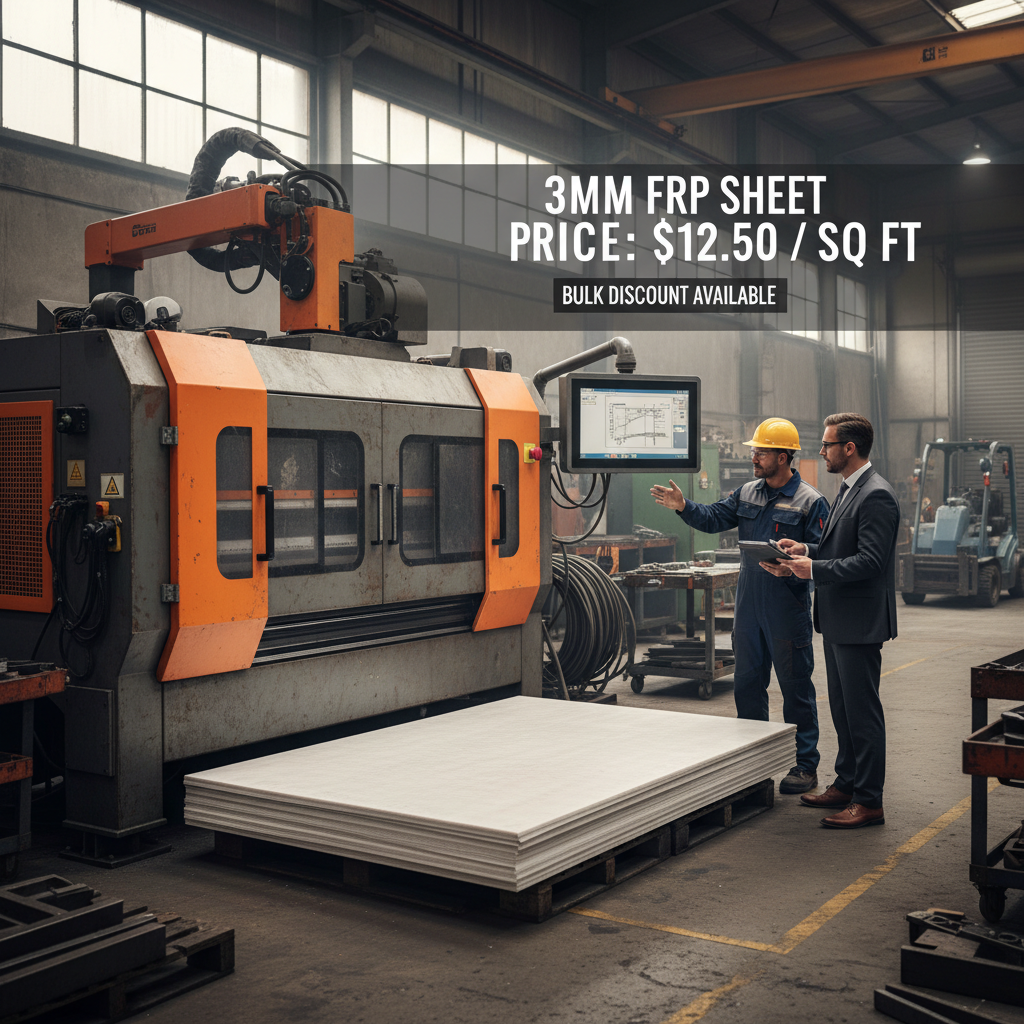
Finally, order volume significantly affects the 3mm frp sheet price. Larger orders often qualify for bulk discounts, making it more cost-effective for large-scale projects. Understanding these components allows buyers to negotiate effectively and make informed decisions based on their specific needs and budget constraints.
Applications of 3mm FRP Sheets Across Industries
The versatility of 3mm frp sheets allows for their implementation across various sectors. In construction, they’re extensively used for roofing, wall cladding, skylights, and facade systems. Their lightweight nature reduces structural load, potentially lowering foundation costs. Their corrosion resistance makes them ideal for coastal regions or corrosive industrial environments. The 3mm frp sheet price is competitive with traditional materials, especially when considering lifecycle costs.
In the agricultural sector, 3mm frp sheets are utilized for greenhouse coverings and livestock shelters. Their ability to diffuse light promotes plant growth while protecting animals from harsh weather conditions. The 3mm frp sheet price makes it an affordable solution for farmers looking to improve their facilities. Emergency response organizations deploy these sheets for creating temporary shelters, field hospitals, and sanitation facilities in disaster zones, relying on the quick install times and affordability.
Comparative 3mm FRP Sheet Price Analysis by Application
Advantages and Long-Term Value Proposition
One of the primary advantages of using 3mm frp sheets is their exceptional durability. They resist corrosion, weathering, and impact damage, resulting in a long service life and reduced maintenance costs. This translates into significant long-term savings compared to traditional building materials. The initial 3mm frp sheet price may be slightly higher, but the total cost of ownership is often lower.
Furthermore, the lightweight nature of FRP sheets simplifies installation, reduces labor costs, and allows for faster project completion times. Their design flexibility enables architects to create innovative and aesthetically pleasing structures. The sustainability aspect is also a major benefit, as FRP sheets can be manufactured using recycled materials and have a lower carbon footprint compared to some conventional alternatives.
Future Trends and Innovations in FRP Technology
Ongoing research and development are driving innovations in FRP technology, leading to even more cost-effective and sustainable solutions. One key trend is the development of bio-based resins, derived from renewable sources, which further reduce the environmental impact. These advancements aim to lower the 3mm frp sheet price while enhancing performance characteristics.
Another emerging trend is the integration of smart technologies into FRP sheets, such as embedded sensors for structural health monitoring. This allows for proactive maintenance and early detection of potential problems, maximizing the lifespan of the structure. Automation in the manufacturing process is also contributing to lower production costs and increased efficiency.
Challenges and Solutions in FRP Sheet Adoption
Despite the numerous advantages, the widespread adoption of 3mm frp sheets faces certain challenges. One key hurdle is the lack of awareness and understanding among builders and specifiers. Overcoming this requires educational initiatives and the dissemination of technical information regarding the benefits and proper installation techniques. The initial 3mm frp sheet price can sometimes be a barrier, especially for smaller projects.
Another challenge is the limited availability of standardized testing methods and certification programs. Developing industry-wide standards will enhance quality control and build confidence among potential users. Furthermore, improving the recyclability of FRP composites is crucial for promoting a circular economy and minimizing environmental impact.
Solutions include government incentives for using sustainable building materials, partnerships between manufacturers and research institutions to develop cost-effective production methods, and the implementation of robust quality control systems.
Summary of Key Considerations for 3mm FRP Sheet Selection
| Resin Type |
Fiber Content (%) |
UV Protection Level |
Estimated Price Range (USD/sq. meter) |
| Polyester |
30% |
Low |
12-15 |
| Vinyl Ester |
40% |
Medium |
15-18 |
| Epoxy |
50% |
High |
18-25 |
| Polyester with Film |
35% |
High |
14-17 |
| Vinyl Ester with Gel Coat |
45% |
Medium |
17-20 |
| Epoxy with Carbon Fiber |
60% |
High |
25-35 |
FAQS
The 3mm frp sheet price is predominantly influenced by the type of resin used (polyester, vinyl ester, or epoxy), the quantity and type of reinforcing fibers (fiberglass or carbon fiber), manufacturing processes, and prevailing market conditions related to raw material costs. The complexity of the sheet, such as surface treatments and UV protection, also adds to the price. Shipping and supplier location play a role as well.
While the upfront 3mm frp sheet price might sometimes be comparable or slightly higher than some traditional materials, FRP often offers a lower total cost of ownership. This is due to its superior durability, corrosion resistance, and low maintenance requirements. FRP’s lightweight nature can also reduce installation costs and structural support needs, contributing to overall savings.
3mm frp sheets excel in applications where corrosion resistance, lightweight construction, and durability are paramount. This includes roofing and cladding in coastal areas, agricultural structures, emergency shelters, and industrial facilities exposed to harsh chemicals. The balance of cost and performance makes them particularly well-suited for these scenarios.
Potential hidden costs can include specialized cutting and installation tools, proper ventilation during installation (especially with certain resins), and the need for compatible fasteners and adhesives. It's essential to factor in these ancillary expenses when calculating the total project cost related to the 3mm frp sheet price. Proper training for installers is also key to prevent errors.
With proper installation and maintenance, 3mm frp sheets can have a lifespan of 20-30 years or even longer, especially when high-quality resins and UV protection are used. This extended lifespan significantly reduces the need for repairs or replacements, resulting in substantial long-term cost savings. This longevity is a major factor influencing the overall value proposition beyond the initial 3mm frp sheet price.
Researching multiple suppliers, obtaining quotes from various sources, and verifying their certifications and quality control processes are crucial. Negotiate based on order volume, payment terms, and delivery schedules. Consider establishing a long-term relationship with a reputable supplier to secure competitive pricing and consistent quality. Checking online reviews and seeking recommendations from industry peers is also beneficial.
Conclusion
In conclusion, the 3mm frp sheet price represents a compelling blend of affordability, durability, and versatility, making it an increasingly attractive material for a wide range of applications. From construction and agriculture to emergency response and industrial sectors, the benefits of FRP sheets – including corrosion resistance, lightweight construction, and long lifespan – are undeniable. Understanding the factors influencing the price, from resin types to manufacturing processes, empowers informed decision-making.
Looking ahead, continued innovation in FRP technology, particularly the development of sustainable materials and smart features, promises to further enhance the value proposition. Addressing challenges related to awareness, standardization, and recyclability will be crucial for widespread adoption. For those seeking cost-effective, durable, and sustainable building solutions, exploring the possibilities of 3mm frp sheets is a worthwhile investment. Visit our website at www.hlfrp.com to learn more and request a quote.