You know, I’ve been running around construction sites for over a decade now, breathing in dust and smelling concrete. And let me tell you, things are changing. It's not just about bigger cranes or faster curing cement anymore. It's about composite materials, especially FRP. Frankly, everyone's talking about it – lightweight, strong, corrosion resistant…sounds too good to be true, right? It kinda is, in some ways. But there’s a reason everyone's chasing it.
To be honest, I've seen so many projects try to jump on the FRP bandwagon without really understanding what they're getting into. They see the specs, the weight savings, and think it’s a magic bullet. Have you noticed that? They forget that a material is only as good as its installation and the environment it's in. A lot of these manufacturers… well, they focus on the data sheets, not on what happens when a guy in a hard hat actually has to work with the stuff.
And honestly, it's a bit of a wild west out there. Different resins, different fiber types, different manufacturing processes… it all impacts performance. You’ve gotta know your stuff. We’re not just talking about cost, we’re talking about safety, longevity, and whether the thing is actually going to do what it’s supposed to. That's why I'm always banging on about testing and real-world applications.
The Latest Trends in FRP Manufacturing
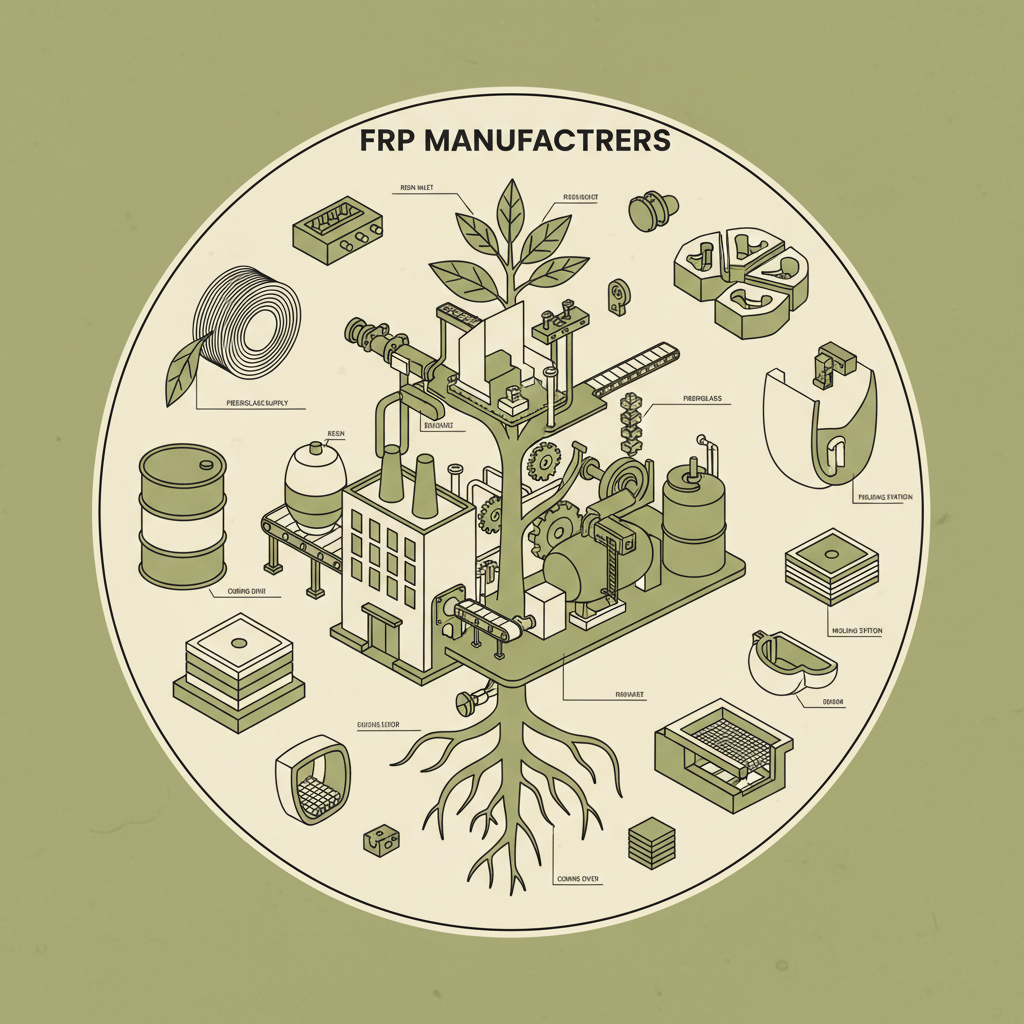
Strangely, one of the biggest trends I’m seeing isn't a new material but a refinement in manufacturing processes. Automated fiber placement, prepreg technology… it's all about precision and reducing waste. The big frp manufacturers are investing heavily in robotics, trying to get consistent quality and drive down costs. And it's working, slowly. There’s also a push for more sustainable resins – bio-based epoxies, that sort of thing. It’s good PR, sure, but also genuinely important.
It’s also about data. These guys are collecting more and more information about the performance of their materials in the field. They’re using sensors, monitoring strain, and trying to build predictive models. I'm not sure how accurate those models are yet, but it’s definitely a direction things are headed.
Common Design Pitfalls to Avoid
Honestly, one of the biggest mistakes I see is over-reliance on theoretical calculations. Engineers design these things in a lab, and it looks great on paper. But then you get out on the site, and things are different. The load distribution isn't what they expected, there's unexpected stress concentration, or the installation isn't perfect. You really need to factor in a safety margin, a big one, especially when dealing with FRP.
Another common issue is galvanic corrosion. You’ve got FRP in contact with steel, and if the environment is right, you get corrosion. It’s a pain. Proper isolation is key. And don't even get me started on UV degradation. Some resins just crumble in direct sunlight. You need to choose the right material for the application.
I encountered this at a wastewater treatment plant last time - the engineers specced a carbon fiber reinforced polymer for a walkway, thinking it was a good solution. Forgot to account for the constant exposure to harsh chemicals and UV light. It lasted about six months before it started cracking. Disaster.
A Deep Dive into Materials
Let's talk about materials. Carbon fiber? Lightweight, super strong, but expensive and brittle. Glass fiber? Cheaper, more impact-resistant, but not as stiff. Aramid fiber (Kevlar)? Tough stuff, good for ballistic protection, but absorbs moisture like a sponge. Then you’ve got the resins: epoxy, polyester, vinyl ester… each with its own strengths and weaknesses.
The epoxy, that's the good stuff. Smells awful when you work with it, kinda sweet and chemical-y, but it gives you the best strength and adhesion. Polyester is cheaper, but it’s more prone to shrinkage and cracking. And vinyl ester? Somewhere in between. I always tell the guys to wear respirators when handling epoxy – it’s not worth risking your lungs.
And it's not just about the raw materials. It’s about how they're combined. The fiber orientation, the resin content, the curing process... it all matters. A poorly made laminate is a waste of time and money. I’ve seen FRP that looks great on the surface but is full of voids inside. Useless.
Real-World Testing and Validation
Forget the lab tests. I mean, they’re important, sure, but they don’t tell you the whole story. You need to see how this stuff performs in the real world. I like to see load testing – actually putting the FRP under stress and seeing how it behaves. And not just static loads, but dynamic loads, simulating the vibrations and impacts it's going to experience in service.
I also like to see corrosion testing. Exposing the FRP to saltwater, chemicals, and UV light and seeing how it holds up over time. A lot of frp manufacturers will show you fancy test reports, but you gotta ask the right questions. What were the test conditions? How many samples were tested? Was the testing independent?
Comparative Performance of FRP Manufacturing Methods
How Users Actually Employ FRP
You know, sometimes it’s not what the engineers think people will do with this stuff, it’s what they actually do. I've seen FRP used as makeshift ramps, as bracing for temporary structures, even as patching material for concrete. It’s resourceful, but also a bit scary. It’s never good when the material is used for a purpose it wasn't designed for.
Anyway, I think the most common applications are structural reinforcement – strengthening bridges, repairing concrete columns, that sort of thing. It's also gaining traction in the marine industry – boat hulls, docks, that kind of stuff. Lightweight, corrosion-resistant, makes sense.
Advantages, Disadvantages, and the Balancing Act
Okay, the advantages are clear: lightweight, high strength, corrosion resistance. It can save you a lot of money on maintenance in the long run. But it’s not a silver bullet. It's more expensive upfront. Installation can be tricky. It’s susceptible to UV degradation and impact damage. And, like I said before, it’s only as good as the people working with it.
I think the key is finding the right balance. You need to weigh the costs and benefits carefully, considering the specific application and the environment. Don’t just assume that FRP is always the best solution. Sometimes, good old-fashioned steel is still the way to go.
It's a trade-off. Always is.
Customization Options and a Customer Story
Customization is huge. You can tailor the fiber orientation, the resin type, the laminate thickness to meet specific requirements. For example, I had a client last month, a small boss in Shenzhen who makes smart home devices. He insisted on changing the connector on a fiber optic cable we supplied to . Seemed like a good idea at the time, streamlining the whole thing, making it more “user-friendly”, he said. Result? Massive signal loss, and he had to ship back the whole batch. It turns out that the connector wasn't shielded properly for the frequencies we were using.
Anyway, I think that illustrates the point. Customization is great, but you need to understand the implications. You can't just change things on a whim. You need to test, validate, and make sure it actually works.
The frp manufacturers are getting better at offering custom solutions, but you still need to do your homework.
Key Considerations for FRP Material Selection
| Material Type |
Cost (1-10) |
Strength (1-10) |
Corrosion Resistance (1-10) |
| Carbon Fiber/Epoxy |
9 |
10 |
8 |
| Glass Fiber/Polyester |
4 |
6 |
7 |
| Aramid Fiber/Vinyl Ester |
7 |
8 |
9 |
| Hybrid (Carbon/Glass/Epoxy) |
8 |
9 |
8 |
| Basalt Fiber/Polyester |
5 |
7 |
6 |
| Recycled Carbon Fiber/Epoxy |
6 |
7 |
7 |
FAQS
Honestly? People think it's a plug-and-play solution. They see the weight savings and assume it's easy to install. But it's not. It requires skilled labor, proper surface preparation, and careful attention to detail. A lot of guys underestimate the amount of prep work involved.
That depends heavily on the environment, the quality of the materials, and the installation. A well-executed FRP repair in a relatively benign environment could last 20-30 years. But in a harsh marine environment, or exposed to constant UV radiation, you're looking at a much shorter lifespan. Proper maintenance is key.
Not necessarily. The upfront cost of FRP is often higher. But over the long term, it can save you money on maintenance and replacement. You have to factor in the lifecycle costs, not just the initial price. It's a complex calculation.
Respirators are a must when working with epoxy resins. You also need to protect your skin from contact with the chemicals. And be careful when cutting or grinding FRP – it can release dust that’s irritating to the lungs. Always follow the manufacturer's safety guidelines.
Poor surface preparation is a big one. You need to make sure the surface is clean, dry, and properly roughened before applying the FRP. Another common mistake is using the wrong resin or fiber type for the application. And inadequate mixing of the resin can lead to voids and weak spots.
It’s getting there. Recycling FRP is challenging because it's a composite material. But there are companies developing technologies to recover the fibers and resins. It’s still a relatively new field, but it’s gaining traction as sustainability becomes more important.
Conclusion
Ultimately, FRP offers a lot of potential – lightweighting, strength, corrosion resistance. But it’s not a magic bullet. It requires careful planning, skilled labor, and a thorough understanding of the materials and the application. You’ve gotta think about the whole lifecycle cost, not just the initial price.
Anyway, I think the future of construction is going to involve more and more composite materials. But it’s not going to happen overnight. We need better training for workers, more standardized testing procedures, and a more realistic assessment of the risks and benefits. Ultimately, whether this thing works or not, the worker will know the moment he tightens the screw.