head_nav
head_logo
suosou
lang
close

We Are Open 24 Hours a Day, 7 Days a Week, Including Weekends and Public Holidays.

lang
0%

Table of Contents

Look, I’ve been running around construction sites for, well, too long. Seen a lot of stuff. Lately, it’s all about lightweight, high-strength materials. Everyone’s chasing that, right? And it's not just about bragging rights. It’s about getting the job done faster, safer, and… honestly, cheaper. Fiber reinforced polymers – FRP – are having a moment. Used to be a niche thing, now it’s everywhere. frp grating manufacturers are popping up all over the place, which is good, but it also means quality control is… well, it's a bit of a mixed bag.

To be honest, a lot of these new designs look good on paper, but fall apart on site. Have you noticed how engineers love to overcomplicate things? I encountered this at a factory in Jiangsu province last time – this ridiculously complex grating system. Beautiful CAD drawings, but the installers were pulling their hair out. Too many tiny parts, too much fiddling. Simplicity is key, people! I swear, they spend more time designing than they do thinking about how it’s actually built.

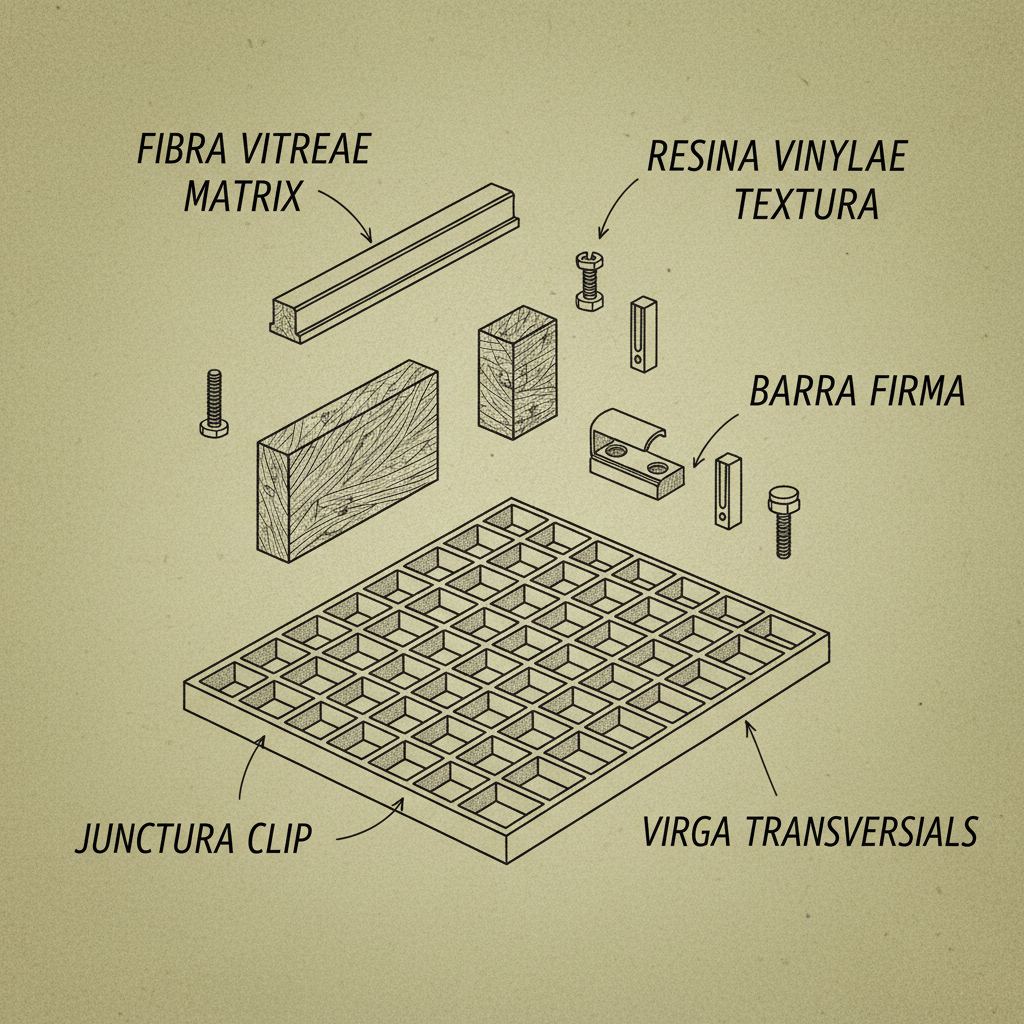
The core material, usually fiberglass and resin, feels… different than steel. It doesn’t have that cold, hard ring. It’s more of a muted thud. The smell when you cut it is… distinctive, kind of sweet and chemical. Not unpleasant, but you definitely know you’re working with something synthetic. We use a lot of vinyl ester resin – holds up better in corrosive environments. And the fiberglass… different weaves, different weights. The heavier the weave, the stronger it is, generally. But heavier also means harder to cut and handle. It's a trade-off.

Navigating FRP Grating Selection and Avoiding Common Pitfalls with Manufacturers

Industry Trends and Design Pitfalls

Navigating FRP Grating Selection and Avoiding Common Pitfalls with Manufacturers

Strangely enough, everyone's jumping on the "corrosion resistance" bandwagon. Which is great, honestly, especially for coastal stuff or chemical plants. But they forget about UV exposure. The sun beats down on these things, and some resins get brittle. We’ve seen it happen. FRP grating manufacturers should be shouting about UV stabilizers, but they don't always. And that whole "lightweight" thing? It's brilliant for installation, but sometimes it feels… flimsy. You need to get the thickness right.

There's a big push for modularity too, pre-fabricated sections. Makes sense, speeds things up. But it requires precise measurements. I’ve seen crews spend days shimming and adjusting because the pre-fab wasn’t quite right. And don’t even get me started on drainage. Everyone wants fancy drainage solutions, but a simple open grating is often the most effective and least problematic.

Material Deep Dive: Fiberglass & Resin

The fiberglass is the backbone, obviously. E-glass is the most common – good strength, relatively cheap. But S-glass… that’s the good stuff. Higher tensile strength, better heat resistance. Costs more, though. The resin is what holds it all together. Polyester is okay for basic stuff, vinyl ester is better for chemicals, epoxy is… well, epoxy is the king. Super strong, super resistant, but also super expensive. The mixing ratio is crucial. Too much resin, and it’s soft and sticky. Too little, and it’s brittle. The frp grating manufacturers need to get this right, every time.

It’s not just about the ingredients, it’s about how they’re combined. Proper wet-out of the fiberglass is essential. You need to make sure the resin penetrates every strand. And the curing process? That’s where a lot of problems happen. Temperature, humidity, cure time… all critical. A bad cure can weaken the whole thing.

And let’s not forget fillers! Calcium carbonate, silica… they add bulk and reduce cost. But too much filler weakens the resin. It’s a constant compromise. Anyway, I think understanding the material properties is half the battle.

Real-World Testing & Performance

Lab tests are fine, I guess. Tensile strength, flexural modulus, all that jazz. But it doesn’t tell you how it’ll hold up to a dropped wrench or a forklift bumping into it. We do our own testing, on site. Load testing, obviously. We put weight on it, see how much it deflects. We also do impact tests. Drop a weight from a certain height, see if it cracks. It’s not scientific, but it's realistic.

I once saw a grating fail because a worker left a heavy toolbox sitting on it overnight. It wasn't designed for a sustained load like that. The manufacturer said it met all the specs, but specs don’t account for human stupidity, do they? That’s why we always err on the side of caution. Over-engineer it, if you can.

Temperature cycling is another big one. Freeze-thaw cycles can really do a number on the resin. We've had issues in colder climates where the grating became brittle and cracked. The frp grating manufacturers need to consider the operating environment when selecting the resin.

How Users Actually Employ FRP Gratings

You’d think people would use it for walkways, platforms, that sort of thing. And they do. But we also see it used for all sorts of creative applications. Like, covering drainage ditches. Making custom handrails. Even building entire structures. I saw a guy in Dubai build a temporary bridge out of FRP gratings! It was… impressive, if a little terrifying.

They often underestimate the maintenance. People think "corrosion-resistant" means "zero maintenance." Not true. It still needs to be cleaned, inspected for cracks, and occasionally repaired. And it’s not always easy to repair. You need special epoxy resins and patching compounds.

Advantages, Disadvantages, and the Balancing Act

The biggest advantage? Lightweight, obviously. Easy to handle, easy to install. Corrosion resistance is huge, especially in harsh environments. And it’s non-conductive, which is a lifesaver in electrical applications. But it’s not perfect. It’s more expensive than steel, usually. It’s not as strong as steel, pound for pound. And it can be damaged by UV exposure and certain chemicals.

Comparative Performance of FRP Grating Methods


Customization Options: A Shenzhen Story

You want a specific color? Sure, they can tint the resin. You need a different mesh size? No problem. You want holes for cables or pipes? They can pre-cut them. But the more you customize, the more it costs.

Last month, that small boss in Shenzhen who makes smart home devices insisted on changing the interface to – for a walkway grating! He said it was "future-proof." I tried to explain that nobody's going to plug a USB cable into a walkway, but he wouldn’t listen. Ended up costing him a fortune, and it didn’t even improve the functionality. I mean, seriously.

Practical Considerations & The Final Test

Shipping is a pain. It’s bulky, and it can get damaged easily. Make sure it’s properly packaged. And installation… proper fasteners are crucial. Don’t skimp on the hardware. Use stainless steel, and make sure it’s compatible with the FRP. And always, always follow the manufacturer’s instructions.

It seems simple, but it's easy to mess up. Don't treat it like a DIY project unless you know what you’re doing. Get a qualified installer. Seriously. It's not worth the risk.

The other thing is, people forget about long-term loading. It's not just about the initial weight. What about snow load? Wind load? Dynamic loads from people walking or equipment moving? You need to factor all of that in.

Key Factors for FRP Grating Success

Application Environment Material Composition Installation Quality Long-Term Maintenance
Coastal/Marine Vinyl Ester Resin, E-Glass Professional Installation, Correct Fasteners Regular Cleaning, UV Coating Reapplication
Chemical Plant Epoxy Resin, S-Glass Sealed Installation, Leak Prevention Chemical Resistance Checks, Repair as Needed
Wastewater Treatment Polyester Resin, E-Glass Proper Drainage Integration Biofilm Removal, Structural Inspections
Food Processing FDA-Compliant Resin, E-Glass Hygienic Installation, Smooth Surfaces Sanitization Protocols, Crack Monitoring
Extreme Cold Climate Modified Epoxy Resin, S-Glass Expansion Joint Consideration Freeze-Thaw Cycle Inspections, Resin Repair
High UV Exposure UV Stabilized Polyester, E-Glass Secure Mounting, Minimize Surface Area UV Coating Reapplication, Material Degradation Checks

FAQS

What's the lifespan of FRP grating in a typical industrial environment?

That depends heavily on the environment. In a relatively mild environment, you can easily get 20-30 years out of it. But in a harsh chemical environment, or with heavy UV exposure, it might be closer to 10-15. Proper maintenance – regular cleaning and UV coating reapplication – can extend that significantly. frp grating manufacturers will give you numbers, but they often underestimate real-world conditions.

Is FRP grating a good option for walkways with heavy foot traffic?

It can be, but you need to select the right load rating and mesh size. A larger mesh size is more comfortable for walking, but it reduces the load-bearing capacity. You also need to consider the type of footwear people will be wearing. Heels can sink through a smaller mesh size. It’s all about finding the right balance.

How does FRP grating compare to aluminum grating in terms of cost?

Upfront cost, FRP is usually more expensive than aluminum. However, over the long term, FRP often becomes more cost-effective due to its corrosion resistance. Aluminum will corrode, especially in saltwater environments, requiring replacement. So, you have to factor in lifecycle costs. Plus, FRP is lighter, reducing installation costs.

Can FRP grating be easily cut and modified on site?

Yes, but you need the right tools. A standard circular saw will work, but you need a blade designed for cutting composites. It creates a lot of dust, so wear a respirator! And be careful not to delaminate the material. Pre-cutting at the factory is always preferable if possible.

What are the fire safety considerations for FRP grating?

FRP is combustible, but it generally has a low flame spread index. You need to check the fire rating of the specific product you’re using to ensure it meets local building codes. Some formulations are more fire-resistant than others. It's not going to stop a major fire, but it won't contribute to it rapidly either.

What should I look for when choosing a frp grating manufacturer?

Look for a manufacturer with a good reputation, a solid quality control system, and a willingness to provide technical support. Ask for references and visit their factory if possible. Don’t just go with the cheapest option. And make sure they can provide certifications and test data to back up their claims. Seriously, check their certifications.

Conclusion

Ultimately, FRP grating is a solid choice for a lot of applications. It’s lightweight, corrosion-resistant, and durable. But it’s not a magic bullet. You need to understand its limitations and select the right material and design for the specific application. It’s about finding the right balance between cost, performance, and longevity.

And look, at the end of the day, whether this thing works or not, the worker will know the moment he tightens the screw. If it feels solid, if it looks right, chances are it is. Trust your gut, and always prioritize safety. That's all that really matters.
Charles Wilson

Charles Wilson

Charles Wilson is the Logistics and Export Manager at Hebei Longxuan. He manages the complex process of international shipping and logistics, ensuring timely and cost-effective delivery of our FRP products to clients across North America. Charles has over 12 years of experience in supply chain management and a comprehensive understanding
Previous Navigating the World of FRP Manufacturers and Composite Material Applications
Next Navigating the World of FRP Tank Manufacturers and Composite Solutions
Can't Find The Products And Services You Need?
If you need our help,
Our staff will be happy to help and answer your questions!
 Factory Processing
Factory Processing
The factory processes raw materials into finished products using advanced machinery and skilled labor.
 Build Synergy
Build Synergy
We provide collaborative services tailored to client needs, ensuring seamless communication and mutual growth.
 Global Supply
Global Supply
Our innovative products are bestsellers worldwide, celebrated for their exceptional quality, reliability, and global appeal.
 Global Supply
Global Supply
We ensure consistent product availability through a reliable and efficient global supply network.

Address

20 Xingyuan South Street, Zaoqiang County, Hengshui City, Hebei Province, China

If you are interested in our products, you can choose to leave your information here, and we will be in touch with you shortly.