head_nav
head_logo
suosou
lang
close

We Are Open 24 Hours a Day, 7 Days a Week, Including Weekends and Public Holidays.

lang
0%

Table of Contents

Fast deployment housing, or frp type, represents a paradigm shift in addressing global housing crises and disaster relief. Traditionally, constructing shelters and permanent housing following natural disasters or in areas with critical housing shortages was a lengthy and resource-intensive process. This often left vulnerable populations exposed for extended periods, exacerbating suffering and hindering recovery. frp type offers a compelling solution by providing rapidly deployable, durable, and cost-effective housing options. This innovative approach has the potential to drastically reduce response times and improve living conditions for those in need, impacting communities across the globe.

The global need for affordable and sustainable housing is immense. According to the UN, over 1.6 billion people worldwide lack adequate housing, a number projected to increase with population growth and climate change-induced displacement. Existing construction methods often struggle to meet this demand, particularly in remote or challenging environments. frp type addresses this challenge by leveraging prefabricated components and innovative materials, significantly reducing construction time and labor costs. Its scalability makes it suitable for diverse applications, from emergency shelters to long-term housing solutions.

The adoption of frp type solutions is gaining momentum, driven by the escalating need for resilient infrastructure and sustainable development. Organizations and governments worldwide are increasingly recognizing the benefits of these technologies in addressing housing shortages, disaster preparedness, and refugee crises. Understanding the intricacies of frp type—from its design principles to its implementation challenges—is crucial for maximizing its impact and ensuring equitable access to safe and affordable housing for all.
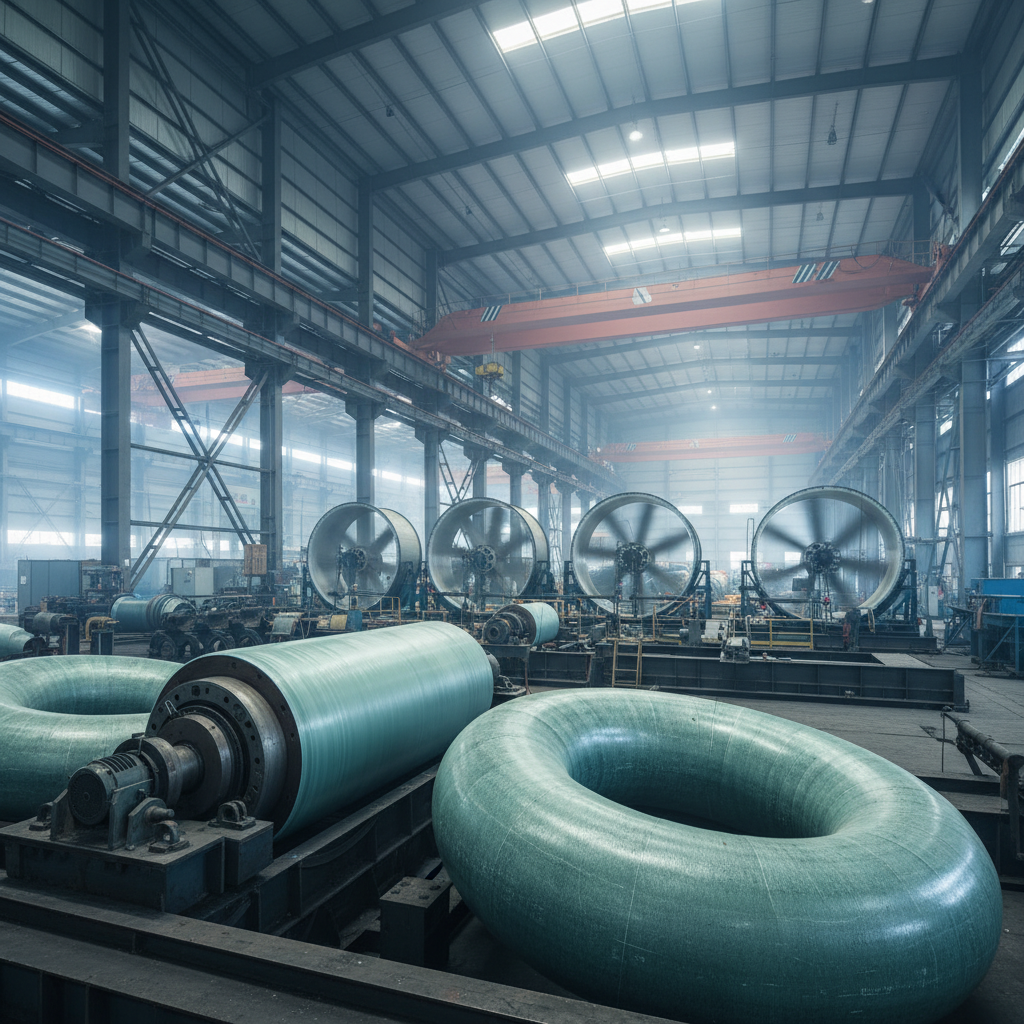
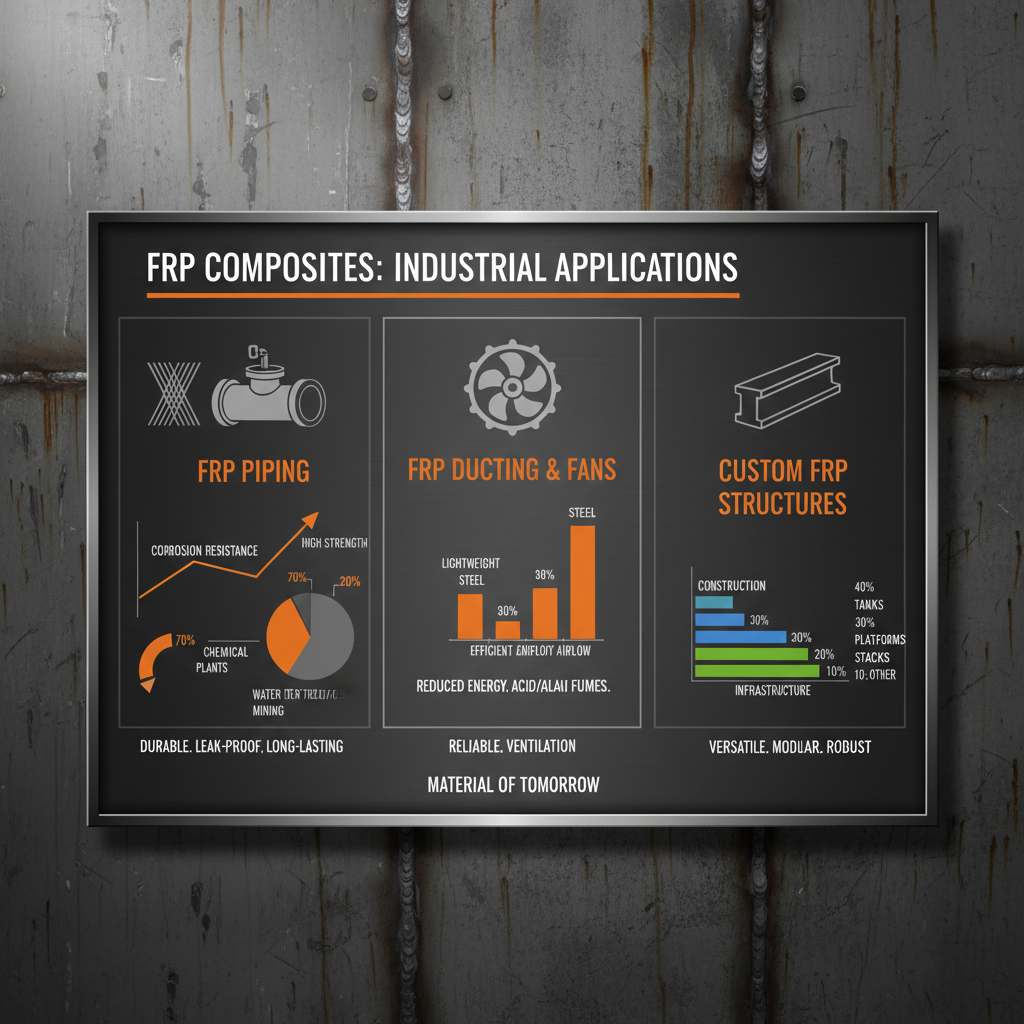
Advancing Global Housing Solutions with Innovative frp type Technology

Introduction to frp type

Advancing Global Housing Solutions with Innovative frp type Technology

frp type represents a fundamental shift in how we approach housing solutions, offering rapid deployment and a sustainable approach to shelter. These modular systems are engineered for speed and efficiency, making them ideal for emergency responses or areas facing housing shortages. The core principle behind frp type is to deliver safe, comfortable, and adaptable living spaces quickly and reliably, minimizing disruption and maximizing impact.

The construction process for frp type significantly differs from traditional building methods. Rather than building on-site, components are prefabricated in controlled factory settings, ensuring quality and precision. This streamlined approach reduces waste, lowers labor costs, and accelerates project timelines. Furthermore, the modular nature of frp type allows for easy expansion or modification, adapting to changing needs over time.

Global Relevance of frp type

The global demand for housing is escalating, driven by factors such as population growth, urbanization, and the increasing frequency of natural disasters. The World Bank estimates that over 330 million urban dwellers currently live in slums, highlighting the urgent need for affordable and adequate housing solutions. frp type offers a viable path towards addressing this challenge, particularly in developing countries and regions recovering from conflict or disaster.

Climate change is exacerbating existing housing vulnerabilities, with extreme weather events displacing millions annually. Traditional construction methods are often ill-equipped to withstand these challenges, leading to widespread damage and prolonged displacement. frp type solutions are designed with resilience in mind, utilizing durable materials and structural designs that can withstand harsh conditions. This makes them particularly valuable in disaster-prone regions.

Moreover, the international community is increasingly focused on sustainable development goals (SDGs), including access to adequate housing (SDG 11). frp type aligns with these goals by promoting resource efficiency, reducing environmental impact, and providing safe and affordable housing options for all. Its potential to contribute to long-term social and economic stability makes it a critical component of global development initiatives.

Defining frp type

frp type, in its simplest form, describes a building approach that utilizes prefabricated, modular components to create functional and habitable spaces. These structures can range from simple emergency shelters to complex multi-story buildings, offering flexibility and adaptability to meet diverse needs. The "frp" element often alludes to the materials used – Fiber Reinforced Polymers – known for their strength, lightweight nature, and corrosion resistance.

Unlike conventional construction, frp type minimizes on-site construction time and labor. The components are manufactured in a factory setting, allowing for greater quality control and efficiency. This modularity also facilitates ease of transport and assembly, making it particularly suitable for remote locations or disaster zones where traditional construction infrastructure is limited. Its rapid deployability is a defining characteristic.

The adoption of frp type is directly connected to addressing modern humanitarian and industrial needs. In disaster relief, it provides immediate shelter for displaced populations. In industrial settings, it offers rapid construction of worker housing or site offices. Furthermore, its scalability and cost-effectiveness are making it a viable solution for addressing chronic housing shortages in both developed and developing nations.

Key Components of frp type

One crucial factor is Durability. frp type structures are typically built using robust materials—often incorporating fiber-reinforced polymers—designed to withstand harsh weather conditions, seismic activity, and prolonged use. This ensures a long lifespan and minimizes maintenance requirements, offering long-term cost savings.

Scalability is another defining feature. The modular nature allows for flexible expansion and adaptation. Units can be easily combined to create larger structures or modified to suit specific needs, making frp type suitable for a wide range of applications, from single-family homes to multi-story apartment buildings.

frp type Component Performance Ratings


Applications of frp type Worldwide

In post-disaster relief operations, frp type shelters provide immediate housing for displaced populations, offering a safe and secure environment while longer-term solutions are being developed. Organizations such as the Red Cross and Habitat for Humanity are increasingly incorporating these systems into their emergency response plans.

frp type is also gaining traction in remote industrial zones, where constructing traditional housing can be logistically challenging and expensive. Mining camps, oil fields, and research stations benefit from the rapid deployment and adaptability of these modular structures, providing comfortable living quarters for workers and researchers.

Advantages and Long-Term Value of frp type

The most immediate benefit of frp type is Cost Efficiency. Prefabrication and reduced on-site labor translate into significant cost savings compared to traditional construction. These savings can be reinvested in other essential services or used to expand housing initiatives. Furthermore, the reduced construction timeline minimizes financial burdens associated with project delays.

From a sustainability perspective, frp type offers a lower environmental footprint. The controlled factory environment minimizes waste, and the materials used are often recyclable or sustainably sourced. This contributes to a circular economy and reduces the overall impact on the planet. The long-term durability of these structures also minimizes the need for frequent replacements, reducing resource consumption.

Future Trends in frp type

Integration with smart home technologies is a key trend. Embedding sensors and automation systems into frp type structures will enhance energy efficiency, improve security, and provide residents with greater control over their living environment. This convergence of modular construction and smart technology will create truly intelligent and responsive homes.

The development of new materials – including bio-based and self-healing polymers – will further enhance the sustainability and durability of frp type. These innovative materials will reduce the reliance on fossil fuels and minimize environmental impact. Moreover, advancements in digital fabrication techniques, such as 3D printing, will enable greater customization and design flexibility.

Policy changes and regulatory frameworks are also playing a crucial role. Governments are increasingly recognizing the benefits of frp type and are streamlining building codes and approval processes to encourage its adoption. This will accelerate the widespread implementation of these innovative housing solutions and promote sustainable development.

FAQS

How does the cost of frp type compare to traditional construction?

Generally, frp type can be more cost-effective than traditional construction, particularly for projects requiring rapid deployment or located in remote areas. The savings stem from reduced labor costs, minimized waste, and faster construction timelines. While the initial material costs may sometimes be higher, the overall lifecycle cost is often lower due to reduced maintenance and increased durability. A detailed cost analysis should be conducted for each specific project to compare the two approaches.

What is the lifespan of a typical frp type structure?

The lifespan of an frp type structure varies depending on the materials used, the climate, and the level of maintenance. However, well-maintained structures built with high-quality fiber-reinforced polymers can easily last for 50 years or more. These materials are resistant to corrosion, rot, and insect damage, contributing to their longevity. Regular inspections and preventative maintenance are crucial for maximizing the lifespan.

Is frp type environmentally friendly?

frp type can be significantly more environmentally friendly than traditional construction. The manufacturing process generates less waste, and the materials can often be recycled or sustainably sourced. The reduced construction time also minimizes disruption to the surrounding environment. However, the environmental impact depends on the specific materials used and the transportation distances involved. Opting for bio-based polymers and local sourcing can further enhance sustainability.

Can frp type structures be customized?

Yes, frp type structures offer a high degree of customization. While the modular nature provides a standardized framework, the internal layout, finishes, and external cladding can be tailored to meet specific needs and aesthetic preferences. Advanced digital fabrication techniques, such as 3D printing, are further expanding customization possibilities, allowing for complex designs and unique features.

What permits and regulations are required for frp type construction?

Permitting requirements for frp type construction vary depending on the location and the intended use of the structure. It's essential to consult with local building authorities to determine the specific regulations that apply. In some areas, frp type may be treated similarly to traditional construction, while in others, it may fall under a separate category with specific guidelines. Early consultation with regulators can streamline the approval process.

How resistant are frp type structures to extreme weather events?

frp type structures can be engineered to withstand a wide range of extreme weather events, including hurricanes, earthquakes, and heavy snowfall. The use of durable materials, such as fiber-reinforced polymers, and robust structural designs provides excellent resistance to wind loads, seismic forces, and impact damage. Proper anchoring and foundation design are also crucial for ensuring stability and preventing structural failure during extreme weather.

Conclusion

frp type represents a transformative approach to housing and shelter, offering a compelling solution to global challenges ranging from disaster relief to affordable housing shortages. Its key strengths—rapid deployment, cost-effectiveness, durability, and sustainability—position it as a vital tool for building more resilient and equitable communities worldwide. As technology advances and regulatory frameworks evolve, the potential of frp type will only continue to grow.

Looking ahead, continued investment in research and development, coupled with proactive policy support, will be crucial for unlocking the full potential of frp type. By embracing innovation and collaboration, we can leverage these technologies to create a future where everyone has access to safe, affordable, and sustainable housing. To learn more about frp type solutions and how they can benefit your organization or community, visit our website: www.hlfrp.com.


Charles Wilson

Charles Wilson

Charles Wilson is the Logistics and Export Manager at Hebei Longxuan. He manages the complex process of international shipping and logistics, ensuring timely and cost-effective delivery of our FRP products to clients across North America. Charles has over 12 years of experience in supply chain management and a comprehensive understanding
Previous Exploring the Diverse Landscape of Types of Fiber Reinforced Plastic Materials
Next Exploring Diverse Fiber Reinforced Polymer Types and Their Applications
Can't Find The Products And Services You Need?
If you need our help,
Our staff will be happy to help and answer your questions!
 Factory Processing
Factory Processing
The factory processes raw materials into finished products using advanced machinery and skilled labor.
 Build Synergy
Build Synergy
We provide collaborative services tailored to client needs, ensuring seamless communication and mutual growth.
 Global Supply
Global Supply
Our innovative products are bestsellers worldwide, celebrated for their exceptional quality, reliability, and global appeal.
 Global Supply
Global Supply
We ensure consistent product availability through a reliable and efficient global supply network.

Address

20 Xingyuan South Street, Zaoqiang County, Hengshui City, Hebei Province, China

If you are interested in our products, you can choose to leave your information here, and we will be in touch with you shortly.