In the demanding landscape of industrial thermal management, the filter cooling tower emerges as a critical intersection of filtration technology and heat exchange. As global industries push toward higher efficiency and stricter environmental compliance, the ability to cool process water while simultaneously removing airborne contaminants and particulates has become a non-negotiable requirement for sustainable operations.
The integration of advanced filtration within a cooling system prevents the accumulation of debris and organic matter, which otherwise leads to scaling, corrosion, and biofouling. By employing a filter cooling tower, enterprises can significantly reduce their water consumption and maintenance downtime, ensuring that the heat rejection process remains optimal even in harsh environmental conditions.
Understanding the mechanics and application of these systems is essential for engineers and plant managers aiming to maximize the lifecycle of their equipment. From the use of Glass Fiber Reinforced Plastics (FRP) for corrosion resistance to the optimization of airflow, the modern filter cooling tower represents a leap forward in industrial reliability and ecological stewardship.
Global Relevance of Filter Cooling Tower Systems
On a global scale, the demand for efficient heat rejection is surging due to the expansion of data centers, petrochemical plants, and power generation facilities. According to industrial benchmarks aligned with ISO energy efficiency standards, poor water quality in cooling systems can lead to a 10-20% decrease in heat transfer efficiency. This is where the filter cooling tower becomes indispensable, as it addresses the critical challenge of "fouling"—the accumulation of unwanted material on heat transfer surfaces.
In regions with high ambient dust or recycled water usage, the risk of system failure increases. The implementation of integrated filtration prevents the clogging of fill media and nozzles, ensuring that the cooling process remains consistent. By mitigating these risks, companies can avoid catastrophic equipment failure and reduce the frequency of expensive chemical cleaning cycles.
Defining the Filter Cooling Tower Mechanism
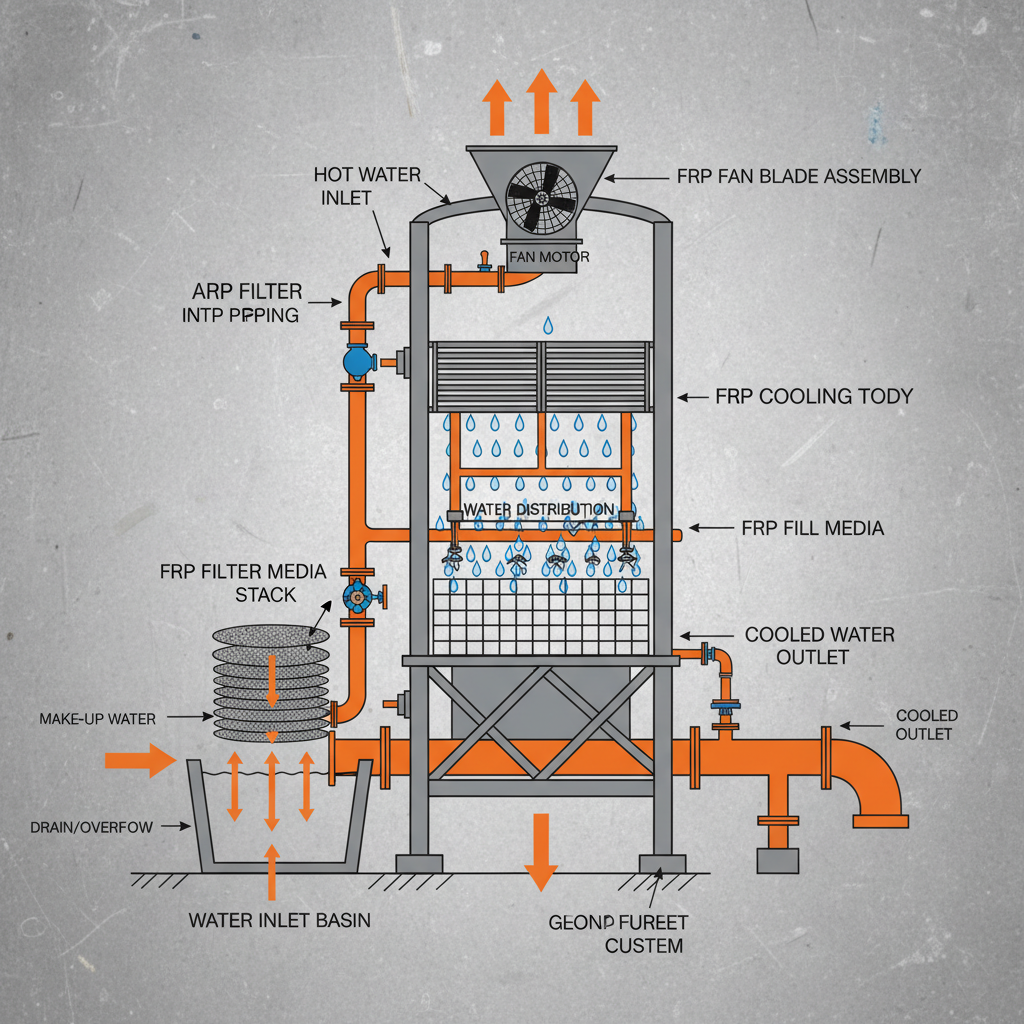
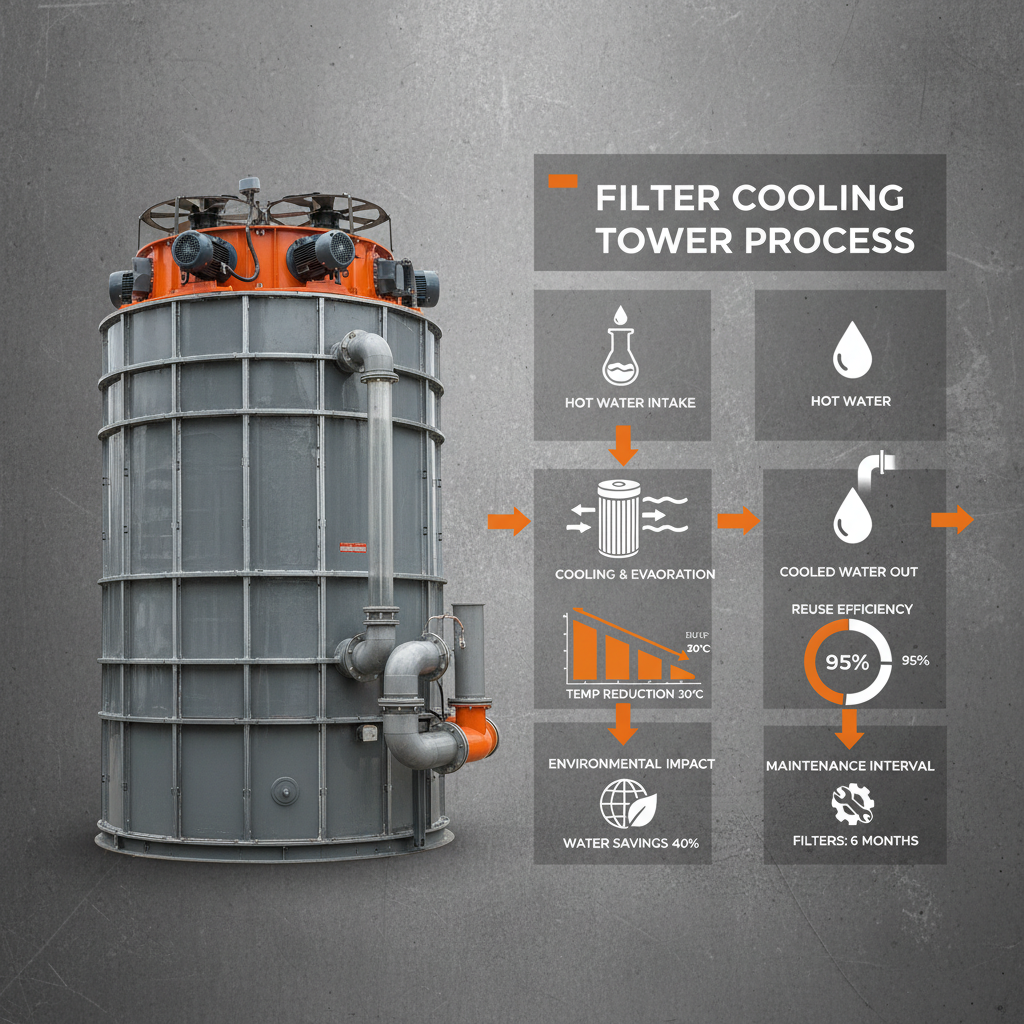
A filter cooling tower is a specialized heat exchanger that combines the evaporative cooling process with a robust filtration stage. Unlike standard towers that simply circulate water and air, these systems utilize advanced filter media to capture particulates, organic debris, and airborne contaminants before they can enter the primary heat exchange loop or contaminate the cooling water reservoir.
This synergy is vital for modern humanitarian and industrial needs, particularly in water-stressed regions where "closed-loop" or "recycled water" systems are mandated. By filtering the air and water, the system ensures that the water can be reused multiple times without degrading the internal components, thereby reducing the strain on local freshwater resources.
Essentially, the mechanism operates by drawing warm water over a fill medium while simultaneously passing air through a filtration layer. This prevents the "rain-out" of pollutants into the cooling basin and ensures that the air used for cooling is clean, which optimizes the latent heat of vaporization and improves overall thermal performance.
Core Components and Material Durability
The structural integrity of a filter cooling tower depends heavily on the materials used. The shift toward Glass Fiber Reinforced Plastic (FRP) has revolutionized the industry, providing a lightweight yet incredibly strong alternative to stainless steel or galvanized iron, which are prone to corrosion in moist, chemically active environments.
Central to the system is the filter medium, often constructed from synthetic polymers or specialized FRP meshes. This component is designed to maximize the surface area for particle capture while minimizing pressure drop, ensuring that the filter cooling tower does not consume excessive energy to move air through the system.
Other critical elements include the high-efficiency draught fan and the water distribution system. When these components are integrated with high-grade FRP profiles, the resulting structure is resistant to UV degradation and chemical attack, ensuring a operational lifespan that often exceeds 20 years with minimal structural maintenance.
Key Performance Factors for Efficiency
To maximize the output of a filter cooling tower, engineers focus on several key metrics: airflow velocity, water-to-air ratio, and the filtration efficiency rate. A perfectly balanced system ensures that water is cooled to the lowest possible approach temperature without causing excessive energy draw from the fans.
Scalability is also a primary concern. Modular designs allow facilities to expand their cooling capacity by adding cells to the filter cooling tower array, ensuring that as production increases, the thermal management system can keep pace without requiring a total redesign of the infrastructure.
Efficiency Comparison of Filter Cooling Tower Configurations
Industrial Applications Across Global Sectors
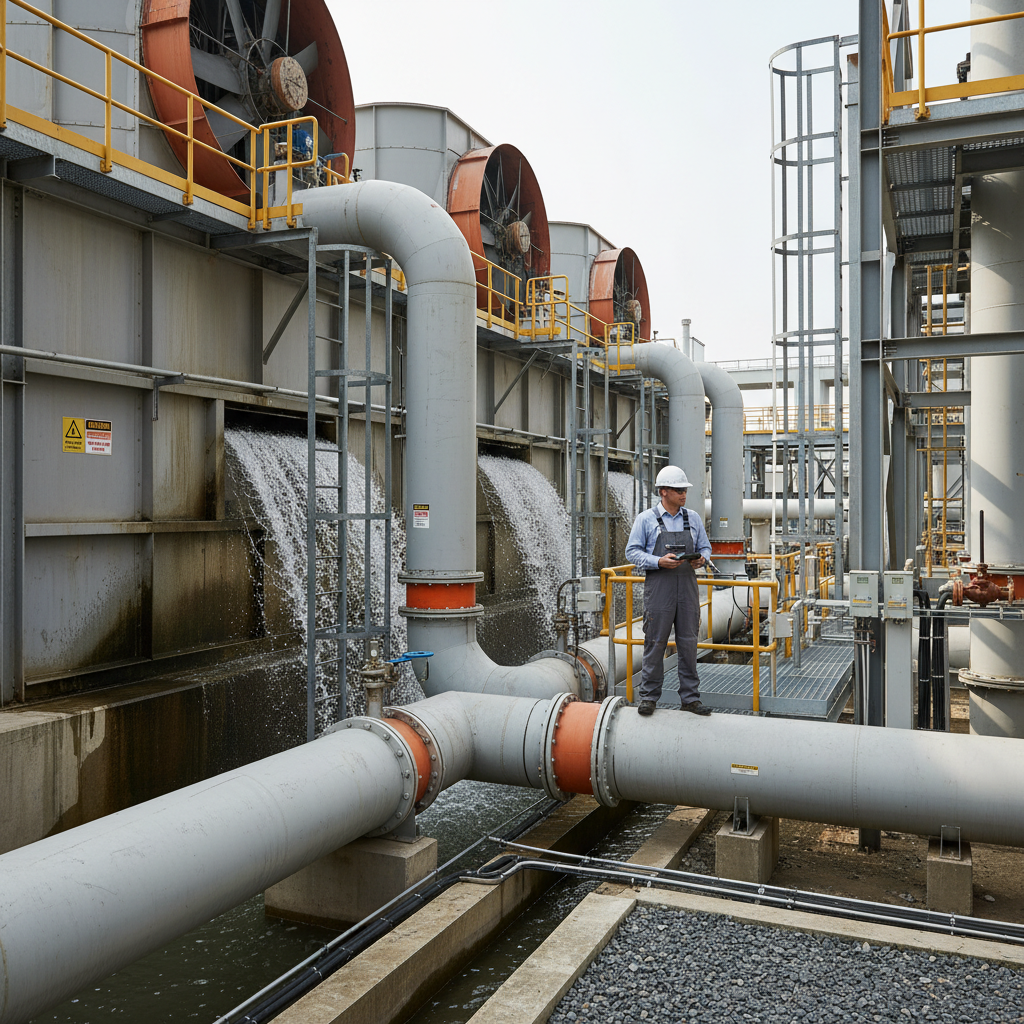
The application of the filter cooling tower spans a diverse range of industries. In the power generation sector, these towers are used to cool condensers, where the filtration prevents biological growth from clogging the heat exchangers, thereby maintaining grid stability. In the pharmaceutical and food processing industries, the focus shifts to purity; filtration ensures that the air being drawn into the cooling process does not introduce contaminants into the clean-room environments.
Furthermore, in remote industrial zones such as mining sites in Australia or oil refineries in the Middle East, the filter cooling tower is vital for handling "hard" water and high dust concentrations. The use of FRP ensures that the equipment survives extreme temperature swings and salty coastal air, reducing the need for frequent site visits for repairs in inaccessible locations.
Long-Term Value and Sustainability Benefits
Investing in a filter cooling tower provides tangible economic value through the reduction of Operational Expenditure (OPEX). By minimizing the accumulation of scale and slime, the system requires fewer chemical biocides and descalers, which not only lowers costs but also reduces the chemical footprint of the facility, aligning with global Green Deal initiatives.
Beyond the numbers, there is a logical and emotional angle of trust and safety. Plant operators can operate with peace of mind knowing that their critical cooling infrastructure is protected against sudden blockages that could lead to system overheating and unplanned shutdowns. This reliability ensures the safety of the workforce and the continuity of production.
From a sustainability perspective, the combination of FRP materials—which are often recyclable—and the reduction in water wastage makes the filter cooling tower a cornerstone of the "Circular Economy." It transforms a traditionally wasteful process into a streamlined, resource-efficient operation.
Future Trends in Filtration Cooling Tech
The future of the filter cooling tower is being shaped by the digital transformation. We are seeing the integration of IoT sensors that monitor pressure drops across the filter media in real-time. This allows for "predictive maintenance," where filters are replaced based on actual contamination levels rather than a fixed calendar schedule, further optimizing efficiency.
Innovations in nanotechnology are also introducing "self-cleaning" filter coatings. These surfaces use biomimetic properties to repel particles, significantly extending the time between manual cleanings and reducing the energy required to push air through the system. This is expected to push the efficiency of the filter cooling tower to new heights.
Additionally, there is a strong push toward integrating these towers with renewable energy sources. Solar-powered fans and smart-grid integration allow cooling towers to operate more intensively during off-peak energy hours, storing "coolth" in thermal reservoirs to be used during peak demand.
Comparative Analysis of Filter Cooling Tower Technologies
| Technology Type |
Filtration Efficiency |
Maintenance Cycle |
Material Life (Yrs) |
| Standard FRP Filter |
Moderate (6/10) |
Quarterly |
15-20 |
| Nano-Coated Mesh |
High (9/10) |
Bi-Annually |
18-25 |
| Multi-Stage Hybrid |
Very High (10/10) |
Monthly |
20-30 |
| Steel-Based Filter |
Low (4/10) |
Monthly |
5-10 |
| Automated Self-Clean |
High (8/10) |
Annual |
20-25 |
| Eco-Polymer Filter |
Moderate (7/10) |
Quarterly |
12-18 |
FAQS
A filter cooling tower integrates an air and water filtration system that prevents debris, dust, and organic matter from entering the heat exchange loop. This significantly reduces fouling and scaling, leading to higher thermal efficiency, lower chemical usage for water treatment, and a much longer operational lifespan for the internal fill and nozzles compared to standard towers.
FRP (Fiber Reinforced Plastic) is impervious to the corrosion and oxidation that typically plague steel structures in humid cooling environments. By using FRP for the chassis and profiles of a filter cooling tower, the system maintains its structural integrity without the need for constant repainting or rust treatment, while also offering a superior strength-to-weight ratio.
Replacement frequency depends on the ambient air quality and water source. In clean environments, filters may last 6-12 months. However, in heavy industrial zones, quarterly replacements are common. Many modern systems now use differential pressure sensors to alert operators exactly when a filter is clogged, ensuring replacements happen based on need rather than time.
Yes, significantly. By filtering out contaminants that cause scaling and biofouling, the system can operate with higher "cycles of concentration." This means water can be reused for more cycles before it must be bled off (blowdown), drastically reducing the total amount of makeup water required for the process.
While the initial capital expenditure (CAPEX) may be slightly higher due to the filtration media and high-grade FRP materials, the total cost of ownership (TCO) is lower. The savings are realized through reduced water bills, fewer chemical treatments, and significantly lower maintenance labor costs over the system's lifecycle.
Most filter cooling towers are designed for modular integration. They can often replace existing cells in a cooling array or be added as a pre-filtration stage to an existing loop. Because they are lightweight (especially FRP models), they rarely require extensive structural reinforcement of the existing base.
Conclusion
The filter cooling tower represents a vital evolution in industrial heat management, merging the necessity of thermal regulation with the precision of advanced filtration. By utilizing corrosion-resistant FRP materials and intelligent filtration stages, these systems solve the perennial industry struggle against fouling and resource waste, providing a reliable, sustainable, and cost-effective solution for global enterprises.
Looking forward, the integration of IoT and nanotechnology will further refine the efficiency of these systems, making "smart cooling" the standard for the next generation of manufacturing. For any facility aiming to improve its environmental footprint while enhancing operational reliability, upgrading to a high-performance filter cooling system is a strategic imperative. Visit our website for more professional solutions: www.hlfrp.com