The global demand for durable, lightweight, and cost-effective building materials is continuously increasing. This demand is significantly influenced by factors like rapid urbanization, disaster-prone regions needing swift and reliable shelter solutions, and the growing need for sustainable construction practices. Understanding the 2mm frp sheet price is crucial for architects, construction companies, disaster relief organizations, and individuals seeking versatile and affordable building options. The fluctuations and contributing factors to this price point have a direct impact on project feasibility and overall construction costs worldwide.
The 2mm frp sheet price isn’t simply a number; it represents access to a material offering exceptional corrosion resistance, high strength-to-weight ratio, and ease of installation. This accessibility is especially vital in developing countries and remote areas where traditional building materials are costly or difficult to transport. A thorough understanding of the price dynamics allows informed decision-making and optimal resource allocation in diverse projects.
From affordable housing initiatives to robust industrial roofing and rapid deployment shelters, the price of 2mm frp sheets dictates the scale and scope of many essential projects. Keeping abreast of market trends and material innovations influencing the 2mm frp sheet price is therefore paramount for sustainable and efficient building practices.
The Global Significance of 2mm frp sheet price
The need for robust and affordable building materials is a global concern, particularly in areas prone to natural disasters or experiencing rapid population growth. The 2mm frp sheet price plays a critical role in providing viable solutions for housing, infrastructure, and emergency response. According to the UN Habitat, over 1.6 billion people worldwide lack adequate housing – a figure that underscores the importance of accessible building materials like FRP.
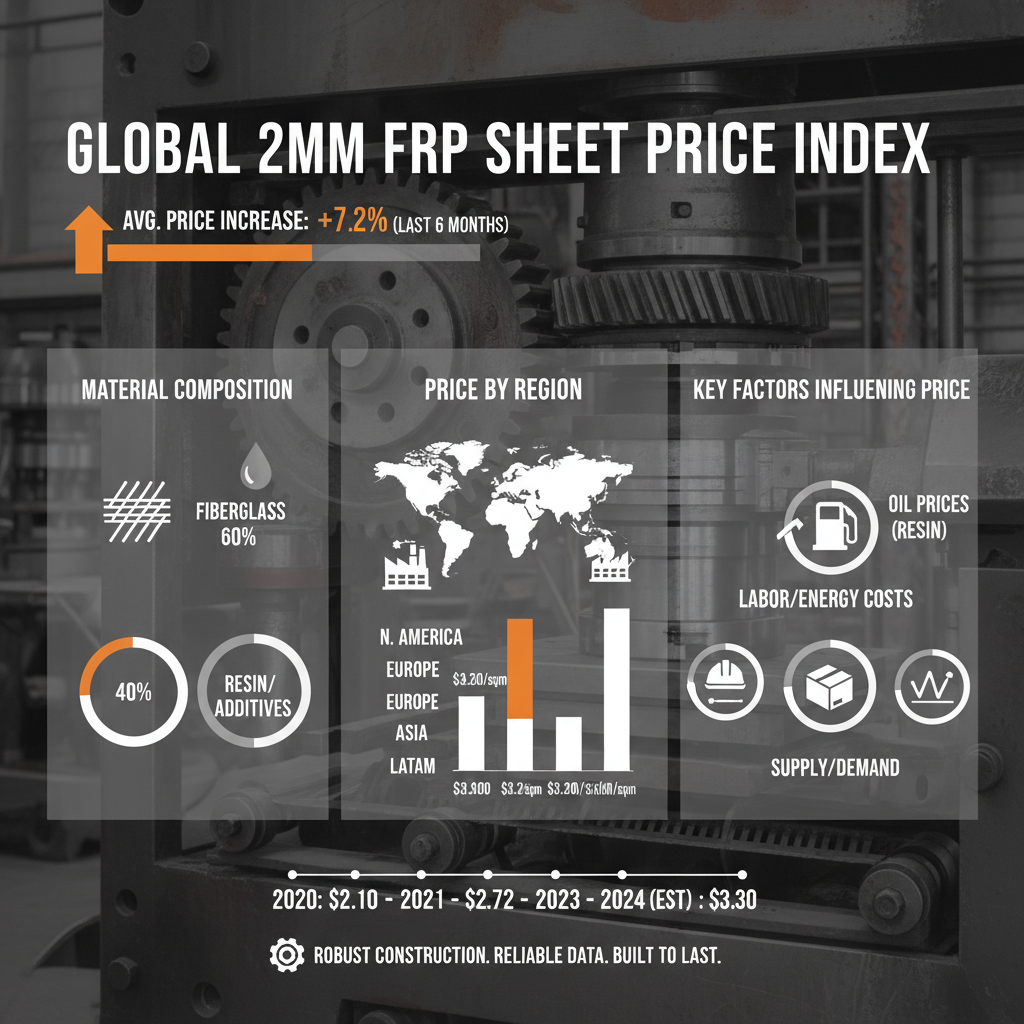
Fluctuations in the 2mm frp sheet price can directly impact the affordability of these essential structures. Factors such as raw material costs (resin, fiberglass), manufacturing processes, transportation expenses, and regional demand all contribute to the overall price. Monitoring these variables is key to ensuring that FRP remains a competitive and accessible option for both large-scale projects and individual needs.
Defining 2mm frp sheet price
The 2mm frp sheet price refers to the cost of a sheet of Fiber Reinforced Polymer (FRP) that is 2 millimeters thick. FRP is a composite material made of a polymer matrix reinforced with fibers, such as glass fibers. This combination creates a material that is strong, lightweight, and resistant to corrosion. The price is affected by the type of resin used (polyester, vinyl ester, epoxy), the fiber content, and the manufacturing process.
In modern industries, 2mm frp sheets are increasingly favored over traditional materials like steel and aluminum due to their superior strength-to-weight ratio, which lowers transportation and installation costs. The 2mm frp sheet price also influences project budgets for industries like construction, automotive, marine, and aerospace.
Understanding the 2mm frp sheet price isn’t just about the upfront cost. Considering its long lifespan, minimal maintenance requirements, and resistance to environmental degradation, it offers substantial long-term value, making it a sound investment in various applications.
Core Attributes Influencing 2mm frp sheet price
Several core attributes significantly impact the 2mm frp sheet price. Material Composition is a primary factor. The type of resin (polyester, vinyl ester, epoxy) and the fiber reinforcement (glass, carbon, aramid) determine the sheet’s performance characteristics and, consequently, its cost. Higher-performance resins and fibers naturally increase the price.
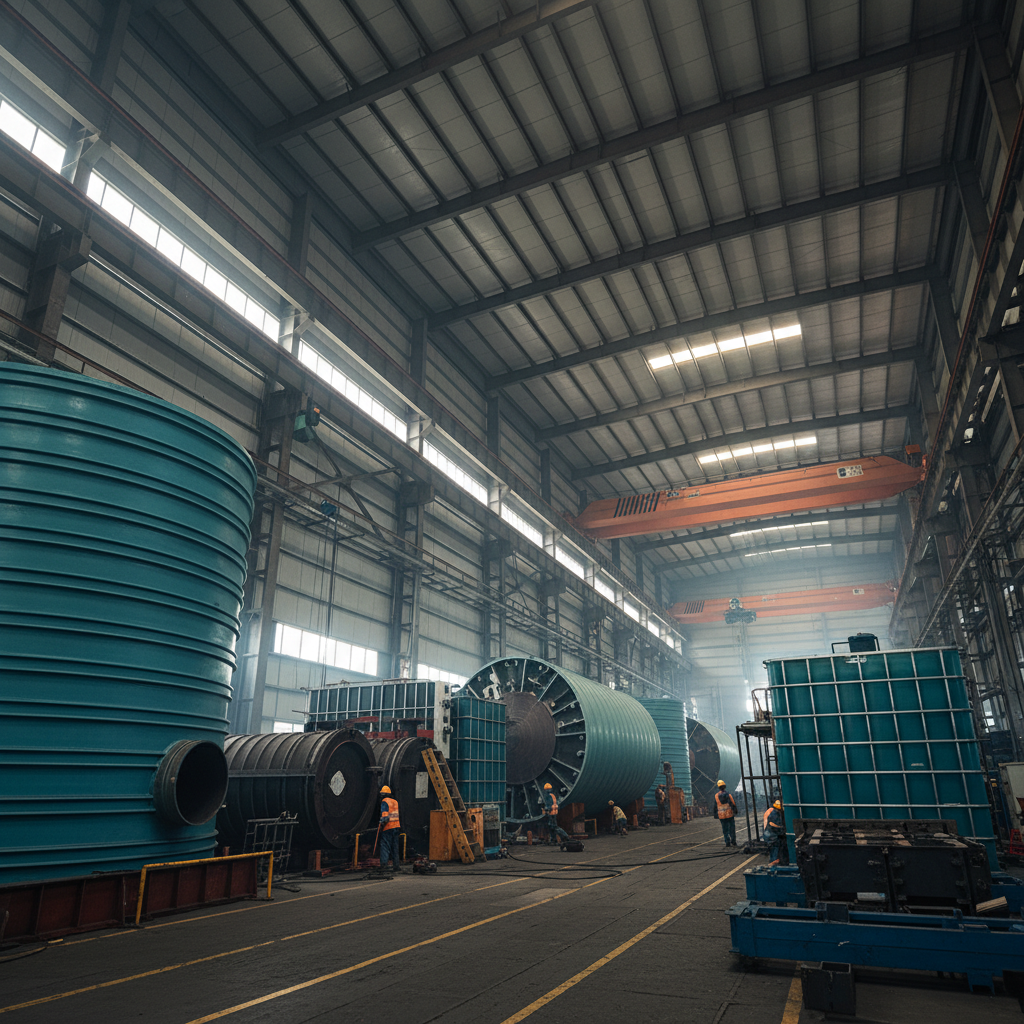
Manufacturing Process also plays a critical role. Continuous lamination processes are generally more cost-effective than hand lay-up methods, resulting in lower 2mm frp sheet price points. Sheet Dimensions & Customization influence the cost; larger sheets may offer economies of scale, while customized colors, finishes, or cut-outs will add to the price.
Volume of Order is a major determinant; bulk purchases typically benefit from significant discounts. Finally, Market Demand & Supply Chain Dynamics affect the 2mm frp sheet price; disruptions in the supply of raw materials or increased demand can lead to price increases.
Real-World Applications and the 2mm frp sheet price
The versatility of 2mm frp sheets allows for diverse applications, each impacting the demand and, subsequently, the price. In Construction, they're utilized for roofing, cladding, skylights, and interior partitions. The 2mm frp sheet price for construction applications is generally competitive, making them an attractive alternative to traditional materials.
In the Transportation sector, 2mm frp sheets are used in vehicle body panels, truck liners, and interior components, contributing to weight reduction and fuel efficiency. For Industrial Applications, they're found in chemical tanks, corrosion-resistant piping, and safety guards. The price in this sector can be higher due to specific performance requirements.
Comparative 2mm frp sheet price by Application
Advantages and Long-Term Value of 2mm frp sheet price
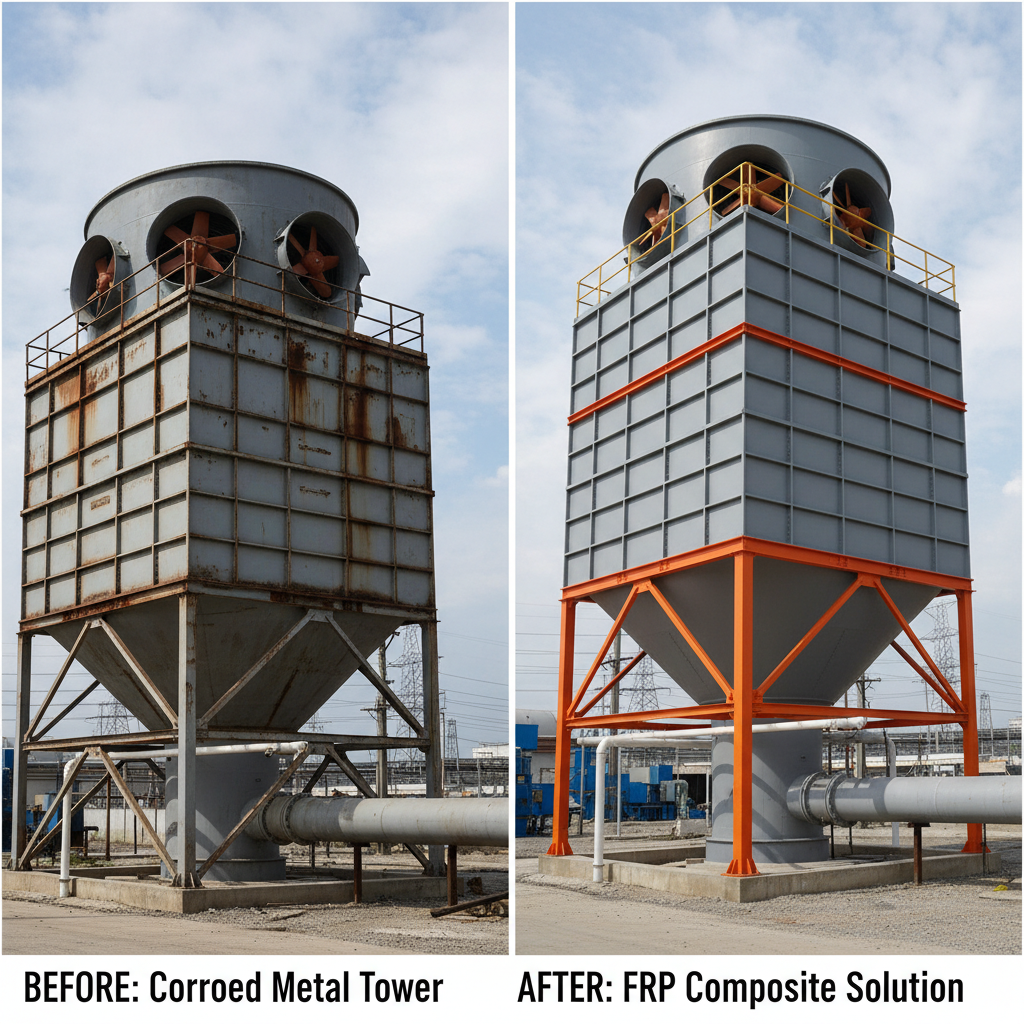
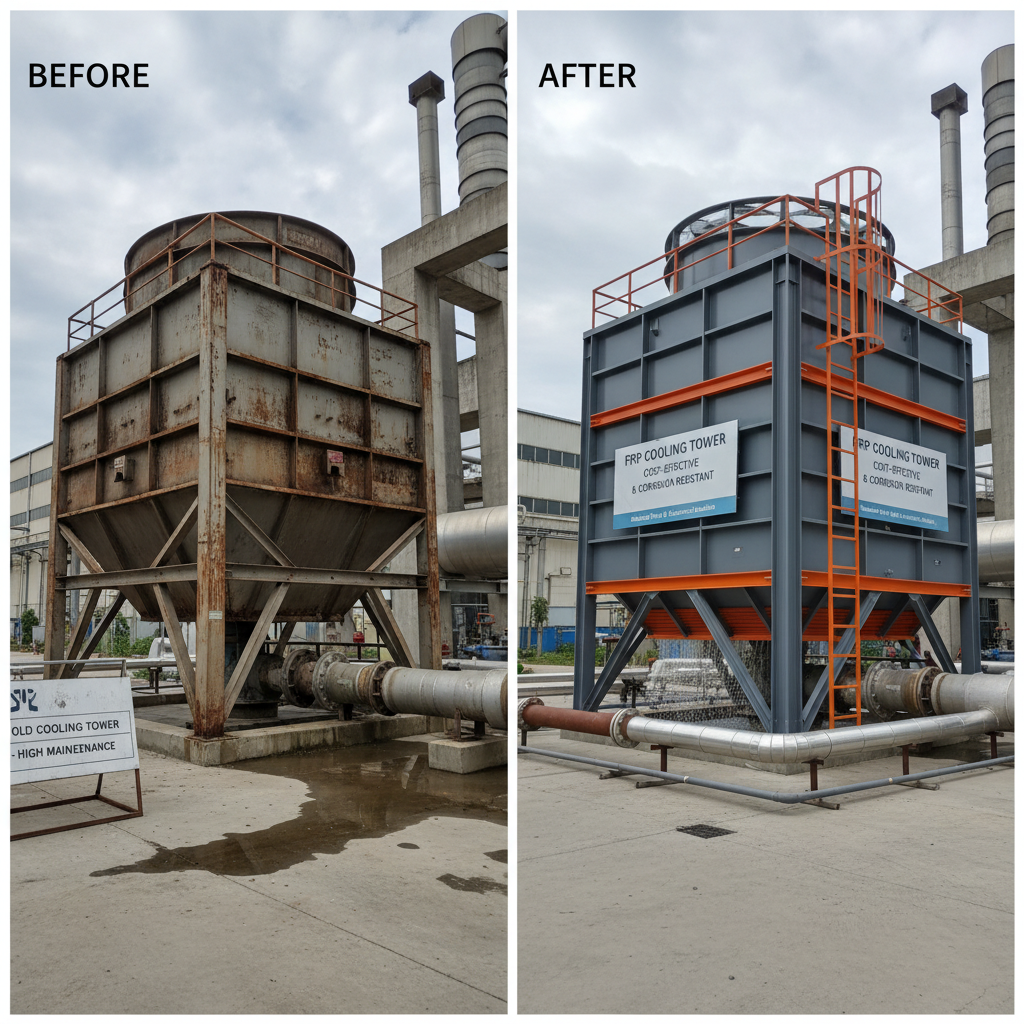
The initial 2mm frp sheet price is often offset by significant long-term advantages. Cost-efficiency extends beyond the purchase price; FRP’s durability reduces maintenance and repair costs, minimizing lifecycle expenses. FRP’s resistance to corrosion and chemical exposure ensures a longer lifespan, particularly in harsh environments.
Sustainability is another key benefit. FRP is lightweight, reducing transportation costs and emissions. It also boasts a long service life, minimizing the need for frequent replacements. The reliability and structural integrity of 2mm frp sheets contribute to safer and more secure buildings and infrastructure, offering peace of mind and protecting investments.
Future Trends and 2mm frp sheet price Innovations
The future of 2mm frp sheet price is poised for innovation. Research into bio-based resins aims to create more sustainable and eco-friendly FRP materials, potentially influencing the price positively. Advancements in nanofiber technology promise to enhance the strength and performance of FRP sheets, potentially justifying a premium price point.
Digitalization and automation in manufacturing processes are expected to reduce production costs, making 2mm frp sheets even more accessible. Government regulations promoting sustainable building practices and incentivizing the use of durable materials may also influence the demand and, consequently, the price of FRP.
Challenges and Solutions Regarding 2mm frp sheet price
One challenge associated with 2mm frp sheet price is the fluctuation in raw material costs, particularly for resins. This can be mitigated through long-term supply agreements and the exploration of alternative resin sources. Another challenge is the limited awareness of FRP’s benefits among some consumers and builders.
Education and marketing initiatives are crucial to address this gap. Standardization of FRP materials and manufacturing processes can also help to build trust and confidence in the product. Furthermore, fostering collaboration between researchers, manufacturers, and end-users can accelerate innovation and reduce costs.
Addressing concerns about recyclability through the development of advanced recycling technologies for FRP is also vital for long-term sustainability and cost-effectiveness. Overcoming these hurdles will ensure the continued viability and widespread adoption of 2mm frp sheets.
Summary of Challenges and Potential Solutions Regarding 2mm frp sheet price
| Challenge |
Impact on 2mm frp sheet price |
Potential Solution |
Implementation Cost (1-10) |
| Raw Material Cost Volatility |
Increases 2mm frp sheet price unpredictably |
Long-term supply contracts, alternative resins |
6 |
| Limited Market Awareness |
Restricts demand, hindering economies of scale |
Targeted marketing and educational campaigns |
5 |
| Lack of Standardization |
Creates uncertainty and increases perceived risk |
Industry-wide standards for materials and processes |
7 |
| Recyclability Concerns |
Environmental impact, limits sustainable applications |
Development of advanced recycling technologies |
8 |
| Competition from Traditional Materials |
Price pressure, slower adoption rate |
Highlighting FRP’s long-term value and performance |
4 |
| Supply Chain Disruptions |
Increases lead times and 2mm frp sheet price |
Diversification of suppliers and regional production |
6 |
FAQS
Several factors contribute to the 2mm frp sheet price. These include the type of resin used (polyester, vinyl ester, or epoxy), the quality and quantity of fiber reinforcement (typically fiberglass), the manufacturing process employed (continuous lamination is generally more cost-effective), and the volume of the order. Raw material costs and shipping expenses also play a crucial role.
While the initial 2mm frp sheet price may sometimes be higher than some traditional materials, it often offers a lower lifecycle cost. FRP is incredibly durable, corrosion-resistant, and requires minimal maintenance, reducing long-term expenses. Its lightweight nature also reduces transportation and installation costs. Depending on the grade, it can be competitively priced with or even lower than some high-quality steel or treated wood options.
The 2mm frp sheet price is particularly competitive in applications requiring corrosion resistance, lightweight construction, and durability. This includes roofing and cladding for industrial buildings, panels for transportation vehicles, linings for chemical tanks, and even components for recreational vehicles. Disaster relief housing and temporary shelters also frequently utilize FRP due to its rapid deployment capabilities.
Yes, customization typically increases the 2mm frp sheet price. Specific requirements such as custom colors, cut-outs, surface finishes, or fire retardant additives will add to the overall cost. The complexity of the customization and the production volume will directly impact the price adjustment. Standard sizes and colors are generally more economical.
Structures built with 2mm frp sheets typically have a lifespan of 20-50 years, depending on the environment and the quality of the materials used. Its exceptional resistance to corrosion and weathering contributes to its longevity. With proper maintenance, FRP structures can last even longer, offering a sustainable and cost-effective building solution.
While FRP is generally low-maintenance, potential hidden costs can include specialized installation techniques and the need for specific cutting tools. It's important to factor in the cost of proper training for installers and the correct adhesives and fasteners. Also, while recyclable, FRP recycling infrastructure isn't widely available everywhere, potentially adding to disposal costs in some regions.
Conclusion
In conclusion, understanding the 2mm frp sheet price is critical for making informed decisions in a wide range of industries, from construction and transportation to industrial applications and disaster relief. FRP's unique combination of strength, lightweight properties, corrosion resistance, and long-term durability makes it a compelling alternative to traditional materials. A holistic view of the price, considering not only the initial cost but also lifecycle expenses and environmental benefits, reveals its significant value.
Looking ahead, innovations in materials science, manufacturing processes, and recycling technologies will continue to shape the 2mm frp sheet price and enhance its sustainability. By embracing these advancements and promoting wider adoption of FRP, we can build a more resilient, efficient, and environmentally responsible future. For more information and to explore our range of FRP solutions, visit our website: www.hlfrp.com