head_nav
head_logo
suosou
lang
close

We Are Open 24 Hours a Day, 7 Days a Week, Including Weekends and Public Holidays.

lang
0%

Table of Contents

Cooling towers are essential components in numerous industrial processes, playing a critical role in thermal management. These structures facilitate the rejection of waste heat to the atmosphere, maintaining optimal operating temperatures for power plants, refineries, HVAC systems, and other facilities. Their global relevance stems from the ever-increasing demand for energy and industrial output, coupled with the need for efficient and environmentally responsible cooling solutions. Understanding cooling towers is paramount to ensuring sustainable and reliable operation across diverse sectors.

The impact of cooling towers extends beyond mere operational efficiency. Globally, they contribute significantly to water conservation efforts by recirculating water rather than utilizing a once-through cooling system. The World Bank estimates that improved water management in industrial sectors, including optimized cooling tower operation, can unlock significant economic benefits in water-stressed regions. Moreover, advancements in cooling tower technology are increasingly focused on minimizing environmental impact, aligning with international sustainability goals set forth by organizations like the ISO.

Facing challenges like rising energy costs and stricter environmental regulations, effective thermal management is no longer optional—it’s a necessity. Cooling towers provide a cost-effective and reliable solution, making them indispensable for modern industry and increasingly vital for addressing the urgent need for sustainable resource utilization.
Essential Role of Cooling Towers in Modern Industrial Thermal Management

The Fundamentals of cooling tower

Essential Role of Cooling Towers in Modern Industrial Thermal Management

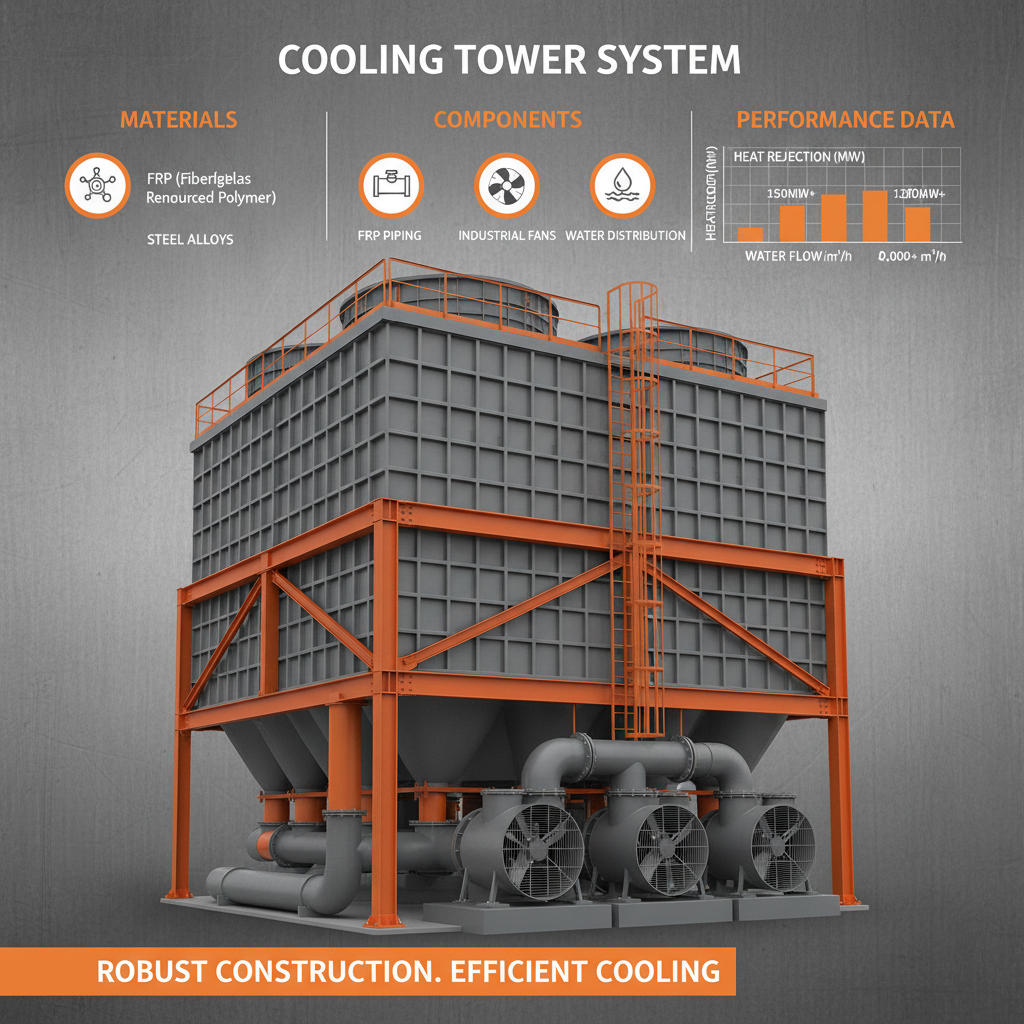
At its core, a cooling tower is a heat rejection device. It functions by bringing water and air into direct contact, allowing a portion of the water to evaporate. This evaporation process absorbs a substantial amount of heat, thereby cooling the remaining water. The cooled water is then recirculated to the process requiring cooling, minimizing water consumption compared to once-through systems. This makes cooling towers vital for sustainable operations.

The efficiency of a cooling tower depends on factors like ambient air temperature, humidity, and the design of the tower itself. Different types of cooling towers – natural draft, induced draft, and forced draft – offer varying performance characteristics suited to specific applications and environmental conditions.

Global Relevance and Industrial Context

The demand for cooling towers is intrinsically linked to global industrial activity and energy production. Power plants, particularly those utilizing thermal generation (coal, nuclear, natural gas), rely heavily on cooling towers to dissipate waste heat. Similarly, industries such as oil and gas refining, petrochemicals, and manufacturing processes all necessitate effective cooling solutions, driving consistent demand.

In regions experiencing rapid industrialization, such as Southeast Asia and parts of Africa, the need for cooling towers is particularly acute. These areas often face challenges related to water scarcity, making the water-saving benefits of recirculating cooling tower systems even more critical. The Asia-Pacific region currently represents the largest market for cooling towers, driven by continuous infrastructure development.

Furthermore, growing concerns about climate change and stricter environmental regulations are pushing industries to adopt more efficient and sustainable cooling tower technologies, influencing design choices and operational practices worldwide.

Defining cooling tower: A Core Industrial Component

A cooling tower is a specialized heat exchanger that lowers the water temperature by evaporative cooling. Unlike traditional radiators that transfer heat to air, cooling towers utilize the latent heat of vaporization—the energy absorbed when water changes from liquid to gas—to remove heat from the water. This process allows for a significantly greater cooling capacity compared to air-cooled systems.

The connection of cooling towers to modern industry is undeniable. They enable continuous operation of critical processes by maintaining temperature control, preventing overheating and equipment failure. Without these systems, many industrial processes would be inefficient, unreliable, or simply impossible. Their importance extends to humanitarian needs, as they are also used in large-scale district cooling systems that provide comfortable indoor environments.

Fundamentally, cooling towers are integral to sustaining industrial operations, protecting valuable infrastructure, and supporting essential human comfort needs across the globe. Their contribution often goes unnoticed, but their impact is pervasive.

Key Aspects of Effective cooling tower Systems

The effectiveness of a cooling tower system is defined by several key aspects. Efficiency is paramount – the ability to effectively reject heat with minimal energy consumption. Reliability ensures continuous operation and minimizes downtime, critical for many industrial processes.

Maintenance plays a significant role in long-term performance. Regular cleaning and inspection are essential to prevent scaling, fouling, and corrosion. Water Quality directly impacts efficiency and longevity, requiring careful monitoring and treatment. Environmental Compliance is increasingly important, necessitating adherence to regulations regarding water discharge and plume abatement.

cooling tower Performance Metrics


Real-World Applications of cooling tower

Cooling towers are ubiquitous in power generation, particularly in thermal power plants where they reject waste heat from steam turbines. Refineries and petrochemical plants utilize cooling towers extensively in various processing units to maintain optimal temperatures.

HVAC systems in large commercial and industrial buildings frequently employ cooling towers for efficient climate control. Data centers, which generate significant heat from servers, also rely on cooling towers to prevent overheating and ensure uninterrupted operation.

Advantages and Long-Term Value of cooling tower

The benefits of employing cooling towers are multifaceted. Cost savings are achieved through reduced water consumption and lower energy bills associated with efficient cooling. Sustainability is enhanced by minimizing water discharge and reducing the overall environmental footprint. The reliability of cooling towers safeguards against costly downtime and ensures continuous production.

From a social impact perspective, cooling towers contribute to resource conservation, supporting community sustainability. The inherent safety and operational integrity of well-maintained cooling towers builds trust and fosters responsible industrial practices.

Future Trends and Innovations in cooling tower Technology

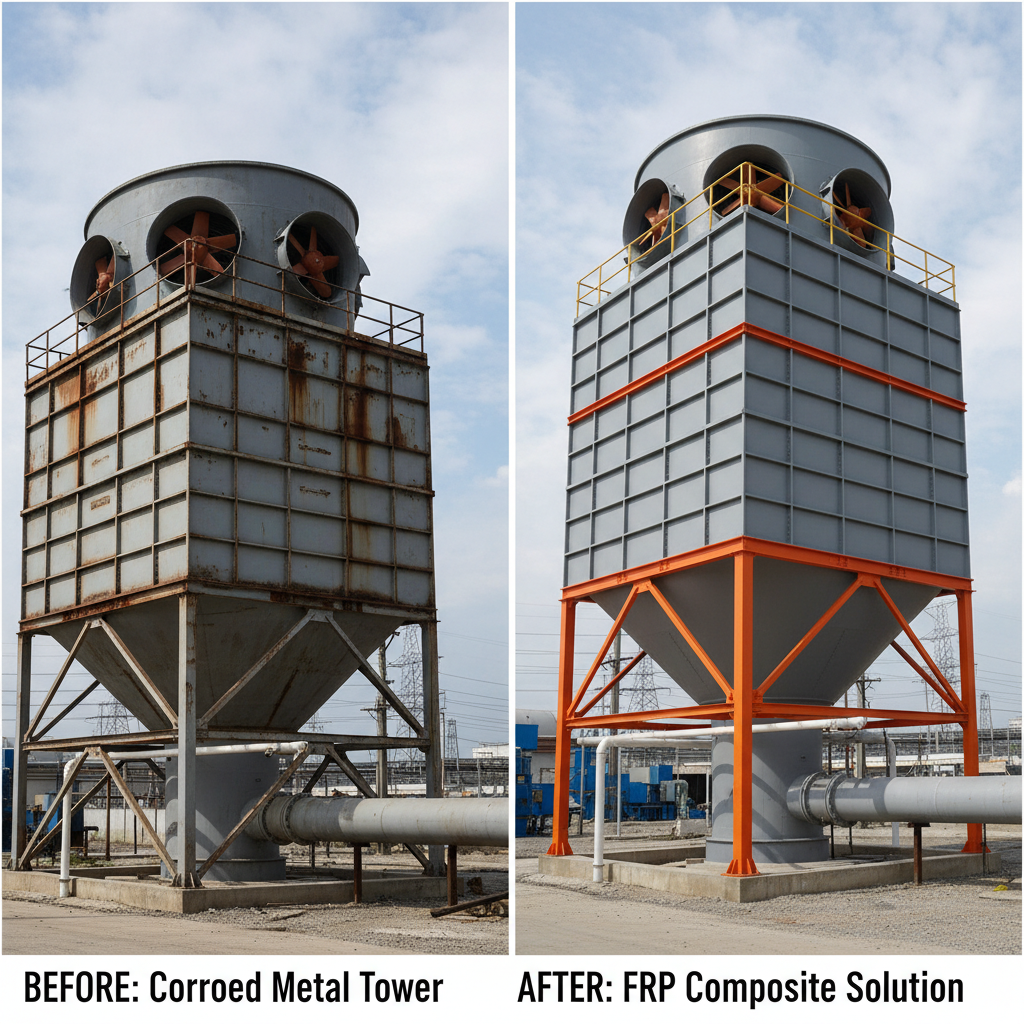
The future of cooling tower technology is focused on enhancing efficiency, reducing environmental impact, and integrating smart technologies. Developments in materials science are leading to more durable and corrosion-resistant components. Digitalization, including real-time monitoring and predictive maintenance, is optimizing performance and minimizing downtime.

There’s a growing trend towards hybrid cooling tower systems that combine evaporative and air-cooled technologies to maximize efficiency under varying conditions. Furthermore, research is underway to explore alternative cooling fluids and optimize water treatment processes for reduced chemical consumption and environmental impact.

Automation and AI-powered control systems are poised to revolutionize cooling tower operations, enabling self-optimization and reducing the need for manual intervention.

Key Performance Indicators of Modern cooling tower Technologies

Technology Type Water Usage (Gallons/kWh) Maintenance Complexity (1-10) Initial Investment Cost (Index)
Natural Draft 25 7 8
Induced Draft 18 6 7
Forced Draft 15 8 9
Hybrid 12 5 10
Dry Cooling 0 4 11
AI-Optimized 10 3 9

FAQS

What are the primary benefits of using a cooling tower over air-cooled condensers?

Cooling towers offer significantly higher cooling capacity than air-cooled condensers, making them more suitable for large-scale heat rejection applications. They are also generally more energy-efficient, especially in humid climates. While air-cooled condensers eliminate water usage, the energy penalty is often substantial. Cooling towers provide a balance between cooling performance, energy consumption, and water usage, making them a preferred choice for many industrial facilities.

How frequently should cooling tower water be treated?

Cooling tower water should be treated regularly – typically on a daily or weekly basis – to prevent scaling, corrosion, and biological fouling. The frequency depends on factors like water quality, operating conditions, and tower design. Regular monitoring of water parameters (pH, conductivity, total dissolved solids, etc.) is crucial to maintain optimal treatment levels and protect the cooling tower from damage.

What is drift in a cooling tower, and why is it a concern?

Drift refers to the small water droplets that are carried out of the cooling tower air stream. These droplets can contain chemicals used for water treatment, posing a potential environmental hazard and health risk. Effective drift eliminators are essential components of cooling towers to minimize drift rates and ensure compliance with environmental regulations.

How can I improve the efficiency of my existing cooling tower?

Several measures can be taken to improve cooling tower efficiency, including optimizing fan speed, maintaining clean fill material, implementing effective water treatment, and ensuring proper airflow distribution. Regular inspection and maintenance are also critical. A professional cooling tower assessment can identify specific areas for improvement and recommend tailored solutions.

What are the common causes of cooling tower fouling?

Cooling tower fouling, the accumulation of deposits on heat transfer surfaces, is typically caused by scaling, corrosion, and biological growth. Scaling results from the precipitation of minerals from the water. Corrosion is caused by chemical reactions between the water and tower materials. Biological growth (algae, bacteria, fungi) thrives in warm, nutrient-rich water. Effective water treatment is the primary defense against fouling.

Are there regulations governing cooling tower operation and emissions?

Yes, cooling tower operation is subject to various regulations, which vary depending on the location. These regulations typically address water discharge quality, plume abatement (minimizing visible water vapor), and Legionella control (preventing the spread of Legionnaires' disease). Compliance with these regulations is essential to avoid penalties and protect public health and the environment.

Conclusion

In conclusion, cooling towers are indispensable components of modern industrial infrastructure, playing a crucial role in thermal management, water conservation, and sustainable operation. Their ability to efficiently reject waste heat while minimizing water consumption makes them essential for power generation, refining, HVAC systems, and a host of other applications. The continuous development of innovative technologies promises even greater efficiency and environmental responsibility in the future.

As we move towards a more sustainable future, the importance of optimizing cooling tower performance will only increase. Embracing advanced monitoring, predictive maintenance, and sustainable water treatment practices will be vital to maximizing the long-term benefits of these critical systems. For reliable and efficient cooling tower solutions, visit our website: www.hlfrp.com
William Davis

William Davis

William Davis is a Quality Control Manager at Hebei Longxuan. He’s responsible for implementing and maintaining stringent quality control procedures throughout the entire production process. William has a background in chemical engineering and extensive knowledge of composite materials testing. He ensures that all FRP products meet or exceed industry standards
Previous Fiberglass Reinforced Polymers Solutions for Cooling Tower Efficiency
Next Revolutionizing Construction with Durable frp building material Solutions
Can't Find The Products And Services You Need?
If you need our help,
Our staff will be happy to help and answer your questions!
 Factory Processing
Factory Processing
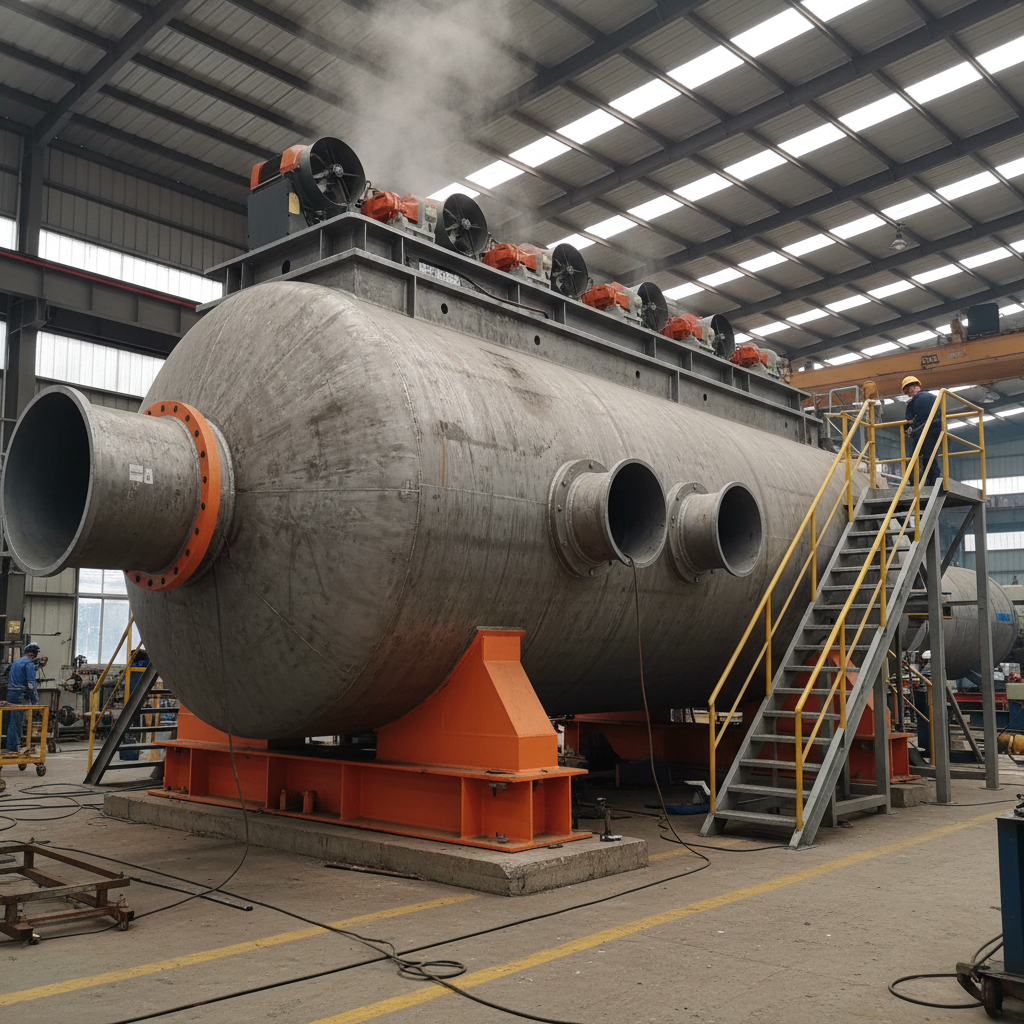
The factory processes raw materials into finished products using advanced machinery and skilled labor.
 Build Synergy
Build Synergy
We provide collaborative services tailored to client needs, ensuring seamless communication and mutual growth.
 Global Supply
Global Supply
Our innovative products are bestsellers worldwide, celebrated for their exceptional quality, reliability, and global appeal.
 Global Supply
Global Supply
We ensure consistent product availability through a reliable and efficient global supply network.

Address

20 Xingyuan South Street, Zaoqiang County, Hengshui City, Hebei Province, China

If you are interested in our products, you can choose to leave your information here, and we will be in touch with you shortly.