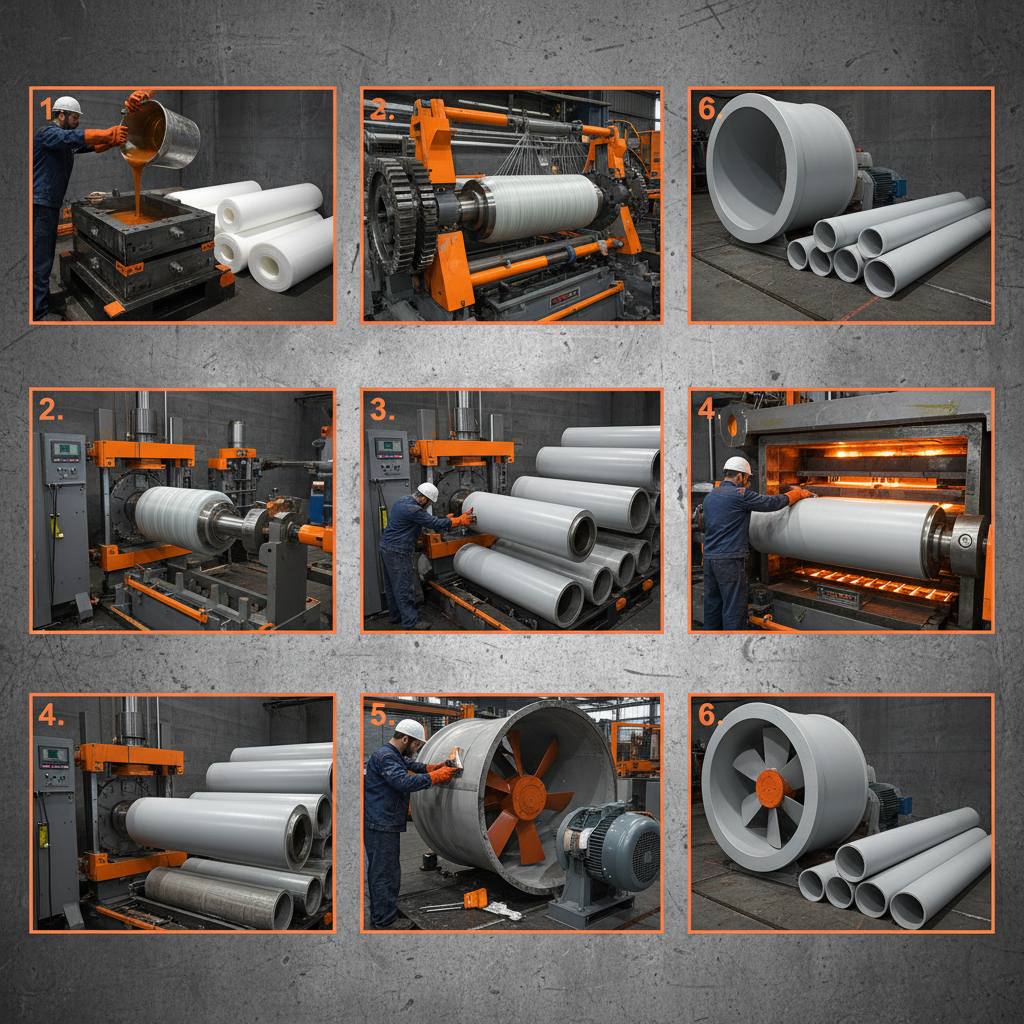
Honestly, these days everyone's talking about lightweight, high-strength stuff. It’s all about reducing weight, increasing spans, and making things…well, faster. The demand for frp products manufacturer is through the roof. Not just construction, but automotive, even aerospace – everyone wants composites. But you wouldn’t believe the mistakes I see on-site. People get caught up in the numbers, the tensile strength, the modulus of elasticity… and completely forget about practicalities.
Have you noticed how many designs completely ignore how a worker is actually going to handle the material? It’s easy to design something beautiful on a computer, but try getting a guy in a hard hat to work with it on a windy day. That’s a whole different ballgame.
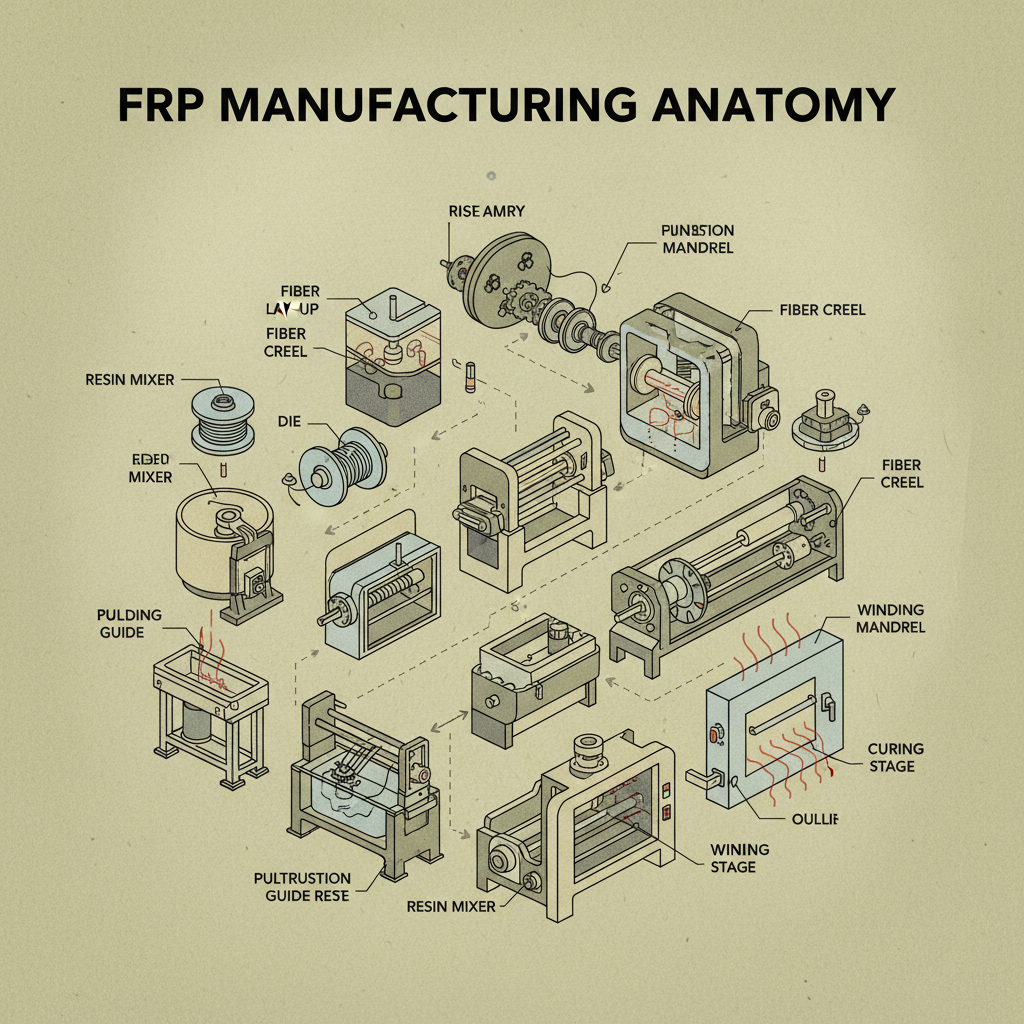
And the materials themselves…It’s not just fiberglass anymore, you know? We’re talking carbon fiber, basalt fiber, even aramid. I encountered this at a factory in Nantong last time – they were playing with this new bio-resin, smelled faintly of oranges, strangely enough. It felt…different. Not as rigid as the epoxy stuff. You gotta get your hands dirty, feel the resin, understand how it behaves before you even think about laying it up.
The Current Landscape of frp products manufacturer
Anyway, I think the market is shifting. It's no longer just about price, but about complete solutions. People want the material and the expertise. They want someone to help them with design, fabrication, and installation. It’s a big change, honestly. And the demand for specialized frp products manufacturer is growing rapidly, especially in areas prone to corrosion or seismic activity.
The global demand for advanced composites, which is essentially what we’re talking about with frp products manufacturer, is projected to reach $120 billion by 2027. That’s a massive number, driven by infrastructure development in Asia and the need for sustainable materials worldwide.
Design Pitfalls in frp products manufacturer
Now, let me tell you about design. So many engineers think they can just swap out steel with composite without considering the differences in behavior. You’ve got to account for things like creep, fatigue, and environmental degradation. And the connections! That’s where half the problems happen. Bolting, adhesive bonding… it’s all trickier with composites.
I’ve seen designs where they’ve tried to use standard steel connectors with frp products manufacturer. Disaster. The stress concentrations are just too high. You need to use specifically designed connectors that distribute the load properly.
And don’t even get me started on galvanic corrosion. Mixing dissimilar metals with composites can lead to all sorts of headaches. It's a detail that gets overlooked way too often.
Material Selection and Handling for frp products manufacturer
To be honest, choosing the right material is half the battle. Fiberglass is cheap and cheerful, good for basic stuff. Carbon fiber is super strong, but expensive and brittle. Aramid is tough, impact-resistant, but absorbs moisture like a sponge. And then you’ve got all the different resins – epoxy, polyester, vinyl ester… each with its own strengths and weaknesses.
Handling the materials is also crucial. Carbon fiber dust is nasty stuff, irritates your lungs. You need proper ventilation and respirators. Epoxy resin is sticky, gets everywhere, and gives you a rash if you’re not careful. And some of these basalt fabrics… they shed fibers like crazy. It's a mess, frankly. You wouldn't believe the state of some sites I've been to.
You also need to think about storage. Keep the resins cool and dry, protect the fabrics from UV light. And for the love of all that is holy, don’t let anyone contaminate the materials with silicone. It’ll ruin the bond.
Real-World Testing of frp products manufacturer
Laboratory testing is fine, but it doesn’t tell the whole story. I want to see how these things perform in the real world. I want to see them bent, twisted, dropped, exposed to the elements. We do a lot of on-site testing, load testing, deflection measurements… stuff that the engineers haven’t even thought about.
Last year, we were working on a bridge repair project, and we subjected the frp products manufacturer components to simulated traffic loads, using weighted trucks. The results were… illuminating. We found a weakness in the connection detail that hadn’t shown up in the lab tests.
frp products manufacturer Performance Metrics
User Application Insights for frp products manufacturer
You know, it’s funny. We design these products for a specific purpose, but the users always find new ways to use them. I’ve seen guys using frp sheets as temporary scaffolding, as patching material for concrete, even as makeshift ramps. They’re resourceful, I’ll give them that.
But it also highlights the need for clear instructions and proper training. You can’t just hand someone a piece of composite and expect them to know what to do with it. They need to understand its limitations, its strengths, and how to install it correctly.
Advantages and Disadvantages of frp products manufacturer
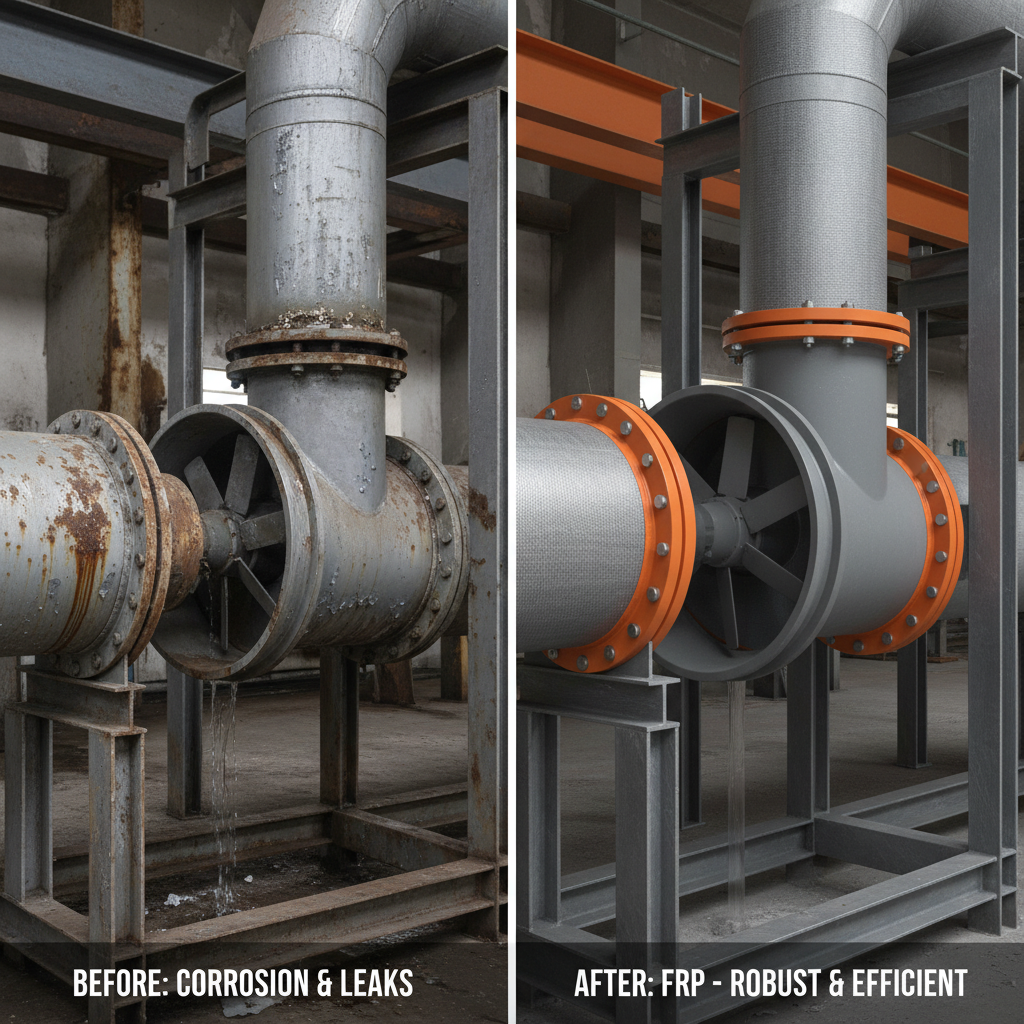
Okay, the pros are obvious: lightweight, strong, corrosion-resistant, durable. But there are drawbacks. It’s expensive, for starters. And it’s not as forgiving as steel. If you damage it, it’s difficult to repair.
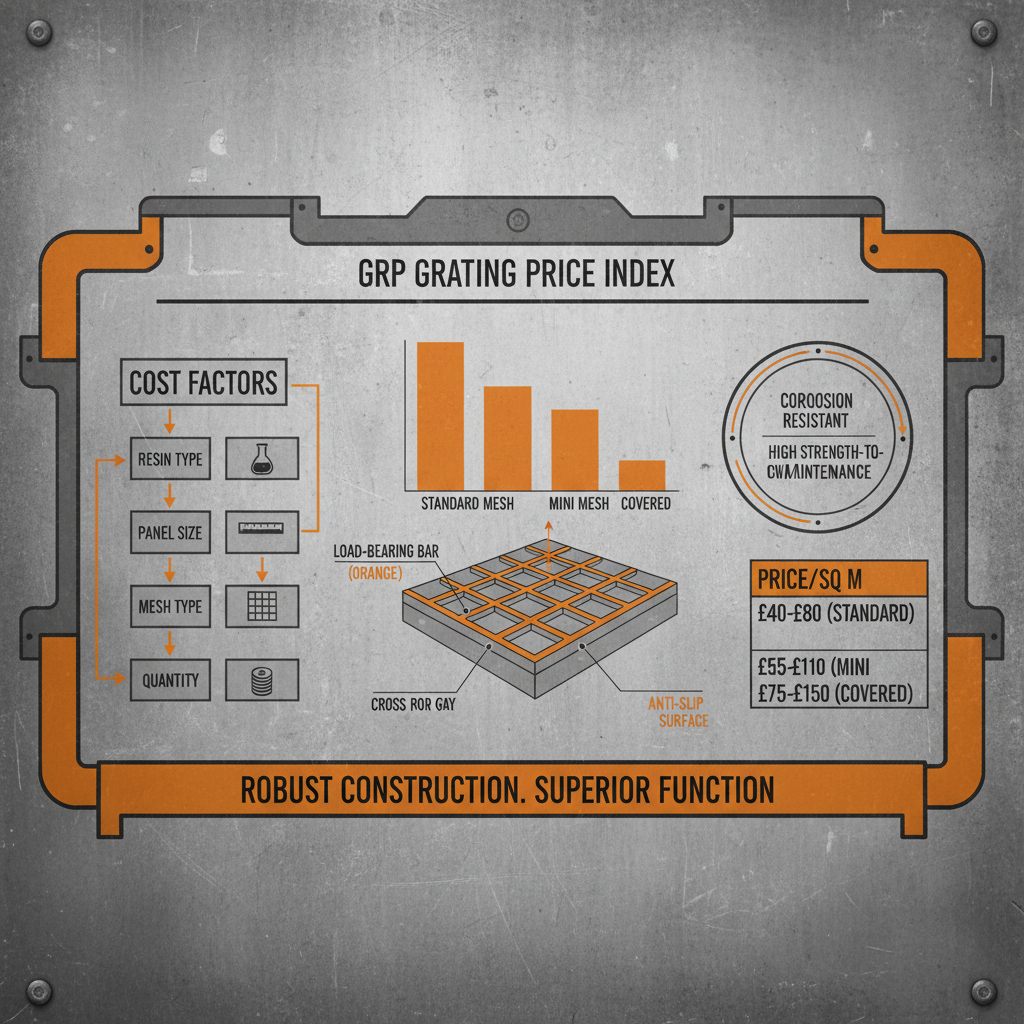
The initial cost is higher, yeah, but you have to factor in the lifecycle costs. With steel, you’re constantly fighting corrosion, doing maintenance, replacing parts. With frp products manufacturer, you can often get away with minimal maintenance for decades. That adds up.
But don't think it’s a silver bullet. It’s not suitable for every application. And you need skilled labor to work with it properly. Otherwise, you’re just wasting your money.
Customization Potential of frp products manufacturer
Now, this is where things get interesting. frp products manufacturer is incredibly versatile. You can tailor the material properties to meet specific needs. Change the fiber orientation, the resin type, the fiber volume fraction… you can create a composite that’s optimized for a particular application.
We had a customer in Shenzhen last month, a small boss making smart home devices. He insisted on changing the connector interface to on a batch of enclosures we were providing. Said it was “the future.” Honestly, it was a nightmare. It required a complete redesign of the mold, and it added a significant cost. But he was adamant. And in the end, it worked… but it was a headache.
The ability to customize the color, shape, and size of frp products manufacturer components is also a major advantage. You’re not limited to standard dimensions and configurations.
Analysis of Key Factors Influencing frp products manufacturer Performance
| Fiber Type |
Resin System |
Manufacturing Process |
Environmental Exposure |
| Carbon Fiber |
Epoxy |
Vacuum Infusion |
Moderate Humidity |
| Glass Fiber |
Polyester |
Hand Lay-up |
Saltwater Exposure |
| Basalt Fiber |
Vinyl Ester |
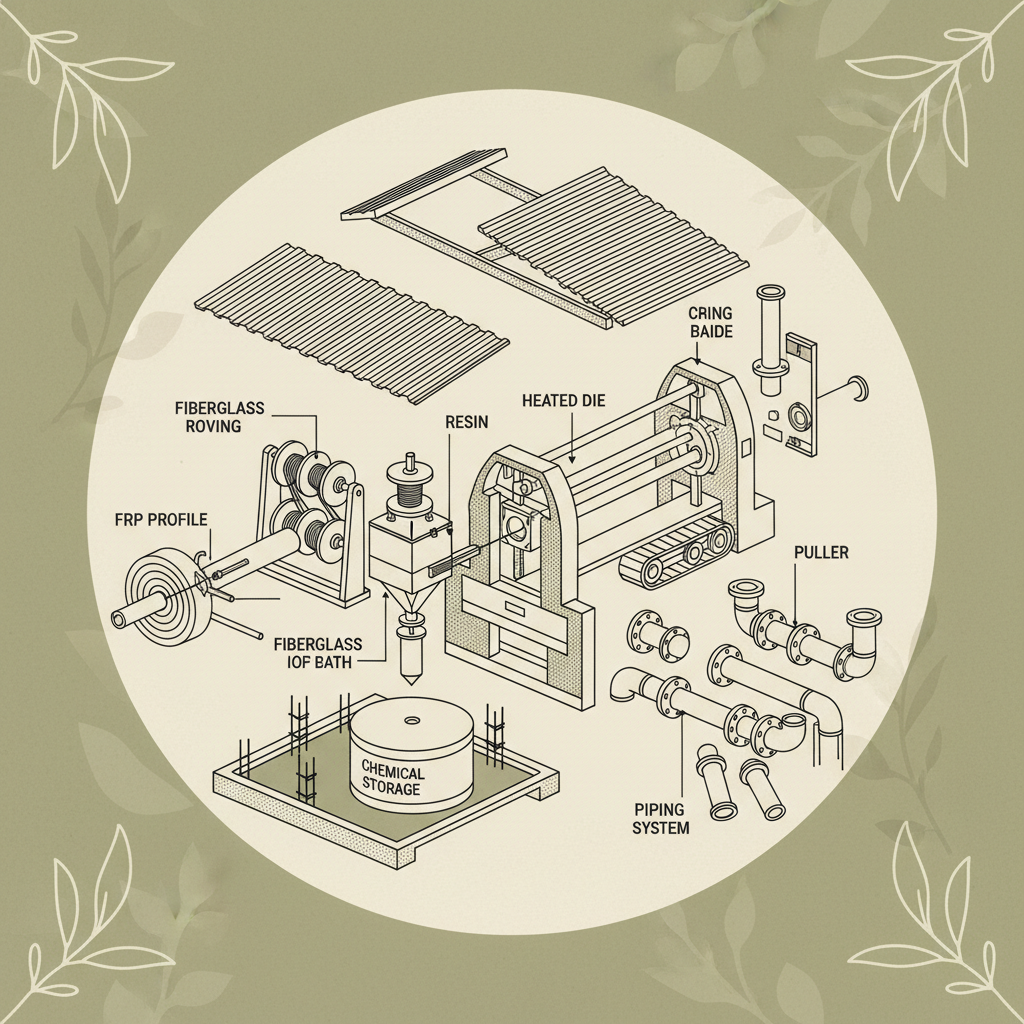
Pultrusion |
UV Radiation |
| Aramid Fiber |
Phenolic |
Resin Transfer Molding |
High Temperatures |
| Hybrid (Carbon/Glass) |
Epoxy/Vinyl Ester Blend |
Automated Fiber Placement |
Chemical Resistance |
| Recycled Carbon Fiber |
Bio-Based Epoxy |
Compression Molding |
Cyclic Loading |
FAQS
That’s a tough one. It depends on so many factors - the specific materials used, the environmental conditions, the quality of the installation. But, generally speaking, a well-designed and properly installed frp structure can last for 50 years or more, with minimal maintenance. I’ve seen some older installations that are still going strong after 70 years. But it has to be done right.
Initially, frp products manufacturer are typically more expensive than steel or concrete. But you have to look at the total cost of ownership. With steel, you have corrosion to deal with, and with concrete, you have cracking and spalling. The reduced maintenance requirements of frp products manufacturer can offset the higher initial cost over the long term.
This is a common concern. Composites are combustible, so they need to be protected. We often use fire-retardant resins and coatings to improve their fire resistance. But it's important to understand that they won't perform like concrete in a fire. The performance depends on the specific resin system and the level of protection applied.
Recycling composites is a challenge, to be honest. It’s not as straightforward as recycling steel or aluminum. There are some emerging technologies for recycling carbon fiber, but they're not widely available yet. We’re also looking at using bio-based resins to make frp products manufacturer more sustainable.
It’s not something you can just hand to any contractor. Proper installation requires specialized training and experience. You need to understand the materials, the bonding agents, the surface preparation techniques… it’s all critical. A bad installation can compromise the entire structure.
Yes, there are. ASTM International has a number of standards for frp products manufacturer, covering everything from material properties to testing methods. There are also certifications available from organizations like ISO. It’s important to make sure that the materials you’re using meet the relevant standards.
Conclusion
Look, frp products manufacturer isn’t a magic bullet. It’s a tool. A powerful tool, but still just a tool. It has its strengths and weaknesses. You need to understand them, and you need to apply it appropriately. The key is to focus on the entire lifecycle, from design and fabrication to installation and maintenance. Don’t just chase the lowest price.
Ultimately, whether this thing works or not, the worker will know the moment he tightens the screw. If it feels right, if it looks right, if it performs right… then you’ve done your job. If not, you need to go back to the drawing board. For more information and tailored solutions, visit our website: frp products manufacturer.