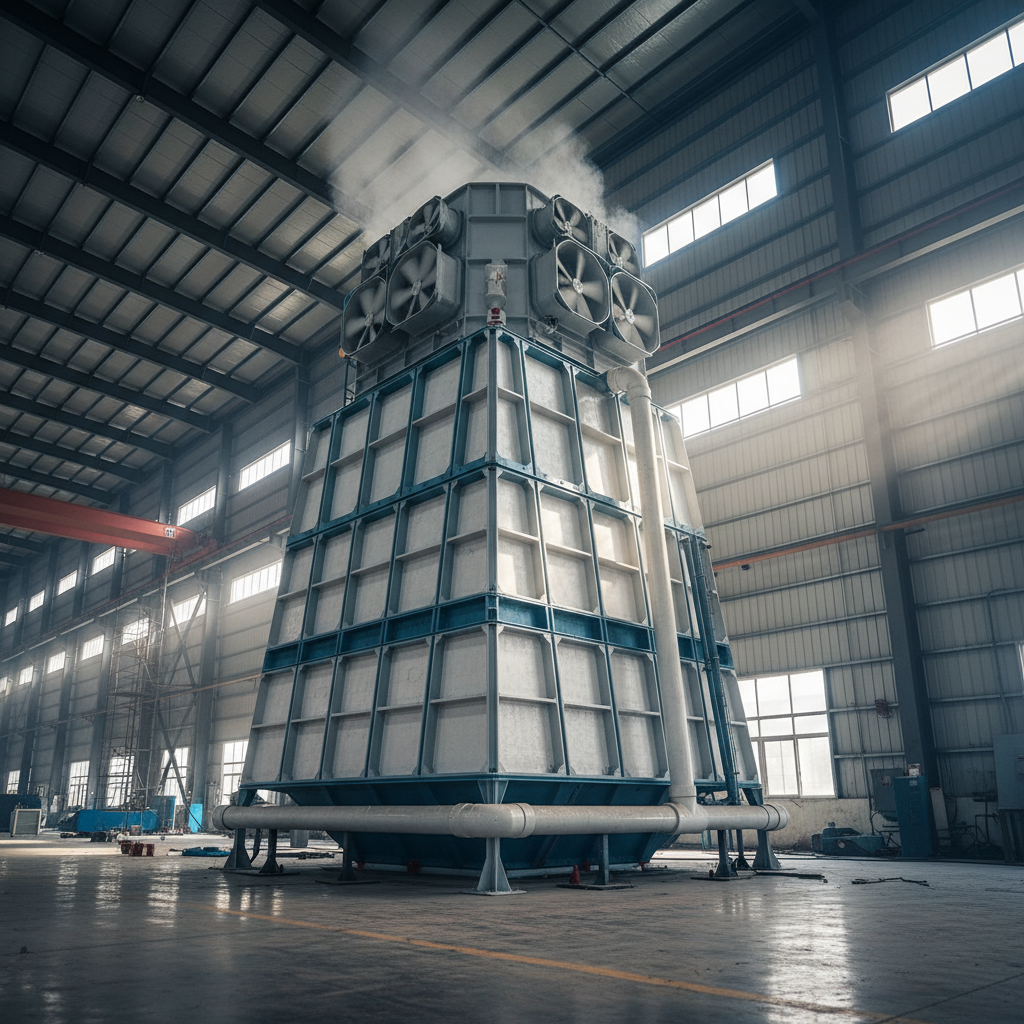
In the complex world of thermal management, the efficiency of a heat exchange system often hinges on a single critical component: the filling cooling tower. This internal medium is designed to maximize the contact area between hot water and cooling air, facilitating the rapid transfer of heat through evaporation. Without high-performance fill, industrial cooling processes would be drastically less efficient, leading to higher energy costs and increased operational risks.
Globally, the demand for advanced filling cooling tower solutions has surged as industries strive to meet stricter environmental regulations and energy-efficiency standards. From massive power plants to precision chemical refineries, the choice of fill material—whether splash or film type—determines the overall cooling capacity and the longevity of the equipment. As global temperatures rise, the ability to maintain stable process temperatures becomes a competitive necessity.
Understanding the technical nuances of cooling tower fill is not just about choosing a product; it is about optimizing the entire thermodynamic cycle of a facility. By integrating high-grade FRP (Fiber Reinforced Plastic) and innovative geometries, modern fill designs reduce pressure drops and prevent fouling. This comprehensive guide explores the global context, technical specifications, and future innovations of filling cooling tower technology to help engineers and plant managers make informed decisions.
Global Industry Context of Filling Cooling Tower
The global industrial landscape is currently facing a dual challenge: the need for increased production capacity and the urgent requirement to reduce carbon footprints. According to trends aligned with ISO 14001 environmental management standards, the optimization of thermal energy systems is paramount. The filling cooling tower serves as the heart of this optimization, where the precision of the heat exchange surface directly impacts the kilowatt-hours consumed by fans and pumps.
In regions like Southeast Asia and North America, where industrialization is coupled with extreme climate variability, the reliance on high-durability FRP fill has grown. The shift toward "Green Manufacturing" has forced companies to move away from inefficient legacy systems toward modular, high-surface-area filling cooling tower components that offer better thermal performance while utilizing fewer raw materials.
Technical Definition and Industrial Meaning
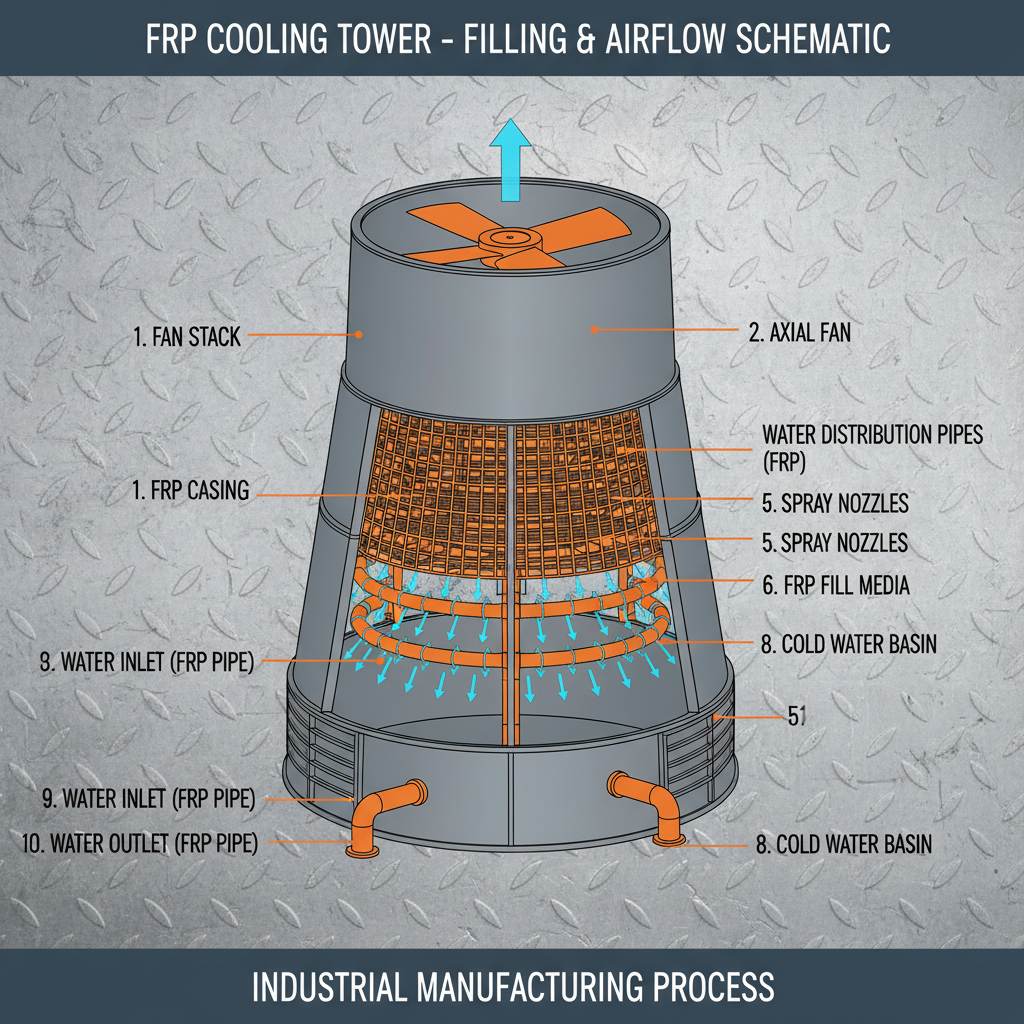
At its most fundamental level, a filling cooling tower refers to the heat transfer medium (the "fill") placed inside a cooling tower to facilitate the exchange of heat between the process water and the air stream. It acts as a catalyst for evaporation; by breaking the water into smaller droplets or spreading it into thin films, the fill dramatically increases the surface area available for heat transfer, thereby reducing the amount of air required to achieve the desired cooling effect.
In modern industrial terms, this component is the bridge between energy consumption and operational stability. For the FRP (Fiber Reinforced Plastic) manufacturing sector, the "fill" is not just a plastic grid but a precision-engineered geometry designed to balance airflow resistance (pressure drop) against heat transfer efficiency. A poorly designed fill can lead to "channeling," where air and water bypass each other, rendering the entire cooling system ineffective.
The industrial meaning of filling cooling tower technology extends to humanitarian and sustainability goals as well. By optimizing water use and reducing the energy required for cooling, these systems help industries minimize their impact on local water tables and lower the thermal pollution discharged into the environment, aligning with global ESG (Environmental, Social, and Governance) criteria.
Core Factors Affecting Fill Performance
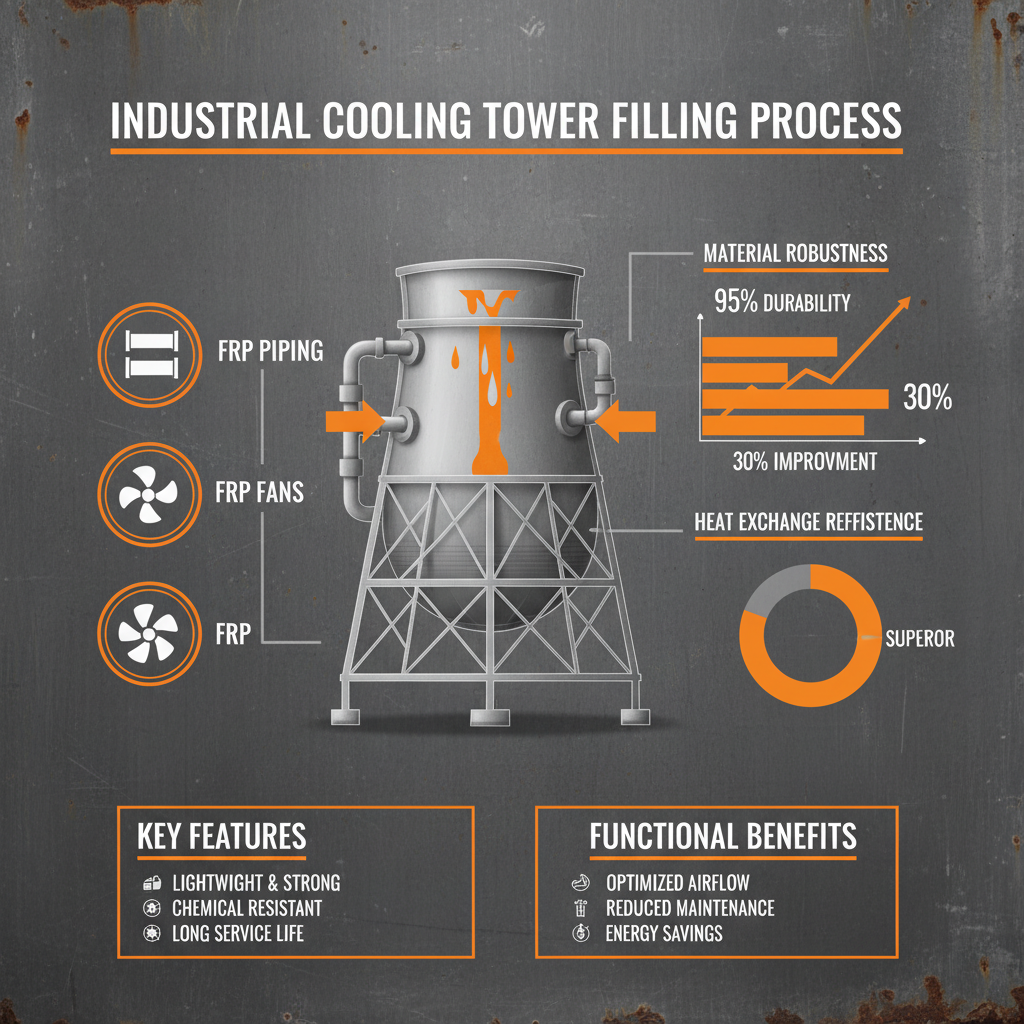
Durability is the foremost factor when selecting a filling cooling tower medium. Since these components are constantly exposed to moisture, chemicals, and varying temperatures, the use of high-grade PVC or FRP is essential to prevent degradation. Material resilience ensures that the tower maintains its structural integrity over decades, preventing costly unplanned shutdowns.
Surface Area Density is the primary driver of thermal efficiency. A filling cooling tower with a higher surface area per cubic meter can achieve greater cooling in a smaller footprint. However, engineers must balance this with the "Pressure Drop"—the resistance the air faces as it passes through the fill. If the fill is too dense, the fan must work harder, increasing energy costs.
Fouling Resistance is the third critical pillar. In industrial environments where water may contain minerals or biological contaminants, the filling cooling tower must be designed to minimize scale buildup. Smooth surfaces and optimized flow paths prevent the accumulation of debris, ensuring that the heat transfer coefficient remains constant throughout the operating season.
Global Applications and Use Cases
The application of filling cooling tower technology spans every continent, adapted to local climatic and industrial needs. In the Middle East, where water scarcity is a critical issue, high-efficiency film fills are used to maximize every drop of water utilized for cooling in desalination plants. Conversely, in heavy industrial zones of China and India, splash fills are often preferred for their ability to handle highly contaminated process water without clogging.
Real-world use cases include massive power generation facilities where the filling cooling tower must manage heat loads of thousands of megawatts. In the pharmaceutical and food processing industries, stainless steel or specialized FRP fills are deployed to meet stringent hygiene standards, ensuring that the cooling process does not introduce contaminants into the production environment.
Comparative Performance of Filling Cooling Tower Types
Advantages and Long-Term Value
Investing in a premium filling cooling tower system yields tangible financial and operational benefits. The most immediate advantage is the reduction in energy consumption; a more efficient fill allows the cooling fans to operate at lower speeds while achieving the same temperature drop. Over a ten-year lifecycle, this can result in hundreds of thousands of dollars in energy savings for a medium-sized plant.
Beyond the numbers, there is the value of reliability and peace of mind. Using high-quality FRP materials prevents premature failure and leaks, ensuring that critical production lines remain online. From a sustainability perspective, the long-term value lies in the reduction of the facility's environmental footprint, as optimized heat exchange minimizes the thermal impact on local ecosystems and reduces overall water waste.
Future Trends in Fill Technology
The future of filling cooling tower components is moving toward "Smart Fill" and advanced composite materials. We are seeing the integration of sensors within the fill layers to monitor real-time pressure drops and scale accumulation. This allows plant managers to move from scheduled maintenance to predictive maintenance, replacing fill only when the data indicates a performance drop.
Another significant trend is the development of biomimetic surfaces. By studying how nature manages fluid flow and heat dissipation, engineers are creating filling cooling tower geometries that further reduce air resistance while increasing the evaporation rate. These "nature-inspired" designs are paving the way for the next generation of ultra-compact cooling towers.
Furthermore, the shift toward circular economy principles is driving the use of recyclable thermoplastic composites in fill production. Future filling cooling tower solutions will not only be efficient during their operational life but will also be fully recyclable at the end of their lifecycle, eliminating the landfill impact of old PVC fill.
Common Challenges and Expert Solutions
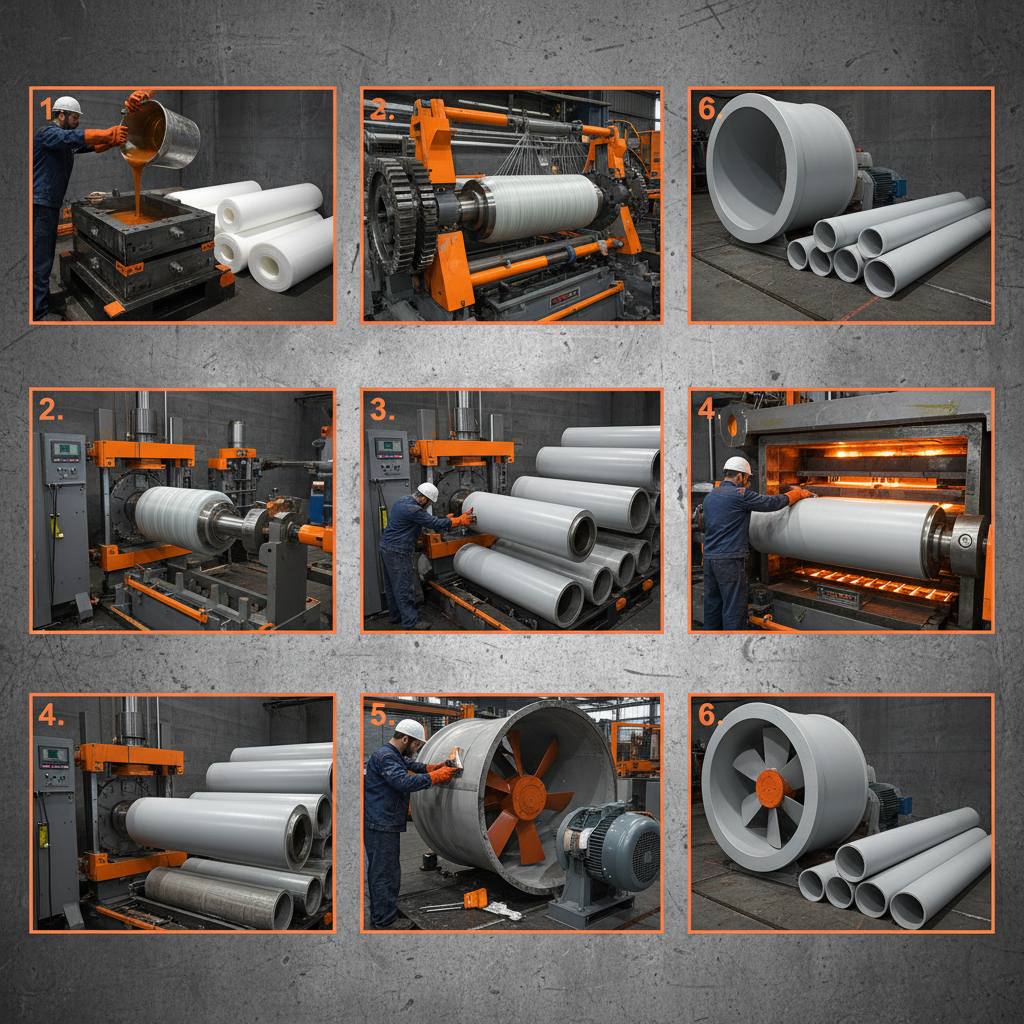
One of the most persistent challenges with filling cooling tower systems is biological growth and algae accumulation. This organic buildup creates a physical barrier that inhibits heat transfer and can lead to the spread of Legionella. The expert solution involves a combination of antimicrobial material additives during the FRP manufacturing process and the implementation of automated chemical dosing systems for water treatment.
Scaling and mineral deposition also present a significant hurdle, particularly in hard water regions. When calcium and magnesium salts precipitate on the fill surface, the effective surface area decreases. To overcome this, engineers recommend the installation of side-stream filtration systems and the use of "anti-scaling" coatings on the filling cooling tower medium to prevent minerals from adhering to the plastic.
Finally, the problem of "fill sag" in older towers can lead to uneven water distribution. This occurs when the material weakens over time due to UV exposure or chemical stress. The solution lies in the adoption of reinforced FRP support grids and the use of UV-stabilized polymers, ensuring that the filling cooling tower maintains its precise geometry throughout its entire service life.
Analysis of Filling Cooling Tower Material and Performance Metrics
| Material Type |
Thermal Efficiency |
Corrosion Resistance |
Maintenance Cycle |
| Standard PVC Fill |
Moderate (7/10) |
Good |
3-5 Years |
| Premium FRP Fill |
High (9/10) |
Excellent |
8-12 Years |
| Polypropylene Fill |
Moderate (6/10) |
Very High |
5-7 Years |
| Stainless Steel Fill |
Low (5/10) |
High |
15+ Years |
| Ceramic Fill |
High (8/10) |
Extreme |
10-15 Years |
| Hybrid Composite |
Very High (10/10) |
Excellent |
10-12 Years |
FAQS
Film fill spreads water into a thin layer over a large surface area, offering higher thermal efficiency but being prone to clogging. Splash fill breaks water into droplets as it falls through a series of bars, making it much more resistant to fouling and scaling, though it typically has a lower cooling efficiency than film fill. The choice depends on your water quality and cooling requirements.
Replacement cycles vary by material and water quality. Standard PVC fill typically lasts 3-5 years, while high-performance FRP fills can last 8-12 years. We recommend conducting a thermal performance audit annually; if you notice a significant increase in approach temperature or air pressure drop, it is time to consider a replacement.
While technically possible, it is generally discouraged. Mixing different types of filling cooling tower media can lead to uneven air and water distribution (channeling), which reduces the overall efficiency of the tower. For optimal performance, the fill should be uniform to ensure a consistent pressure drop and heat transfer rate across the entire cross-section.
FRP (Fiber Reinforced Plastic) fill allows for more complex, high-surface-area geometries that remain structurally rigid. This increases the heat transfer coefficient, meaning the system can achieve the target water temperature with lower airflow. Consequently, the cooling fans consume less electricity, leading to a direct reduction in operational costs.
Common indicators include a noticeable increase in the cold water temperature, an increase in the static pressure measured across the fill, and visible scale or biological growth on the fill surface. You may also notice "dry spots" in the fill where water is not distributing evenly, indicating that some channels are completely blocked.
Yes, periodic cleaning with biodegradable descaling agents or mild biocides can extend the life of the fill. However, if the fill has suffered from structural degradation (sagging) or severe mineral crystallization that has penetrated the plastic, cleaning will not restore efficiency, and a full replacement is the only viable long-term solution.
Conclusion
The filling cooling tower is far more than a simple plastic insert; it is the core determinant of a thermal system's efficiency, sustainability, and reliability. From the careful selection of FRP materials to the optimization of surface area and pressure drop, every technical detail contributes to the bottom line of industrial operations. By addressing challenges like fouling and degradation through advanced materials and predictive maintenance, companies can ensure stable production while significantly lowering their energy and water footprint.
Looking ahead, the integration of smart monitoring and bio-inspired designs will redefine the standards of heat exchange. As industries move toward a net-zero future, the role of high-efficiency filling cooling tower technology will only grow in importance. We encourage plant engineers and procurement managers to prioritize long-term value over initial cost by investing in high-grade composite fills that promise durability and superior thermal performance. Visit our website for more expert solutions: www.hlfrp.com