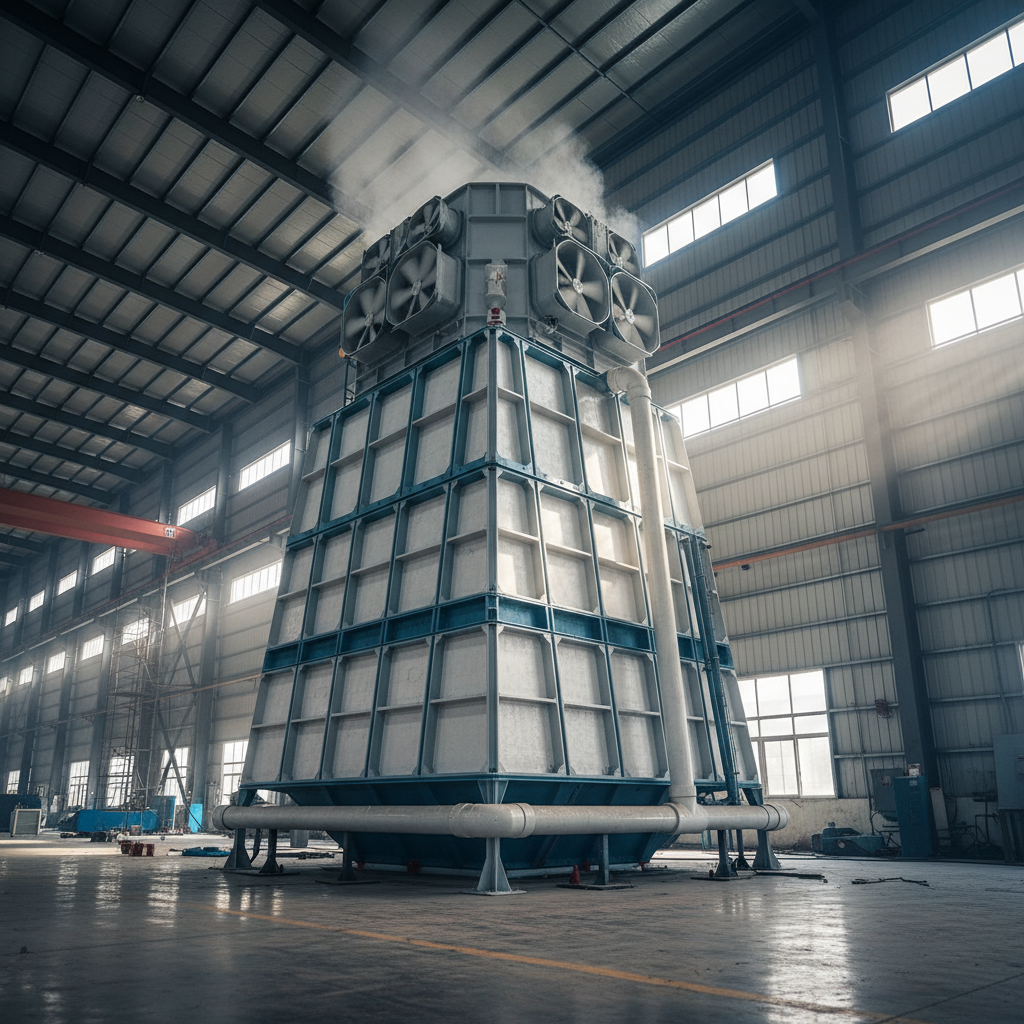
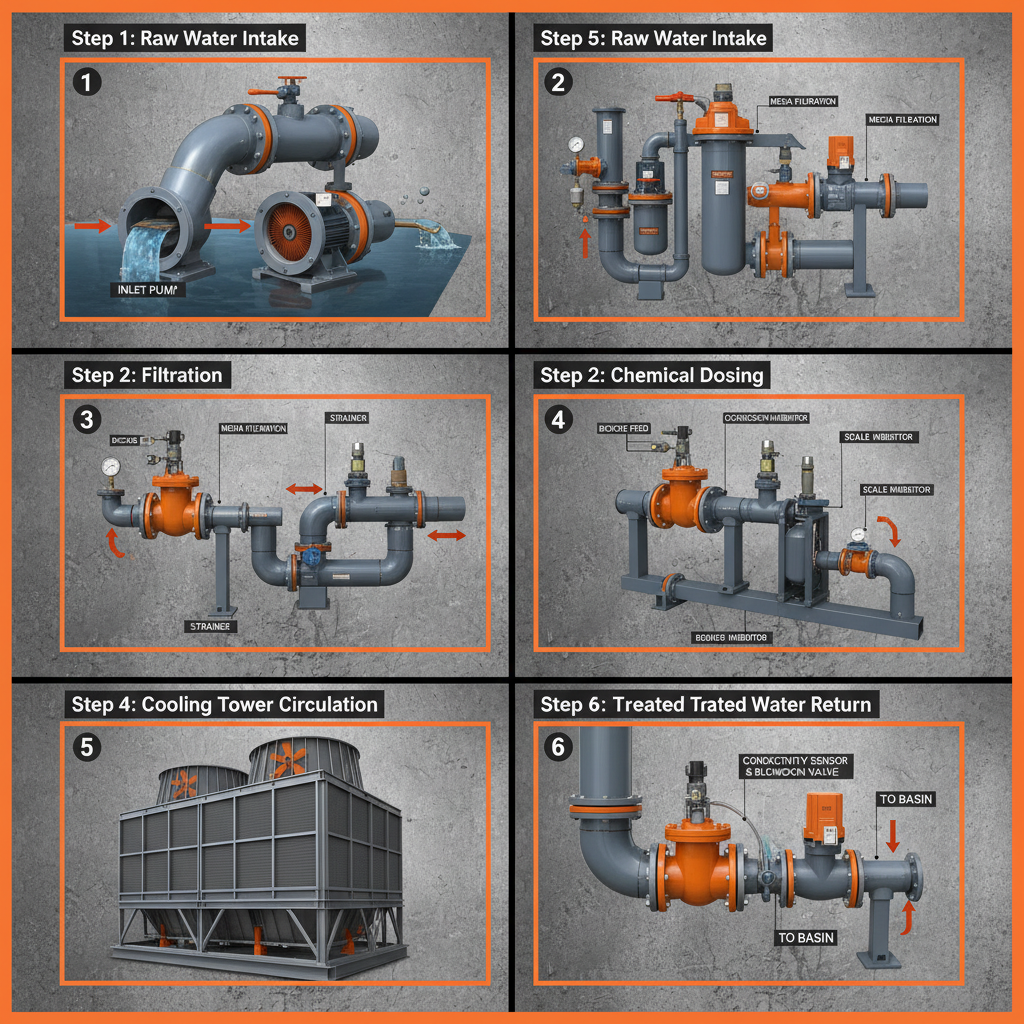
The concept of a natural cooling tower represents one of the most efficient intersections of thermodynamics and architectural engineering. By leveraging the natural buoyancy of warm air and the cooling effect of evaporation, these structures provide a sustainable method for managing heat rejection in large-scale industrial processes. In an era where energy costs are skyrocketing, returning to "natural" convection mechanisms offers a strategic advantage for power plants and heavy manufacturing hubs globally.
Understanding the mechanics of a natural cooling tower is essential for engineers looking to reduce operational expenditures (OPEX). Unlike mechanical draft towers that rely on massive fans and constant electricity, natural draft systems utilize the "chimney effect," where the height of the tower creates a pressure differential that pulls air upward naturally. This eliminates the need for complex motor assemblies and reduces the overall carbon footprint of the facility.
Globally, the adoption of these systems is driven by a shift toward green infrastructure and ISO environmental standards. Whether it is for nuclear power generation or massive chemical refineries, the implementation of a natural cooling tower ensures a reliable, long-term cooling solution that scales with the needs of the industry while respecting the ecological limits of the surrounding environment.
The Engineering Principles of Natural Cooling Towers
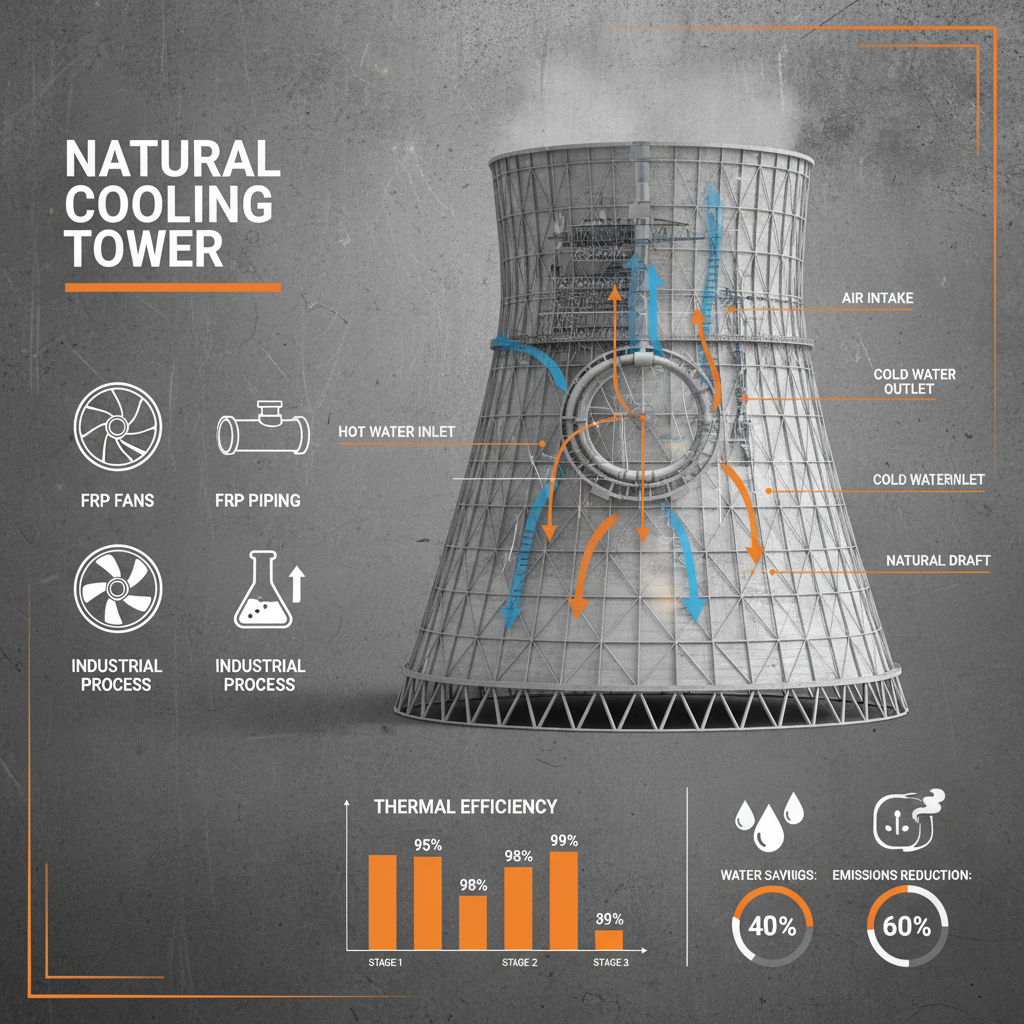
The fundamental operation of a natural cooling tower is based on the principle of natural convection. As hot water is sprayed over internal fill materials, it evaporates partially, warming the surrounding air. This warm, moist air is less dense than the ambient air outside the tower, causing it to rise naturally through the structure's tall chimney. This continuous upward flow creates a vacuum effect at the base, drawing in fresh, cool air to replace the rising air, thereby cooling the remaining water.
This self-sustaining cycle eliminates the need for energy-intensive fans. The efficiency of this process is largely dependent on the height of the tower and the temperature difference between the water and the ambient air. By optimizing the hyperbolic shape of the shell, engineers can maximize the airflow velocity, ensuring that the natural cooling tower operates at peak thermal efficiency regardless of external wind conditions.
Core Components and Material Requirements
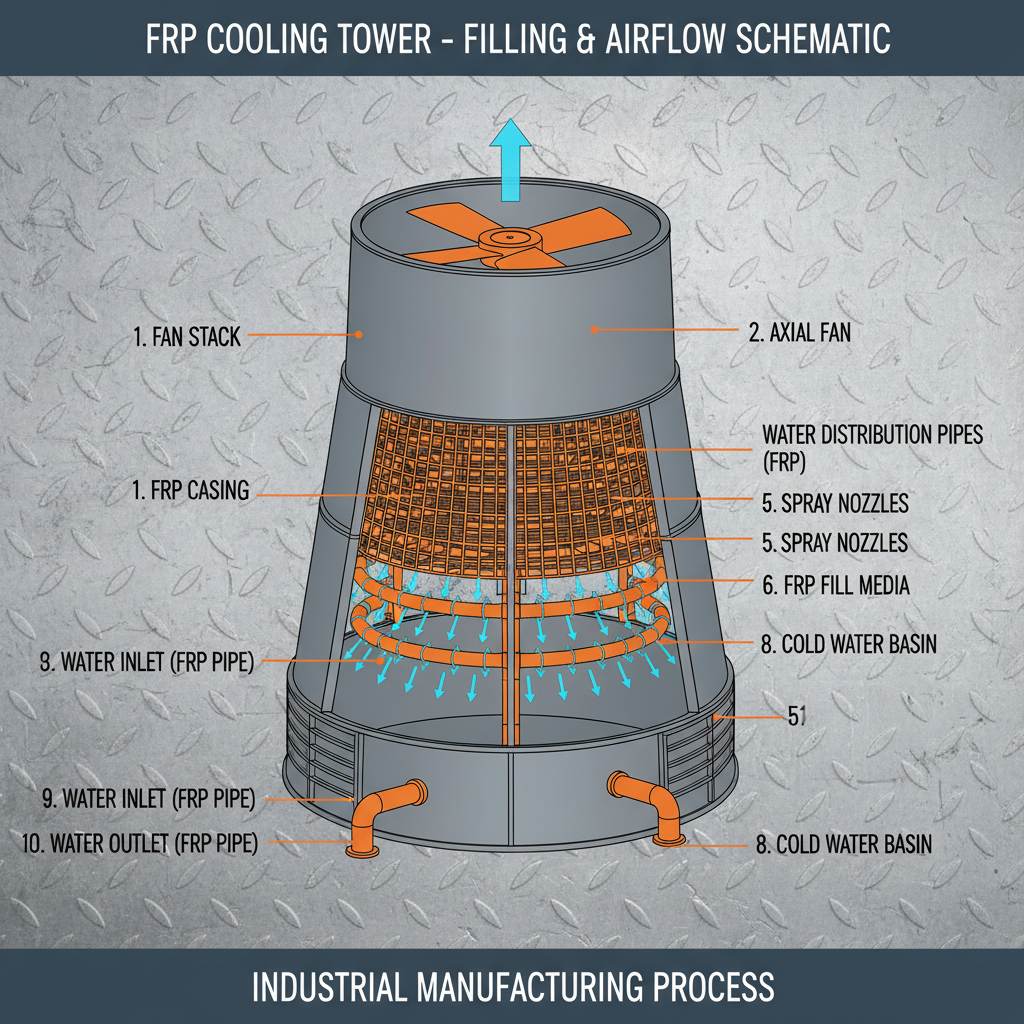
A high-performance natural cooling tower consists of several critical components that must work in harmony. The primary structure is the shell, often constructed from reinforced concrete or advanced composites, which provides the necessary height for the chimney effect. Inside, the distribution system ensures that hot water is evenly dispersed across the fill, preventing "dry spots" that would reduce the overall cooling capacity of the system.
The "fill" or packing material is perhaps the most vital internal component. Its purpose is to increase the surface area for contact between the falling water and the rising air. Modern fills are often made from high-grade polymers or Fiber Reinforced Plastic (FRP), which resist bio-fouling and chemical corrosion. The design of the fill must balance the need for high surface area with the need to maintain low air resistance (pressure drop) to keep the natural draft strong.
Finally, the basin at the bottom collects the cooled water for recirculation. Because these basins are constantly exposed to moisture and varying chemical treatments, the use of FRP lining or complete FRP construction is recommended. This ensures that the structural integrity of the natural cooling tower is maintained over decades of continuous operation without leaking or degrading.
The Role of FRP in Cooling Tower Durability
In the demanding environment of a
natural cooling tower, materials are subjected to constant humidity, thermal cycling, and corrosive water treatments. Traditional steel components often fail prematurely due to rust and oxidation, leading to expensive downtime and hazardous structural weaknesses.
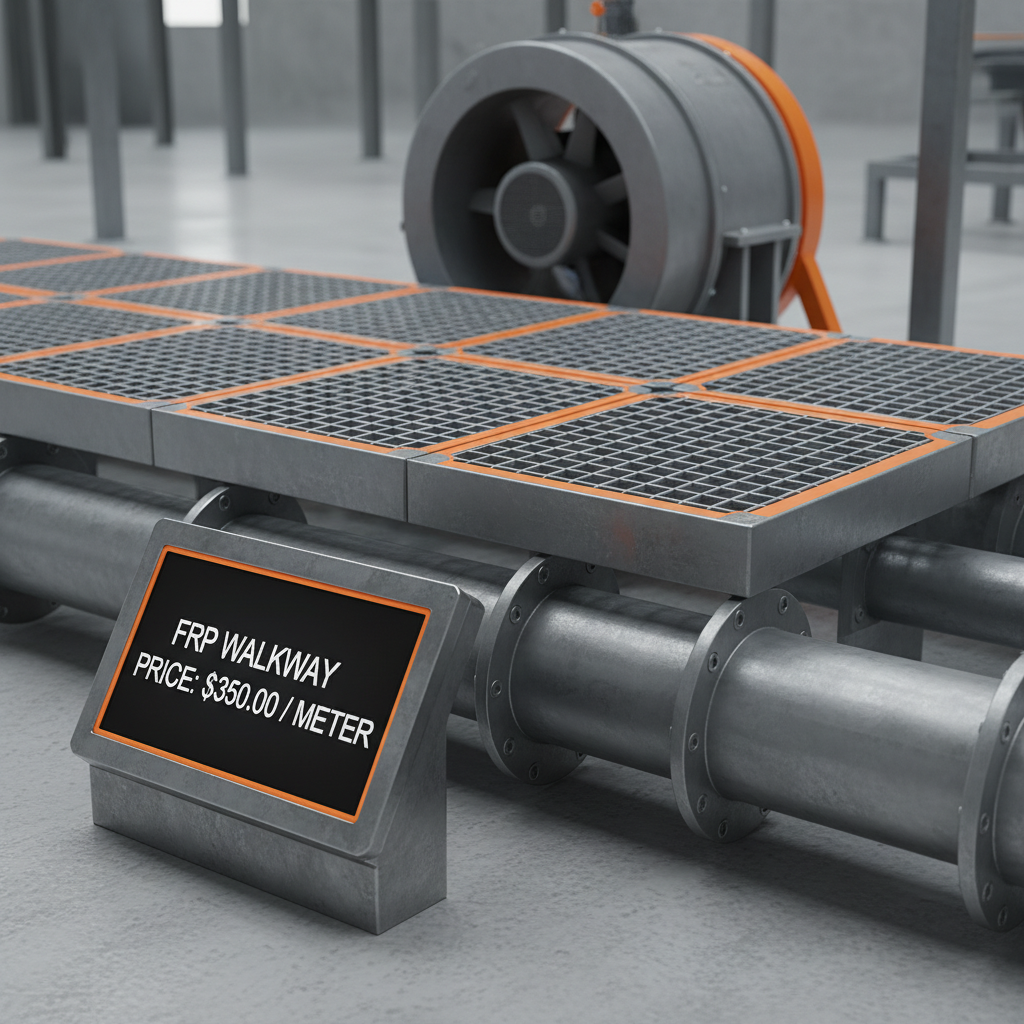
Fiber Reinforced Plastic (FRP) has emerged as the gold standard for natural cooling tower internals. Due to its exceptional strength-to-weight ratio and inherent resistance to chemical corrosion, FRP components like grating, piping, and fill media significantly extend the lifecycle of the tower. Unlike metal, FRP does not corrode, meaning maintenance intervals can be extended from every few years to every decade.
Beyond durability, the lightweight nature of FRP allows for easier installation and replacement within the massive scale of a natural cooling tower. This reduces the load on the primary concrete shell and allows for more complex, high-efficiency internal geometries that would be too heavy or costly to implement with traditional materials.
Comparative Performance Metrics of Cooling Methods
When evaluating whether to implement a natural cooling tower versus a mechanical draft system, the primary considerations are energy consumption and initial capital investment. While natural towers have a higher upfront cost due to their size and concrete requirements, their operational costs are nearly zero in terms of airflow energy.
To provide a clearer picture, we examine the efficiency ratings across different cooling methodologies. These metrics reflect a combination of thermal performance, maintenance ease, and energy sustainability over a 20-year lifecycle.
Performance Comparison of Natural Cooling Tower Variants
Global Applications and Industrial Use Cases
The deployment of a natural cooling tower is most common in regions with consistent ambient temperature gradients and in industries with massive heat loads. Nuclear power plants, for instance, are the most iconic users of these structures, as they require a constant, fail-safe method of cooling without relying on the electrical grid they are helping to power.
Beyond power generation, large-scale petrochemical plants in the Middle East and Southeast Asia utilize natural cooling tower systems to manage the heat from exothermic chemical reactions. In these remote industrial zones, the reliability of a natural draft system is paramount, as it minimizes the risk of system failure during power outages and reduces the need for specialized maintenance technicians on-site.
Long-term Economic and Environmental Value
Investing in a natural cooling tower provides a tangible logical and emotional return on investment. Logically, the elimination of fan electricity costs leads to a rapid payback period after the initial construction. Environmentally, the reduction in energy consumption directly translates to lower CO2 emissions, aligning corporate operations with global sustainability goals and ESG (Environmental, Social, and Governance) criteria.
From a reliability standpoint, the simplicity of a natural cooling tower fosters trust. With fewer moving parts, there are fewer points of failure. This ensures that critical industrial processes are never interrupted by a motor burnout or a gearbox failure, providing peace of mind to plant operators and ensuring the safety of the surrounding community.
Furthermore, the use of sustainable materials like FRP within these towers ensures that they do not leach toxins into the water cycle. By combining natural physics with advanced material science, the natural cooling tower becomes a symbol of innovation—proving that the most effective solutions are often those that work with nature rather than against it.
Future Trends in Natural Cooling Technology
The future of the natural cooling tower is being shaped by digital transformation and "smart" materials. We are seeing the integration of IoT sensors within the tower shells and fill media to monitor airflow and water temperature in real-time. This allows for predictive maintenance, where potential blockages in the fill are identified before they impact the thermal efficiency of the system.
Material science is also evolving, with the introduction of nano-enhanced FRPs that provide even greater resistance to ultraviolet radiation and extreme temperature fluctuations. These innovations ensure that a natural cooling tower can operate in the harshest climates on earth, from the freezing tundra to the arid deserts, without losing structural integrity.
Finally, there is a growing trend toward integrating natural cooling towers with waste-heat recovery systems. Instead of simply venting heat into the atmosphere, new designs are exploring ways to capture the warm air from the natural cooling tower to provide heating for nearby facilities or to drive low-temperature organic Rankine cycle (ORC) generators for additional power.
Analysis of Natural Cooling Tower Material and Operational Efficiency
| Material Type |
Corrosion Resistance |
Lifespan (Years) |
Energy Efficiency |
| High-Grade FRP |
Excellent |
25+ |
Maximized |
| Galvanized Steel |
Moderate |
10-15 |
Standard |
| Treated Wood |
Low |
5-8 |
Moderate |
| Polypropylene |
High |
15-20 |
High |
| Stainless Steel |
Very High |
20+ |
Standard |
| Composite Hybrid |
Excellent |
20-25 |
High |
FAQS
The primary sustainability factor is the elimination of mechanical fans. A natural cooling tower relies on the buoyancy of air, which means zero electricity is used to move the air. This significantly reduces the operational carbon footprint and removes the need for frequent motor replacements and lubricants, making it an eco-friendly choice for large-scale heat rejection.
When equipped with high-quality Fiber Reinforced Plastic (FRP) for fill, grating, and piping, these towers can easily last over 25 years. FRP is impervious to the corrosive chemicals used in water treatment and does not rot like wood or rust like steel, ensuring the structure remains operational with minimal structural intervention over several decades.
Generally, natural cooling towers are most cost-effective for very large facilities due to the high initial cost of building the tall shell. However, for plants with extremely high heat loads and a desire for zero-energy airflow, the long-term savings on electricity can outweigh the initial CAPEX. For small plants, mechanical towers are usually preferred.
Performance is influenced by the "wet-bulb temperature" of the outside air. Since the system relies on the temperature difference between the water and the air to create a draft, colder and drier ambient air generally increases the efficiency of the natural cooling tower. However, modern engineering optimizes the tower height to ensure stable operation across seasons.
Yes, retrofitting is very common. Many older towers with wooden or steel internals are upgraded to FRP fill and supports. This "modernization" typically increases the thermal efficiency of the tower while drastically reducing the frequency of maintenance, effectively extending the life of the concrete shell without requiring a full rebuild.
The hyperbolic shape is not just aesthetic; it is mathematically designed to maximize the upward velocity of the air while using the minimum amount of material for the shell. It provides structural stability against wind loads and ensures a smooth, non-turbulent airflow, which is critical for maintaining the constant draft needed for a natural cooling tower to function.
Conclusion
The natural cooling tower stands as a testament to the power of combining fundamental physics with advanced materials. By leveraging natural convection and utilizing corrosion-resistant FRP components, industries can achieve a rare balance of high thermal performance and near-zero operational energy costs. From the massive shells of nuclear plants to the intricate fill systems that maximize surface area, every element is designed for longevity and sustainability.
Looking forward, the integration of smart monitoring and next-generation composites will only further enhance the reliability of these systems. For any industrial enterprise aiming to reduce its carbon footprint while securing its infrastructure for the next quarter-century, investing in a high-quality natural cooling tower is a strategic necessity. To explore the best FRP solutions for your cooling infrastructure, visit our website: www.hlfrp.com