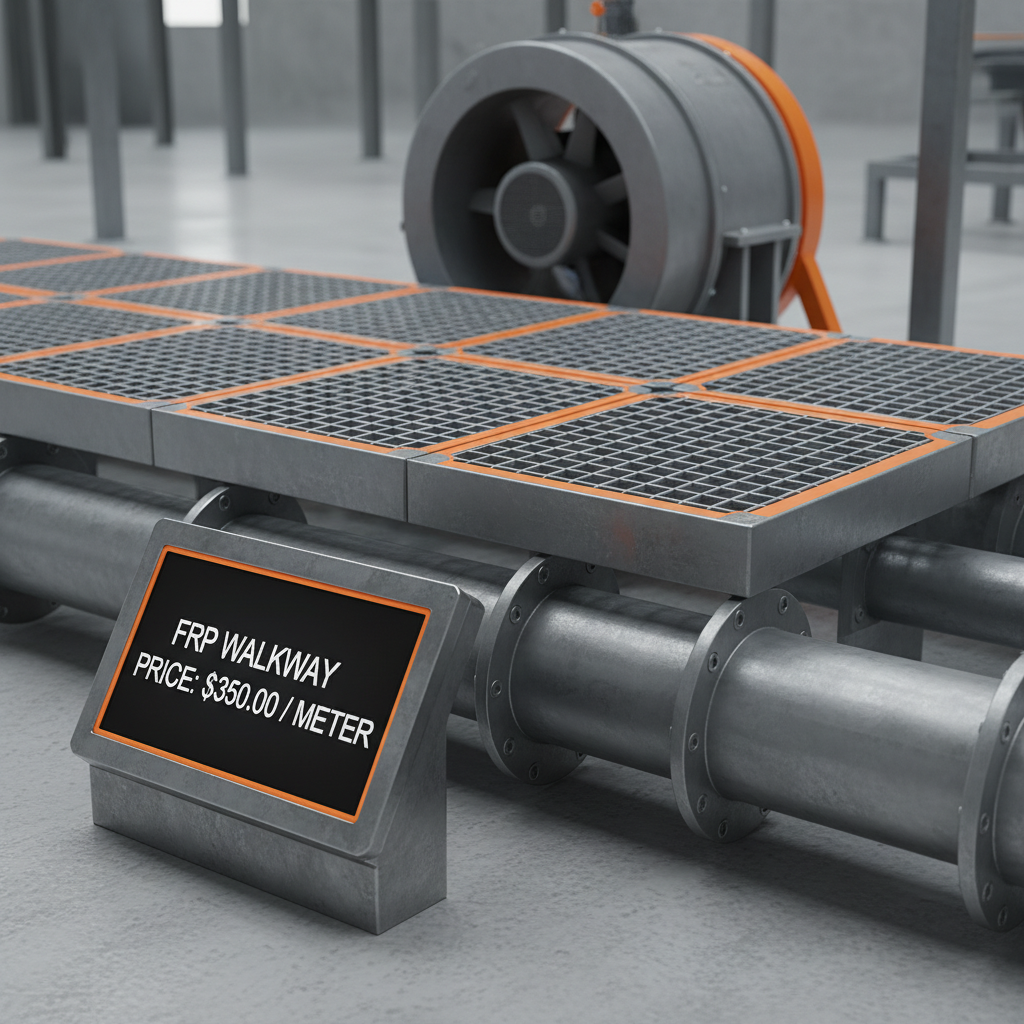
The global demand for safe, durable, and cost-effective pedestrian walkways is constantly increasing, particularly in industrial settings, marine environments, and infrastructure projects. The frp walkway price is a critical factor in determining project feasibility and long-term operational costs. Understanding the nuances of FRP walkway pricing, encompassing material costs, fabrication, installation, and lifecycle maintenance, is paramount for informed decision-making. This knowledge empowers stakeholders to optimize investments and ensure sustainable infrastructure development.
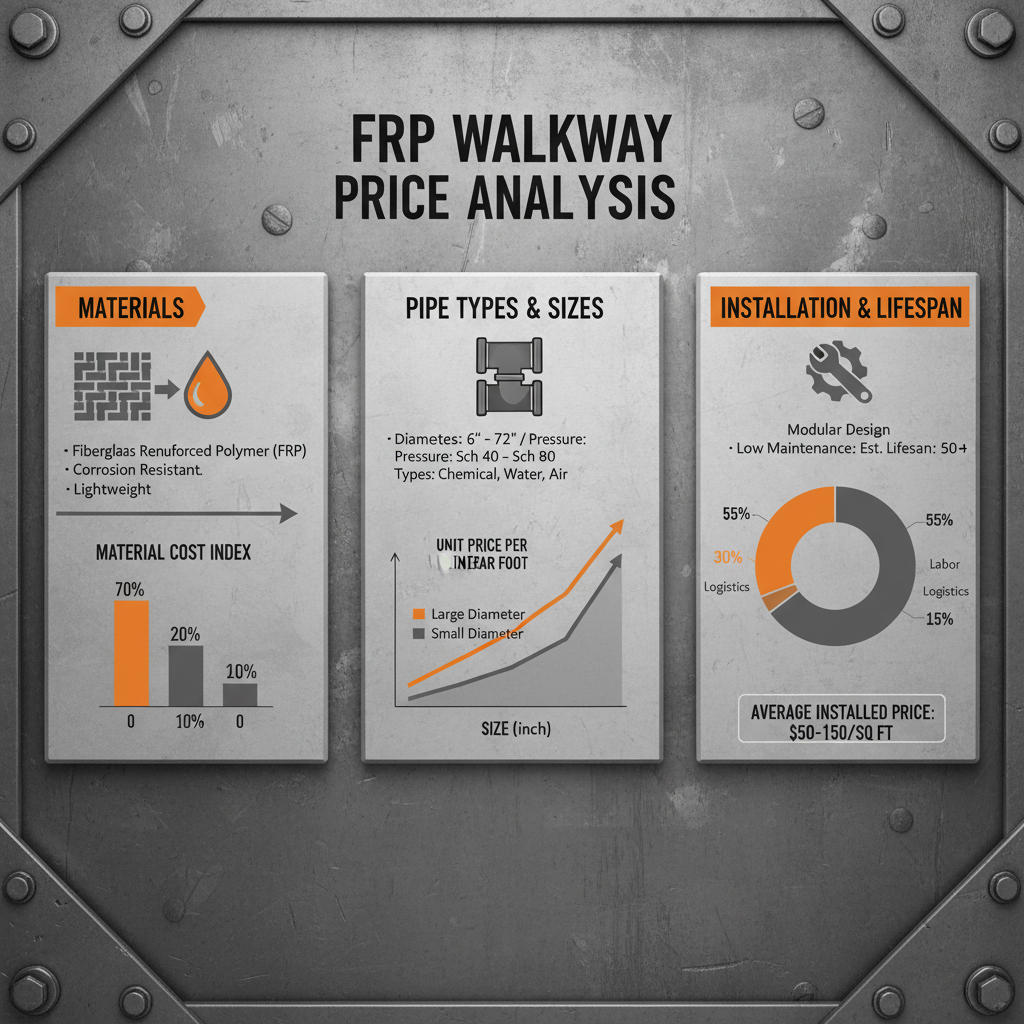
Fluctuations in raw material prices (resin, fiberglass), labor costs, and transportation significantly impact the overall frp walkway price. Furthermore, the specific design requirements – span length, load capacity, corrosion resistance needs, and fire rating – directly influence the material selection and fabrication complexity, thereby affecting the cost. Ignoring these variables can lead to budget overruns and compromised structural integrity.
Ultimately, evaluating the frp walkway price isn’t solely about the initial expenditure. A comprehensive cost analysis must consider the long-term benefits of FRP, including reduced maintenance, extended lifespan, and minimized downtime, making it a compelling alternative to traditional materials like steel or aluminum in many applications.
Understanding the Fundamentals of frp walkway price
The frp walkway price isn’t a monolithic figure; it’s a complex equation influenced by numerous variables. A fundamental understanding of the raw material composition – specifically the type of resin (polyester, vinyl ester, epoxy) and reinforcement fibers (fiberglass, carbon fiber) – is crucial. The selection dictates strength, durability, and therefore, the ultimate cost.
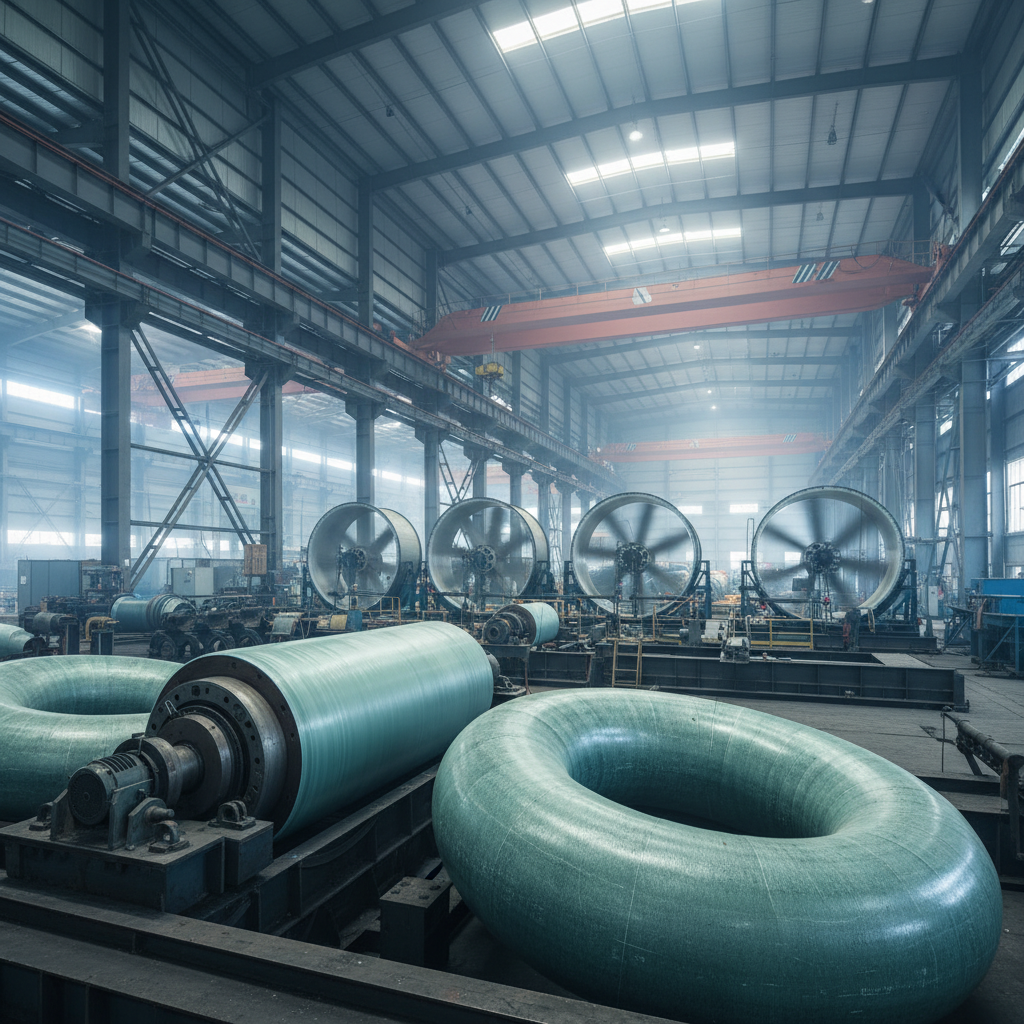
Furthermore, the manufacturing process – pultrusion, molding, or hand lay-up – significantly impacts the frp walkway price. Pultrusion, offering high production rates and consistent quality, often presents a more cost-effective solution for standardized profiles, while custom-designed walkways may necessitate more expensive manufacturing methods.
Defining frp walkway price and Its Relevance
frp walkway price refers to the total cost associated with procuring and installing a walkway constructed from fiber-reinforced polymer (FRP) materials. This encompasses the cost of the FRP profiles (grating, structural shapes, decking), fasteners, adhesives, any required coatings, labor for fabrication and installation, transportation, and applicable taxes.
The relevance of accurately defining this price extends beyond budgetary constraints. It's a critical component in evaluating the return on investment (ROI) compared to traditional materials. While the initial cost of FRP may sometimes be higher, its exceptional durability and low maintenance requirements often translate into significant long-term savings.
In modern industrial and infrastructure contexts, where corrosion resistance and safety are paramount, understanding the frp walkway price is essential for ensuring both economic viability and operational integrity. It’s about choosing a solution that delivers sustained value over its entire lifecycle.
Key Components Influencing frp walkway price
Several core components drive the frp walkway price. Firstly, the type of resin system employed – polyester, vinyl ester, or epoxy – dictates the chemical resistance, temperature tolerance, and overall strength. Epoxy resins, offering superior performance, typically command a higher price point.
Secondly, the reinforcement fibers play a vital role. Fiberglass is the most common and cost-effective option, while carbon fiber provides significantly enhanced strength and stiffness, albeit at a premium. The fiber content within the composite material also influences the price – higher fiber content translates to greater strength but also a higher material cost.
Thirdly, the design complexity and customization requirements directly impact the fabrication costs. Standardized walkway sections are typically more affordable than bespoke designs tailored to specific site conditions. Finally, installation costs, which vary depending on site accessibility and labor rates, contribute significantly to the overall frp walkway price.
Global Applications and the Impact on frp walkway price
FRP walkways find widespread applications across diverse industries globally, including oil & gas, chemical processing, wastewater treatment, marine environments, and infrastructure projects. In offshore oil platforms, the demand for corrosion-resistant FRP walkways drives up the frp walkway price due to stringent safety regulations and the need for specialized fabrication.
Similarly, in chemical plants where exposure to harsh chemicals is constant, the requirement for chemically inert FRP materials adds to the cost. In regions with limited local FRP manufacturing capabilities, transportation costs also contribute to a higher frp walkway price.
Conversely, in large-scale infrastructure projects where standardized FRP walkway sections are utilized, economies of scale can help to reduce the overall cost. For example, in rapidly developing nations, the need for durable and low-maintenance infrastructure is driving increased adoption of FRP walkways, influencing the global demand and production volumes.
Comparative frp walkway price based on Application
Advantages and the Long-Term Value Proposition of frp walkway price
While the initial frp walkway price may appear higher than traditional materials, the long-term advantages significantly outweigh the upfront investment. FRP walkways are exceptionally durable, resistant to corrosion, and require minimal maintenance, reducing lifecycle costs considerably.
The reduced downtime for repairs and replacements translates into increased productivity and operational efficiency. The lightweight nature of FRP also simplifies installation, further reducing labor costs. From a safety perspective, FRP walkways offer superior slip resistance, enhancing worker safety and reducing the risk of accidents.
Future Trends and Innovations in frp walkway price
The future of frp walkway price is poised for innovation. Advancements in resin technology are leading to the development of more cost-effective and high-performance materials. The integration of nanotechnology into FRP composites promises to further enhance strength, durability, and resistance to environmental factors.
Furthermore, the increasing adoption of digital fabrication techniques, such as 3D printing, could revolutionize the manufacturing process, enabling customized FRP walkway designs at lower costs. The incorporation of smart sensors into FRP walkways for structural health monitoring is also gaining traction, providing real-time data on structural integrity and enabling proactive maintenance.
Challenges and Solutions Related to frp walkway price
One of the main challenges associated with frp walkway price is the relatively high cost of raw materials, particularly specialized resins and carbon fibers. To address this, research is focused on developing alternative resin systems derived from renewable sources and utilizing recycled carbon fibers.
Another challenge is the limited awareness of the long-term cost benefits of FRP among some stakeholders. Educational initiatives and comprehensive lifecycle cost analyses are crucial for demonstrating the value proposition of FRP. Standardization of FRP walkway designs and manufacturing processes can also contribute to cost reduction.
Finally, ensuring proper installation techniques is paramount for maximizing the lifespan and performance of FRP walkways. Providing training and certification programs for installers can help to mitigate potential issues and ensure quality workmanship.
Overview of Factors Affecting FRP Walkway Price
| Material Type |
Manufacturing Process |
Design Complexity |
Installation Costs |
| Polyester Resin |
Pultrusion |
Standardized Sections |
Low (Simple Access) |
| Vinyl Ester Resin |
Molding |
Moderate Customization |
Medium (Moderate Access) |
| Epoxy Resin |
Hand Lay-up |
High (Bespoke Design) |
High (Difficult Access) |
| Carbon Fiber Reinforcement |
Automated Fiber Placement |
Complex Geometries |
Medium-High (Specialized Skills) |
| Fiberglass Reinforcement |
Spray-up |
Simple Panels |
Low-Medium (Standard Tools) |
| Hybrid Resin System |
Vacuum Infusion |
Moderate to High |
Medium (Requires Expertise) |
FAQS
The frp walkway price is heavily influenced by the type of resin and reinforcement used, the complexity of the design, the manufacturing method employed, and installation costs. High-performance resins like epoxy and carbon fiber reinforcement increase the price, while standardized designs and efficient manufacturing processes can help to reduce it. Site access and labor rates also play a role in installation expenses.
FRP walkways boast an exceptionally long lifespan – often exceeding 50 years – with minimal maintenance requirements. This significantly reduces the total cost of ownership compared to traditional materials like steel or aluminum, which require frequent repairs and replacements due to corrosion or wear. While the initial frp walkway price may be higher, the long-term savings make it a cost-effective solution.
The frp walkway price per square foot can vary widely, typically ranging from $10 to $30 USD, depending on the factors mentioned above. Simple, standardized walkways using fiberglass and polyester resins will be on the lower end of the range, while complex designs incorporating epoxy resins and carbon fiber reinforcement will be on the higher end. It is always best to request a custom quote.
Yes, FRP walkways can be fully customized to meet specific load requirements. The design can be tailored to accommodate heavy machinery, pedestrian traffic, or other unique demands. This customization may affect the frp walkway price, but it ensures the walkway's structural integrity and safety.
Transportation distance is a significant factor in the frp walkway price, particularly for projects located in remote areas or internationally. Shipping costs can add a substantial amount to the overall expense, especially for large or bulky FRP components. Sourcing materials from local manufacturers, when possible, can help to mitigate these costs.
FRP’s inherent resistance to corrosion is a major advantage in harsh environments. Traditional materials like steel are prone to rust and degradation, requiring frequent maintenance and replacement. FRP eliminates these concerns, resulting in lower lifecycle costs and reduced downtime. This makes it ideal for applications in chemical plants, wastewater treatment facilities, and marine environments, even if the initial frp walkway price is slightly higher.
Conclusion
In conclusion, the frp walkway price is a multifaceted consideration, demanding a holistic evaluation beyond the initial expenditure. By understanding the influencing factors – material composition, manufacturing process, design complexity, and installation costs – stakeholders can make informed decisions that prioritize long-term value, durability, and safety. The benefits of reduced maintenance, extended lifespan, and corrosion resistance consistently position FRP walkways as a superior solution in a wide range of applications.
Looking ahead, continued innovation in FRP materials and manufacturing techniques promises to further optimize the frp walkway price, making this robust and sustainable solution even more accessible. We encourage you to explore the possibilities of FRP for your next project. Visit our website at www.hlfrp.com to learn more and request a custom quote.