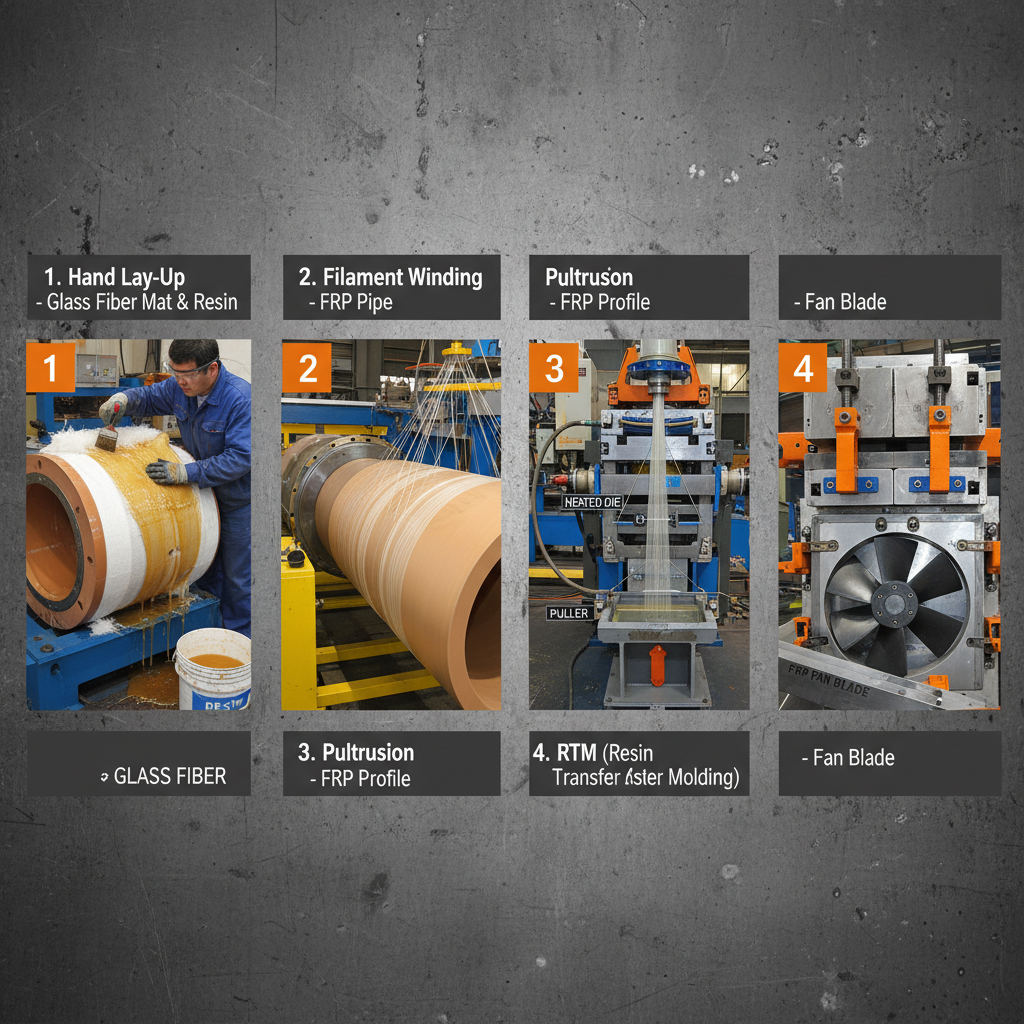
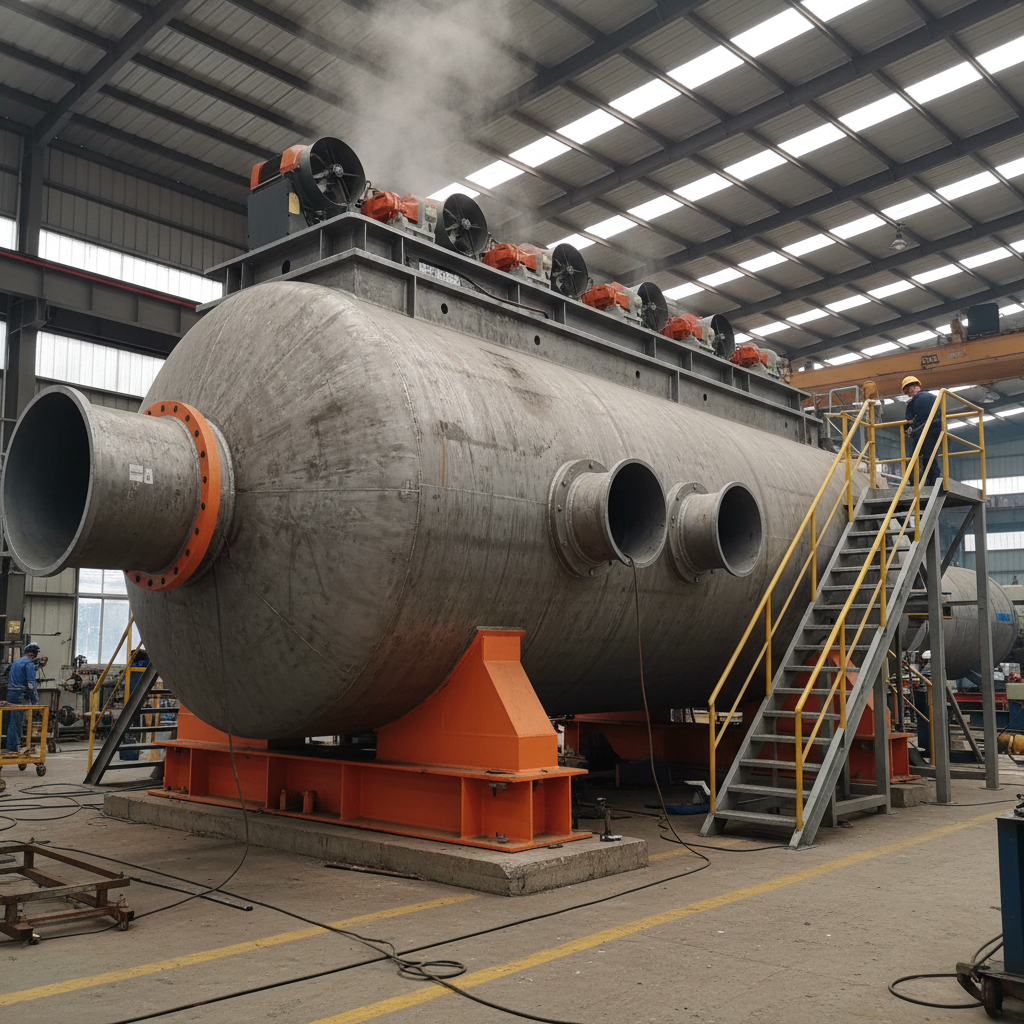
The global market for innovative building materials is experiencing significant growth, and understanding the nuances of frp material price is crucial for professionals across industries. From construction and infrastructure to aerospace and automotive, Fiber Reinforced Polymer (FRP) materials offer a compelling combination of strength, lightweight properties, and corrosion resistance. Tracking and analyzing frp material price trends allows businesses to make informed decisions, optimize project budgets, and stay competitive in a rapidly evolving landscape.
Fluctuations in raw material costs, manufacturing processes, and supply chain dynamics directly impact frp material price. Factors such as resin type (epoxy, polyester, vinyl ester), fiber reinforcement (carbon, glass, aramid), and product form (sheets, profiles, rebars) all contribute to the overall cost structure. Consequently, a comprehensive understanding of these variables is essential for accurate cost estimation and project planning.
Effective management of frp material price requires not only knowledge of current market conditions but also a proactive approach to sourcing, negotiation, and risk mitigation. Businesses that prioritize these strategies can unlock substantial cost savings and maintain a competitive edge in the global marketplace. Understanding the drivers behind frp material price is no longer a niche concern—it’s a strategic imperative.
The Significance of Understanding frp material price
Accurately assessing frp material price is fundamental for project feasibility and profitability. Construction firms, engineers, and manufacturers must factor in material costs when bidding on projects, designing structures, and managing supply chains. A thorough understanding of the factors that influence frp material price allows for more realistic budgeting and risk assessment.
Beyond direct cost considerations, comprehending frp material price trends also informs strategic sourcing decisions. By identifying cost-effective suppliers, negotiating favorable terms, and optimizing material usage, organizations can mitigate financial risks and improve overall project outcomes. This proactive approach is essential in today’s volatile global market.
Defining frp material price and its Applications
frp material price refers to the cost associated with acquiring Fiber Reinforced Polymer materials, encompassing the raw materials (resins, fibers), manufacturing processes, transportation, and any associated fees. This price is not static; it varies depending on the type of FRP, the quantity purchased, the supplier, and prevailing market conditions. The price is frequently assessed per unit weight or volume, providing a standard for comparison.
FRP materials find widespread application in various sectors, including infrastructure repair and strengthening (bridges, buildings), aerospace components, automotive parts, chemical storage tanks, and sporting goods. The demand from these diverse industries significantly influences frp material price dynamics. For instance, increased infrastructure spending in emerging economies can drive up demand and, consequently, prices.
Furthermore, the growing emphasis on lightweighting, durability, and corrosion resistance further fuels the demand for FRP materials. This demand isn't simply about initial cost; it’s about lifecycle costs – where FRP’s longevity and reduced maintenance contribute to overall savings, even if the upfront frp material price is higher than traditional materials.
Key Determinants of frp material price
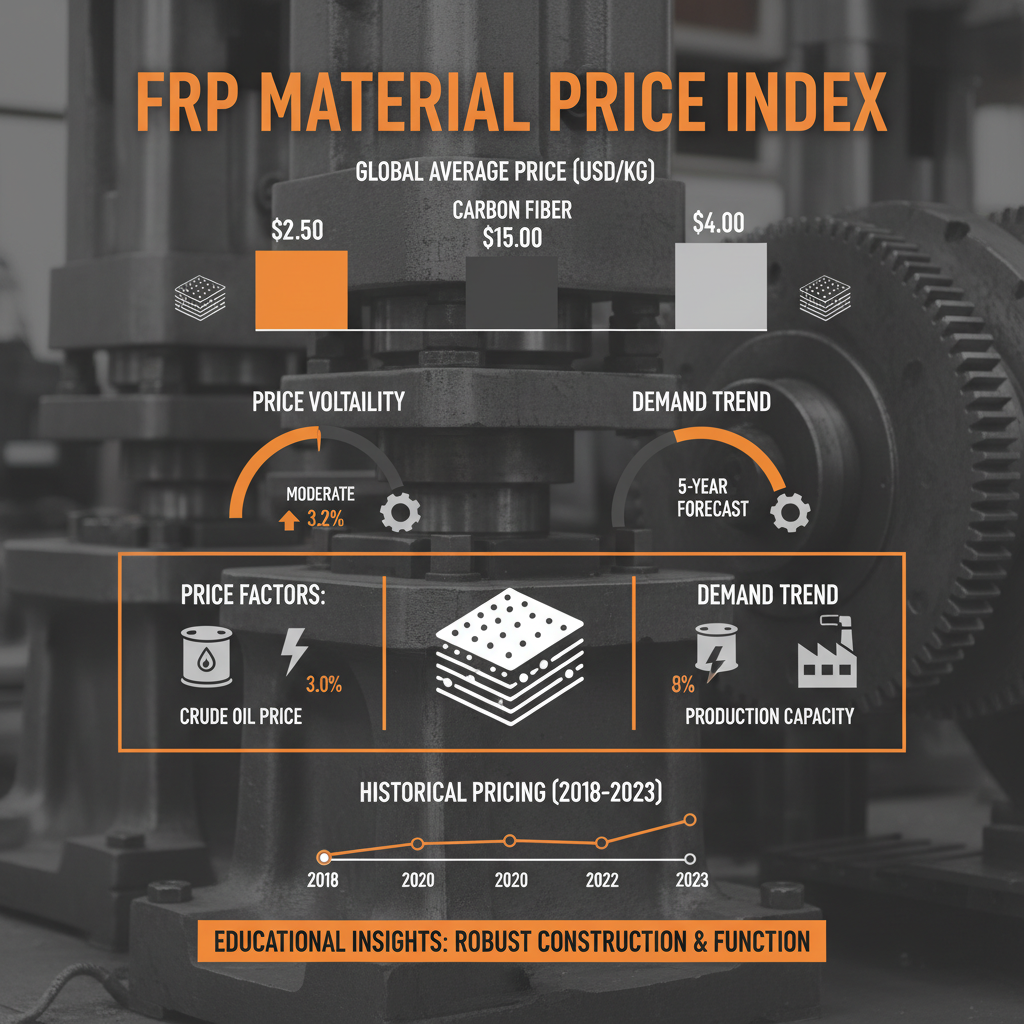
Several core factors impact frp material price. The type of resin used is a significant determinant; epoxy resins generally command a higher price than polyester or vinyl ester resins due to their superior performance characteristics. Similarly, the choice of fiber reinforcement plays a crucial role. Carbon fibers are significantly more expensive than glass fibers, resulting in a higher frp material price for carbon fiber-reinforced polymers.
Raw material costs, particularly crude oil prices (which affect resin production), directly influence frp material price. Manufacturing processes also contribute – automated processes generally lead to lower costs compared to manual labor-intensive methods. Supply chain disruptions, geopolitical events, and transportation costs can also cause price fluctuations.
Finally, product form and quantity ordered impact the price. Standard FRP sheets or profiles are typically less expensive per unit than custom-fabricated components. Bulk orders often qualify for discounts, lowering the overall frp material price. Understanding these determinants is essential for informed procurement decisions.
Practical Applications Driving frp material price
The demand for FRP materials in infrastructure rehabilitation is a major driver of frp material price. Strengthening aging bridges and buildings with FRP composites is a cost-effective alternative to complete replacement, leading to increased demand and potential price increases, especially for specialized FRP systems.
Similarly, the aerospace industry’s ongoing pursuit of lightweight materials to improve fuel efficiency pushes the demand for carbon fiber reinforced polymers (CFRP), influencing the price of carbon fiber itself and, consequently, the overall frp material price. The automotive sector is also increasing its use of FRPs for body panels and structural components, further contributing to demand.
frp material price Comparison by Application
Global Trends Influencing frp material price
Sustainability concerns are driving a shift towards bio-based resins for FRP manufacturing, potentially affecting frp material price due to the current limited availability and higher cost of these materials. However, increased production and technological advancements are expected to lower these costs over time.
Digitalization and automation in FRP production are also influencing prices. Automated fiber placement and resin infusion processes reduce labor costs and improve material efficiency, potentially leading to lower frp material price. Furthermore, the expansion of FRP manufacturing in emerging economies with lower labor costs can exert downward pressure on prices.
The Long-Term Value Proposition of FRP Materials
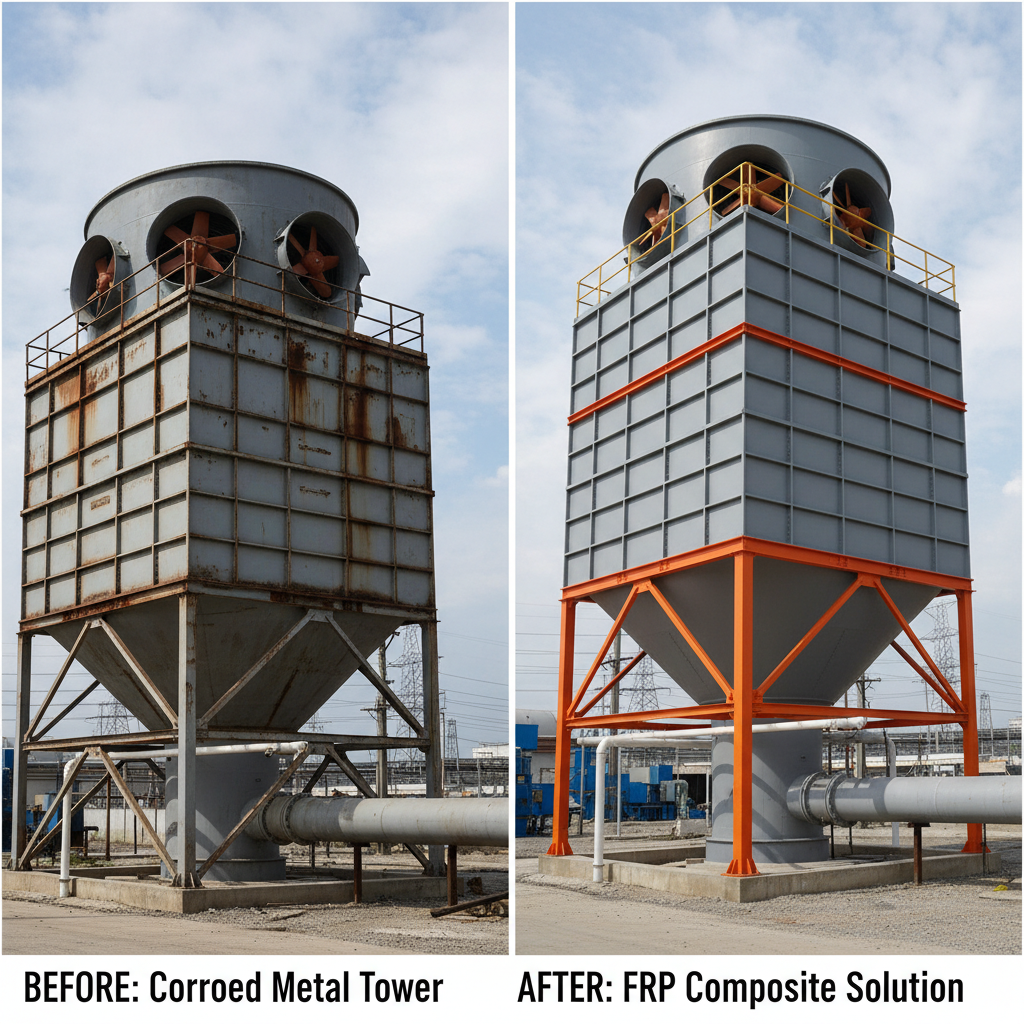
While the initial frp material price might be higher than traditional materials like steel or concrete, the long-term value proposition of FRP often proves to be more compelling. FRP's exceptional corrosion resistance significantly reduces maintenance costs and extends the lifespan of structures, resulting in substantial savings over the life cycle.
The lightweight nature of FRP materials reduces transportation costs and simplifies installation, further contributing to cost savings. Moreover, FRP's design flexibility allows for optimized structures, minimizing material usage and reducing overall project costs. Considering these factors provides a more accurate assessment of FRP's true economic value.
Challenges and Future Innovations in frp material price
One of the primary challenges affecting frp material price is the relatively limited scale of production compared to traditional materials. Increasing production volume and establishing more efficient supply chains are crucial for reducing costs. Standardization of FRP materials and manufacturing processes can also contribute to economies of scale.
Future innovations in FRP technology, such as the development of new, lower-cost resins and fibers, hold the potential to significantly reduce frp material price. Nanotechnology and advanced composite materials are also promising areas of research that could lead to improved performance and cost-effectiveness.
The development of more accurate and readily available lifecycle cost analysis tools will also help demonstrate the long-term value of FRP, justifying the initial investment and driving increased adoption.
A Summary of Factors Influencing FRP Material Price
| Material Type |
Production Volume |
Geographic Location |
Market Demand |
| Carbon Fiber FRP |
Low |
North America/Europe |
High (Aerospace) |
| Glass Fiber FRP |
High |
Asia/Pacific |
Moderate (Construction) |
| Vinyl Ester FRP |
Medium |
Europe |
Moderate (Chemical) |
| Epoxy FRP |
Medium |
North America |
High (Infrastructure) |
| Hybrid FRP |
Variable |
Global |
Increasing |
| Bio-Resin FRP |
Low |
Europe/North America |
Growing (Sustainability) |
FAQS
The primary drivers of frp material price fluctuation are the cost of raw materials (resin and fiber), global supply chain disruptions, manufacturing efficiencies, and the overall demand from key industries like construction, aerospace, and automotive. Geopolitical events and currency exchange rates also play a role, influencing the cost of importing raw materials and finished products.
The type of fiber reinforcement significantly affects frp material price. Carbon fibers are the most expensive, offering superior strength and stiffness, while glass fibers are the most cost-effective option. Aramid fibers fall in between. Choosing the appropriate fiber depends on the application's performance requirements and budgetary constraints. Higher performance typically equates to a higher frp material price.
Several strategies can help mitigate the impact of rising frp material price. These include negotiating long-term contracts with suppliers, exploring alternative materials and resins, optimizing material usage through design efficiency, and investing in automated manufacturing processes. Value engineering and early supplier involvement are also crucial for cost control.
Generally, larger orders qualify for volume discounts, reducing the per-unit frp material price. Suppliers are often willing to offer more competitive pricing for substantial commitments. However, it’s important to balance the cost savings against storage costs and potential material waste. Proper demand forecasting is key to leveraging volume discounts effectively.
Growing demand for sustainable materials is driving innovation in bio-based resins for FRP production. Currently, these bio-resins often come at a higher frp material price due to limited availability and production scale. However, as production increases and technology advances, the cost of sustainable FRP options is expected to become more competitive.
Tracking frp material price trends requires monitoring industry reports, consulting with material suppliers, and utilizing market research databases. Several industry associations and publications provide insights into market dynamics and price forecasts. Staying informed through these channels is crucial for making informed procurement decisions.
Conclusion
Understanding frp material price is paramount for success in a wide range of industries. This exploration has revealed that frp material price is a complex interplay of raw material costs, manufacturing processes, market demand, and technological advancements. By acknowledging these factors and adopting proactive sourcing strategies, businesses can optimize project budgets, enhance profitability, and maintain a competitive edge.
Looking ahead, continued innovation in materials science and manufacturing technologies holds the promise of reducing frp material price and expanding its applications. Embracing sustainability initiatives and investing in lifecycle cost analysis will further unlock the long-term value of FRP materials. For more information and competitive pricing, visit our website: hlfrp.com.