head_nav
head_logo
suosou
lang
close

We Are Open 24 Hours a Day, 7 Days a Week, Including Weekends and Public Holidays.

lang
0%

Table of Contents

Fiber reinforced plastic (FRP) represents a pivotal advancement in material science, offering a unique combination of high strength, lightweight properties, and corrosion resistance. These composites, created by embedding fibers within a polymer matrix, are rapidly becoming indispensable across diverse industries. Understanding the different types of fiber reinforced plastic is crucial for engineers, designers, and policymakers aiming to leverage their potential for innovative applications. The global demand for lightweight and durable materials is fueling the growth of the FRP market, pushing research and development toward more sustainable and cost-effective solutions.

The relevance of types of fiber reinforced plastic extends far beyond traditional sectors like aerospace and automotive. They play a critical role in infrastructure development, offering solutions for bridge reinforcement, pipeline rehabilitation, and marine construction. According to a report by Grand View Research, the global fiber reinforced polymer composites market size was valued at USD 96.81 billion in 2022 and is expected to expand at a compound annual growth rate (CAGR) of 12.3% from 2023 to 2030. This expansion underscores the increasing reliance on FRP materials for addressing challenges related to durability, weight reduction, and sustainability.

The key benefit of understanding the nuances of these materials lies in the ability to tailor solutions to specific needs. Choosing the right type of fiber and resin system is paramount to achieving optimal performance and cost-effectiveness. From disaster relief shelters utilizing rapidly deployable FRP panels to advanced wind turbine blades built with high-performance carbon fiber composites, the versatility of types of fiber reinforced plastic is truly remarkable.
Exploring the Diverse Landscape of Types of Fiber Reinforced Plastic Materials

Introduction to Types of Fiber Reinforced Plastic

Exploring the Diverse Landscape of Types of Fiber Reinforced Plastic Materials

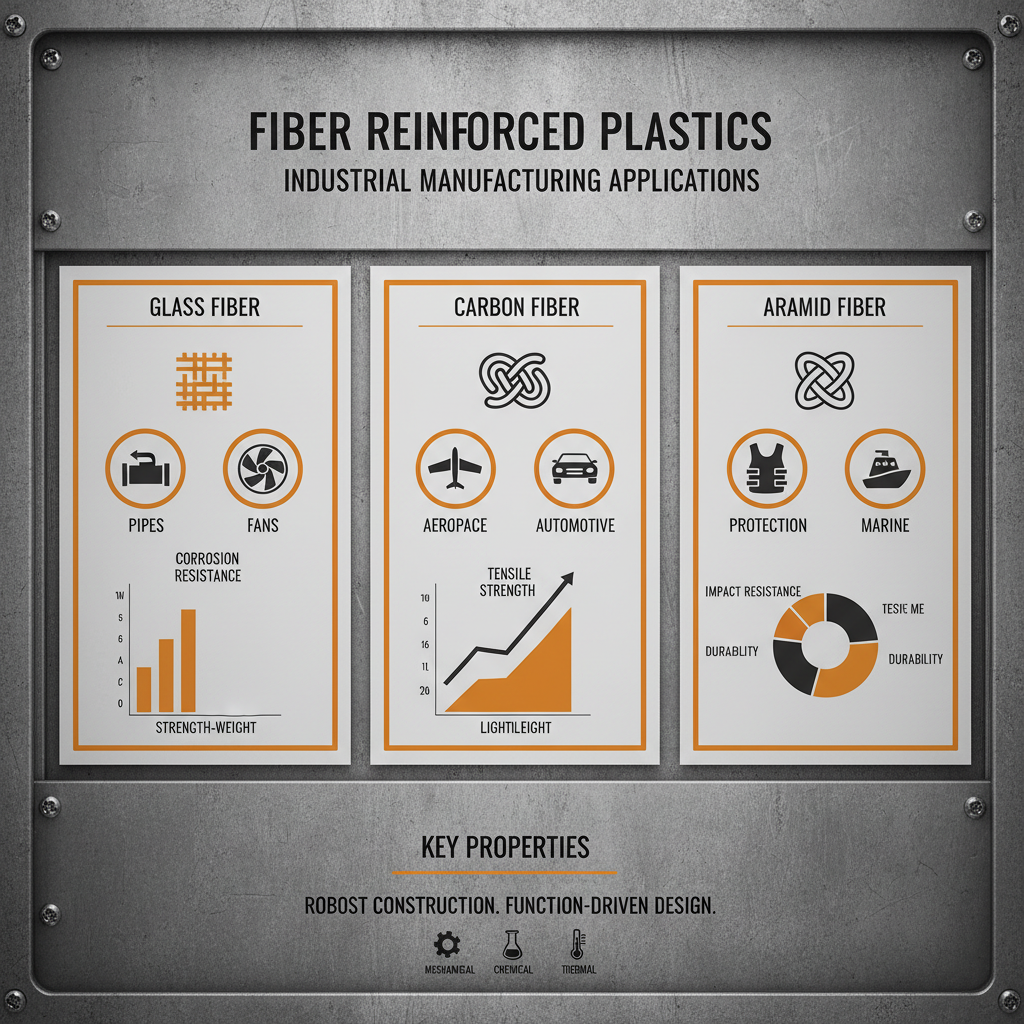
The realm of types of fiber reinforced plastic is incredibly diverse, encompassing a wide array of materials tailored to specific applications. From the commonly used glass fiber reinforced polymers (GFRP) to the high-performance carbon fiber reinforced polymers (CFRP), each material offers a unique balance of properties. Understanding these differences is critical for selecting the optimal material for a given project, ensuring both performance and cost-effectiveness.

The choice of fiber and resin system significantly impacts the final properties of the composite. Factors like tensile strength, stiffness, impact resistance, and corrosion resistance all depend on the careful selection of materials and manufacturing processes. This makes FRPs a versatile solution for a broad spectrum of industries, requiring tailored materials for specialized performance requirements.

Defining Fiber Reinforced Plastics

Fiber reinforced plastic is essentially a composite material made of two key components: a reinforcing fiber and a matrix resin. The fibers provide strength and stiffness, while the resin binds the fibers together and distributes the load. This synergy creates a material that is often stronger and lighter than traditional materials like steel or aluminum. Types of fiber reinforced plastic can be broadly categorized based on the type of fiber used, such as glass, carbon, aramid, or basalt.

These materials are intrinsically linked to the needs of modern industry and humanitarian efforts. Their lightweight properties make them ideal for transportation applications, reducing fuel consumption and emissions. Their corrosion resistance makes them suitable for harsh environments, extending the lifespan of infrastructure. Furthermore, their adaptability allows for custom designs and complex geometries, opening up new possibilities for innovation.

The importance of FRPs extends into disaster relief, where they can be used to construct rapid-deployment shelters and temporary infrastructure. The speed of construction and the durability of these structures offer a significant advantage in emergency situations, providing safe and reliable housing for those in need.

Core Components of FRP Materials

Durability is a cornerstone of FRP performance. The inherent resistance to corrosion, fatigue, and environmental degradation ensures a longer service life compared to conventional materials. This is especially crucial in applications exposed to harsh conditions, such as marine environments or chemical processing plants. The robustness of these materials significantly reduces maintenance costs and downtime.

Scalability is another key advantage. Types of fiber reinforced plastic can be easily manufactured in a wide range of shapes and sizes, allowing for customized solutions to complex engineering challenges. This flexibility is particularly beneficial for large-scale infrastructure projects where standardized components may not be suitable. The manufacturing processes can be adapted to meet varying production volumes, from small-batch prototypes to mass-produced components.

Cost efficiency, while sometimes initially higher than traditional materials, can be realized over the lifecycle of the product. Reduced maintenance, extended service life, and lower weight (leading to transportation savings) all contribute to a lower total cost of ownership. Moreover, the design freedom offered by FRPs can lead to optimized structures that require less material, further reducing costs.

Applications Across Industries

The applications of types of fiber reinforced plastic are incredibly diverse, spanning a multitude of industries. In the aerospace sector, CFRP is used extensively in aircraft structures, reducing weight and improving fuel efficiency. In the automotive industry, FRPs are employed in body panels, reducing vehicle weight and enhancing performance.

The construction industry benefits from FRPs through applications like bridge reinforcement, where they can extend the lifespan of existing infrastructure and reduce maintenance costs. In the marine industry, FRPs are used in boat hulls and decks, offering corrosion resistance and lightweight construction. In post-disaster relief operations, rapidly deployable FRP shelters provide safe and reliable housing for those affected by natural disasters.

Comparative Performance of Different FRP Manufacturing Methods


Advantages & Long-Term Value Proposition

The tangible benefits of utilizing types of fiber reinforced plastic are multifaceted. Reduced weight leads to lower transportation costs and improved fuel efficiency. Enhanced corrosion resistance minimizes maintenance requirements and extends the lifespan of structures. Increased strength and durability enhance safety and reliability. The overall result is a significant return on investment over the lifecycle of the product.

Beyond the economic advantages, FRPs offer substantial sustainability benefits. The reduced weight leads to lower energy consumption during transportation. The extended lifespan reduces the need for frequent replacements, minimizing waste. The potential for using recycled fibers further enhances the environmental profile of these materials. FRPs contribute to a more sustainable future by promoting resource efficiency and reducing environmental impact.

Future Trends & Innovations in FRP

The future of types of fiber reinforced plastic is brimming with exciting innovations. Research into bio-based resins and sustainable fiber sources, such as flax and hemp, is gaining momentum. These advancements aim to reduce the reliance on fossil fuels and create more environmentally friendly composites. Digital transformation, including the integration of artificial intelligence and machine learning, is optimizing manufacturing processes and enabling the development of smarter, more responsive materials.

Automation is playing an increasingly important role in FRP manufacturing, leading to higher production rates, reduced labor costs, and improved quality control. The use of advanced robotics and automated fiber placement techniques allows for the creation of complex geometries with greater precision. These advancements are paving the way for wider adoption of FRPs in a variety of industries.

Challenges & Solutions for FRP Adoption

Despite their numerous advantages, the widespread adoption of types of fiber reinforced plastic faces some challenges. Initial costs can be higher than traditional materials, although lifecycle cost analysis often demonstrates long-term savings. A lack of standardized design codes and guidelines can hinder the approval process for certain applications. The need for specialized expertise in manufacturing and repair can also pose a barrier to entry.

Addressing these challenges requires a concerted effort from industry stakeholders. Investing in research and development to reduce material costs and improve manufacturing processes is crucial. Developing standardized design codes and guidelines will facilitate wider adoption and ensure structural integrity. Providing training and education programs will build a skilled workforce capable of working with these materials.

The table below summarizes key challenges and potential solutions in greater detail:

Summary of Challenges and Solutions for FRP Implementation

Challenge Impact on Adoption Potential Solution Implementation Timeline
High Initial Cost Discourages adoption in cost-sensitive projects Investment in manufacturing efficiency and material research Short to Medium Term (1-3 years)
Lack of Standardization Hinders regulatory approval and widespread use Development of industry-wide design codes and testing protocols Medium to Long Term (3-5 years)
Limited Skilled Workforce Restricts manufacturing capacity and quality control Establishment of training programs and certification processes Short to Medium Term (1-3 years)
Repair Complexity Increases maintenance costs and downtime Development of standardized repair procedures and readily available repair kits Medium Term (2-4 years)
Limited Public Awareness Slows down market demand and investment Educational campaigns and demonstration projects showcasing the benefits of FRP Ongoing (Long Term)
Recycling Challenges Contributes to environmental concerns Research and development of effective FRP recycling technologies Long Term (5+ years)

FAQS

What are the primary advantages of using carbon fiber reinforced polymers over traditional steel in automotive applications?

Carbon fiber reinforced polymers (CFRPs) offer significant weight reduction compared to steel, leading to improved fuel efficiency and performance in vehicles. They also exhibit superior corrosion resistance, extending the lifespan of automotive components. While the initial cost of CFRPs is higher, the long-term benefits of reduced weight, improved durability, and lower maintenance can outweigh these costs, particularly in high-performance vehicles or specialized applications. CFRPs also allow for more complex designs due to their formability.

How does the manufacturing process affect the mechanical properties of glass fiber reinforced plastics?

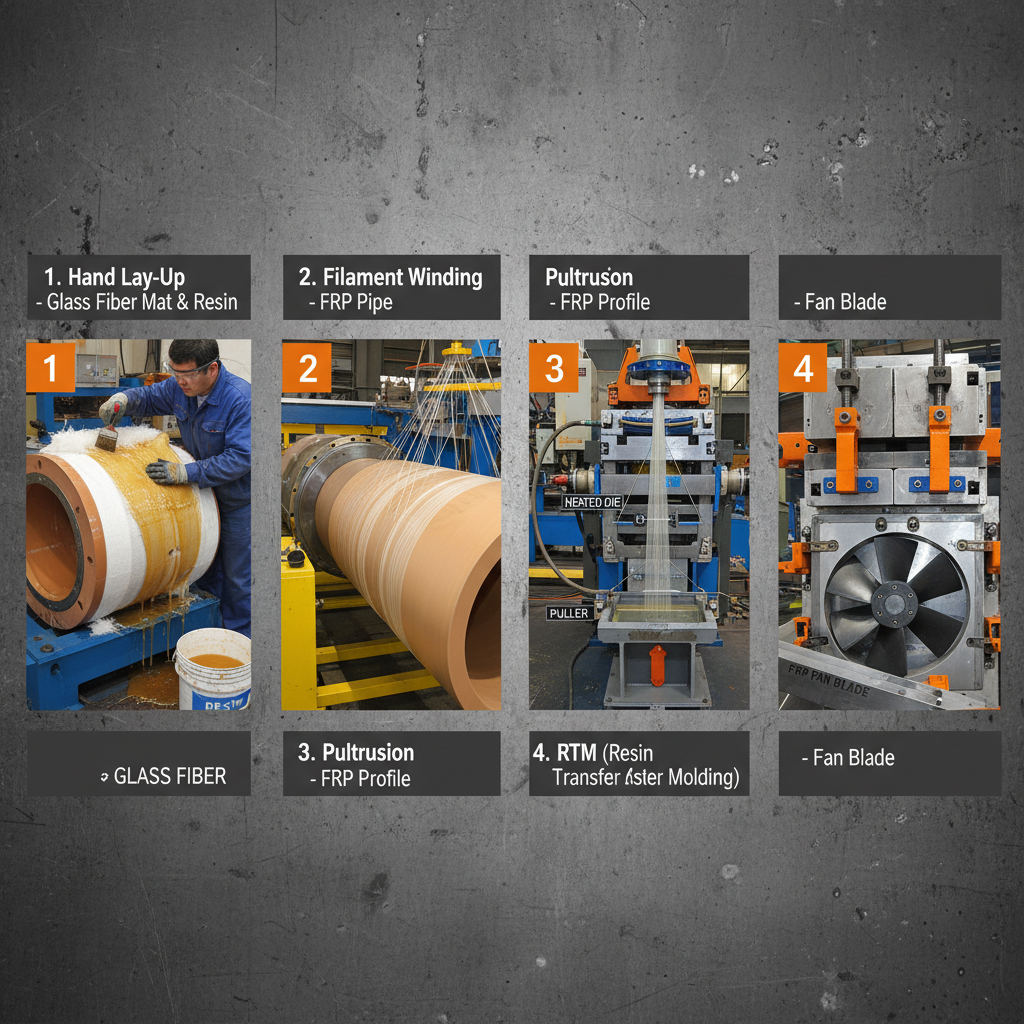
The manufacturing process profoundly impacts the mechanical properties of glass fiber reinforced plastics (GFRPs). Factors such as fiber orientation, resin content, and curing conditions all play a critical role. Proper fiber alignment maximizes tensile strength, while a higher resin content can improve impact resistance. Achieving optimal curing ensures complete resin crosslinking, leading to improved mechanical performance. Different methods like hand lay-up, spray-up, and resin transfer molding yield different results.

What are the environmental considerations associated with the disposal of FRP materials?

The disposal of FRP materials presents environmental challenges due to their non-biodegradable nature. Traditional landfilling contributes to waste accumulation, while incineration can release harmful emissions. However, advancements in recycling technologies are offering more sustainable solutions. These include mechanical recycling, chemical recycling, and pyrolysis, which can recover valuable fibers and resins. Research into bio-based resins and biodegradable fibers is also underway to address end-of-life concerns.

How does temperature affect the performance of Aramid fiber reinforced polymers?

Aramid fiber reinforced polymers (AFRPs) exhibit excellent high-temperature performance, retaining their strength and stiffness at elevated temperatures. However, prolonged exposure to ultraviolet (UV) radiation can degrade the resin matrix, reducing the overall strength and durability of the material. Additionally, aramid fibers are susceptible to hydrolysis in humid environments, which can affect their mechanical properties. Protective coatings and careful material selection are crucial for maintaining performance in harsh conditions.

What quality control measures are typically employed during the production of fiber reinforced plastic components?

Quality control in FRP production involves a range of measures, including raw material inspection, process monitoring, and non-destructive testing. Raw materials are checked for purity and compliance with specifications. During the manufacturing process, parameters such as resin viscosity, fiber orientation, and curing temperature are closely monitored. Non-destructive testing techniques, such as ultrasonic inspection and radiography, are used to detect internal defects and ensure structural integrity.

What are the cost implications of transitioning from traditional materials to fiber reinforced polymers in large-scale infrastructure projects?

While the initial cost of FRPs can be higher than traditional materials like steel or concrete, a lifecycle cost analysis often reveals significant long-term savings. FRPs offer reduced maintenance requirements, extended service life, and lower weight, leading to lower transportation and installation costs. Moreover, the corrosion resistance of FRPs minimizes the need for costly repairs and replacements. Therefore, transitioning to FRPs can be a financially sound investment for large-scale infrastructure projects.

Conclusion

In summary, types of fiber reinforced plastic represent a transformative material technology with the potential to revolutionize numerous industries. Their unique combination of strength, lightweight properties, durability, and corrosion resistance makes them an ideal solution for a wide range of applications, from aerospace and automotive to infrastructure and disaster relief. Understanding the diverse range of FRP materials and their specific properties is crucial for maximizing their benefits and achieving optimal performance.

Looking ahead, continued innovation in materials science, manufacturing processes, and recycling technologies will further enhance the sustainability and cost-effectiveness of FRPs. Embracing these advancements and promoting wider adoption will pave the way for a more resilient, efficient, and environmentally responsible future. To learn more about the possibilities of fiber reinforced plastics and explore our comprehensive range of solutions, visit our website today at www.hlfrp.com.
William Davis

William Davis

William Davis is a Quality Control Manager at Hebei Longxuan. He’s responsible for implementing and maintaining stringent quality control procedures throughout the entire production process. William has a background in chemical engineering and extensive knowledge of composite materials testing. He ensures that all FRP products meet or exceed industry standards
Previous Exploring the Diverse Landscape of Types of Fiber Reinforced Polymer Materials
Next Advancing Global Housing Solutions with Innovative frp type Technology
Can't Find The Products And Services You Need?
If you need our help,
Our staff will be happy to help and answer your questions!
 Factory Processing
Factory Processing
The factory processes raw materials into finished products using advanced machinery and skilled labor.
 Build Synergy
Build Synergy
We provide collaborative services tailored to client needs, ensuring seamless communication and mutual growth.
 Global Supply
Global Supply
Our innovative products are bestsellers worldwide, celebrated for their exceptional quality, reliability, and global appeal.
 Global Supply
Global Supply
We ensure consistent product availability through a reliable and efficient global supply network.

Address

20 Xingyuan South Street, Zaoqiang County, Hengshui City, Hebei Province, China

If you are interested in our products, you can choose to leave your information here, and we will be in touch with you shortly.