head_nav
head_logo
suosou
lang
close

We Are Open 24 Hours a Day, 7 Days a Week, Including Weekends and Public Holidays.

lang
0%

Table of Contents

Cooling towers are essential components in numerous industrial processes, effectively dissipating waste heat and maintaining optimal operating temperatures. However, this functionality comes with inherent challenges – the potential for scale formation, corrosion, and biological fouling. Efficient cooling tower treatment programs are no longer optional; they are critical for ensuring plant reliability, minimizing operational costs, and safeguarding environmental compliance. Globally, industries rely heavily on these systems, and disruptions due to untreated cooling water can lead to significant economic losses and even safety hazards.

The scale of cooling tower usage is immense. The United Nations estimates that industrial cooling water demand will increase significantly in the coming decades, driven by population growth and industrial expansion, especially in developing nations. The World Bank highlights water stress as a major impediment to sustainable development, and inefficient cooling systems contribute directly to this challenge. Meeting this demand responsibly necessitates a proactive approach to water management, with effective cooling tower treatment forming a cornerstone of sustainable industrial operations. Ignoring this facet leads to reduced efficiency, increased maintenance, and a shorter lifespan for vital equipment.

Simply put, cooling tower treatment encompasses a variety of chemical and physical processes designed to prevent or mitigate the problems associated with cooling water systems. It's more than just adding chemicals; it's a carefully engineered strategy to maintain water quality, protect equipment, and ensure optimal system performance. From power generation plants to petrochemical refineries and HVAC systems in large buildings, maintaining efficient cooling is vital – and often, that means deploying an effective treatment program tailored to the specific demands of the facility.
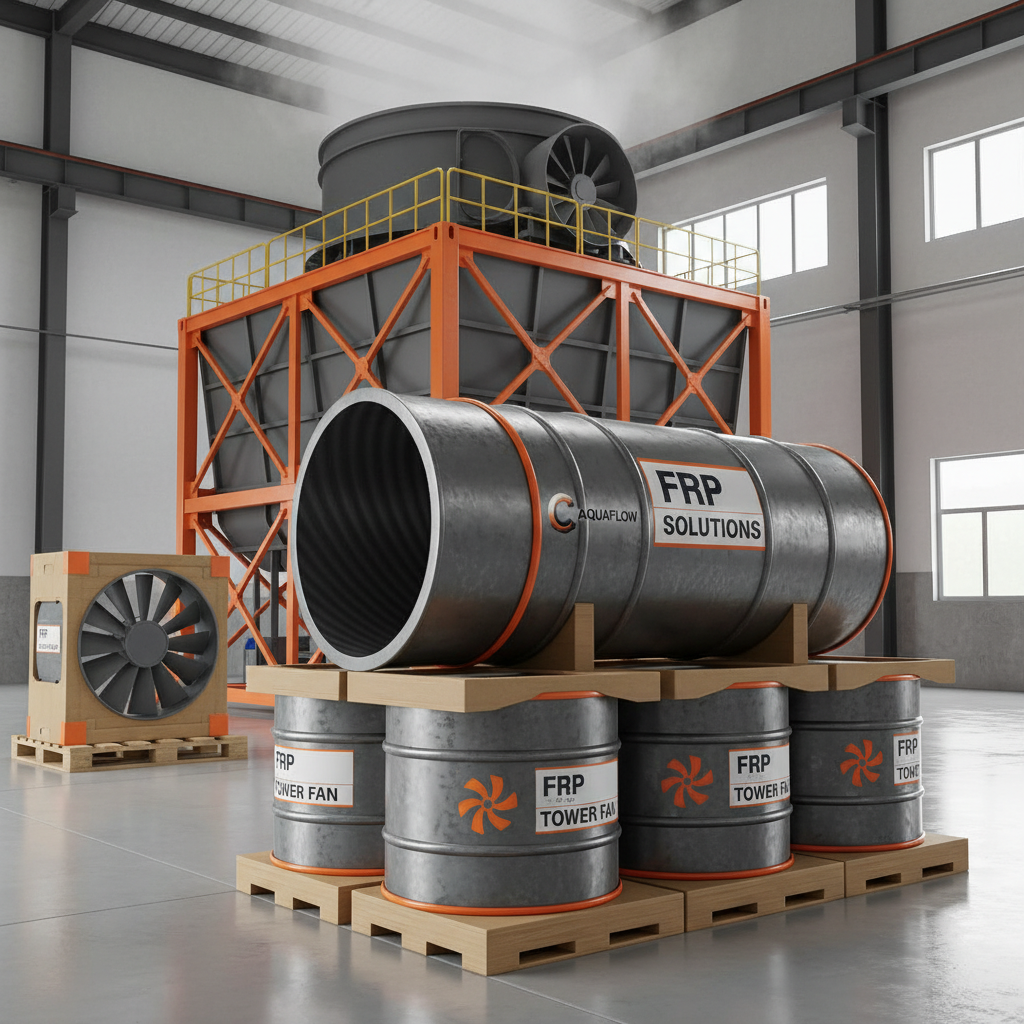
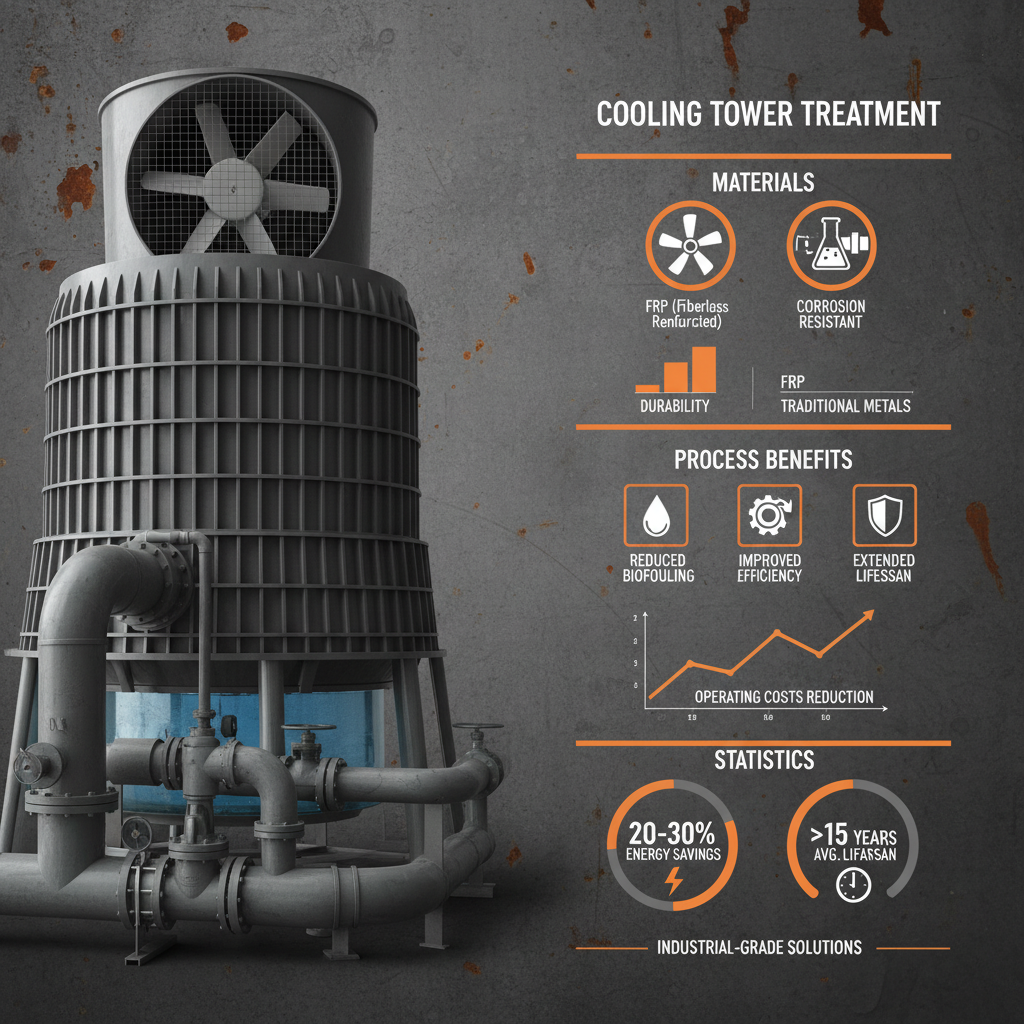
Optimizing Industrial Efficiency with Advanced Cooling Tower Treatment Programs

The Importance of Cooling Tower Treatment

Optimizing Industrial Efficiency with Advanced Cooling Tower Treatment Programs

Look, I've spent twenty years walking around power plants and chemical facilities. I’ve seen what happens when cooling towers are neglected – reduced efficiency, increased downtime, and ultimately, big money lost. Proper cooling tower treatment isn’t just a preventative measure; it’s a direct line to a healthier bottom line. It's about proactively addressing the issues before they snowball into major problems.

We're talking about protecting massive capital investments. These towers aren't cheap to replace, and the cost of lost production due to a system failure is astronomical. Beyond the financial implications, there’s the environmental aspect. Untreated water discharge can have a significant impact on local ecosystems, and staying compliant with regulations is non-negotiable. It's a balancing act, and treatment programs are the key to finding that balance.

Defining Cooling Tower Treatment

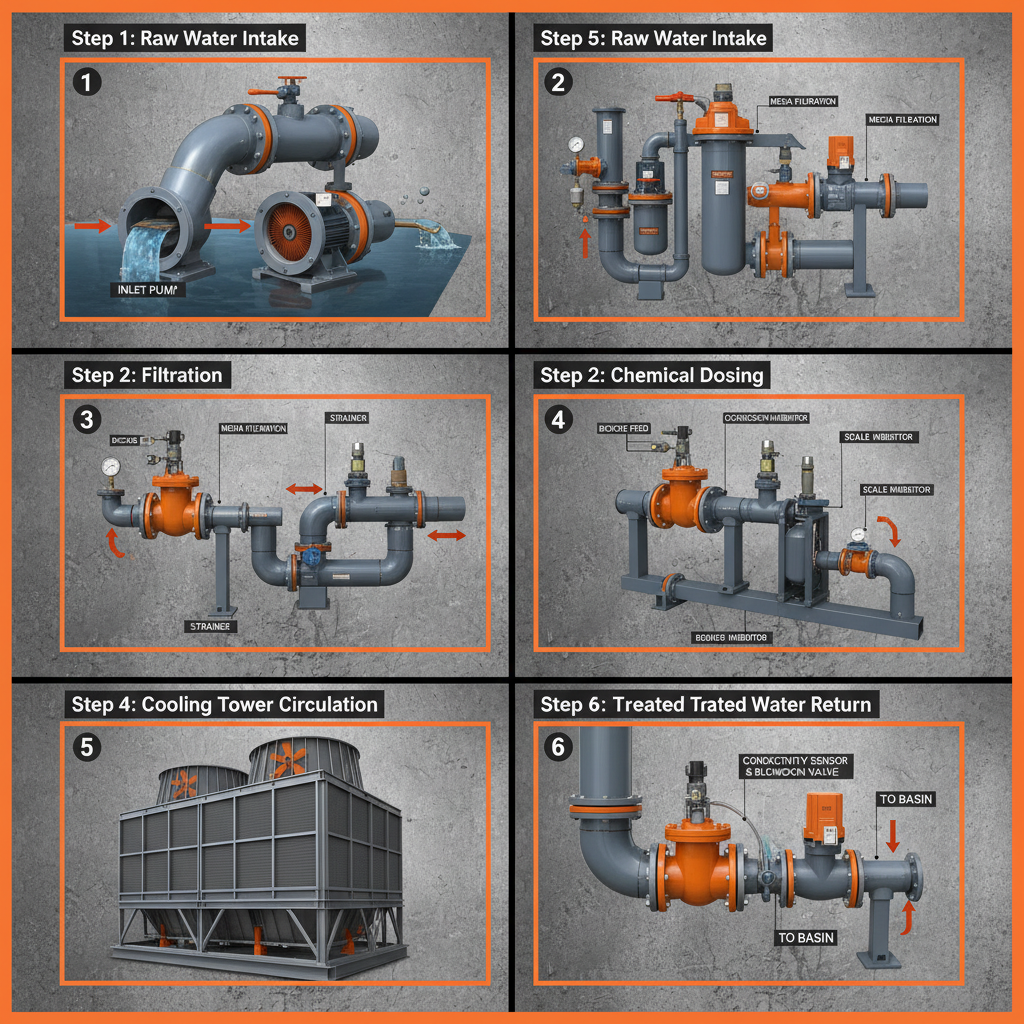
At its core, cooling tower treatment aims to control the build-up of contaminants within the circulating water system. This includes preventing scale formation from mineral deposits, inhibiting corrosion of metal components, and controlling the growth of harmful microorganisms like Legionella. It's a multifaceted approach, involving careful monitoring of water chemistry and the strategic application of chemical additives.

The connection to modern industry is undeniable. Everything from power generation and refining to manufacturing and data centers relies on efficient cooling. In humanitarian contexts, maintaining reliable cooling is vital for hospitals and medical facilities, especially in hot climates. Without proper treatment, these critical systems can quickly become compromised, leading to potentially life-threatening situations.

Think of it like maintaining the engine of a car. You need to regularly change the oil, check the coolant levels, and address any issues before they cause a breakdown. Cooling tower treatment is the same principle, applied to a much larger and more complex system. It's preventative maintenance on a grand scale.

Key Components of Effective Treatment

One critical aspect is scale and corrosion control. We use antiscalants to prevent mineral deposits from forming on heat transfer surfaces, and corrosion inhibitors to protect metal components from degradation. The specific chemistry depends on the water source and the materials used in the tower construction. It’s not a one-size-fits-all solution.

Biological control is equally important. Microorganisms can thrive in cooling water systems, leading to biofouling, reduced efficiency, and the risk of Legionella outbreaks. We employ biocides and dispersants to control microbial growth and maintain water quality. Regular monitoring and testing are essential to ensure effectiveness. And remember, responsible biocide use is crucial for environmental protection.

Finally, a robust monitoring and control program is paramount. This includes regular water analysis, pH adjustments, and dosage control. Automated control systems can help optimize treatment programs and minimize chemical consumption. I've seen too many facilities relying on guesswork, and that's a recipe for disaster.

Global Applications and Industry Impact

You'll find cooling towers and, consequently, the need for treatment, in power plants across the globe – from coal-fired facilities in China to nuclear plants in France. The oil and gas industry relies heavily on them for refining processes. Chemical plants, steel mills, and even large data centers all depend on efficient cooling water systems.

In remote industrial zones, like those found in Australia’s mining regions, effective cooling tower treatment is vital for maintaining operations in harsh environments. In post-disaster relief operations, temporary cooling systems are often deployed to support medical facilities and essential services, and proper treatment is crucial to prevent the spread of waterborne diseases.

The specific challenges vary depending on the location and industry. Facilities near saltwater are more prone to corrosion, while those in arid regions face issues with water scarcity and scaling. A tailored treatment program is essential to address these unique needs.

Cooling Tower Treatment Effectiveness by Method


Advantages and Long-Term Value

The benefits of a well-managed cooling tower treatment program are substantial. Reduced energy consumption is a big one – clean heat transfer surfaces mean the tower operates more efficiently. Lower maintenance costs are another. Preventing scale and corrosion minimizes the need for expensive repairs and replacements.

Beyond the purely economic advantages, there's the issue of sustainability. By optimizing water usage and reducing chemical consumption, we minimize the environmental impact of industrial operations. And let's not forget the safety aspect – controlling Legionella growth protects workers and the surrounding community.

Future Trends and Innovations

We're seeing a growing trend towards more sustainable treatment options, including the use of biodegradable chemicals and alternative water sources like reclaimed wastewater. Digital technologies are also playing a bigger role. Real-time monitoring and predictive analytics allow us to optimize treatment programs and prevent problems before they occur.

Automation is another key area of innovation. Automated dosage control systems can significantly reduce chemical consumption and improve treatment effectiveness. And with the increasing focus on water conservation, we're seeing more research into advanced water treatment technologies, like membrane filtration and UV disinfection.

Challenges and Solutions in Cooling Tower Treatment

One of the biggest challenges is dealing with fluctuating water quality. Changes in the source water composition can significantly impact treatment effectiveness. Another is the increasing stringency of environmental regulations. Staying compliant requires ongoing monitoring and adaptation.

The solution lies in a proactive and adaptive approach. Regular water analysis, coupled with a flexible treatment program, is essential. Investing in advanced monitoring technologies and working with experienced water treatment specialists can help facilities navigate these challenges effectively.

And let's be honest – a lot of older facilities are still operating with outdated treatment systems. Retrofitting these systems with modern technologies can significantly improve efficiency and reduce environmental impact. It’s an investment that pays dividends in the long run.

Key Factors Influencing Cooling Tower Treatment Program Effectiveness

Water Source Quality System Material Compatibility Operational Parameters Treatment Program Effectiveness
High Mineral Content Carbon Steel High Cycle of Concentration 8/10
Low TDS Stainless Steel Low Water Velocity 9/10
Seawater Influence Copper Alloys Intermittent Operation 6/10
Reclaimed Water Fiberglass Reinforced Plastic Continuous Operation 7/10
Variable Supply Aluminum Average Temperature 5/10
Well Water Galvanized Steel High Humidity 8/10

FAQS

What is the typical return on investment (ROI) for implementing a comprehensive cooling tower treatment program?

The ROI varies depending on the facility's size and existing conditions, but a well-designed program can typically yield an ROI within 6-18 months. This is achieved through reduced energy consumption, decreased maintenance costs, extended equipment lifespan, and minimized downtime. We often see savings of 10-20% on energy costs alone, plus significant reductions in chemical and water usage. The key is to approach it as a long-term investment, not just an expense.

How often should cooling tower water be tested, and what parameters are most important to monitor?

Water testing frequency depends on the system's complexity and operating conditions, but generally, testing should be conducted at least monthly, and more frequently during periods of high demand or changing water sources. Key parameters to monitor include pH, conductivity, total dissolved solids (TDS), calcium hardness, corrosion rates, and microbial counts (including Legionella). Consistent monitoring allows for timely adjustments to the treatment program and prevents potential issues.

What are the best practices for Legionella control in cooling towers?

Legionella control requires a multi-faceted approach. This includes maintaining proper biocide levels, optimizing water temperatures, ensuring adequate tower cleanliness, and implementing a robust monitoring program. Regular sampling and testing for Legionella are crucial, and any positive results should be addressed immediately. It's also important to ensure proper tower maintenance and cleaning procedures are in place.

What is the impact of cooling tower treatment on water usage and sustainability?

Effective cooling tower treatment significantly reduces water usage by minimizing blowdown, the process of removing concentrated impurities from the system. Optimized treatment programs can also reduce chemical consumption and minimize the environmental impact of wastewater discharge. Implementing water reuse and recycling strategies further enhances sustainability efforts. It's about finding a balance between operational efficiency and environmental responsibility.

Are there any emerging technologies in cooling tower treatment that I should be aware of?

Absolutely. We're seeing increased adoption of advanced monitoring systems with real-time data analytics, allowing for proactive adjustments to treatment programs. Membrane filtration technologies are becoming more prevalent for water reuse and purification. And there’s growing interest in environmentally friendly biocides and scale inhibitors. Automation is also playing a bigger role, improving efficiency and reducing human error.

How do I choose the right cooling tower treatment provider?

Look for a provider with a proven track record, experienced technical staff, and a commitment to sustainable practices. They should offer a comprehensive assessment of your system, develop a customized treatment program tailored to your specific needs, and provide ongoing monitoring and support. Don't just focus on price; consider their expertise, responsiveness, and ability to deliver long-term value.

Conclusion

In closing, effective cooling tower treatment is a critical component of sustainable industrial operations. It’s not simply about adding chemicals; it's a holistic approach to maintaining water quality, protecting equipment, and ensuring regulatory compliance. From reducing energy consumption and minimizing maintenance costs to safeguarding the environment and protecting public health, the benefits are far-reaching.

Looking ahead, the industry will continue to embrace innovation, with a focus on sustainable technologies and data-driven solutions. By proactively addressing the challenges and embracing these advancements, we can ensure the long-term reliability and efficiency of cooling tower systems, contributing to a more sustainable future. To learn more about how we can help optimize your cooling tower treatment program, visit our website: www.hlfrp.com.

David Miller

David Miller

David Miller serves as the Senior Project Engineer at Hebei Longxuan. With over 15 years of experience in materials science and manufacturing, David leads the technical team in ensuring the structural integrity and performance of our FRP products. He holds a Master's degree in Mechanical Engineering from Stanford University and
Previous Comprehensive Cooling Tower Water Treatment for Industrial Efficiency and Sustainability
Next Optimizing Industrial Processes with Reliable Cooling Tower Tank Solutions
Can't Find The Products And Services You Need?
If you need our help,
Our staff will be happy to help and answer your questions!
 Factory Processing
Factory Processing
The factory processes raw materials into finished products using advanced machinery and skilled labor.
 Build Synergy
Build Synergy
We provide collaborative services tailored to client needs, ensuring seamless communication and mutual growth.
 Global Supply
Global Supply
Our innovative products are bestsellers worldwide, celebrated for their exceptional quality, reliability, and global appeal.
 Global Supply
Global Supply
We ensure consistent product availability through a reliable and efficient global supply network.

Address

20 Xingyuan South Street, Zaoqiang County, Hengshui City, Hebei Province, China

If you are interested in our products, you can choose to leave your information here, and we will be in touch with you shortly.