head_nav
head_logo
suosou
lang
close

We Are Open 24 Hours a Day, 7 Days a Week, Including Weekends and Public Holidays.

lang
0%

Table of Contents

Cooling tower water treatment isn't just about keeping things running smoothly; it's a cornerstone of industrial efficiency and environmental responsibility. Globally, industries rely heavily on cooling systems, and the water used in these systems is a finite resource. Effective cooling tower water treatment programs are crucial to minimize water waste, reduce energy consumption, and prevent harmful environmental impacts. Ignoring this aspect can lead to significant operational costs, equipment damage, and even public health concerns.

The need for robust cooling tower water treatment is driven by increasing water scarcity and stricter environmental regulations worldwide. Organizations like the UN and the World Bank are increasingly emphasizing sustainable water management practices. ISO standards are evolving to demand better monitoring and control of water systems. This translates to a growing demand for innovative and cost-effective solutions in cooling water chemistry.

Simply put, cooling tower water treatment is the process of maintaining the quality of water circulating within cooling towers to prevent scale, corrosion, and biological fouling. It’s about protecting valuable equipment, optimizing performance, and minimizing environmental impact – a constant balancing act out on the job site.
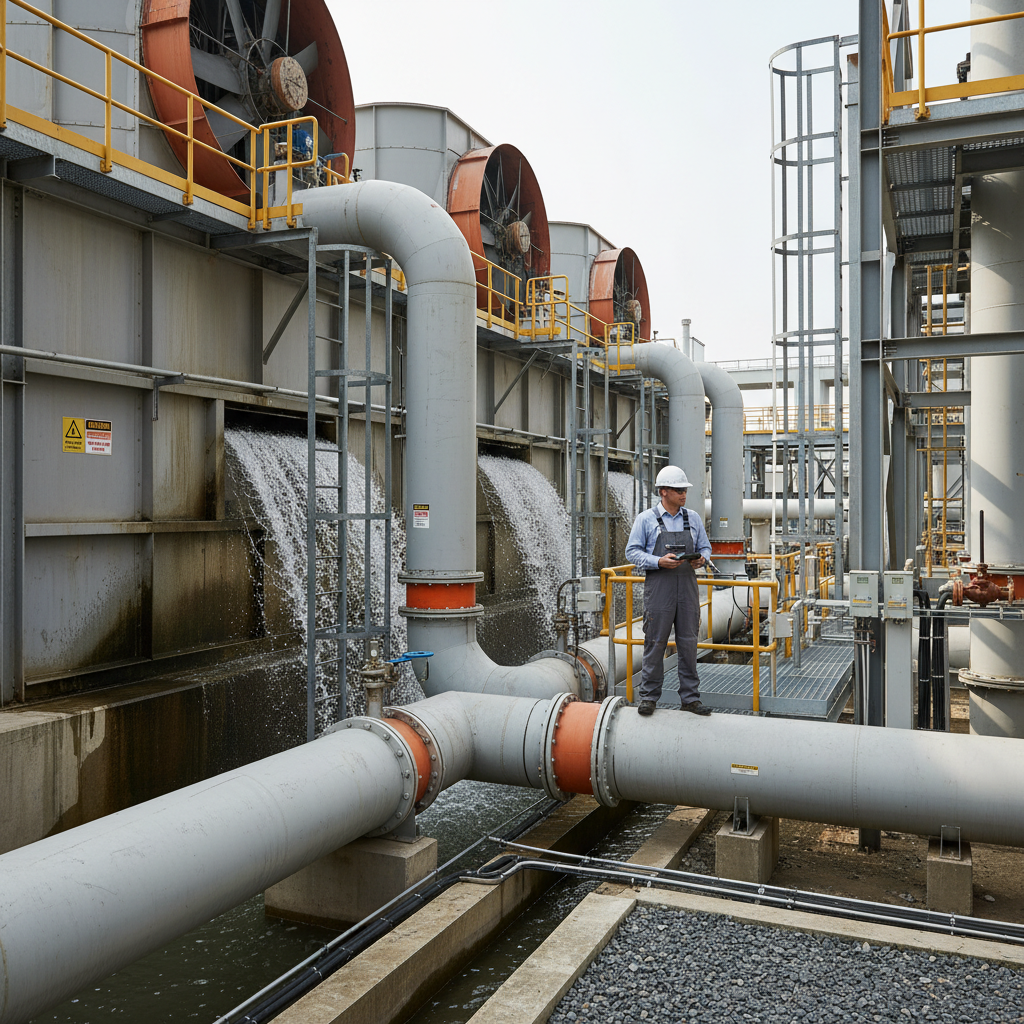
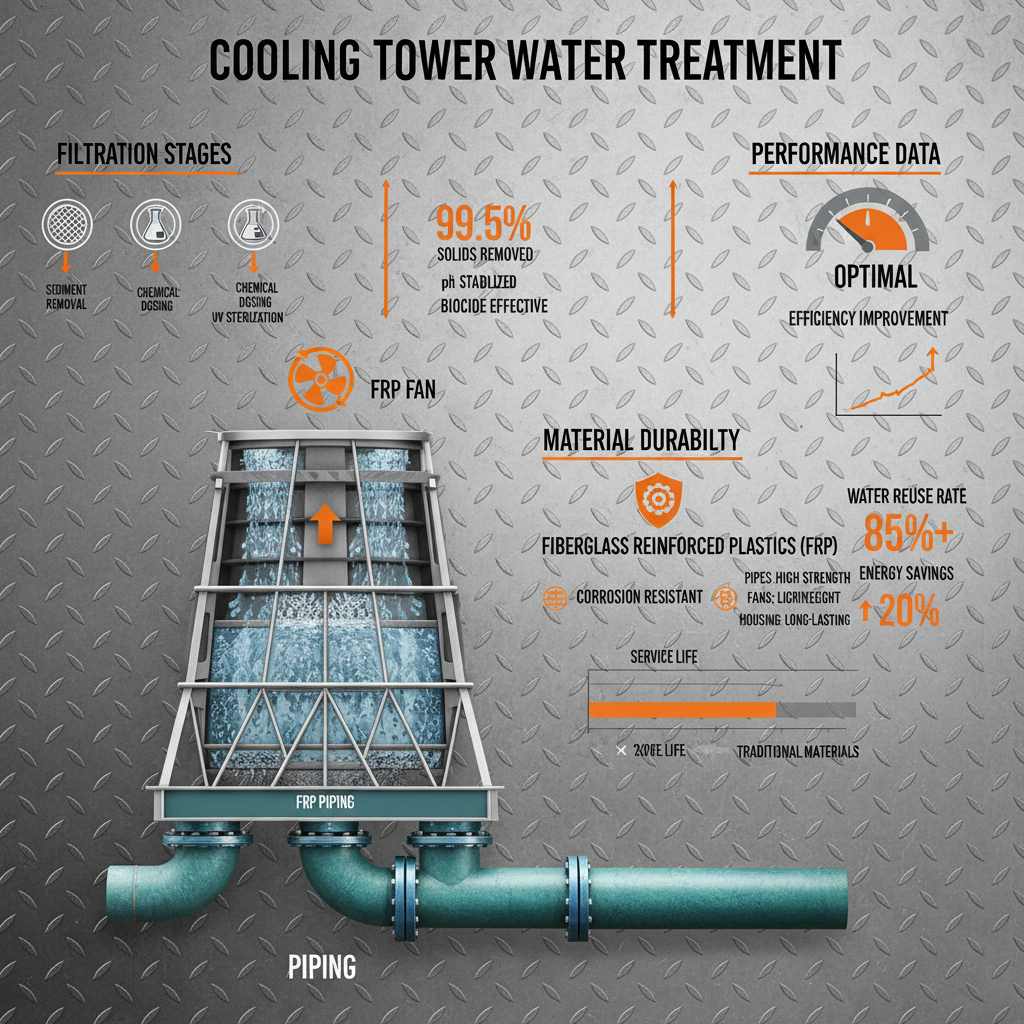
Comprehensive Cooling Tower Water Treatment for Industrial Efficiency and Sustainability

The Importance of cooling tower water treatment

Comprehensive Cooling Tower Water Treatment for Industrial Efficiency and Sustainability

Look, I’ve seen towers scaled up so bad they’ve had to be completely torn down and rebuilt – a massive expense. That's why consistent cooling tower water treatment is so critical. It's not just about preventing corrosion; it's about protecting your investment. A well-maintained system runs more efficiently, uses less energy, and has a significantly longer lifespan.

Beyond the financial implications, there’s a responsibility aspect. Discharging inadequately treated water can harm the environment, and nobody wants that on their conscience. Plus, the regulatory side is getting tighter every year. You have to stay on top of it to avoid fines and legal issues.

Understanding Cooling Tower Water Systems

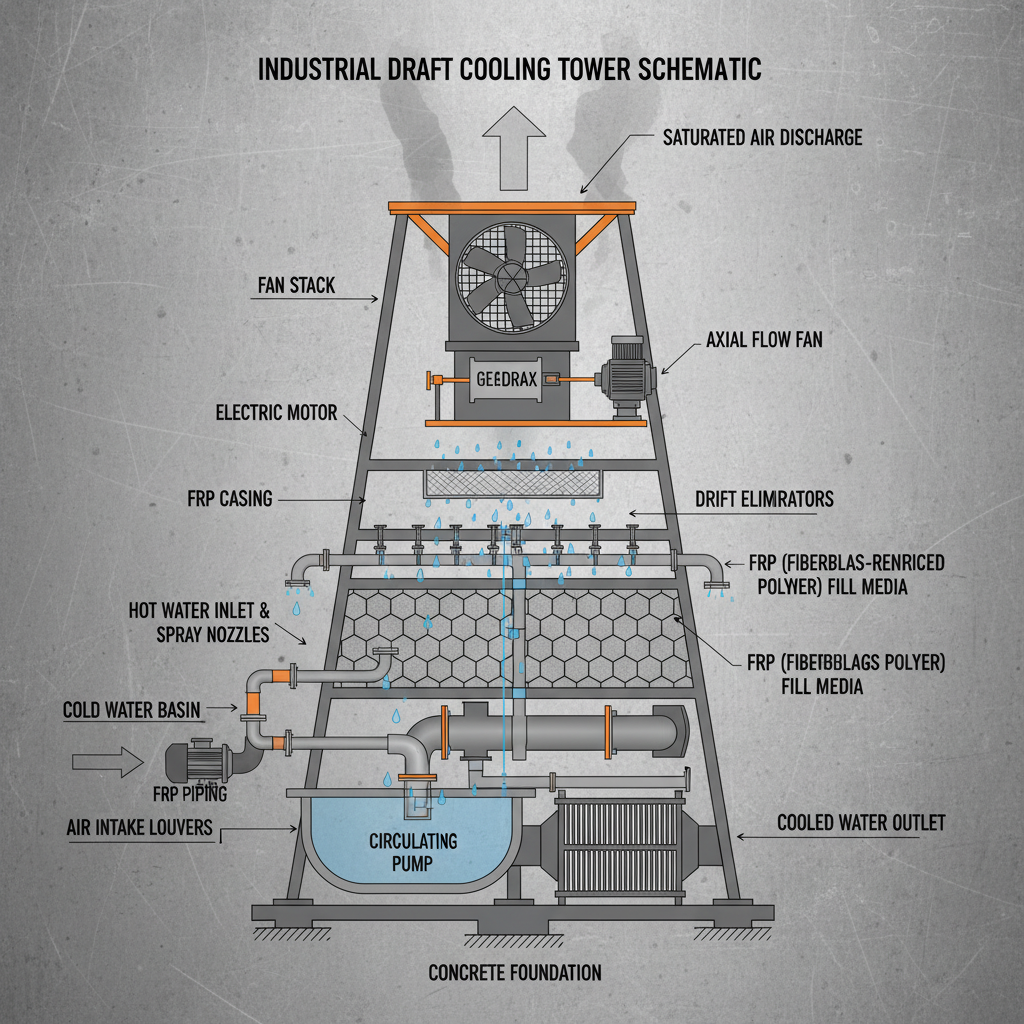
Cooling towers aren’t magic boxes. They’re complex systems where water is evaporated to reject heat. As water evaporates, minerals and impurities are left behind, leading to scale buildup. Microorganisms love warm, wet environments, so you get biological growth too. It's a constant battle to keep everything in check.

We deal with open and closed-loop systems, each with its own set of challenges. Open systems are exposed to the atmosphere, making them more susceptible to contamination. Closed loops are less prone to issues, but still need treatment to prevent corrosion and fouling. Understanding the specific system is the first step in developing an effective treatment plan.

What most folks don’t realize is how crucial the entire system is, not just the tower itself. Piping, pumps, heat exchangers – everything needs to be considered when you’re designing a water treatment program. A weak link anywhere compromises the whole setup.

Key Factors Influencing Treatment Strategies

Water quality is the big one. The source water – whether it's municipal, well, or surface water – dictates a lot of your treatment choices. We have to test for everything: hardness, alkalinity, pH, dissolved solids, and microbial counts. cooling tower water treatment plans are built on solid data.

The type of metal used in the cooling system is equally important. Different metals react differently to water chemistry. You need a treatment program that’s compatible with the materials used in the tower and associated piping. Galvanized steel, copper, aluminum – each requires a tailored approach.

Operational parameters also play a role. Water flow rates, temperature, and cycles of concentration all affect the effectiveness of the treatment. A high cycle of concentration can save water, but it also increases the risk of scaling and corrosion, demanding tighter control.

Performance Indicators and Monitoring Techniques

You can’t just set it and forget it. Regular monitoring is essential. We use a variety of tests to assess the performance of the treatment program. pH, conductivity, and inhibitor levels are checked frequently.

Visual inspections are also crucial. Looking for signs of scaling, corrosion, or biological growth can provide early warnings of potential problems. Sometimes, it’s as simple as spotting a little discoloration. But ignoring it can quickly escalate into something big.

Cooling Tower Water Treatment Performance Metrics


Applications Across Industries

You’ll find cooling towers everywhere – power plants, refineries, chemical processing facilities, HVAC systems in large buildings. Each industry has unique requirements, and the treatment program needs to be tailored accordingly.

Data centers are a huge growth area. They generate a lot of heat and rely heavily on cooling systems to keep their servers running. Keeping those systems online is critical for their operations.

Long-Term Benefits & Cost Analysis

Investing in proper cooling tower water treatment isn't an expense; it's a cost-saving measure. By preventing scaling and corrosion, you extend the life of your equipment, reduce maintenance costs, and improve energy efficiency. That adds up quickly.

Look, a shutdown due to cooling tower issues can cripple operations. The cost of downtime, lost production, and emergency repairs far outweighs the cost of a proactive treatment program.

From a sustainability standpoint, reducing water consumption and minimizing chemical discharge are major benefits. It’s about doing the right thing for the environment and demonstrating corporate responsibility.

Emerging Trends and Future Outlook

We’re seeing a lot of innovation in cooling tower water treatment. New polymers and biocides are constantly being developed to improve performance and reduce environmental impact. Digital monitoring and control systems are also becoming more common.

Remote monitoring and data analytics are a game-changer. We can track performance in real-time, identify potential problems before they occur, and optimize treatment programs remotely. That saves time and money.

Sustainability is the driving force. The industry is moving towards more eco-friendly chemicals, water recycling technologies, and closed-loop systems to minimize environmental footprint.

Summary of Current Cooling Tower Water Treatment Methods

Treatment Method Effectiveness Cost Environmental Impact
Chlorine/Bromide Treatment 8/10 6/10 4/10
Scale Inhibitor Programs 7/10 7/10 6/10
Polymer Feed Programs 9/10 8/10 7/10
Non-Oxidizing Biocides 6/10 5/10 5/10
UV Sterilization 7/10 9/10 9/10
Side Stream Filtration 8/10 7/10 8/10

FAQS

What is the ideal pH range for cooling tower water?

Generally, the ideal pH range is between 7.0 and 8.5. Maintaining this range is crucial to minimize corrosion. Too low, and you risk corroding metal components; too high, and you can encourage scaling. Regular pH monitoring and adjustment are key. It’s also dependent on the specific metallurgy of your system, so check those specs.

How often should I bleed my cooling tower?

Bleeding removes concentrated impurities. The frequency depends on your cycles of concentration and the rate of contaminant buildup. A good starting point is to bleed down when conductivity reaches a predetermined set point. Typically, this is checked daily, but more frequent monitoring may be necessary in heavily loaded systems. Don't just set it and forget it.

What are the risks of Legionella in cooling towers?

Legionella is a serious health hazard. Cooling towers can provide a breeding ground for the bacteria if not properly maintained. Regular disinfection with appropriate biocides, along with thorough cleaning and monitoring, is vital. It’s a legal requirement in many jurisdictions and a moral imperative to protect public health.

How can I reduce water consumption in my cooling tower?

Increasing cycles of concentration is a primary strategy, but requires careful monitoring and control. Optimize blowdown rates, implement water recycling systems, and consider using air-cooled condensers as an alternative in some applications. Leak detection and repair are also crucial for minimizing waste.

What's the difference between scale and corrosion?

Scale is the buildup of mineral deposits like calcium carbonate, forming a hard layer on surfaces. Corrosion is the deterioration of metal due to chemical reactions. They’re both bad, but require different treatment approaches. Scale reduces heat transfer efficiency, while corrosion weakens the structural integrity of the system.

Is there a way to measure the effectiveness of my corrosion inhibitor?

Yes! Corrosion coupon monitoring is a common method. You insert metal coupons into the system and periodically analyze the weight loss to determine the corrosion rate. Also, electrochemical techniques can provide real-time corrosion rate measurements. Regular inhibitor residual testing is also essential to ensure proper dosage.

Conclusion

Effective cooling tower water treatment is more than just chemistry; it’s a comprehensive approach to system management. It requires a deep understanding of water chemistry, system operation, and regulatory requirements. Prioritizing proactive maintenance, consistent monitoring, and embracing innovative technologies are essential for maximizing efficiency, minimizing costs, and protecting the environment.

Looking ahead, the future of cooling tower water treatment will be driven by sustainability and digitalization. Expect to see more advanced monitoring systems, eco-friendly chemicals, and closed-loop technologies. Don’t wait for a problem to arise— invest in a robust water treatment program today. For expert guidance and tailored solutions, visit our website: www.hlfrp.com

William Davis

William Davis

William Davis is a Quality Control Manager at Hebei Longxuan. He’s responsible for implementing and maintaining stringent quality control procedures throughout the entire production process. William has a background in chemical engineering and extensive knowledge of composite materials testing. He ensures that all FRP products meet or exceed industry standards
Previous Optimizing Industrial Efficiency with Advanced Cooling Tower Water Treatment Systems
Next Optimizing Industrial Efficiency with Advanced Cooling Tower Treatment Programs
Can't Find The Products And Services You Need?
If you need our help,
Our staff will be happy to help and answer your questions!
 Factory Processing
Factory Processing
The factory processes raw materials into finished products using advanced machinery and skilled labor.
 Build Synergy
Build Synergy
We provide collaborative services tailored to client needs, ensuring seamless communication and mutual growth.
 Global Supply
Global Supply
Our innovative products are bestsellers worldwide, celebrated for their exceptional quality, reliability, and global appeal.
 Global Supply
Global Supply
We ensure consistent product availability through a reliable and efficient global supply network.

Address

20 Xingyuan South Street, Zaoqiang County, Hengshui City, Hebei Province, China

If you are interested in our products, you can choose to leave your information here, and we will be in touch with you shortly.