Fiber reinforced plastic (FRP) sheets are increasingly vital in modern industries, offering a compelling balance of strength, lightweight properties, and corrosion resistance. Understanding the fiber reinforced plastic sheet price is crucial for engineers, architects, and procurement specialists aiming for cost-effective and durable solutions. These sheets are composite materials made by combining a polymer matrix with reinforcing fibers, resulting in superior mechanical characteristics compared to traditional materials like steel or aluminum.
The global demand for FRP sheets is driven by growth in sectors like construction, automotive, aerospace, and marine. The fiber reinforced plastic sheet price is influenced by factors such as raw material costs (resin and fibers), manufacturing processes, and sheet specifications. The need for sustainable and lightweight materials is also contributing to a steady increase in FRP sheet adoption, particularly in applications where weight reduction translates to energy savings and improved performance.
Ultimately, informed decisions about fiber reinforced plastic sheet price require a comprehensive understanding of the material's properties, available options, and long-term value proposition. Careful consideration of these factors can unlock significant benefits for projects across various industries, ranging from infrastructure development to high-performance manufacturing.
Introduction to Fiber Reinforced Plastic Sheet Price
Understanding the fiber reinforced plastic sheet price begins with recognizing the inherent value proposition of these materials. FRP sheets provide an exceptional strength-to-weight ratio, making them ideal for applications where minimizing weight is paramount. The initial cost may be higher than traditional materials, but the long-term benefits, such as reduced maintenance and extended lifespan, often result in lower total cost of ownership.
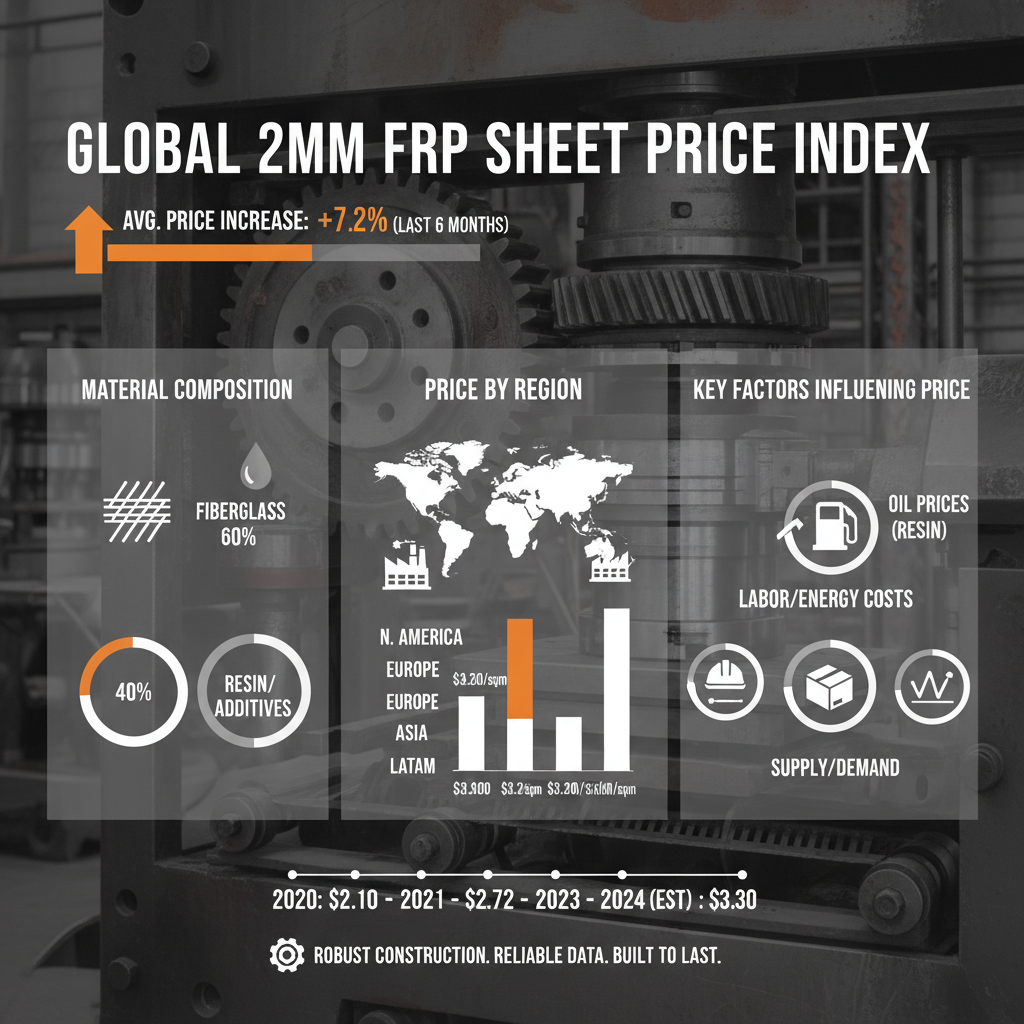
The price of FRP sheets can fluctuate based on several factors, including the type of fiber used (glass, carbon, aramid), the resin system, manufacturing volume, and any specialized finishes or treatments. It's important to consider these factors when evaluating different suppliers and comparing quotes to ensure you're getting the best value for your specific application.
Global Market Dynamics of Fiber Reinforced Plastic Sheet Price
The global market for fiber reinforced plastics is experiencing substantial growth, fueled by increasing demand from various sectors. Factors driving this growth include the need for lightweight materials in the automotive and aerospace industries, the demand for corrosion-resistant materials in infrastructure projects, and the growing adoption of FRPs in renewable energy applications. This growing demand inevitably impacts the fiber reinforced plastic sheet price.
Geographically, North America and Europe currently represent the largest markets for FRPs, but the Asia-Pacific region is expected to exhibit the fastest growth in the coming years, driven by rapid industrialization and infrastructure development in countries like China and India. Supply chain disruptions and fluctuations in raw material costs can also play a significant role in determining the fiber reinforced plastic sheet price.
According to a report by Grand View Research, the global fiber reinforced plastic market size was valued at USD 87.2 billion in 2022 and is projected to reach USD 138.5 billion by 2030, growing at a CAGR of 6.0% from 2023 to 2030. This growth trajectory indicates a continued strong demand and potential for price stability, albeit subject to external economic factors.
Defining Fiber Reinforced Plastic Sheet Price
The fiber reinforced plastic sheet price is not a single, fixed figure, but rather a range determined by numerous variables. It represents the cost associated with acquiring a sheet of composite material constructed from reinforcing fibers embedded in a polymer matrix. The price is often quoted per square meter or square foot, and can vary significantly based on sheet thickness, dimensions, fiber type, resin type, and manufacturing process.
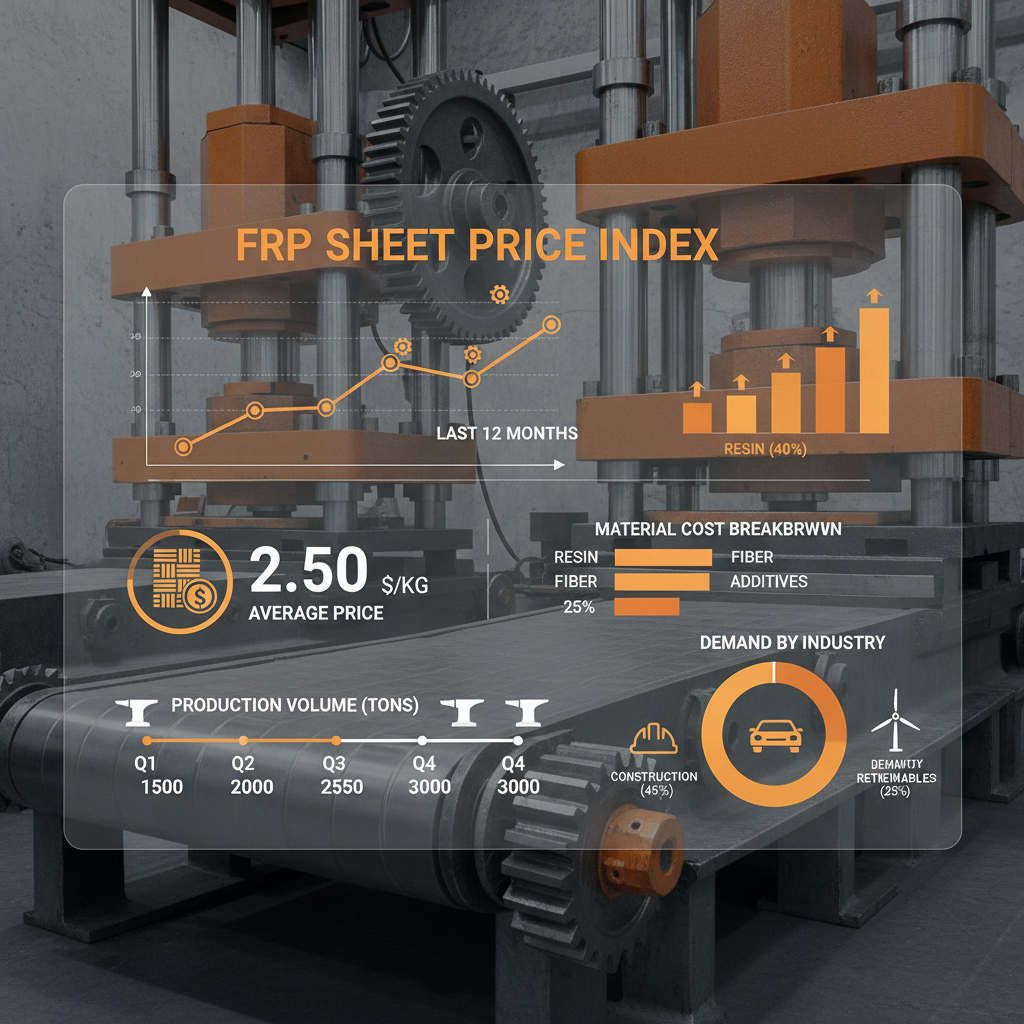
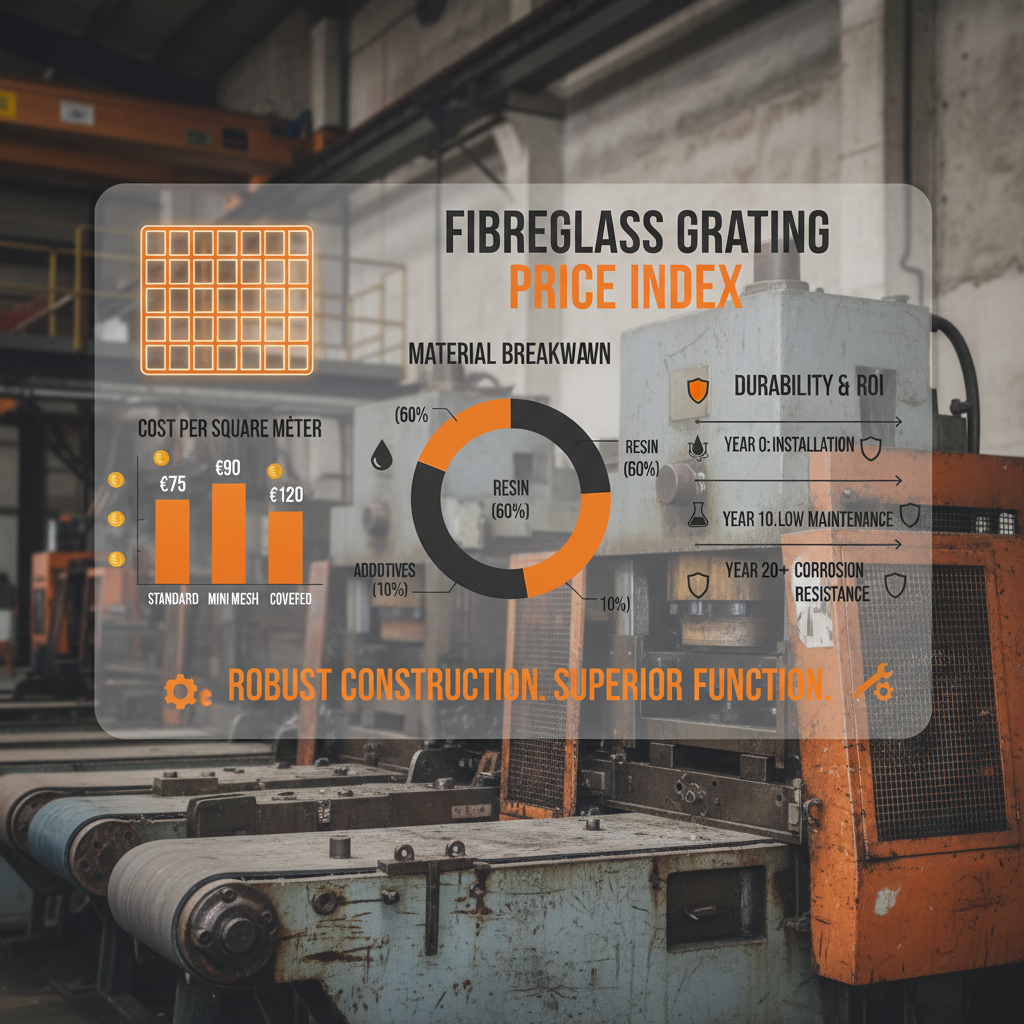
Understanding the price breakdown is essential for informed decision-making. The cost of raw materials (fibers and resins) typically accounts for a significant portion of the total price, followed by manufacturing costs, labor, and transportation. Specialized finishes, surface treatments, or custom designs can further increase the fiber reinforced plastic sheet price.
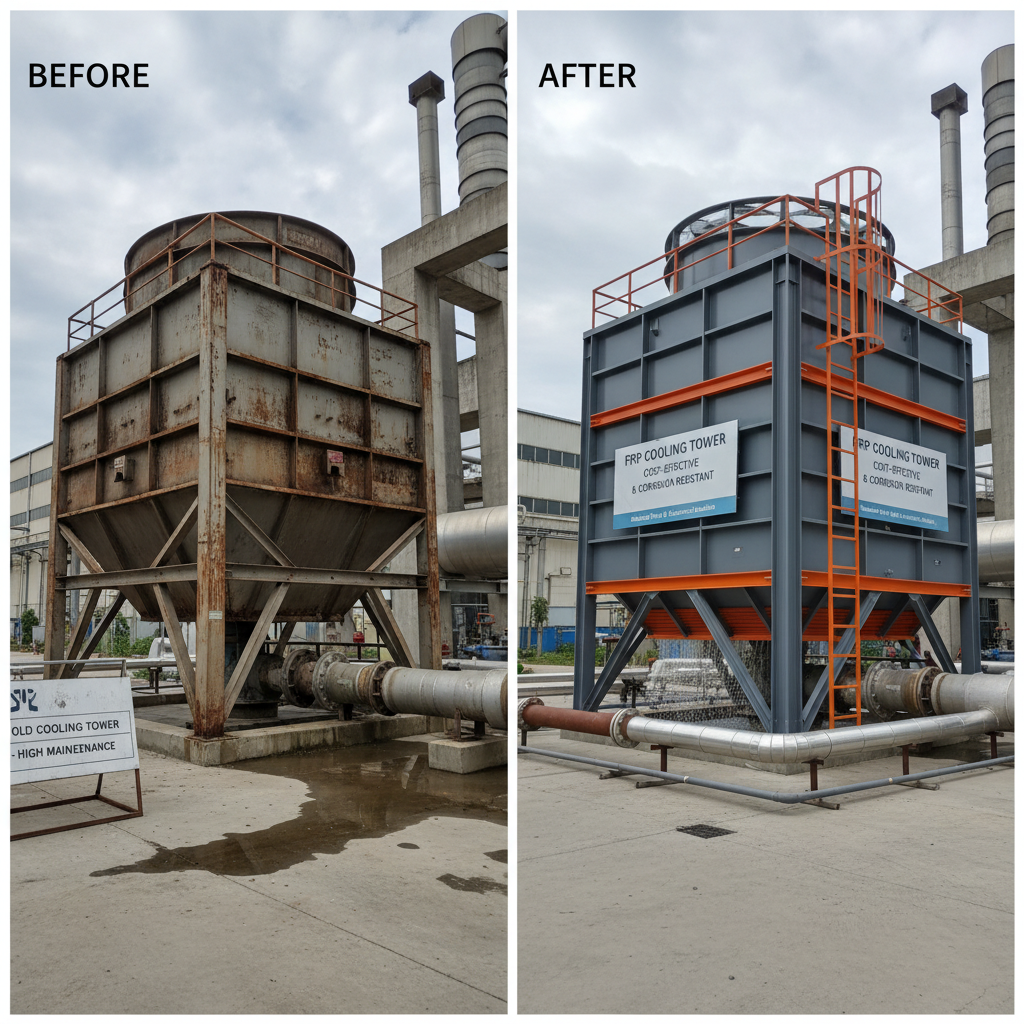
Beyond the initial purchase price, it's crucial to consider the lifecycle cost of FRP sheets. Their inherent durability and resistance to corrosion often translate to lower maintenance costs and a longer service life, ultimately reducing the total cost of ownership compared to traditional materials.
Key Factors Influencing Fiber Reinforced Plastic Sheet Price
Several key factors directly impact the fiber reinforced plastic sheet price. The type of reinforcing fiber used is a major determinant; carbon fiber is typically the most expensive, followed by aramid, and then glass fiber. The resin system also plays a role, with higher-performance resins commanding higher prices.
Manufacturing processes, such as hand lay-up, vacuum infusion, or pultrusion, also contribute to the final cost. More automated and efficient processes generally lead to lower prices. Sheet thickness, dimensions, and any required custom fabrication or finishing further influence the price.
Comparison of Fiber Reinforced Plastic Sheet Price by Manufacturing Method
Applications and Use Cases of Fiber Reinforced Plastic Sheets
Fiber reinforced plastic sheets find applications across a wide range of industries. In the construction sector, they are used for building facades, roofing, and structural components, offering lightweight and durable alternatives to traditional materials. The fiber reinforced plastic sheet price can be justified by the long term savings in maintenance.
The automotive and aerospace industries leverage FRP sheets for body panels, interior components, and structural parts, capitalizing on their high strength-to-weight ratio and corrosion resistance. Marine applications include boat hulls, decks, and other structural elements, benefiting from FRP's resistance to saltwater and weathering.
Advantages and Long-Term Value of Fiber Reinforced Plastic Sheets
The advantages of using FRP sheets extend beyond the initial fiber reinforced plastic sheet price. Their lightweight nature reduces transportation costs and simplifies installation. Exceptional corrosion resistance minimizes maintenance requirements and extends service life, particularly in harsh environments.
FRP sheets offer design flexibility, allowing for complex shapes and customized solutions. They also provide excellent thermal and electrical insulation properties, enhancing energy efficiency and safety. The long-term value is clear: reduced lifecycle costs, increased durability, and improved performance.
Furthermore, FRPs contribute to sustainability efforts by reducing material consumption and minimizing waste. Their durability also means less frequent replacements, lessening the environmental impact over the product's lifespan.
Future Trends and Innovations in Fiber Reinforced Plastic Sheets
Ongoing research and development are driving innovations in FRP sheet technology. New resin systems with enhanced properties, such as increased toughness and fire resistance, are being developed. The use of bio-based resins and sustainable fibers is gaining traction, addressing environmental concerns and reducing reliance on fossil fuels.
Automation and advanced manufacturing techniques, like automated fiber placement (AFP) and robotic winding, are streamlining production processes and lowering costs. Digitalization and data analytics are also playing a role, enabling better process control and quality assurance, ultimately impacting the fiber reinforced plastic sheet price positively.
We can anticipate the rise of smart FRP sheets equipped with sensors for structural health monitoring, enabling proactive maintenance and preventing catastrophic failures. These advancements promise to further expand the applications of FRP sheets and solidify their position as a key material in various industries.
Summary of Key Factors Influencing Future Fiber Reinforced Plastic Sheet Price
| Innovation Area |
Impact on Price |
Timeline (Years) |
Potential Price Change (%) |
| Bio-Based Resins |
Initially higher, then decreasing with scale |
5-10 |
-5 to +10 |
| Automated Manufacturing |
Reduced labor costs, increased efficiency |
2-5 |
-10 to -20 |
| Advanced Fiber Technologies |
Higher performance, potentially higher cost initially |
3-7 |
+5 to +15 |
| Recycling Technologies |
Reduced material costs, improved sustainability |
7-15 |
-5 to -10 |
| Smart FRP Integration |
Added sensor and data processing costs |
5-10 |
+10 to +25 |
| Supply Chain Optimization |
Reduced transportation and logistics costs |
Ongoing |
-2 to -5 |
FAQS
Several factors contribute to price fluctuations, including the type of reinforcing fiber (glass, carbon, aramid), the resin system used, manufacturing processes, sheet dimensions and thickness, and raw material costs. Global supply chain disruptions and demand also play a significant role. Understanding these variables is critical for accurate budgeting and procurement.
The choice of fiber significantly impacts the price. Glass fiber is the most cost-effective option, followed by aramid, and carbon fiber being the most expensive. While carbon fiber offers superior strength and weight reduction, its higher price may not be justified for all applications. Selecting the appropriate fiber type depends on the specific performance requirements and budget constraints.
Despite a potentially higher initial investment, FRP sheets offer significant long-term cost benefits. Their superior corrosion resistance minimizes maintenance and repair costs. The lightweight nature reduces transportation and installation expenses. A longer service life, often exceeding that of traditional materials, also lowers lifecycle costs.
Several strategies can help reduce costs without sacrificing quality. Optimizing sheet design to minimize material waste, selecting the most appropriate fiber type for the application, negotiating volume discounts with suppliers, and exploring alternative manufacturing processes can all contribute to cost savings. Considering less expensive resin systems while still meeting performance requirements is another option.
The manufacturing process significantly impacts the price. Automated processes, such as pultrusion and resin transfer molding, generally offer lower costs due to increased efficiency and reduced labor requirements. Hand lay-up, while more versatile for complex shapes, is typically more labor-intensive and therefore more expensive.
Lead times for custom-fabricated FRP sheets vary depending on the complexity of the design, material availability, and the supplier's workload. Typically, lead times range from 2 to 8 weeks. Providing detailed specifications and drawings upfront can help expedite the process and ensure accurate pricing and delivery.
Conclusion
In conclusion, understanding the fiber reinforced plastic sheet price requires considering a multitude of factors, from raw material costs and manufacturing processes to application-specific requirements and long-term value. FRP sheets offer a compelling combination of strength, durability, and lightweight properties, making them a viable solution for a growing number of industries.
As technology continues to advance and sustainable practices gain prominence, the future of FRP sheets looks promising. Embracing innovation, optimizing manufacturing processes, and exploring alternative materials will further drive down costs and expand the applications of these versatile composites. For competitive fiber reinforced plastic sheet price and expert guidance, visit our website today.