


We Are Open 24 Hours a Day, 7 Days a Week, Including Weekends and Public Holidays.

What Is the Use of FRP Cable Tray?
In modern electrical and industrial infrastructure, cable management plays a critical role in ensuring safety, efficiency, and long-term reliability. Among the many solutions available, FRP cable trays have emerged as a preferred choice across industries. But what exactly is an FRP cable tray, and more importantly, what is it used for?
This article explores the practical uses, advantages, and applications of FRP (Fiberglass Reinforced Plastic) cable trays, helping you understand why they are increasingly replacing traditional metal systems.
Understanding FRP Cable Tray Systems
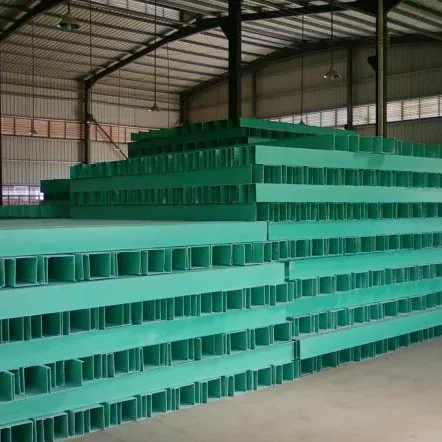
An FRP cable tray is a structural system designed to support, route, and protect electrical cables. Made from fiberglass-reinforced plastic, it combines high mechanical strength with excellent resistance to corrosion and environmental damage.
Unlike conventional cable trays made from steel or aluminum, FRP cable trays are non-metallic. This gives them unique properties such as electrical insulation, lightweight construction, and durability in harsh environments. These features make them especially suitable for industries where corrosion, moisture, or chemical exposure is a concern.
Primary Use of FRP Cable Tray in Cable Management
The core function of any cable tray system is cable management—and FRP cable trays excel in this role.
They provide a structured pathway for organizing power cables, control cables, and communication lines. By keeping cables neatly arranged, they help prevent tangling, reduce mechanical stress, and simplify maintenance or future upgrades.
In large facilities such as factories or power plants, thousands of cables may run simultaneously. FRP cable trays ensure these cables are properly supported and separated, minimizing the risk of overheating, interference, or accidental damage.
Additionally, their non-conductive nature enhances safety by reducing the risk of electrical hazards, making them ideal for sensitive environments.
Use of FRP Cable Tray in Corrosive Environments
One of the most important uses of FRP cable trays is in corrosive environments where traditional metal trays fail.
Industries such as chemical processing, wastewater treatment, marine engineering, and oil & gas often expose equipment to harsh chemicals, saltwater, or high humidity. Metal cable trays in these environments are prone to rust, degradation, and eventual failure.
FRP cable trays, on the other hand, are highly resistant to corrosion. They do not rust or oxidize, even when exposed to acids, alkalis, or saline conditions. This significantly extends their service life and reduces maintenance costs.
For example, in wastewater treatment plants, FRP trays are commonly used to support cables above tanks and pipelines where corrosive gases are present.
Application of FRP Cable Tray in Electrical Safety Systems
Safety is a major concern in any electrical installation, and FRP cable trays contribute significantly in this area.
Because FRP is a non-conductive material, it does not carry electrical current. This reduces the risk of electric shock and short circuits, especially in environments where moisture or conductive contaminants are present.
FRP cable trays are also flame-retardant, depending on the resin formulation used. This helps prevent the spread of fire in case of electrical faults. In critical infrastructure such as data centers, tunnels, and power distribution systems, this added safety feature is extremely valuable.
Moreover, FRP trays have low thermal conductivity, which helps in maintaining stable cable temperatures and preventing overheating.
Use of FRP Cable Tray in Outdoor Installations
Outdoor environments pose unique challenges, including UV exposure, temperature fluctuations, and weather-related wear and tear. FRP cable trays are widely used in outdoor installations because of their excellent resistance to these conditions.
Unlike metal trays, which may corrode or degrade under sunlight and rain, FRP cable trays are UV-resistant and weatherproof. They maintain their structural integrity over long periods, even in extreme climates.
This makes them ideal for applications such as:
- Solar power plants
- Wind farms
- Bridge cable routing systems
- Outdoor substations
Their lightweight nature also simplifies installation in elevated or remote locations, reducing labor costs and installation time.
Industrial Use of FRP Cable Tray Across Sectors
FRP cable trays are used in a wide range of industries due to their versatility and durability. Some key sectors include:
1. Power Generation and Distribution
In power plants and substations, FRP trays are used to route high-voltage and control cables safely. Their non-conductive properties make them particularly suitable for these environments.
2. Oil and Gas Industry
Offshore platforms and refineries benefit from FRP trays because of their resistance to saltwater and chemicals. They help maintain reliable cable systems in demanding conditions.
3. Chemical and Petrochemical Plants
FRP trays withstand exposure to aggressive chemicals, ensuring long-term performance without frequent replacements.
4. Transportation Infrastructure
Railways, tunnels, and airports use FRP cable trays for reliable cable management in areas where safety and durability are critical.
5. Data Centers and Telecommunications
In environments requiring high reliability and minimal interference, FRP cable trays provide safe and efficient cable routing solutions.
Advantages That Define the Use of FRP Cable Tray
The widespread use of FRP cable trays is driven by their unique advantages over traditional materials:
Corrosion Resistance
FRP does not rust or degrade in harsh environments, making it ideal for long-term use.
Lightweight Design
Compared to steel trays, FRP is significantly lighter, which reduces installation effort and structural load.
High Strength-to-Weight Ratio
Despite being lightweight, FRP cable trays offer excellent mechanical strength and load-bearing capacity.
Electrical Insulation
Non-conductive properties enhance safety in electrical systems.
Low Maintenance
FRP trays require minimal upkeep, reducing operational costs over time.
Customizability
They can be manufactured in various sizes, shapes, and configurations to meet specific project requirements.
Why Choose FRP Cable Tray for Modern Projects?
As industries move toward more efficient, safe, and sustainable solutions, FRP cable trays are becoming the preferred choice for cable management systems.
Their ability to perform reliably in extreme conditions, combined with low lifecycle costs, makes them a smart investment. Whether it’s a corrosive industrial plant, an outdoor renewable energy project, or a high-tech facility, FRP cable trays deliver consistent performance.
In addition, their long service life reduces the need for frequent replacements, contributing to sustainability and cost efficiency.
Conclusion
So, what is the use of FRP cable tray? In essence, it is a versatile, durable, and high-performance solution for managing and protecting cables across a wide range of applications.
From organizing complex cable networks to ensuring safety in hazardous environments, FRP cable trays play a crucial role in modern infrastructure. Their corrosion resistance, lightweight construction, and electrical insulation properties set them apart from traditional materials.
As technology and industrial demands continue to evolve, the use of FRP cable trays will only grow, offering a reliable foundation for efficient and safe cable management systems.







Address
20 Xingyuan South Street, Zaoqiang County, Hengshui City, Hebei Province, China


