


We Are Open 24 Hours a Day, 7 Days a Week, Including Weekends and Public Holidays.

Understanding Cooling Tower Evaporation for Efficient Industrial Operations
Understanding Cooling Tower Evaporation: A Comprehensive Guide
Cooling towers are essential components in many industrial processes, and cooling tower evaporation is a key factor in their efficient operation. This process removes heat from water, allowing it to be recirculated and reused. Understanding the principles of evaporation, the factors that influence it, and how to optimize it is crucial for maintaining system performance and minimizing operational costs. At HLF FRP, we specialize in providing high-quality cooling tower solutions, and we're here to explain everything you need to know about this vital process. Let's delve into the science and practical applications of cooling tower evaporation.
The Science Behind Cooling Tower Evaporation
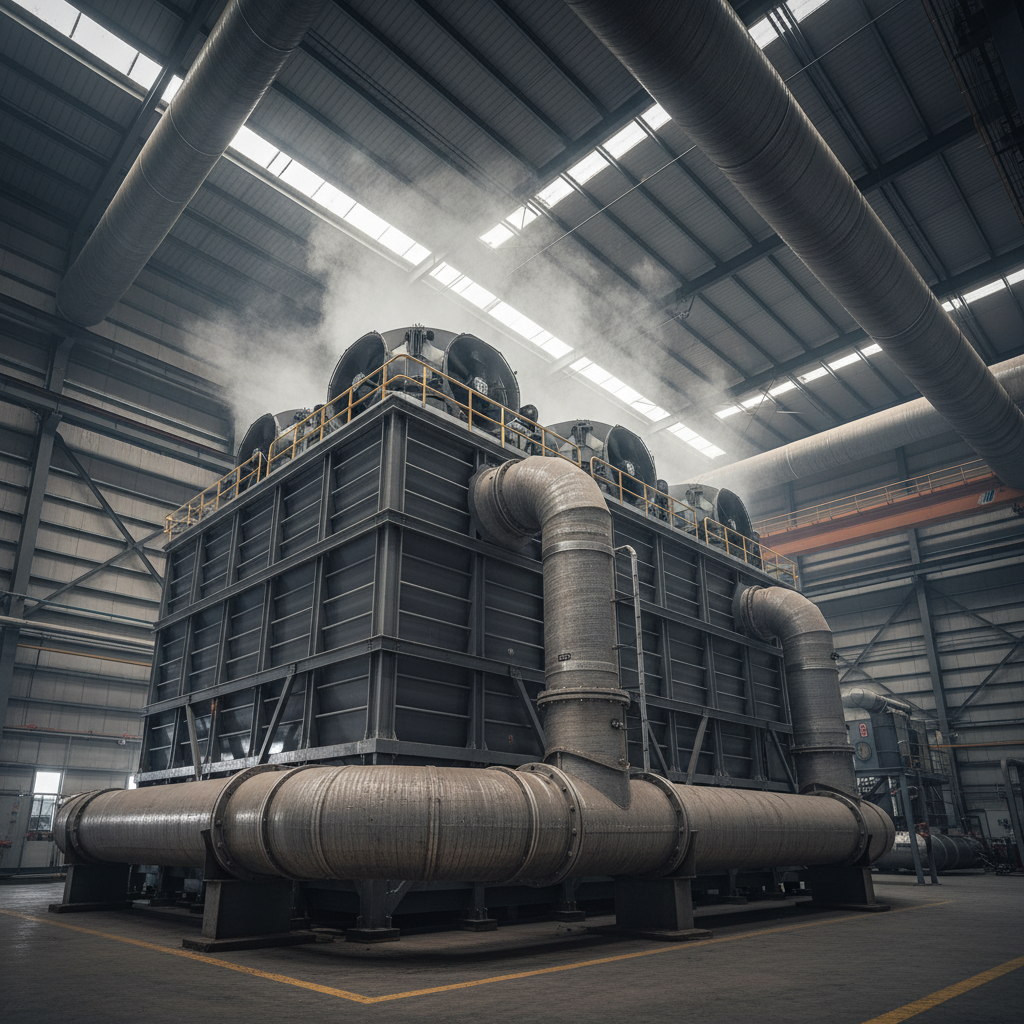
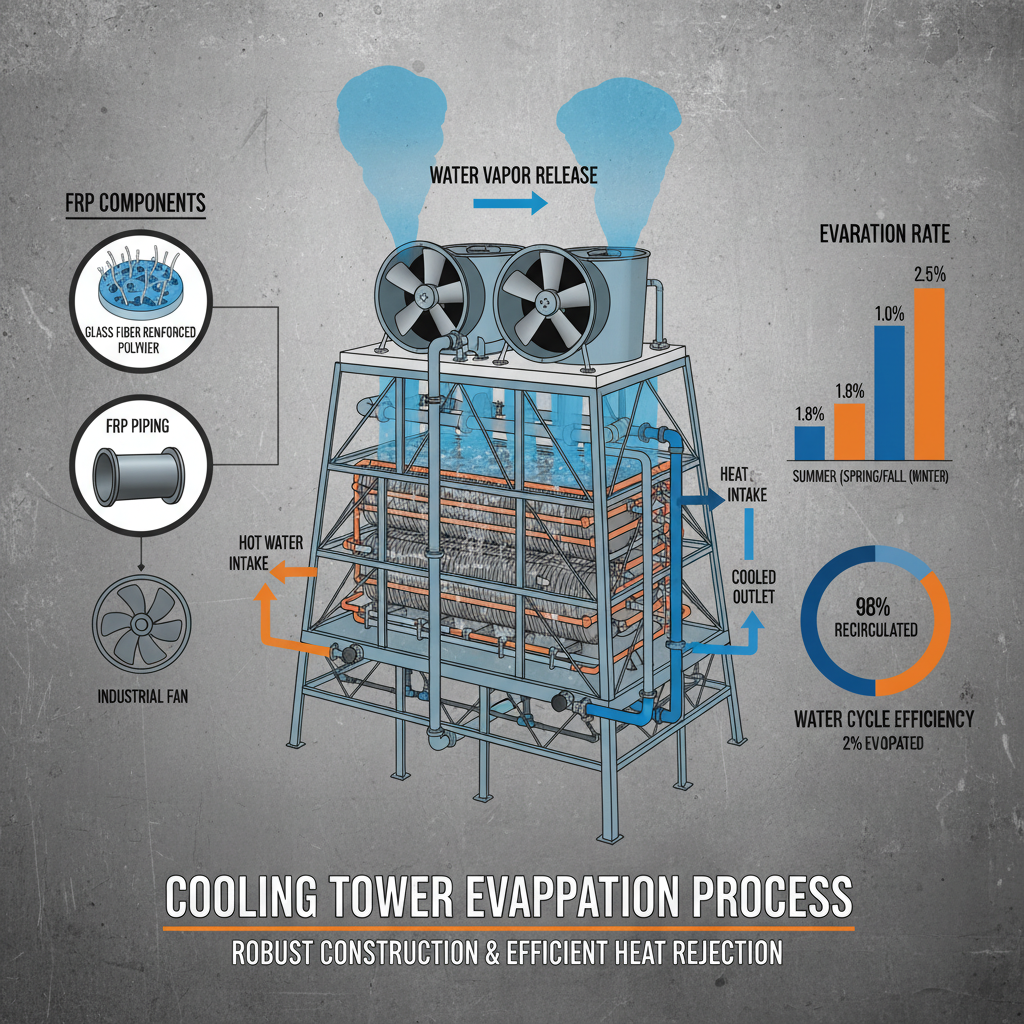
Evaporation is the process where a liquid changes into a gas. In cooling towers, water is distributed over a fill material, increasing its surface area. Air is then passed over this water, causing a portion of it to evaporate. This phase change from liquid to gas requires energy – specifically, the latent heat of vaporization. This energy is drawn from the water itself, lowering its temperature. The rate of evaporation, and therefore the cooling efficiency, depends on several factors, including air temperature, humidity, water temperature, and airflow. Understanding these dynamics is essential for optimizing cooling tower performance.
Key Takeaway: Evaporation is a heat transfer process driven by the latent heat of vaporization, and its efficiency is tied to environmental factors and system design.
Factors Affecting Cooling Tower Evaporation Rates
Several factors can significantly impact the rate of cooling tower evaporation. These include:
- Air Temperature: Higher air temperatures increase the evaporation rate.
- Humidity: Lower humidity allows for more evaporation. High humidity reduces the capacity of the air to hold more moisture.
- Water Temperature: Higher water temperatures increase the evaporation rate.
- Airflow: Increased airflow brings more dry air into contact with the water, enhancing evaporation.
- Water Quality: Dissolved solids in water can affect evaporation rates, and proper water treatment is essential.
Optimizing these factors through careful system design and operational adjustments can maximize cooling efficiency.
Types of Cooling Towers and Evaporation Characteristics
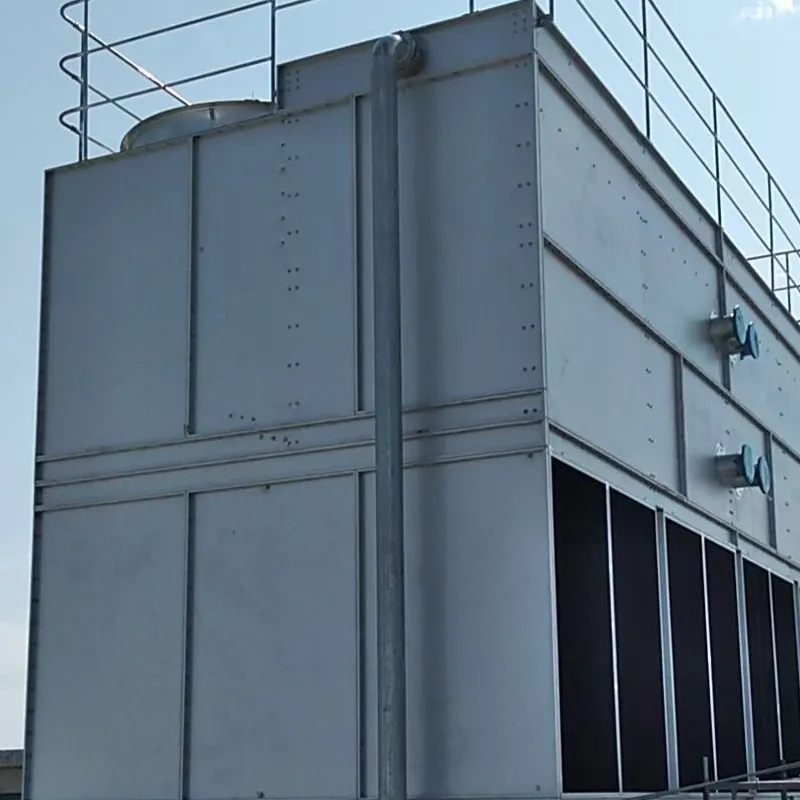
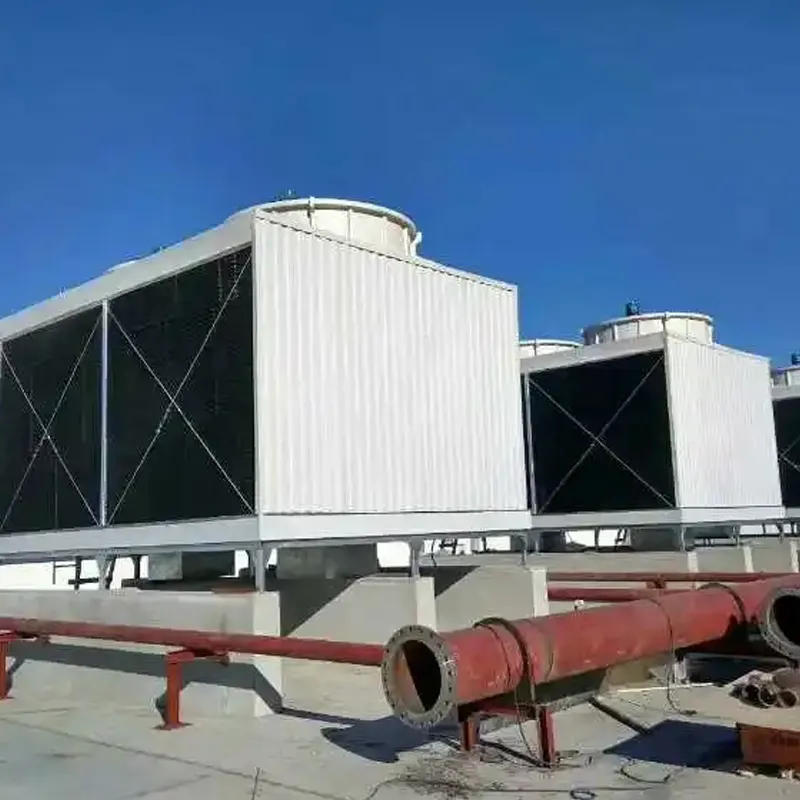
Different types of cooling towers utilize evaporation in slightly different ways. The two main categories are open-circuit and closed-circuit towers. Open-circuit towers, like counterflow and crossflow towers, directly expose water to the atmosphere, resulting in higher evaporation rates. Closed-circuit towers, on the other hand, recirculate water through a heat exchanger, minimizing water loss through evaporation. The choice of cooling tower depends on factors like water availability, water quality, and operational requirements.
Cooling Tower Types & Evaporation:
• Open-Circuit Towers: Higher evaporation rates, direct water exposure.
• Closed-Circuit Towers: Lower evaporation rates, indirect cooling through a heat exchanger.
Optimizing Cooling Tower Evaporation for Efficiency
Maximizing cooling efficiency through controlled cooling tower evaporation requires a multifaceted approach. This includes:
- Proper Water Treatment: Preventing scaling and fouling enhances heat transfer and evaporation efficiency.
- Airflow Management: Ensuring optimal airflow distribution across the fill media.
- Fill Media Selection: Choosing the right fill material maximizes surface area for evaporation.
- Regular Maintenance: Cleaning and inspecting the cooling tower to remove debris and ensure proper operation.
Implementing these strategies can reduce water consumption, lower energy costs, and extend the lifespan of the cooling tower.
The Role of HLF FRP in Cooling Tower Solutions
At HLF FRP, we provide high-quality FRP cooling towers designed for optimal efficiency and durability. Our towers are engineered to maximize evaporation rates while minimizing water consumption. We offer a range of customizable options to meet the specific needs of your application, ensuring reliable and cost-effective cooling solutions. Contact us today to learn how we can help you optimize your cooling system.
Conclusion: Mastering Cooling Tower Evaporation for Optimal Performance
Understanding and optimizing cooling tower evaporation is critical for efficient industrial cooling. By considering the factors that influence evaporation rates and implementing proper maintenance and optimization strategies, you can significantly reduce costs and improve system reliability. HLF FRP is committed to providing innovative cooling tower solutions that deliver exceptional performance and value.
Frequently Asked Questions (FAQs)
What is drift in a cooling tower and how does it relate to evaporation?
Drift refers to the small water droplets that are carried out of the cooling tower with the exhaust air. While evaporation is the desired process of turning water into vapor, drift represents a loss of water, and potentially chemicals, from the system. High drift rates can lead to water wastage, environmental concerns, and corrosion issues. Effective drift eliminators are crucial components of cooling towers, designed to minimize drift while maximizing airflow for efficient evaporation. Regular inspection and maintenance of drift eliminators are essential for optimal performance.
How does water quality impact cooling tower evaporation efficiency?
Water quality plays a significant role in cooling tower evaporation efficiency. Dissolved solids and impurities can cause scaling and fouling on the fill media, reducing heat transfer and hindering evaporation. Biological growth, like algae and bacteria, can also contribute to fouling. Implementing a comprehensive water treatment program – including filtration, chemical treatment, and regular monitoring – is crucial to maintain clean water and optimize evaporation rates. Proper water treatment prevents corrosion, scaling, and biological fouling, extending the lifespan of the cooling tower and enhancing its performance.
What are the environmental considerations related to cooling tower evaporation?
While evaporation is a natural process, cooling towers can have environmental implications. Drift, as mentioned earlier, can carry chemicals into the surrounding environment. Additionally, the discharge of blowdown water – water removed from the system to control dissolved solids – must be managed responsibly to avoid polluting waterways. Implementing effective drift eliminators and proper blowdown water treatment are essential for minimizing environmental impact. Sustainable cooling tower operation involves balancing cooling efficiency with environmental stewardship.
How can I tell if my cooling tower evaporation rate is too low?
Several indicators suggest a cooling tower’s evaporation rate may be too low. These include higher than normal water temperatures, increased energy consumption for cooling, visible scaling or fouling on the fill media, and a noticeable decrease in cooling performance. Regular monitoring of key parameters – such as water temperature, airflow, and water quality – can help identify potential issues early on. A professional cooling tower inspection can provide a thorough assessment of the system's performance and identify areas for improvement.





Address
20 Xingyuan South Street, Zaoqiang County, Hengshui City, Hebei Province, China


