


We Are Open 24 Hours a Day, 7 Days a Week, Including Weekends and Public Holidays.

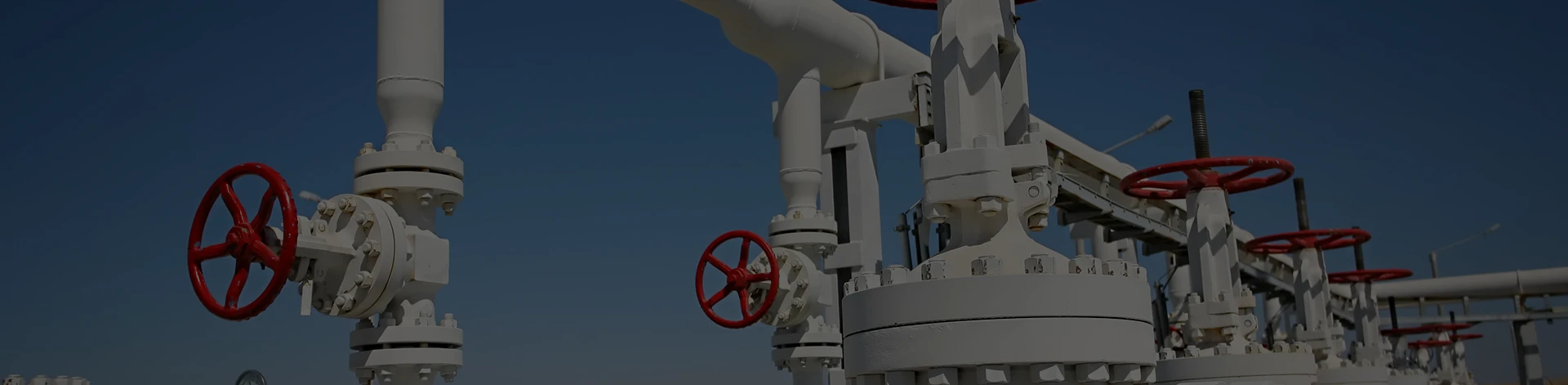
Flexible Expansion Joint Technology In Modern Pipelines With Flange Expansion Joint
Industrial piping systems must operate under a wide range of conditions, including high pressure, extreme temperatures, and continuous mechanical movement. To maintain safety and efficiency, engineers rely on advanced components such as the flexible expansion joint. These specialized devices are designed to absorb thermal expansion, vibration, and structural displacement in pipelines. When properly installed, a flange expansion joint or pipe expansion joint helps protect piping systems from stress, leaks, and long-term structural damage.
A flexible expansion joint works by allowing controlled movement within the pipeline. As pipes heat up, they naturally expand, and when temperatures drop, they contract. Without a pipe expansion joint, these changes could create enormous internal forces within the piping system. Over time, such stress could damage valves, pumps, and even the pipes themselves.
Modern expansion joint technology includes several specialized designs such as expansion joint flange type, pipe bellows expansion joint, and steam pipe expansion joint solutions. Each type is designed for specific industrial environments. For example, high-temperature steam pipelines require specialized steam pipe expansion joint components capable of handling extreme heat and pressure.
Additionally, systems often incorporate flexible joint flange, flexible joint flange type, and other flexible joint designs to maintain secure connections while allowing movement. These technologies are widely used in industries including power generation, petrochemical production, water treatment, and building infrastructure.
As global industrial development continues to expand, the importance of reliable pipe expansion joint systems continues to grow. These components play a crucial role in maintaining pipeline integrity and ensuring long-term operational safety.
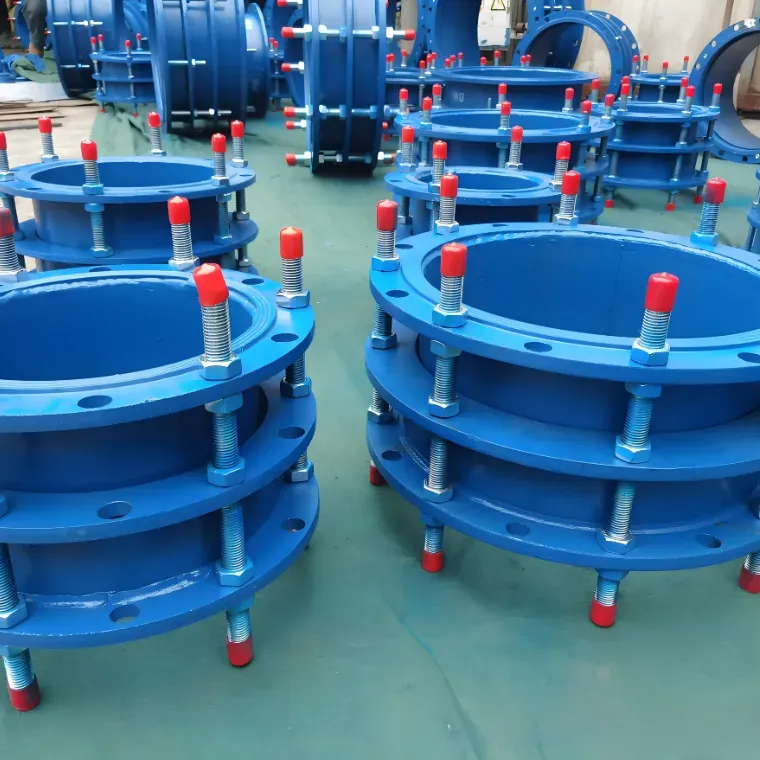
Structural Reliability With Expansion Joint Flange Type Connections
One of the most commonly used designs in industrial pipelines is the expansion joint flange type configuration. This type of joint uses flanges on both ends to connect directly to adjacent pipeline sections. The flange design allows the expansion joint to be securely bolted into place while still allowing the necessary movement to absorb stress.
The primary advantage of an expansion joint flange type installation is its combination of strength and flexibility. While the flanges provide a strong mechanical connection, the joint itself—often designed as a flexible expansion joint—absorbs thermal expansion and mechanical vibration.
In large industrial pipelines, the use of flange expansion joint systems is critical for preventing structural damage. When pipes transport hot fluids such as steam or chemicals, temperature changes can cause significant expansion. Without a properly installed pipe expansion joint, this expansion can create internal stress that damages the pipeline.
Another important benefit of expansion joint flange type systems is their ease of maintenance. Because the joints are bolted rather than welded, they can be removed and replaced without cutting the pipeline. This feature is especially valuable in industrial facilities where minimizing downtime is essential.
For this reason, flange expansion joint and flexible joint flange type designs are widely used in industrial plants, power stations, and municipal infrastructure projects.
High-Temperature Performance Of Steam Pipe Expansion Joint
Steam pipelines operate under some of the most demanding conditions in industrial environments. High temperatures and rapid pressure fluctuations can cause pipes to expand dramatically during operation. To accommodate these changes safely, engineers rely on specialized steam pipe expansion joint components.
A steam pipe expansion joint is designed to absorb the expansion and contraction that occurs when steam flows through the pipeline. Without such a component, the force generated by thermal expansion could damage pipe supports, valves, and surrounding structures.
In many systems, the pipe bellows expansion joint is used as the core expansion compensation device. The bellows design allows the joint to compress and expand as the pipeline changes length. This flexibility ensures that the steam pipe expansion joint can handle extreme temperature conditions while maintaining a tight seal.
These joints are commonly found in power plants, industrial boilers, and district heating systems. In such applications, a pipe expansion joint combined with flange expansion joint connections provides both flexibility and structural strength.
Because steam pipelines are critical to many industrial operations, selecting a high-quality steam pipe expansion joint and pipe bellows expansion joint is essential for maintaining safe and efficient system performance.
Advantages Of Flexible Joint Flange And Flexible Joint Flange Type
Piping systems often require additional flexibility beyond simple thermal expansion compensation. Equipment such as pumps, compressors, and turbines can create vibration and slight misalignment within pipelines. To manage these conditions, engineers frequently install flexible joint flange systems.
A flexible joint flange allows the pipeline to move slightly while maintaining a secure connection between components. This design helps absorb vibration and prevent stress from transferring to sensitive equipment. As a result, flexible joint flange installations can significantly extend the lifespan of both pipelines and machinery.
Another widely used configuration is the flexible joint flange type, which combines the durability of flange connections with the movement capability of a flexible joint. These joints are commonly installed in water pipelines, HVAC systems, and industrial fluid transportation networks.
Because of their versatility, flexible joint flange type and flexible expansion joint systems are used in a wide range of engineering applications. They help compensate for installation tolerances, thermal movement, and vibration.
By incorporating flexible joint, flexible joint flange, and pipe expansion joint technologies, engineers can create piping systems that are both strong and adaptable.
Why Pipe Bellows Expansion Joint Systems Are Essential For Industrial Pipelines
Modern industrial pipelines are complex systems that must handle constant movement and stress. Thermal expansion, pressure fluctuations, and mechanical vibration all contribute to pipeline fatigue over time. To manage these challenges, the pipe bellows expansion joint has become one of the most widely used expansion compensation devices.
The pipe bellows expansion joint features a corrugated metal bellows structure that allows the joint to expand and contract along the pipeline axis. This flexibility enables the joint to absorb thermal expansion without transferring stress to adjacent pipes or equipment.
In many installations, the pipe bellows expansion joint is combined with flange expansion joint connections for secure installation and easy maintenance. This configuration allows the joint to be replaced or serviced without cutting the pipeline.
Another benefit of the pipe bellows expansion joint is its ability to handle multiple types of movement simultaneously. These include axial compression, lateral displacement, and angular deflection. Because of this versatility, pipe expansion joint systems are used in industries ranging from chemical processing to power generation.
When combined with flexible expansion joint, flexible joint flange type, and steam pipe expansion joint technologies, modern expansion joints provide comprehensive protection for industrial piping systems.
By integrating high-quality flange expansion joint and pipe expansion joint components, engineers can ensure that pipelines remain safe, durable, and efficient even under the most demanding operating conditions.






Address
20 Xingyuan South Street, Zaoqiang County, Hengshui City, Hebei Province, China


