


We Are Open 24 Hours a Day, 7 Days a Week, Including Weekends and Public Holidays.

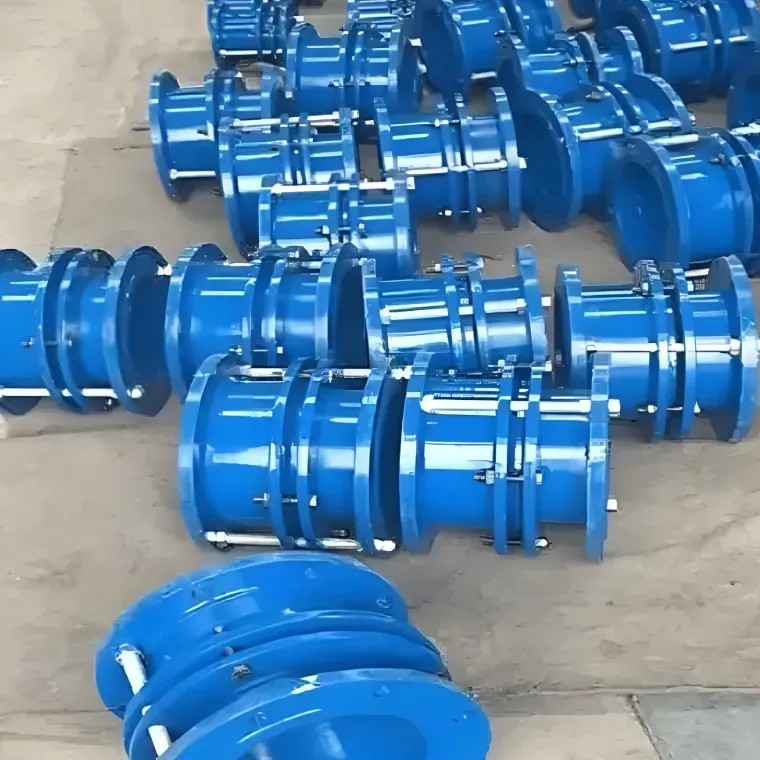
Flange Expansion Joint: Reliable Solutions For Modern Pipe Expansion Joint Systems
In modern industrial piping systems, managing thermal expansion, vibration, and movement is essential for maintaining safety and operational efficiency. One of the most effective solutions for these challenges is the flange expansion joint, a component specifically designed to absorb movement and protect piping systems from stress and damage. As industries such as power generation, petrochemical processing, HVAC systems, and manufacturing continue to expand, the demand for high-quality pipe expansion joint products has increased significantly.
A flange expansion joint is typically installed between two pipeline sections to compensate for thermal expansion, contraction, and vibration caused by temperature changes or fluid pressure. These joints allow pipes to move safely without transferring excessive stress to the piping system or surrounding equipment. Whether used in steam pipelines, water supply systems, or industrial fluid transport, a well-designed pipe expansion joint ensures long-term reliability and operational stability.
Modern expansion joints come in a variety of configurations, including flexible expansion joint, pipe bellows expansion joint, and steam pipe expansion joint designs. These products are engineered to accommodate axial, lateral, and angular movement while maintaining a secure seal between pipeline connections. In particular, expansion joint flange type solutions are widely used because they offer convenient installation and strong mechanical support.
From industrial plants to municipal infrastructure, flexible joint flange, flexible joint flange type, and other advanced expansion joint technologies continue to improve the safety and durability of piping systems. Understanding how these components function and where they are applied is essential for engineers, contractors, and procurement professionals.
Industrial Applications Of Pipe Expansion Joint And Steam Pipe Expansion Joint
Industrial pipelines often experience extreme temperature variations and pressure fluctuations during operation. Without proper compensation mechanisms, these conditions can cause pipes to expand, contract, or vibrate excessively. This is where a properly designed pipe expansion joint becomes critical.
A pipe expansion joint absorbs thermal movement and reduces stress within the pipeline. By allowing controlled flexibility, it protects both the piping system and connected equipment such as pumps, valves, and turbines. In industries such as power generation, the steam pipe expansion joint plays an especially important role because steam systems experience rapid temperature changes and high pressure levels.
The use of a steam pipe expansion joint ensures that pipelines can expand safely as hot steam travels through the system. Without these joints, the expansion force could cause pipe deformation, leaks, or structural damage. Because of this, steam pipe expansion joint installations are standard in thermal power plants, industrial boilers, and steam distribution networks.
Many engineers choose pipe bellows expansion joint designs for steam pipelines because they provide excellent flexibility and pressure resistance. The bellows structure allows the joint to compress or expand while maintaining a secure seal. Combined with a durable flange expansion joint connection, these systems provide reliable performance in demanding industrial environments.
Overall, the integration of pipe expansion joint technology significantly improves pipeline safety, efficiency, and service life.
Advantages Of Flexible Expansion Joint And Flexible Joint Flange
Modern piping systems require components that can adapt to movement while maintaining structural stability. The flexible expansion joint is specifically designed to provide this capability. By allowing controlled movement in multiple directions, the joint reduces stress caused by thermal expansion, vibration, and mechanical misalignment.
A key component in many installations is the flexible joint flange, which provides a secure connection between the expansion joint and the pipeline. This flange-based connection simplifies installation and maintenance while ensuring a strong mechanical seal. Because of its design, the flexible joint flange can withstand high pressure and temperature conditions without compromising system integrity.
Another widely used configuration is the flexible joint flange type, which combines the benefits of flexibility with the reliability of flange connections. This type of flexible expansion joint is commonly used in water pipelines, HVAC systems, and industrial fluid transport systems. The flexible joint flange type design ensures easy installation while maintaining the movement capability required for complex piping systems.
In addition to absorbing expansion and contraction, the flexible joint also helps reduce vibration and noise generated by pumps or compressors. This makes it particularly valuable in facilities where equipment vibration could otherwise damage pipelines or supporting structures.
Because of these advantages, flexible expansion joint, flexible joint, and flexible joint flange solutions are widely used in modern engineering projects.
Engineering Benefits Of Pipe Bellows Expansion Joint Systems
Among the many types of expansion joints available, the pipe bellows expansion joint is one of the most effective for managing thermal expansion in high-temperature systems. These joints feature a corrugated metal bellows design that allows for controlled compression and extension.
The unique structure of a pipe bellows expansion joint provides excellent flexibility while maintaining pressure resistance. This makes it ideal for applications involving steam, hot gases, or high-temperature fluids. In many cases, pipe bellows expansion joint systems are used together with flange expansion joint connections to ensure secure installation within industrial pipelines.
Another advantage of the pipe bellows expansion joint is its ability to absorb multiple types of movement simultaneously. These movements may include axial expansion, lateral displacement, and angular deflection. By accommodating these movements, the joint prevents stress from transferring to adjacent pipes or equipment.
Industries such as petrochemical processing, power generation, and heavy manufacturing rely heavily on pipe bellows expansion joint technology to maintain safe and efficient operations. These systems are often paired with expansion joint flange type connections for easy integration into large pipeline networks.
In addition, the durability of modern flexible expansion joint and pipe bellows expansion joint designs ensures long-term reliability even under demanding operating conditions.
Why Expansion Joint Flange Type And Flexible Joint Systems Are Essential
Piping systems are subject to constant movement caused by thermal expansion, pressure fluctuations, and mechanical vibration. Without proper compensation components, these forces can lead to pipe deformation, joint failure, or equipment damage. This is why expansion joint flange type and flexible joint systems are essential in modern engineering design.
The expansion joint flange type configuration offers several practical advantages. First, flange connections simplify installation and allow for easy removal during maintenance or system upgrades. Second, the strong mechanical connection ensures that the expansion joint remains securely attached to the pipeline even under high pressure.
Similarly, the flexible joint plays an important role in reducing vibration and accommodating minor misalignment within piping systems. When combined with flexible joint flange or flexible joint flange type designs, these components create a reliable solution for managing movement within complex pipeline networks.
Whether used in industrial plants, district heating systems, or large commercial buildings, flange expansion joint and pipe expansion joint products help extend the lifespan of pipelines while improving operational safety.
From steam pipe expansion joint installations in power plants to pipe bellows expansion joint systems in manufacturing facilities, these components remain a critical part of modern infrastructure. Their ability to absorb movement, reduce stress, and maintain secure connections ensures that piping systems operate efficiently for many years.






Address
20 Xingyuan South Street, Zaoqiang County, Hengshui City, Hebei Province, China


