


We Are Open 24 Hours a Day, 7 Days a Week, Including Weekends and Public Holidays.

Comprehensive Guide to Understanding Frp Walkway Price and Cost Factors
Understanding FRP Walkway Price: A Comprehensive Guide
Fiber Reinforced Polymer (FRP) walkways are becoming increasingly popular for their durability, corrosion resistance, and low maintenance. Determining the frp walkway price can be complex, depending on several factors including materials, dimensions, and installation requirements. This article will provide a detailed overview of these factors, helping you understand the costs associated with FRP walkways and make informed purchasing decisions. We’ll explore the benefits of FRP, the cost drivers, and how to obtain accurate quotes. You can explore a comprehensive range of FRP walkway solutions at HLFRP.
Factors Influencing FRP Walkway Price
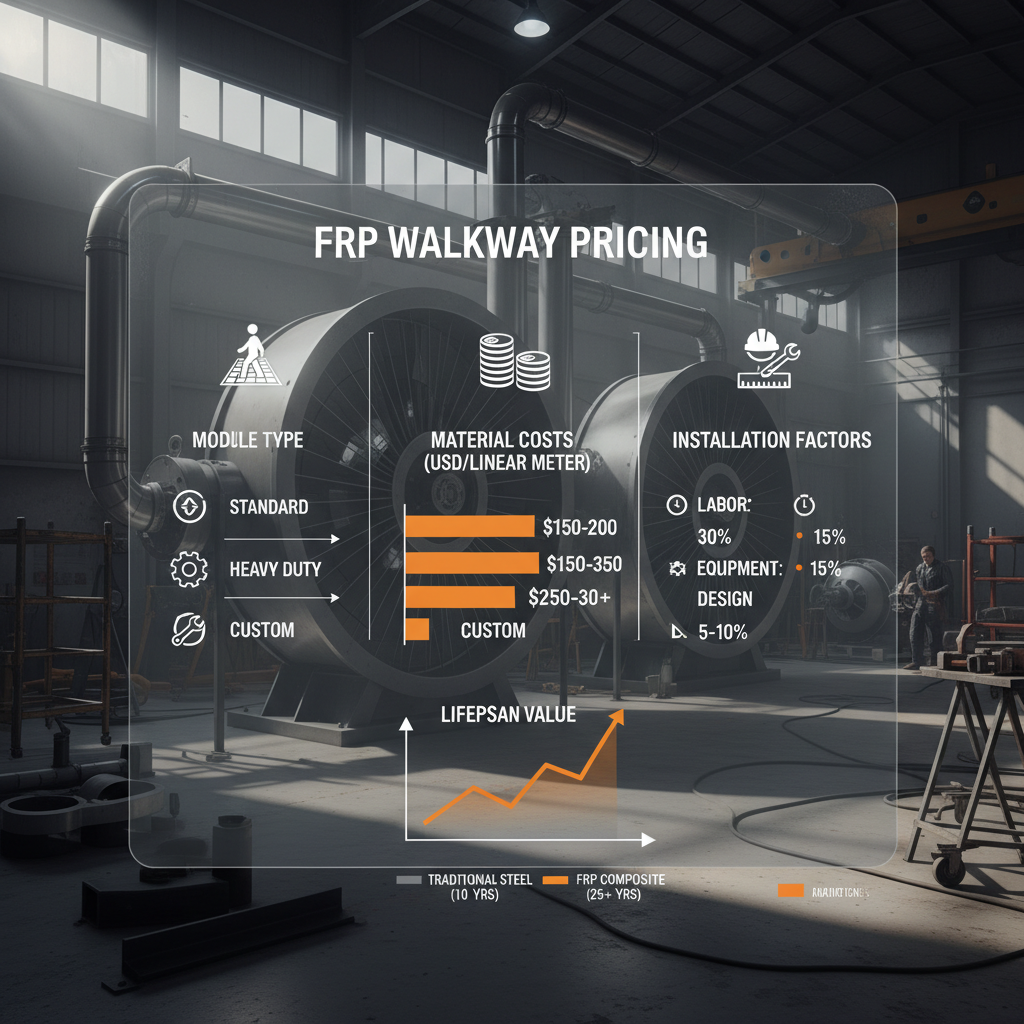
The frp walkway price isn’t a fixed number. Several key components contribute to the final cost. The type of resin used (polyester, vinyl ester, epoxy) significantly impacts price, with epoxy generally being the most expensive due to its superior strength and chemical resistance. The grid surface type (covered, open, pultruded) also affects cost. Dimensions – length, width, and thickness – are crucial. Larger, thicker walkways require more material and therefore cost more. Finally, custom fabrication and installation services add to the overall expense. Understanding these factors allows for better budget planning and a clearer understanding of quotes.
Key Cost Influencers: Resin type, grid surface, dimensions, customization, installation, and transportation.
Resin Types and Their Impact on Price
The resin used in FRP walkways is a major determinant of the frp walkway price. Polyester resin is the most economical option, suitable for general applications. Vinyl ester resin offers better corrosion resistance than polyester and comes at a moderate price point. Epoxy resin, the strongest and most chemically resistant, is the most expensive option. Choosing the right resin depends on the specific application and environmental conditions. For example, walkways in harsh chemical environments will necessitate the higher upfront cost of epoxy for long-term durability and reduced lifecycle costs.
Resin Comparison:
• Polyester: Lowest cost, suitable for general applications.
• Vinyl Ester: Moderate cost, better corrosion resistance.
• Epoxy: Highest cost, superior strength and chemical resistance.
FRP Walkway Price Comparison: Grid Surface Types
Different grid surface types also contribute to varying frp walkway price points. Covered walkways, with a solid surface, are typically more expensive than open grid walkways due to the additional material required. Pultruded gratings, manufactured through a continuous process, generally offer a more cost-effective solution for open grid designs. The choice depends on the desired level of slip resistance, drainage, and light transmission. Consider the intended use and environment when selecting the appropriate grid surface. A covered walkway might be preferable for areas where small objects could fall through an open grid.
Installation Costs & Total Project Budget
Don't overlook installation costs when calculating the total frp walkway price. These can vary significantly depending on the complexity of the project, site accessibility, and labor rates. Factors influencing installation costs include site preparation, cutting and fitting of the walkway panels, fastening, and any necessary structural support. Transportation costs, especially for large or heavy shipments, can also add to the overall expense. Obtaining detailed quotes from qualified installers is crucial for accurate budgeting. HLFRP offers comprehensive installation support.
Obtaining an Accurate FRP Walkway Price Quote
To get an accurate frp walkway price, provide detailed specifications to potential suppliers. This includes dimensions (length, width, thickness), resin type, grid surface type, load requirements, and installation details. Be sure to specify any custom fabrication needs. Request multiple quotes from different suppliers to compare prices and services. Don’t hesitate to ask questions about material certifications and warranty information. A reputable supplier like HLFRP will provide transparent pricing and expert guidance.
Conclusion: Making an Informed Decision
Understanding the factors influencing the frp walkway price empowers you to make an informed purchasing decision. FRP walkways offer long-term value through their durability, corrosion resistance, and minimal maintenance. By carefully considering your specific needs and obtaining detailed quotes, you can secure a cost-effective and reliable solution. Don't compromise on quality – choose a trusted FRP supplier like HLFRP.
Frequently Asked Questions (FAQs)
What is the typical lifespan of an FRP walkway?
An FRP walkway can typically last 20-30 years or even longer, depending on the environment and maintenance. FRP is highly resistant to corrosion, weathering, and UV degradation, contributing to its long lifespan. Regular inspections for any damage or wear are recommended. The resin type used also influences longevity, with epoxy generally providing the longest service life. Proper installation and adherence to load limits are crucial for maximizing the lifespan of the walkway.
How does the price of FRP walkways compare to traditional materials like steel or wood?
While the initial upfront cost of FRP walkways can be higher than traditional materials like steel or wood, the total lifecycle cost is often lower. Steel is susceptible to corrosion, requiring ongoing maintenance and eventual replacement. Wood is prone to rot and decay, also necessitating frequent repairs and replacements. FRP’s minimal maintenance requirements and long lifespan translate to significant cost savings over time. Consider the long-term cost benefits when evaluating materials.
Can FRP walkways be customized to specific dimensions and load requirements?
Yes, FRP walkways are highly customizable. They can be manufactured to specific dimensions, shapes, and load requirements. Suppliers like HLFRP offer custom fabrication services to meet unique project needs. Detailed engineering analysis is typically performed to ensure the walkway can safely support the intended loads. Customization allows for optimal integration into existing infrastructure.
What are the safety considerations when installing FRP walkways?
Proper installation is crucial for ensuring the safety and performance of FRP walkways. Always follow the manufacturer's instructions and adhere to relevant safety standards. Wear appropriate personal protective equipment (PPE), including safety glasses, gloves, and footwear. Ensure the supporting structure is adequate to handle the loads. Use appropriate fasteners and adhesives. Qualified and experienced installers should perform the installation.






Address
20 Xingyuan South Street, Zaoqiang County, Hengshui City, Hebei Province, China


