


We Are Open 24 Hours a Day, 7 Days a Week, Including Weekends and Public Holidays.

Comprehensive Guide to Understanding frp material price and Cost Optimization
Understanding FRP Material Price: A Comprehensive Guide
Fiber Reinforced Polymer (FRP) materials are increasingly popular across numerous industries, from construction and automotive to aerospace and marine. Understanding the factors influencing FRP material price is crucial for making informed purchasing decisions. This article will break down the cost components, explore price variations based on material type and quantity, and provide insights into maximizing value when sourcing FRP. We’ll cover everything from raw materials to manufacturing processes, helping you navigate the complexities of FRP pricing.
Factors Influencing FRP Material Price
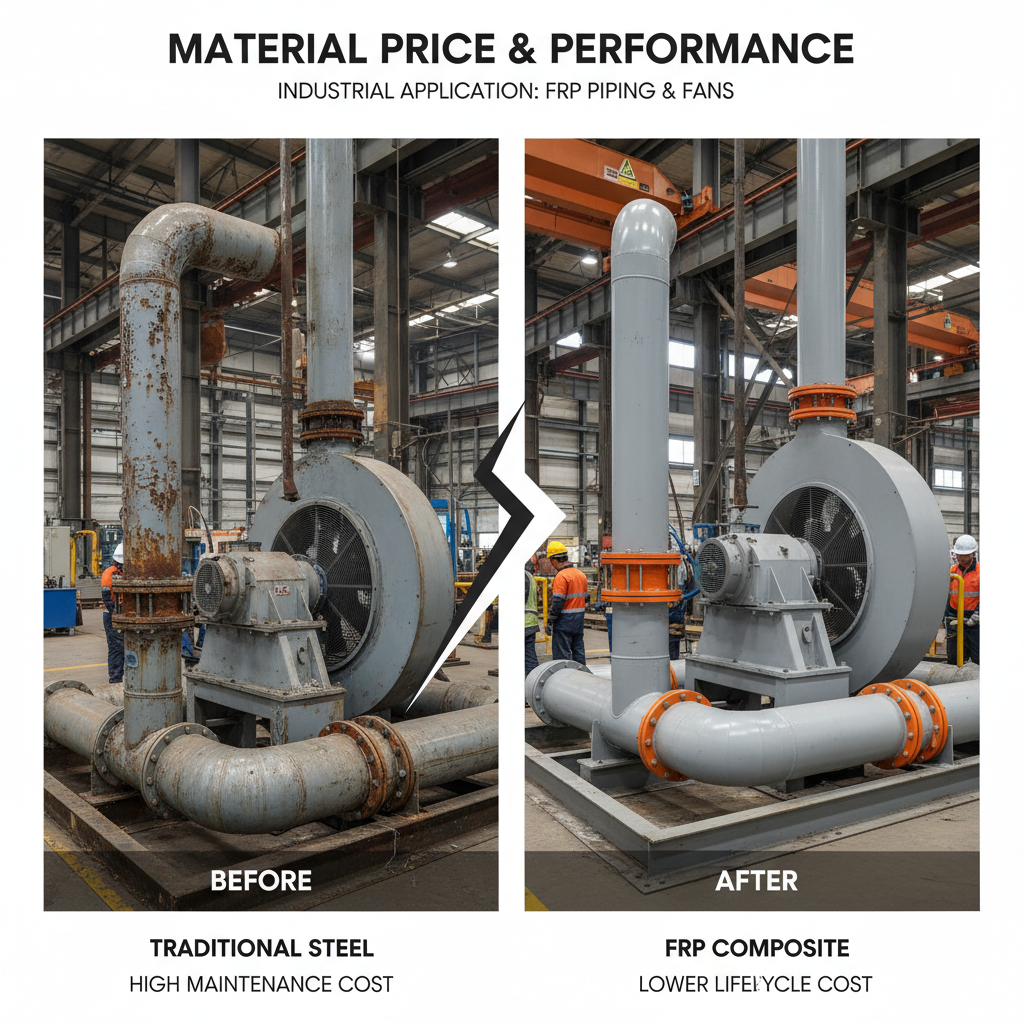
The price of FRP materials isn't fixed; it's a dynamic figure determined by several key factors. The primary cost driver is the type of resin used – polyester, vinyl ester, or epoxy. Epoxy resins generally command the highest price due to their superior mechanical properties and chemical resistance. The reinforcement material, typically fiberglass, carbon fiber, or aramid fiber, also significantly impacts the price. Carbon fiber is the most expensive, followed by aramid, while fiberglass is the most cost-effective. Manufacturing processes, labor costs, and geographical location also play a role. Furthermore, market demand and raw material availability contribute to price fluctuations.
Key Highlights: Raw material costs (resin and fiber), manufacturing complexity, and market conditions significantly affect FRP material prices. Choosing the right combination of materials for your application is key to cost optimization.
A Breakdown of FRP Material Costs
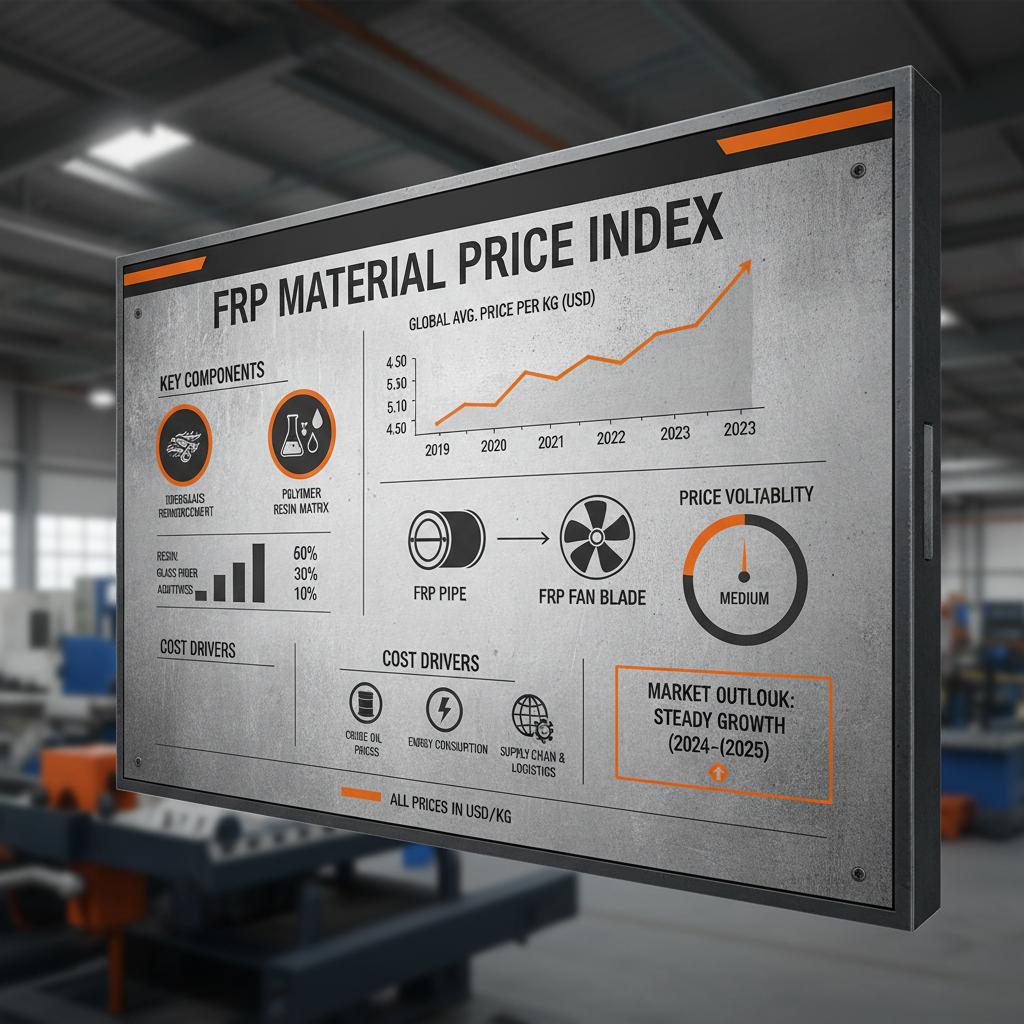
Let's look at a more detailed breakdown of the costs associated with different FRP materials. The following table provides a general price range per kilogram (as of late 2023/early 2024 – prices are subject to change) for common FRP materials. These are approximate values and can vary widely based on supplier, quantity, and specific product specifications.
Comparing FRP Material Prices: A Visual Overview
This chart visually represents the relative cost differences between common FRP materials. It's a helpful tool for quickly comparing price points and selecting a material that balances performance and budget. The data is based on average prices and may vary.
Quantity Discounts and Long-Term Contracts
Purchasing FRP materials in larger quantities often unlocks significant discounts. Suppliers typically offer tiered pricing structures, where the price per unit decreases as the order volume increases. Furthermore, establishing long-term contracts with reputable FRP suppliers can secure more favorable pricing and ensure a consistent supply of materials. Consider consolidating your FRP purchases to leverage bulk discounts and build strong supplier relationships.
Optimizing Value: Material Selection and Design
The most effective way to control FRP material costs is to optimize your material selection and design. Carefully consider the required mechanical properties, chemical resistance, and environmental conditions for your application. Over-specifying materials can lead to unnecessary expense. Work with experienced FRP engineers to design components that minimize material usage without compromising performance. This includes utilizing advanced analysis techniques like finite element analysis (FEA) to optimize structural designs.
Conclusion: Navigating FRP Material Pricing
Understanding the intricacies of FRP material price is vital for successful project execution. By carefully considering the factors outlined in this article – material selection, quantity discounts, and design optimization – you can minimize costs and maximize value. Partnering with a reliable FRP supplier like HL FRP is a crucial step in ensuring quality materials and competitive pricing.
Frequently Asked Questions (FAQs)
What is the impact of raw material supply chain disruptions on FRP prices?
Global supply chain disruptions, like those experienced in recent years, can significantly impact the price of FRP materials. Shortages of key raw materials – resins and fibers – drive up costs. Geopolitical events, natural disasters, and transportation bottlenecks can exacerbate these issues. To mitigate these risks, consider diversifying your supply sources and establishing long-term contracts with suppliers. Proactive communication with your supplier regarding potential disruptions is also crucial.
How does the manufacturing process affect the overall cost of FRP parts?
The manufacturing process contributes significantly to the final cost of FRP parts. Labor-intensive processes, such as hand lay-up, are generally more expensive than automated methods like resin transfer molding (RTM) or pultrusion. Complex geometries and tight tolerances also increase manufacturing costs. Selecting a manufacturing process appropriate for the production volume and part complexity is critical for cost optimization. Discussing your specific requirements with the manufacturer is crucial for obtaining an accurate price quote.
What are the hidden costs associated with using FRP materials?
Beyond the material cost, several hidden costs should be considered. These include tooling costs for complex shapes, surface preparation requirements, finishing operations (painting, coating), and waste disposal fees. Proper training for personnel handling FRP materials is also essential. Factor these costs into your overall budget to avoid unexpected expenses. Consulting with an experienced FRP fabricator can help identify potential hidden costs.
Can you recommend a reliable FRP material supplier?
HL FRP is a leading supplier of high-quality FRP materials, offering a wide range of products and customized solutions. They are known for their competitive pricing, technical expertise, and commitment to customer satisfaction. They can provide guidance on material selection, design optimization, and manufacturing processes to help you achieve your project goals.






Address
20 Xingyuan South Street, Zaoqiang County, Hengshui City, Hebei Province, China


