


We Are Open 24 Hours a Day, 7 Days a Week, Including Weekends and Public Holidays.

Optimizing Cooling Tower Performance with Effective Chemical Treatment
Cooling Tower Chemical Treatment: A Comprehensive Guide
Maintaining the efficiency and longevity of cooling towers requires a robust cooling tower chemical treatment program. Ignoring water chemistry can lead to scale, corrosion, and biological fouling, significantly reducing cooling performance and potentially causing costly downtime. This article provides a detailed overview of cooling tower chemical treatment, covering the key types of treatments, benefits, common issues, and how to choose the right solutions. Understanding these factors is crucial for optimizing your cooling tower's operation and minimizing long-term expenses.
Understanding the Importance of Cooling Tower Chemical Treatment
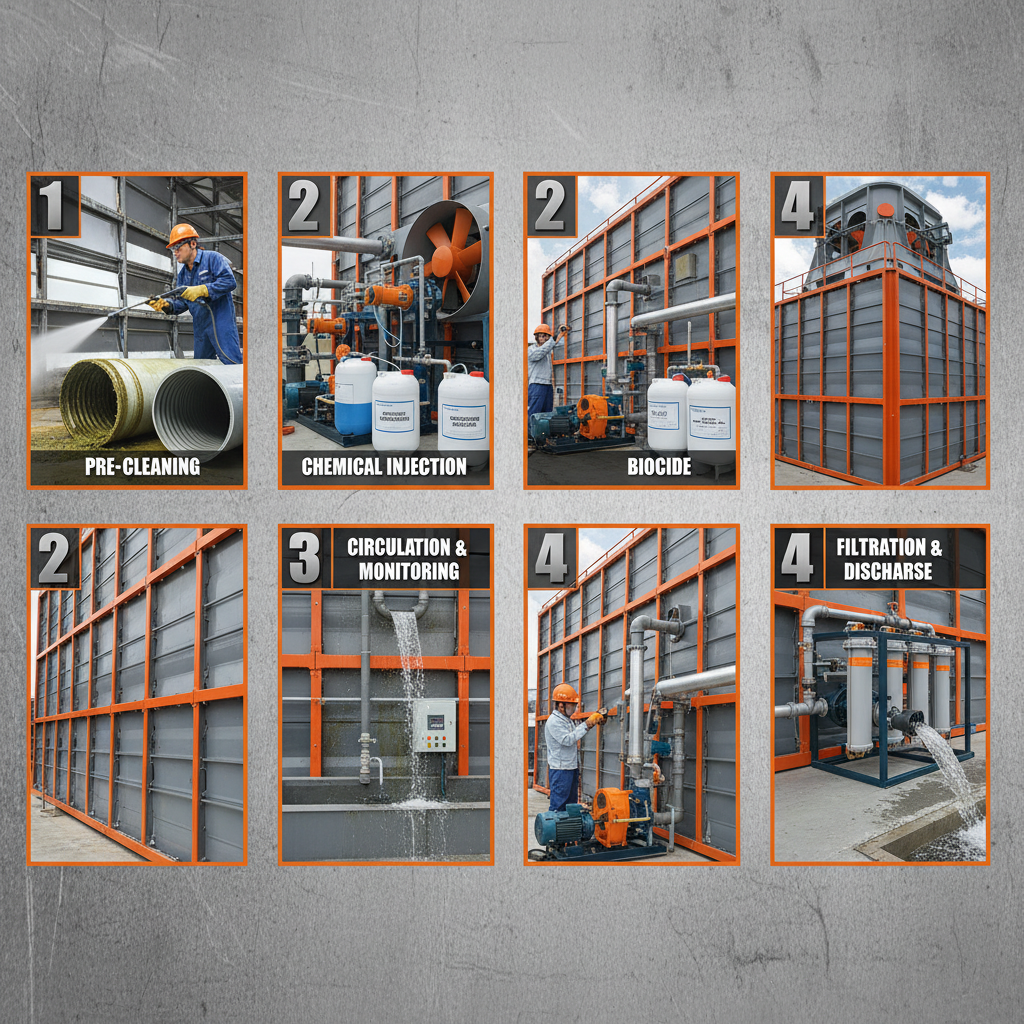
Cooling towers are susceptible to a variety of problems due to the constant circulation of water. These include the formation of scale from dissolved minerals, corrosion of metal components, and the growth of harmful bacteria like Legionella. Effective cooling tower chemical treatment addresses these issues proactively, preventing them from causing significant damage. Regular treatment not only improves cooling efficiency but also extends the lifespan of the tower and reduces the risk of health hazards associated with biological contamination. A well-maintained system translates to lower energy consumption and reduced maintenance costs.
Key Benefits: Increased cooling efficiency, reduced energy costs, extended equipment lifespan, minimized downtime, improved water quality, and prevention of Legionella growth.
Types of Cooling Tower Chemical Treatment
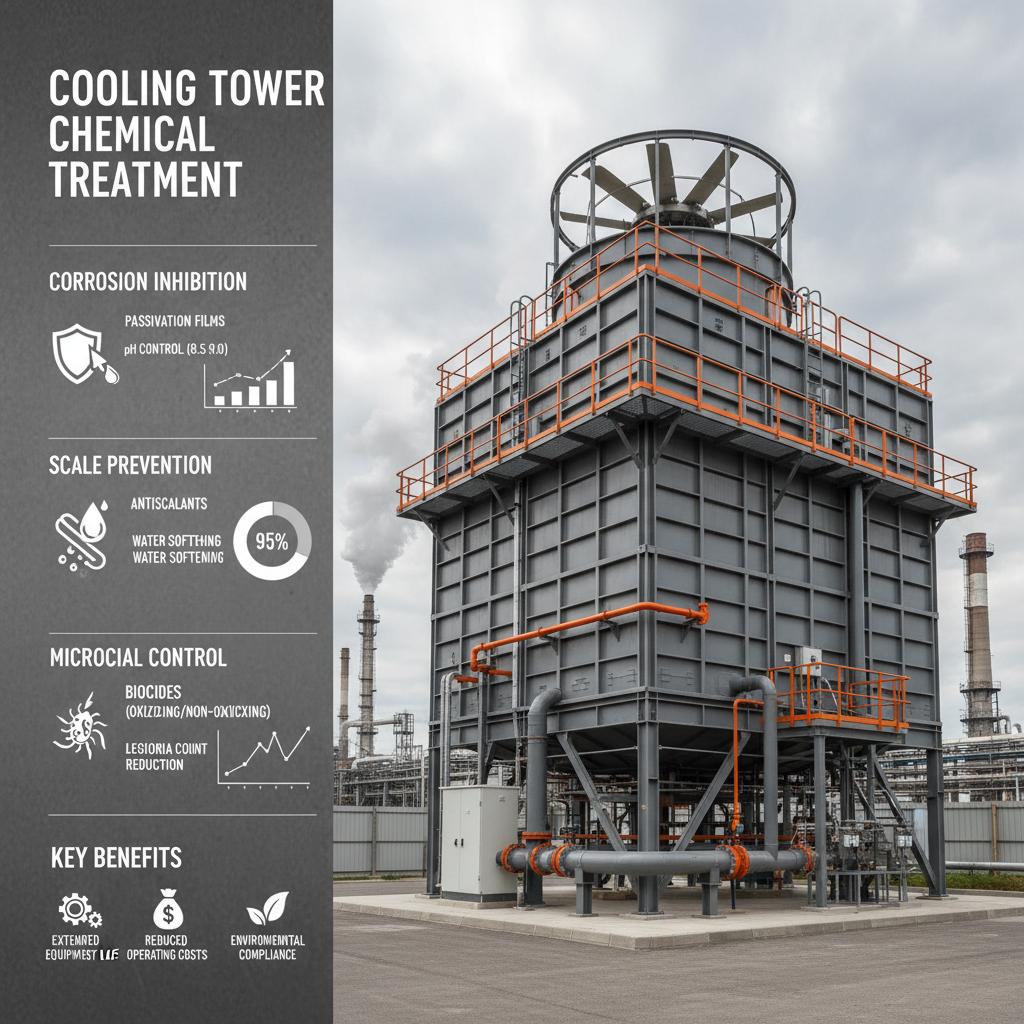
Several different chemical treatments are used to maintain cooling tower water quality. These generally fall into the following categories: Scale Inhibitors: Prevent the formation of mineral deposits. Corrosion Inhibitors: Protect metal surfaces from corrosion. Biocides: Control the growth of bacteria, algae, and fungi. Dispersants: Help to keep dirt and debris suspended in the water, preventing deposition. The specific combination of chemicals used will depend on the water chemistry, operating conditions, and the materials of construction of the cooling tower. A comprehensive treatment program often utilizes a blend of these chemicals for optimal results.
Common Chemical Treatments:
• Scale Inhibitors (Phosphonates, Polymers)
• Corrosion Inhibitors (Zinc, Molybdates, Azoles)
• Biocides (Oxidizing & Non-Oxidizing)
• Dispersants (Polymers)
Comparing Oxidizing and Non-Oxidizing Biocides
Biocides are a critical component of cooling tower chemical treatment, controlling the growth of harmful microorganisms. Two main categories exist: oxidizing and non-oxidizing biocides. Oxidizing biocides, like chlorine and bromine, work by releasing oxygen to kill bacteria. Non-oxidizing biocides, such as isothiazolinones and quaternary ammonium compounds, disrupt bacterial cell walls. Each type has its advantages and disadvantages, and the choice depends on the specific system and water chemistry. Oxidizing biocides are often more effective at killing a broad spectrum of bacteria, while non-oxidizing biocides are generally less corrosive.
Common Issues and Troubleshooting
Even with a well-designed cooling tower chemical treatment program, issues can still arise. Common problems include unexpected increases in microbial counts, scale formation despite inhibitor use, and corrosion hotspots. Troubleshooting these issues requires a systematic approach, including regular water analysis, visual inspection of the tower, and careful review of the treatment program. Adjustments to chemical dosages, changes in biocide rotation, or modifications to the system's operating parameters may be necessary.
Choosing the Right Cooling Tower Chemical Treatment Provider
Selecting a reputable and experienced cooling tower chemical treatment provider is essential. Look for a company that offers comprehensive water analysis, customized treatment programs, regular monitoring and reporting, and prompt response to any issues. They should also have a strong understanding of local regulations and be committed to sustainable practices. HLFRP offers tailored solutions and expert support to optimize your cooling tower’s performance and ensure long-term reliability.
Conclusion: Proactive Treatment for Optimal Performance
Investing in a proactive cooling tower chemical treatment program is crucial for maintaining efficiency, extending equipment life, and ensuring a safe operating environment. By understanding the different types of treatments available and partnering with a knowledgeable provider like HLFRP, you can optimize your cooling tower’s performance and minimize long-term costs. Don't wait for problems to arise – implement a preventative strategy today.
Frequently Asked Questions (FAQs)
How often should I test my cooling tower water?
The frequency of water testing depends on the system’s operating conditions and the severity of potential problems. As a general guideline, testing should be conducted at least monthly, and more frequently (weekly or even daily) during periods of high demand or when changes are made to the treatment program. Key parameters to monitor include pH, conductivity, total dissolved solids (TDS), calcium hardness, alkalinity, and microbial counts. Regular testing allows for early detection of issues and timely adjustments to the treatment program, preventing significant problems.
What is Legionella, and why is it a concern in cooling towers?
Legionella is a type of bacteria that can cause Legionnaires' disease, a severe form of pneumonia. Cooling towers provide an ideal environment for Legionella growth due to the warm water and biofilm formation. The bacteria can become airborne through water droplets and aerosols, posing a health risk to anyone who inhales them. Regular disinfection with appropriate biocides, along with proper maintenance and cleaning of the cooling tower, is essential to control Legionella growth and prevent outbreaks.
How can I tell if my cooling tower is scaling?
Signs of scaling in a cooling tower include reduced cooling efficiency, increased pressure drop, and visible deposits on heat transfer surfaces. You may notice white, chalky deposits forming on the fill material, tubes, and other components. Regular water analysis can also reveal high levels of calcium and magnesium, indicating a tendency for scaling. Implementing a scale inhibitor program is crucial to prevent scale formation and maintain optimal cooling performance.




Address
20 Xingyuan South Street, Zaoqiang County, Hengshui City, Hebei Province, China


