


We Are Open 24 Hours a Day, 7 Days a Week, Including Weekends and Public Holidays.


Why More Projects Are Switching to FRP Cable Tray Systems
In modern construction and industrial infrastructure, cable management is no longer just about organizing wires—it’s about safety, durability, and long-term cost efficiency. As projects become more complex and environments more demanding, traditional materials like steel and aluminum are increasingly being replaced by FRP (Fiber Reinforced Plastic) solutions. Among these, FRP cable tray systems are rapidly gaining popularity across industries such as power generation, oil & gas, wastewater treatment, and commercial construction.
So why are more projects switching to FRP cable trays? Let’s explore the key reasons behind this growing trend.
What Are FRP Cable Tray Systems and How Do They Work?
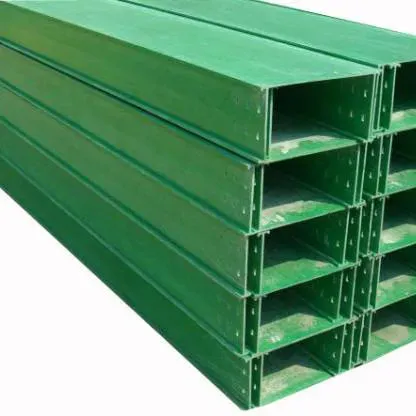
FRP cable tray systems are structural cable management solutions made from a composite of resin and fiberglass reinforcement. This combination creates a lightweight yet highly durable material that outperforms traditional metal trays in several critical aspects.
Unlike steel trays that rely on coatings for protection, FRP cable trays are inherently resistant to corrosion and environmental damage. They are manufactured through processes like pultrusion or molding, ensuring consistent quality and structural strength.
These systems are designed to support insulated electrical cables used for power distribution, control, and communication. With modular components such as straight sections, bends, tees, and covers, FRP trays can be customized to fit complex routing requirements in both indoor and outdoor environments.
Superior Corrosion Resistance in Harsh Environments
One of the primary reasons projects are shifting to FRP cable tray systems is their exceptional resistance to corrosion. In industries like chemical processing, marine engineering, and wastewater treatment, cable trays are often exposed to moisture, salts, acids, and other aggressive substances.
Traditional metal trays, even when galvanized or coated, eventually degrade under such conditions. This leads to rust, structural weakening, and increased maintenance costs. In contrast, FRP cable trays are non-metallic and chemically inert, making them ideal for highly corrosive environments.
This durability significantly extends the service life of the cable tray system, reducing the need for frequent replacements and ensuring uninterrupted operation.
Lightweight Design for Easier Installation
Another major advantage of FRP cable tray systems is their lightweight nature. Compared to steel, FRP materials can be up to 70% lighter, which brings several practical benefits during installation.
First, lighter trays are easier to transport and handle on-site, reducing labor intensity and installation time. Second, they require less structural support, which can lower the overall cost of the project. This is particularly beneficial for large-scale installations or projects with complex layouts.
Additionally, the ease of cutting and drilling FRP materials allows for quick modifications without the need for specialized equipment, making on-site adjustments more efficient.
Electrical Insulation and Enhanced Safety
Safety is a top priority in any electrical infrastructure, and FRP cable trays offer a significant advantage in this area. Unlike metal trays, FRP is non-conductive, meaning it does not carry electrical current.
This inherent insulation property reduces the risk of electrical shock, short circuits, and electromagnetic interference. It is especially valuable in environments where sensitive equipment is used or where grounding issues may arise.
Furthermore, FRP cable trays are often manufactured with fire-retardant resins, enhancing their performance in case of fire and contributing to overall system safety.
Long-Term Cost Savings and Low Maintenance
While the initial cost of FRP cable tray systems may be slightly higher than traditional options, they offer substantial long-term savings. Their resistance to corrosion, UV radiation, and chemical exposure means they require minimal maintenance over their lifespan.
There is no need for repainting, galvanizing, or frequent inspections for rust damage. This reduces both maintenance costs and downtime, making FRP systems a cost-effective choice over time.
Moreover, their durability ensures fewer replacements, which is particularly important in critical infrastructure where system failure can lead to significant operational losses.
Versatility Across Multiple Industries
FRP cable tray systems are not limited to a single application—they are used across a wide range of industries due to their adaptability and performance.
In power plants, they support heavy-duty cable loads while resisting heat and environmental stress. In offshore platforms, they withstand saltwater corrosion and harsh weather conditions. In wastewater treatment facilities, they endure constant exposure to moisture and chemicals.
Even in commercial buildings, FRP trays are increasingly being used for their aesthetic appeal, lightweight structure, and safety features. Their versatility makes them a preferred choice for engineers and project managers looking for reliable cable management solutions.
Sustainability and Environmental Benefits
As sustainability becomes a key consideration in modern construction, FRP cable tray systems offer several environmental advantages. Their long lifespan reduces material waste, while their resistance to degradation minimizes the need for replacement materials.
Additionally, many FRP products are manufactured using environmentally friendly processes and can be designed to meet green building standards. Their lightweight nature also contributes to lower transportation emissions, further reducing their environmental impact.
For projects aiming to achieve sustainability certifications or reduce their carbon footprint, FRP cable trays are an increasingly attractive option.
Conclusion: The Future of Cable Management Is FRP
The shift toward FRP cable tray systems is not just a trend—it’s a response to the evolving demands of modern infrastructure. With their superior corrosion resistance, lightweight design, safety benefits, and long-term cost efficiency, FRP solutions are redefining how projects approach cable management.
As industries continue to prioritize durability, safety, and sustainability, FRP cable trays are poised to become the standard choice for a wide range of applications. For project planners and engineers looking to future-proof their systems, making the switch to FRP is a smart and strategic decision.






Address
20 Xingyuan South Street, Zaoqiang County, Hengshui City, Hebei Province, China


