


We Are Open 24 Hours a Day, 7 Days a Week, Including Weekends and Public Holidays.

Comprehensive Guide to FRP Construction Material and Its Diverse Applications
Understanding FRP Construction Material: A Comprehensive Guide
Fiber Reinforced Polymer (FRP) construction materials are revolutionizing the building and infrastructure industries. Known for their exceptional strength-to-weight ratio, corrosion resistance, and design flexibility, FRPs offer sustainable and long-lasting solutions for a wide range of applications. This article delves into the world of FRP construction materials, exploring their properties, benefits, applications, and future trends. We’ll cover everything from the different types of FRP to their advantages over traditional materials.
What is FRP Construction Material?
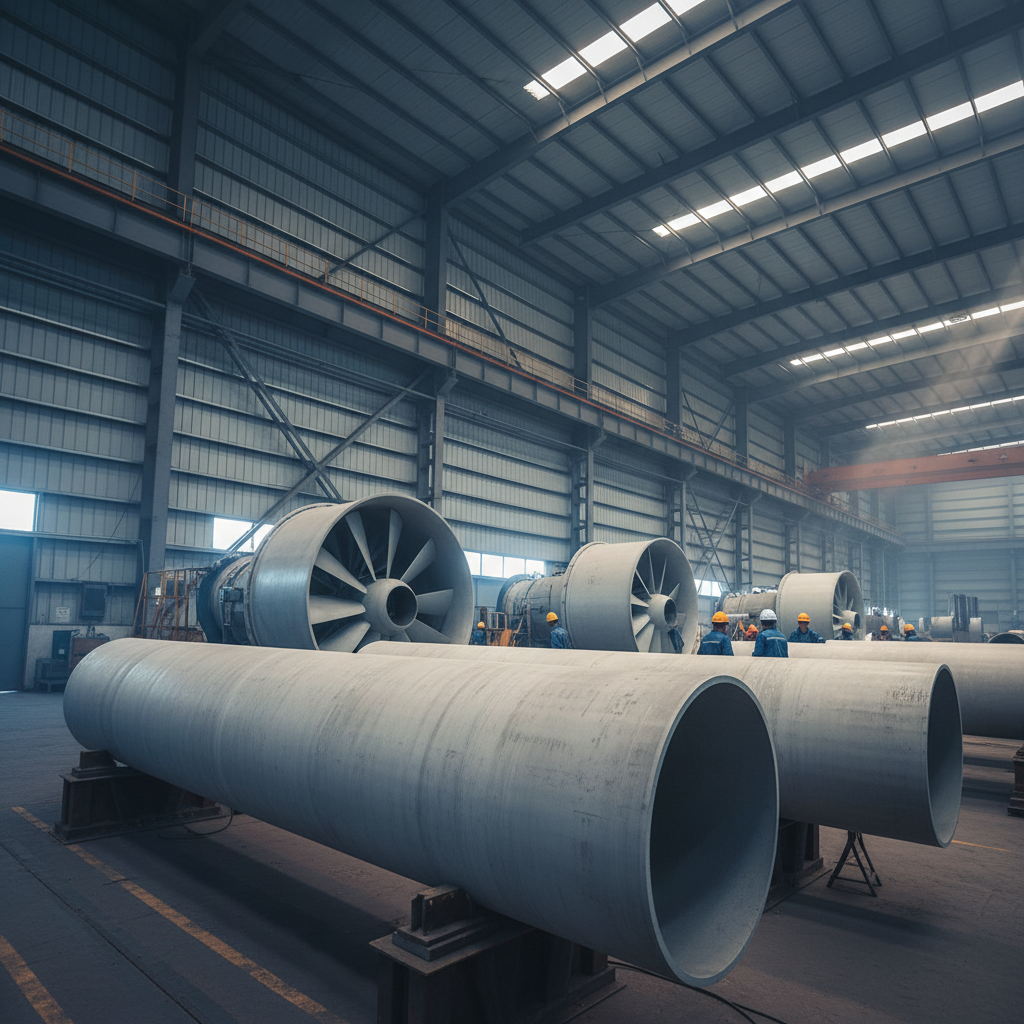
FRP construction materials are composite materials made by combining a polymer matrix (like epoxy, vinyl ester, or polyester) with reinforcing fibers (such as glass, carbon, or aramid). This combination creates a material that is stronger, lighter, and more durable than many traditional building materials like steel, concrete, and wood. The polymer matrix binds the fibers together, distributing the load and protecting them from environmental damage. The type of fiber and polymer used dictates the specific properties of the FRP material, allowing for customization based on the application. HLFRP specializes in manufacturing high-quality FRP materials tailored to diverse construction needs.
Key Highlights: FRPs are composite materials offering strength, lightness, durability, and customization options through varying fiber and polymer combinations.
Types of Fibers Used in FRP Construction
The reinforcing fibers play a crucial role in determining the mechanical properties of FRP materials. Here's a breakdown of common fiber types:
Key Benefits of Using FRP in Construction
FRP construction materials offer a compelling alternative to traditional materials. Their advantages include:
- High Strength-to-Weight Ratio: FRPs are incredibly strong for their weight, reducing structural loads and enabling innovative designs.
- Corrosion Resistance: Unlike steel, FRPs do not corrode, making them ideal for harsh environments like marine structures or chemical plants.
- Durability: FRPs have a long lifespan, requiring minimal maintenance and reducing life-cycle costs.
- Design Flexibility: FRPs can be molded into complex shapes, allowing for greater architectural freedom.
- Non-Conductivity: FRPs are electrically non-conductive, providing safety benefits in certain applications.
FRP Advantages:
• High Strength-to-Weight Ratio
• Exceptional Corrosion Resistance
• Long-Term Durability & Reduced Maintenance
• Versatile Design Capabilities
Applications of FRP Construction Material
The versatility of FRP allows for a diverse range of applications, including:
- Bridges and Infrastructure: FRP rebar and structural profiles enhance bridge durability and reduce maintenance.
- Buildings: FRP panels, beams, and columns offer lightweight and corrosion-resistant building components.
- Marine Structures: FRP pilings, docks, and boat hulls resist saltwater corrosion.
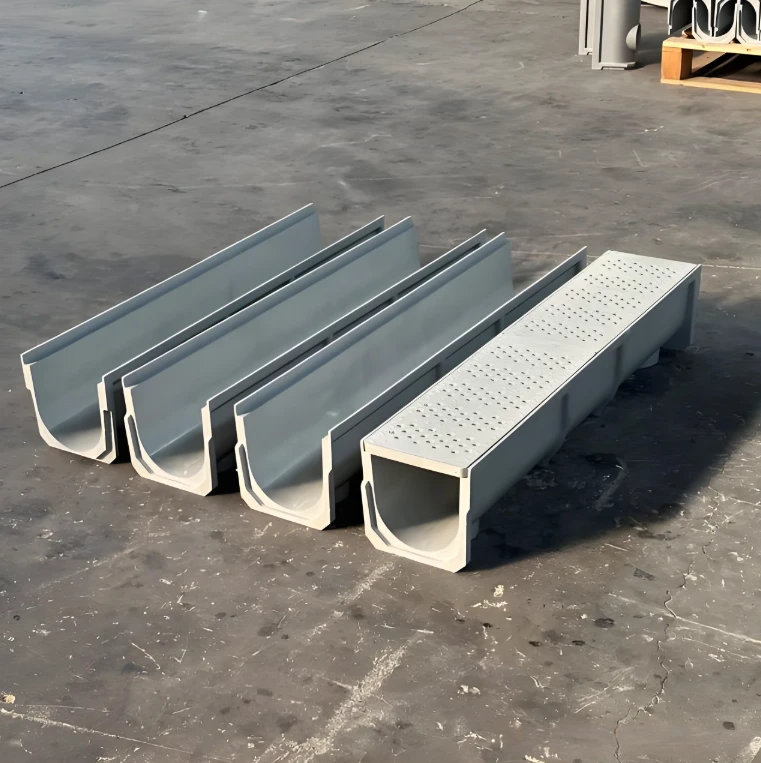
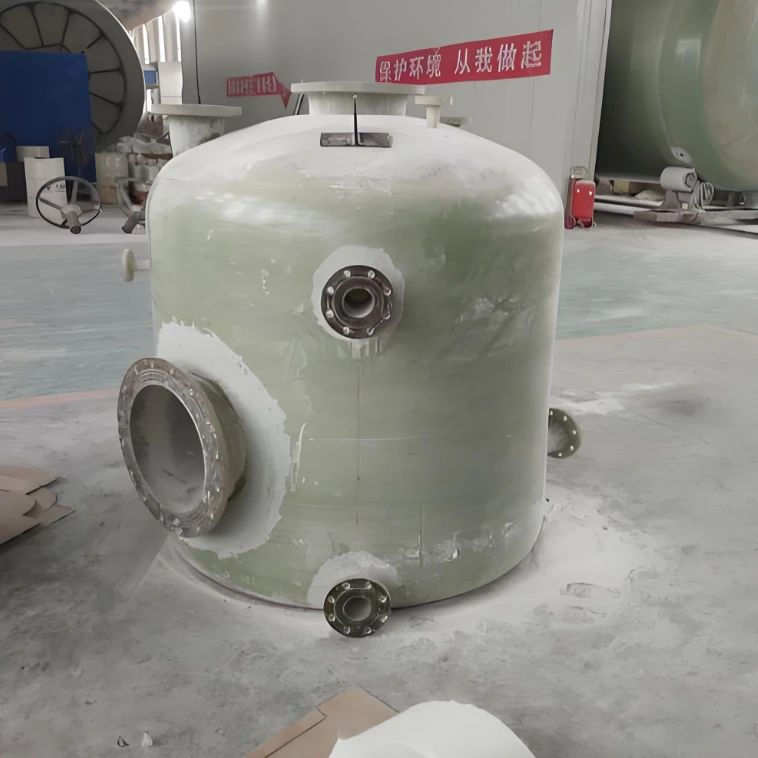
- Chemical Processing Plants: FRP tanks, pipes, and grating withstand harsh chemical environments.
- Reinforcement of Existing Structures: FRP wraps and plates strengthen concrete and steel structures.
FRP vs. Traditional Materials: A Comparative Analysis
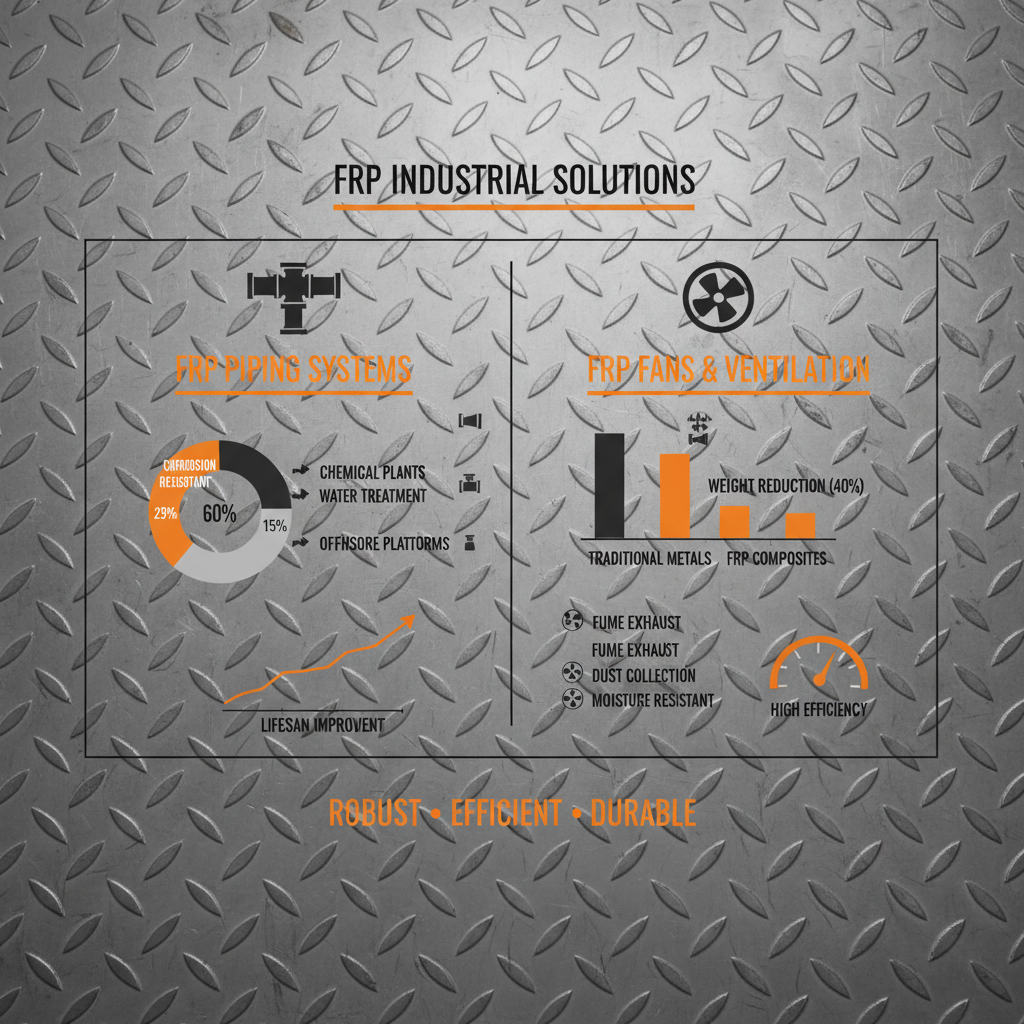
Compared to traditional construction materials, FRP offers significant advantages. The following table summarizes the key differences:
Conclusion: The Future is FRP
FRP construction materials are transforming the building and infrastructure landscape. Their unique properties offer significant advantages over traditional materials, leading to more durable, sustainable, and cost-effective solutions. As technology advances and demand grows, FRP is poised to play an even greater role in the future of construction. HLFRP is at the forefront of this innovation, delivering high-quality FRP products and expert guidance to our clients.
Frequently Asked Questions (FAQs)
What is the typical lifespan of FRP materials in construction?
The lifespan of FRP materials is exceptionally long, often exceeding 50-100 years, significantly longer than many traditional materials. This is due to their inherent corrosion resistance and resistance to degradation. However, lifespan can vary depending on the specific application, environmental conditions, and quality of the materials used. Proper installation and maintenance are crucial to maximizing the lifespan.
Are FRP materials environmentally friendly?
Yes, FRP materials offer several environmental benefits. Their lightweight nature reduces transportation costs and energy consumption. Their durability minimizes the need for repairs and replacements, reducing waste. Furthermore, some FRP manufacturing processes are becoming increasingly sustainable, utilizing recycled materials and reducing emissions.
What are the cost considerations when using FRP materials?
While the initial material cost of FRP can sometimes be higher than traditional materials, the long-term cost savings often outweigh the upfront investment. Reduced maintenance, extended lifespan, and lower labor costs contribute to a lower life-cycle cost. Furthermore, the speed of installation with FRP can significantly reduce project timelines and overall costs. Contact HLFRP for a detailed cost analysis for your project.
What types of projects are best suited for FRP construction materials?
FRP materials excel in projects requiring high strength, durability, and corrosion resistance. This includes infrastructure projects like bridges and tunnels, marine structures such as docks and piers, chemical processing plants, and buildings in harsh environments. FRP is also ideal for reinforcing existing concrete structures to extend their lifespan and improve their load-carrying capacity.





Address
20 Xingyuan South Street, Zaoqiang County, Hengshui City, Hebei Province, China


