


We Are Open 24 Hours a Day, 7 Days a Week, Including Weekends and Public Holidays.

Comprehensive Guide to Cooling Towers Types Applications and Maintenance
Understanding Cooling Towers: A Comprehensive Guide
Cooling towers are essential components in many industrial processes, playing a crucial role in heat rejection and overall system efficiency. They are used across a diverse range of industries, including power generation, HVAC, and chemical processing. This article provides an in-depth exploration of cooling towers, covering their types, working principles, applications, and maintenance. Efficient cooling is paramount for optimal performance and cost-effectiveness, making the selection and upkeep of cooling towers a vital consideration for any industrial facility.
Types of Cooling Towers
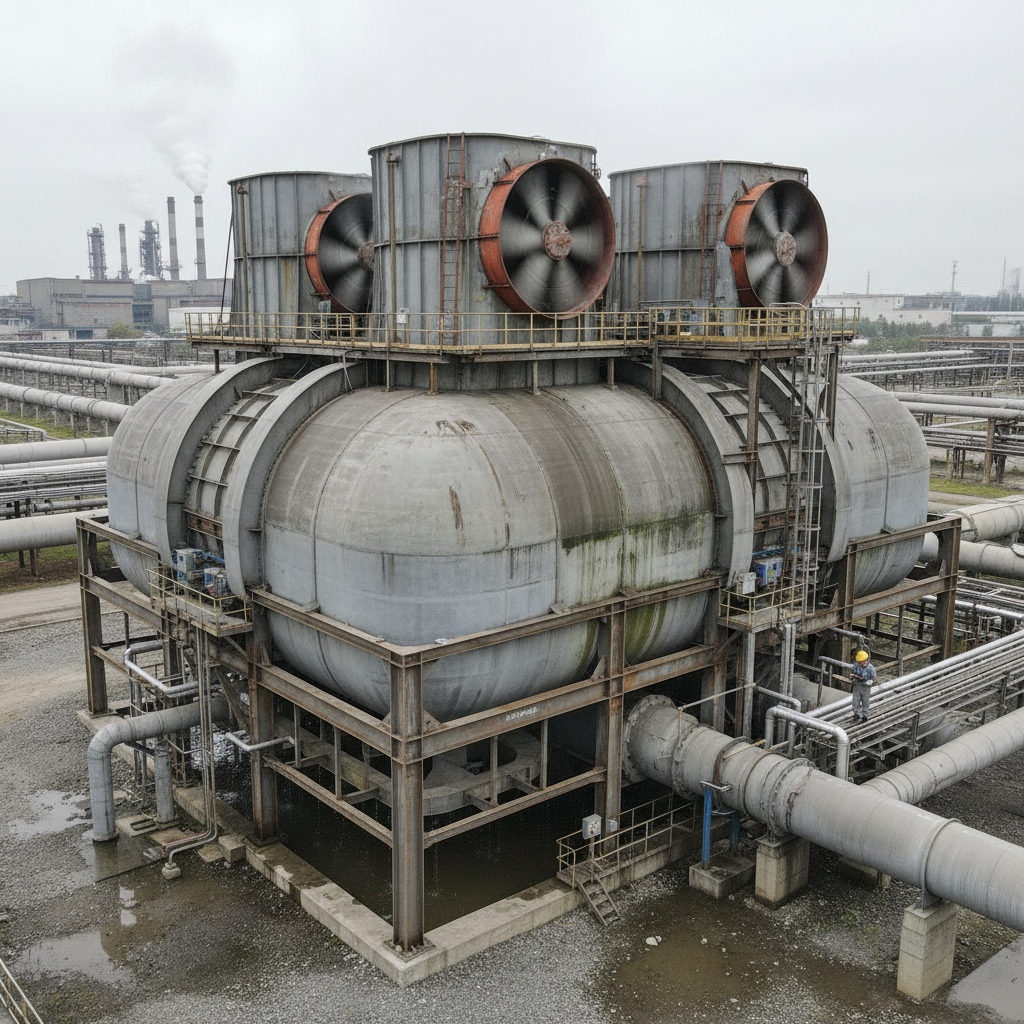
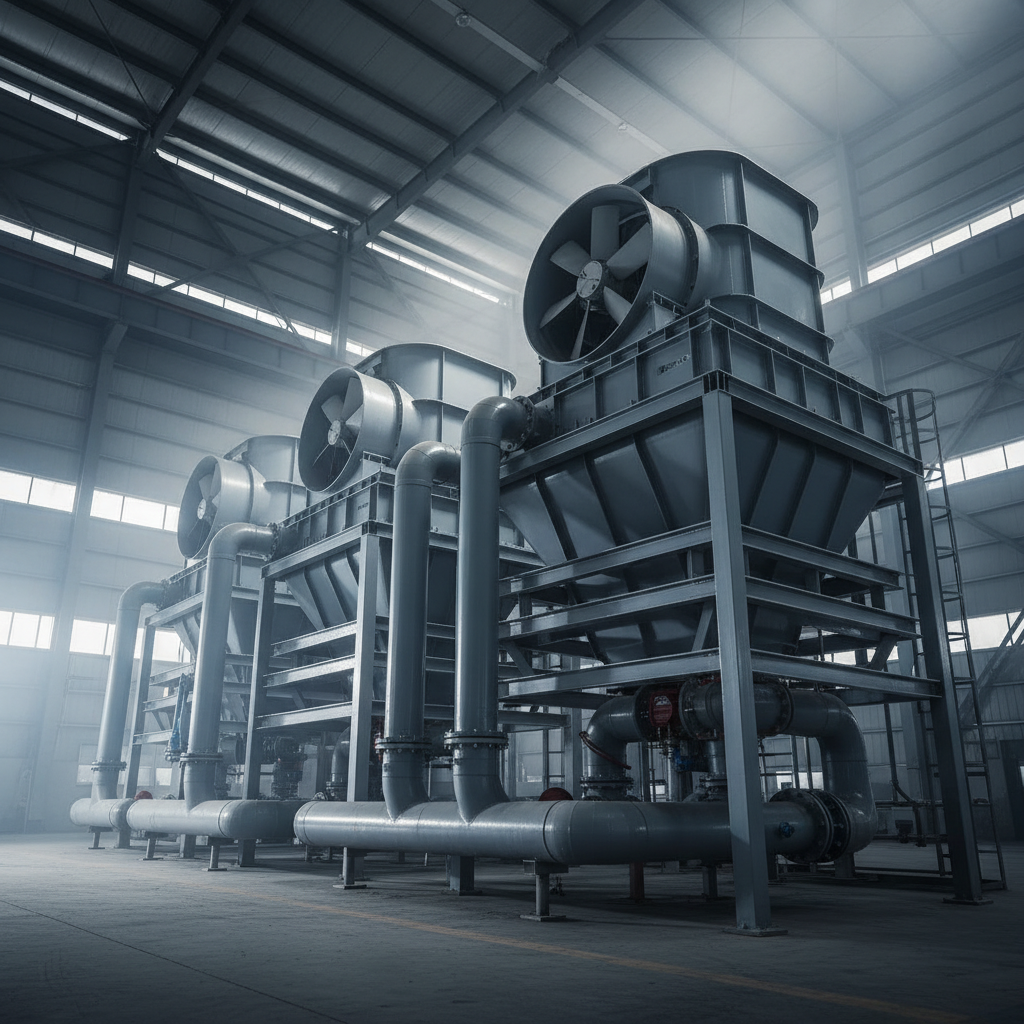
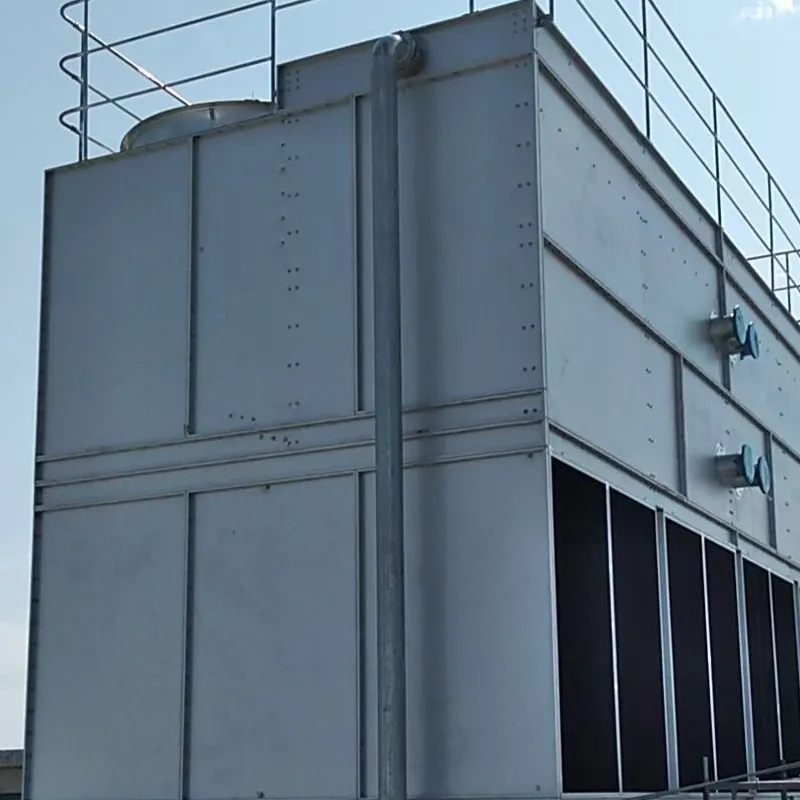
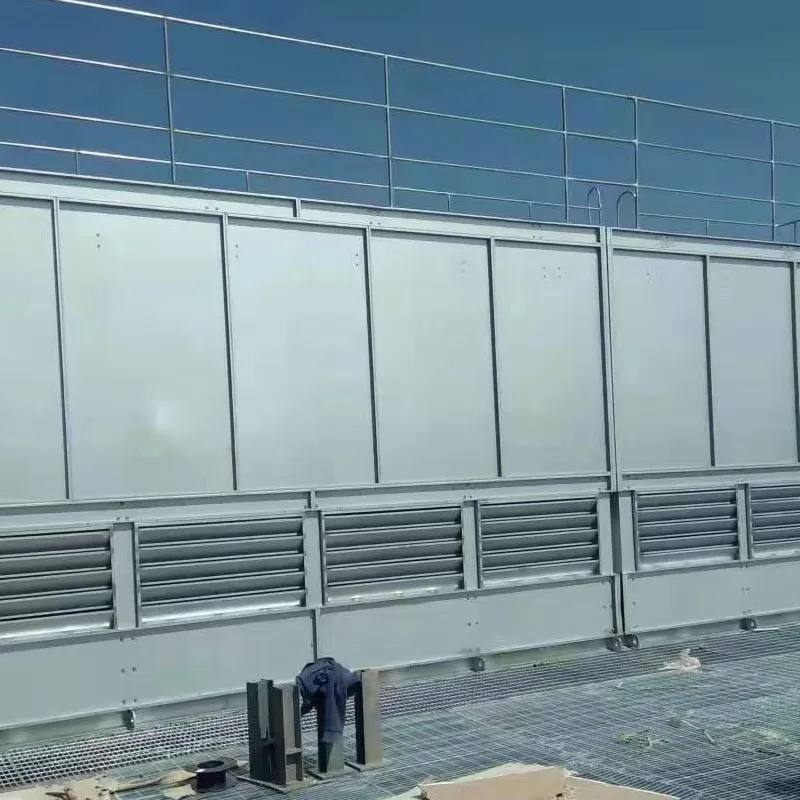
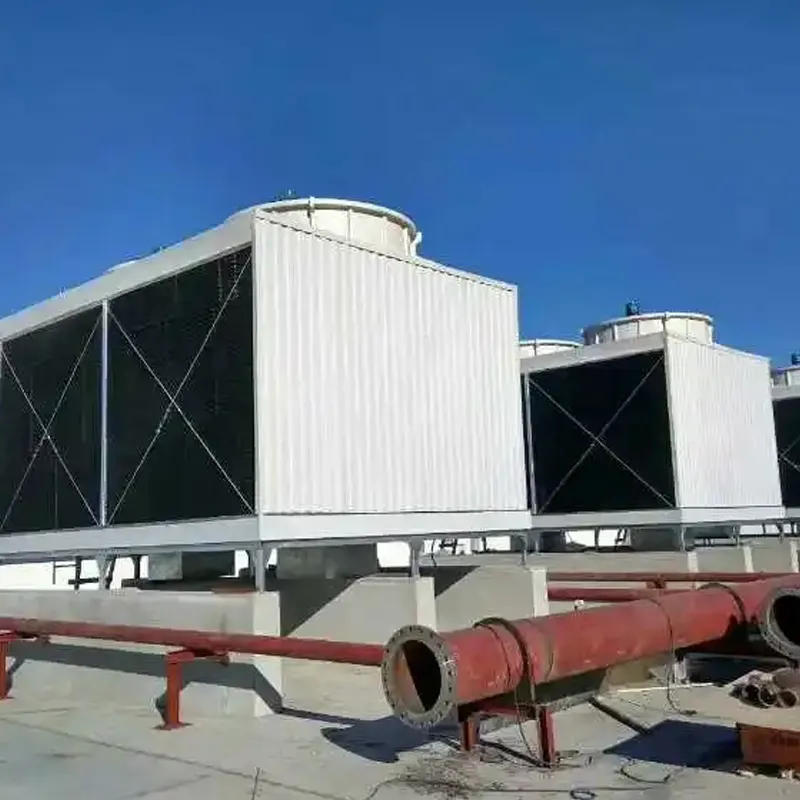
Cooling towers come in various designs, each suited to specific applications and cooling requirements. The two main categories are open and closed-circuit cooling towers. Open-circuit towers, also known as wet cooling towers, directly expose the water to the atmosphere for cooling. Closed-circuit towers, conversely, circulate water through tubes and cool it via air or spray water, minimizing water loss and contamination. Within these categories, further distinctions exist, including natural draft, induced draft, and forced draft towers. Choosing the right type depends on factors like water availability, environmental regulations, and the specific cooling needs of the process.
Key Considerations: Understanding the different types of cooling towers and their operational characteristics is crucial for maximizing efficiency and minimizing operational costs.
How Cooling Towers Work: The Evaporative Cooling Process
The primary mechanism behind most cooling towers is evaporative cooling. Warm water is distributed within the tower, maximizing its surface area through nozzles or distributors. As air flows across this water, a portion evaporates. This evaporation process absorbs heat from the remaining water, lowering its temperature. The rate of evaporation, and therefore the cooling effect, is influenced by factors such as air temperature, humidity, and water flow rate. Efficient air distribution and proper water atomization are vital for achieving optimal cooling performance. At HLFRP, we engineer towers to maximize these principles.
Evaporative Cooling Benefits:
• High cooling efficiency
• Relatively low energy consumption
• Cost-effective solution for large heat loads
• Environmentally friendly
Cooling Tower Applications: A Diverse Range of Industries
Cooling towers are utilized in a wide array of industrial applications. Power plants rely on them to dissipate waste heat from steam condensers. HVAC systems use cooling towers to cool water used for air conditioning. The chemical industry employs cooling towers to regulate temperatures in various processes. Refineries, food processing plants, and manufacturing facilities also benefit from the efficient heat rejection provided by cooling towers. The versatility of cooling towers makes them an indispensable part of many industrial operations.
Cooling Tower Maintenance: Ensuring Optimal Performance
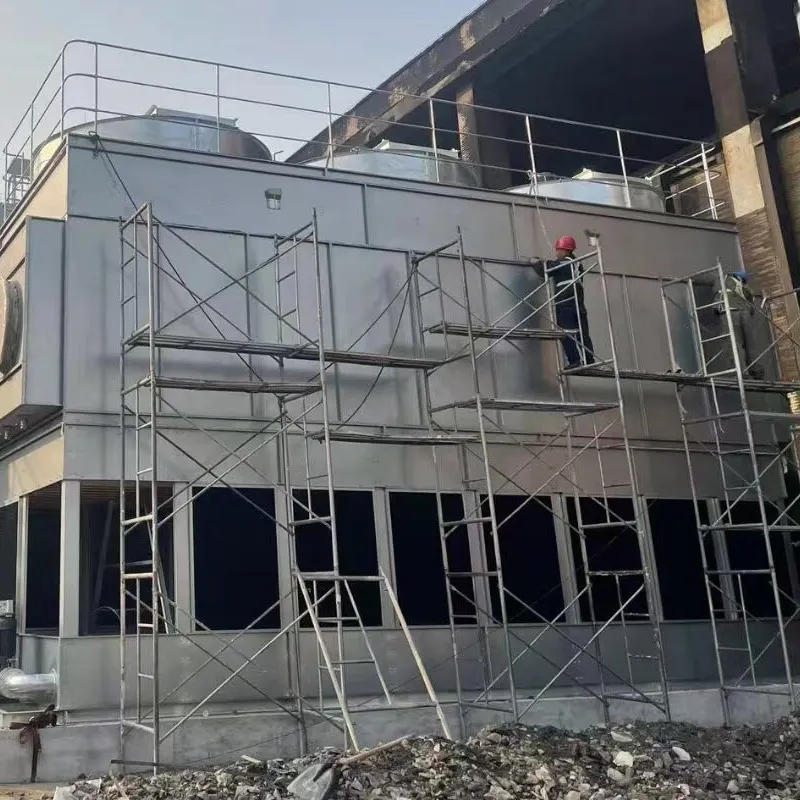
Regular maintenance is critical for ensuring the longevity and efficiency of cooling towers. This includes routine inspections for structural damage, cleaning to prevent fouling and scaling, and water treatment to control microbial growth and corrosion. Monitoring water quality parameters like pH, conductivity, and total dissolved solids is essential. Proper maintenance minimizes energy consumption, reduces downtime, and extends the life of the equipment. At HLFRP, we offer comprehensive maintenance services.
Choosing the Right Cooling Tower: Key Factors to Consider
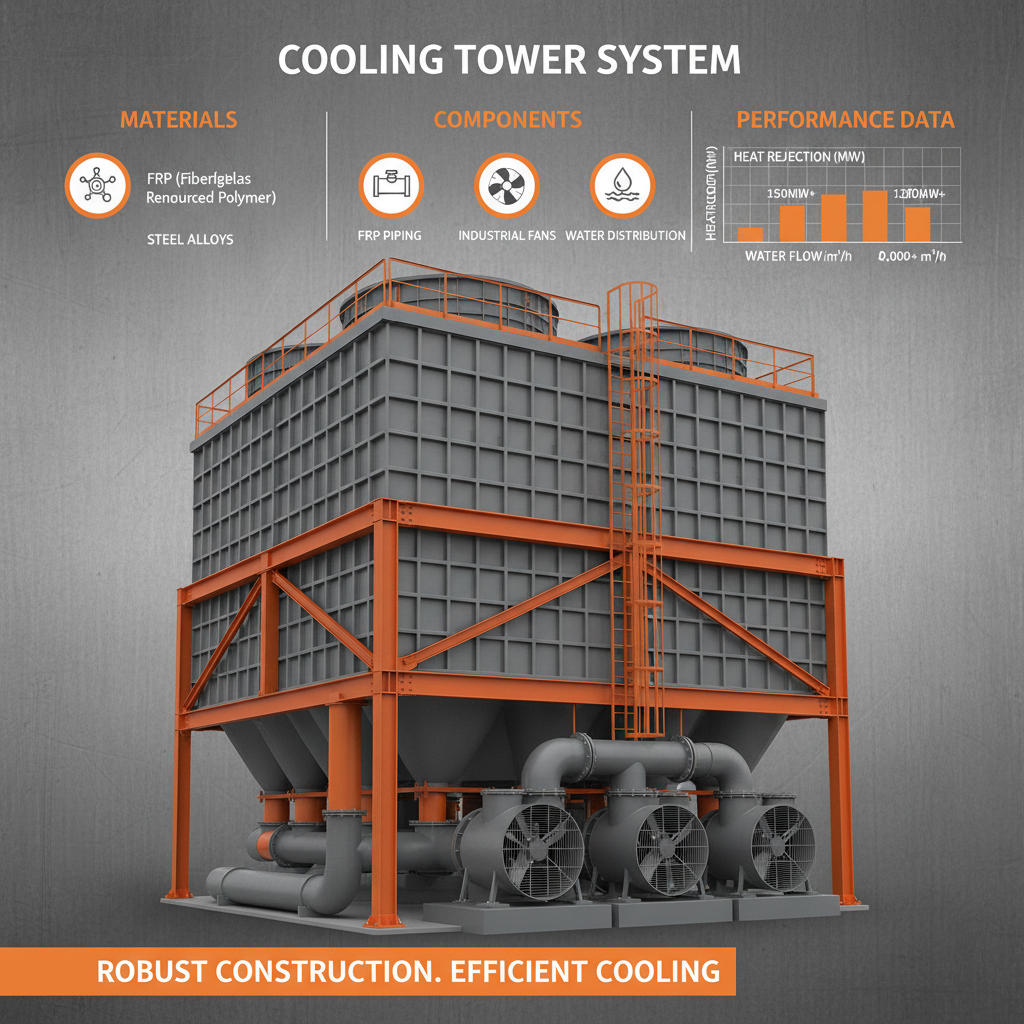
Selecting the appropriate cooling tower requires careful consideration of several factors. The heat load, available water supply, space limitations, environmental regulations, and budget are all important considerations. Proper sizing is crucial for efficient operation. It’s also essential to consider the long-term costs of operation, including energy consumption, water usage, and maintenance. Working with an experienced cooling tower supplier can ensure you select the optimal solution for your specific needs.
Conclusion: Optimizing Your Cooling System with Expert Solutions
Choosing and maintaining a cooling tower is a complex undertaking. HLFRP offers a wide range of cooling tower solutions, tailored to meet the unique needs of each client. From initial design and installation to ongoing maintenance and support, we provide comprehensive services to ensure your cooling system operates efficiently and reliably. Contact us today to learn how we can help optimize your cooling processes.
Frequently Asked Questions (FAQs)
What is the typical lifespan of a cooling tower?
The lifespan of a cooling tower typically ranges from 15 to 30 years, depending on factors such as material of construction, water quality, maintenance practices, and environmental conditions. Fiber Reinforced Polymer (FRP) cooling towers, like those offered by HLFRP, generally have a longer lifespan compared to wooden or steel towers due to their corrosion resistance. Regular inspections, cleaning, and preventative maintenance are crucial for maximizing the lifespan of any cooling tower. Proper water treatment programs also play a vital role in preventing scaling and corrosion, which can significantly shorten the tower's operational life.
How often should cooling tower water be treated?
Cooling tower water should be treated continuously to prevent scaling, corrosion, and biological growth. The frequency of chemical addition and adjustments to the water treatment program depends on factors such as water source, operating conditions, and tower load. Regular monitoring of water quality parameters, including pH, conductivity, total dissolved solids, and microbiological levels, is essential. A qualified water treatment specialist should be consulted to develop and maintain an effective treatment program tailored to your specific cooling tower system.
What are the environmental considerations when operating a cooling tower?
Cooling towers can have environmental impacts related to water consumption, drift (water droplets carried by the air), and potential for Legionella growth. Minimizing water consumption through efficient operation and water recycling is important. Drift eliminators should be used to reduce water loss and prevent the spread of contaminants. Regular cleaning and disinfection are essential to control Legionella bacteria. Compliance with local environmental regulations and responsible water management practices are crucial for sustainable cooling tower operation.
What are the benefits of using FRP (Fiber Reinforced Polymer) in cooling tower construction?
FRP offers significant advantages over traditional materials like wood and steel in cooling tower construction. FRP is highly corrosion-resistant, lightweight, and requires minimal maintenance. It’s also non-conductive and has a long lifespan. Towers constructed with FRP materials offer superior resistance to harsh chemicals and environmental conditions, resulting in lower life-cycle costs and increased reliability. HLFRP specializes in the design and manufacture of high-quality FRP cooling towers.




Address
20 Xingyuan South Street, Zaoqiang County, Hengshui City, Hebei Province, China


