


We Are Open 24 Hours a Day, 7 Days a Week, Including Weekends and Public Holidays.

Comprehensive Guide to Fibreglass Grating Price and Selection Factors
Understanding Fibreglass Grating Price: A Comprehensive Guide
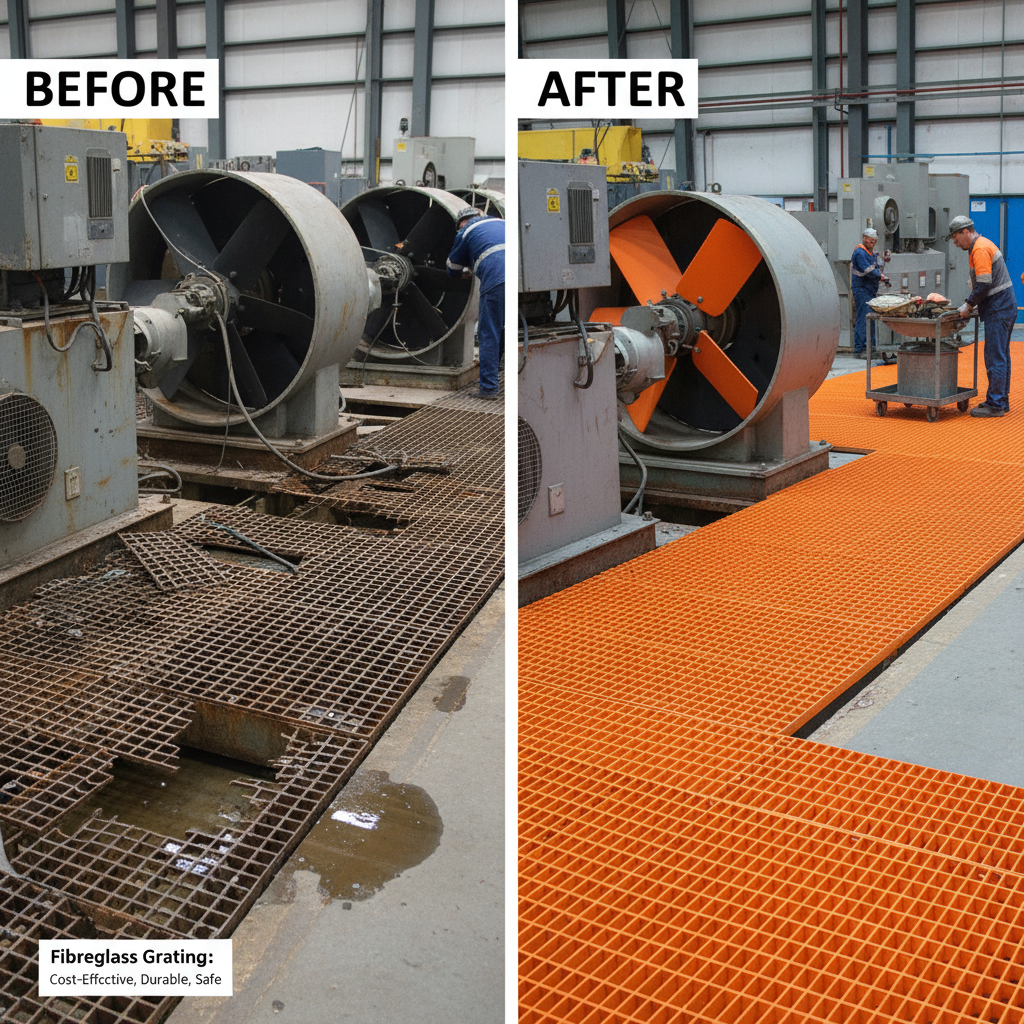
When considering materials for industrial flooring, walkways, or drainage systems, fibreglass grating stands out as a robust and cost-effective solution. Understanding the factors that influence fibreglass grating price is crucial for making informed purchasing decisions. This article delves into the various elements affecting cost, provides a price overview, and explains how to choose the right grating for your needs. We will explore the benefits of FRP grating and how it compares to traditional materials, ensuring you get the best value for your investment.
Factors Influencing Fibreglass Grating Price
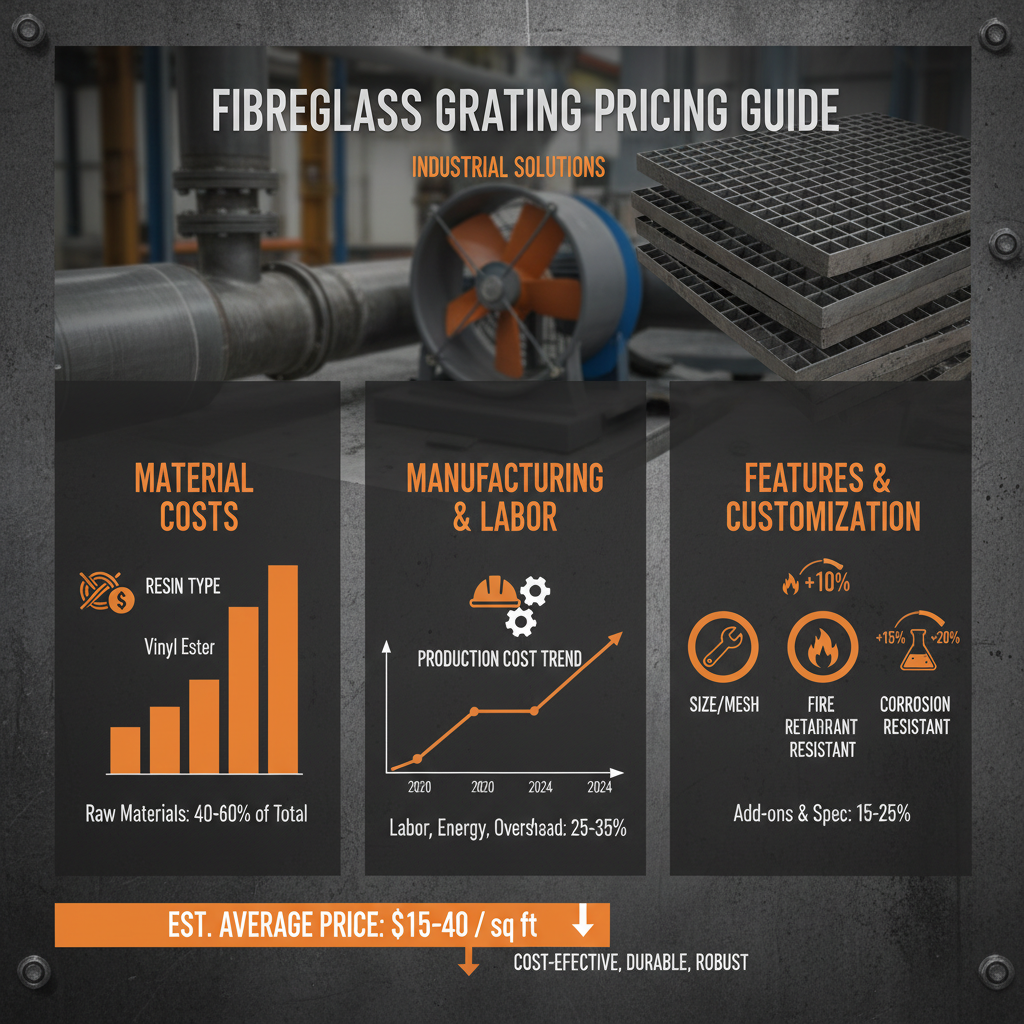
Several key factors contribute to the final fibreglass grating price. The resin type used in manufacturing is a significant determinant; polyester, vinyl ester, and epoxy resins all have different costs and performance characteristics. The type of grating mesh (e.g., molded, pultruded) also impacts the price, with pultruded grating generally being more expensive due to its higher strength-to-weight ratio. Furthermore, the thickness and panel size influence the cost, with larger and thicker panels requiring more material and thus commanding a higher price. Finally, quantity ordered plays a role – bulk purchases typically qualify for discounts.
Key Considerations: Resin type, grating mesh, panel thickness, panel size, and order quantity all affect the final price.
Price Overview: Different Types of Fibreglass Grating
The price of fibreglass grating varies considerably depending on the specific type and configuration. Molded grating, commonly used for walkways and platforms, typically ranges from $30 to $60 per square foot. Pultruded grating, known for its high load capacity and long spans, generally costs between $50 and $100 per square foot. Speciality gratings, such as those with conductive properties or flame retardant additives, will incur a higher price point. These prices are approximate and subject to change based on market conditions and supplier pricing.
Pricing Breakdown (Approximate):
• Molded Grating: $30 - $60 per square foot
• Pultruded Grating: $50 - $100 per square foot
• Specialty Grating: $80+ per square foot
Fibreglass Grating Price vs. Traditional Materials
While the initial cost of fibreglass grating may be higher than some traditional materials like steel, its long-term cost-effectiveness is often superior. Steel grating requires regular maintenance (painting, repairs) to prevent corrosion, whereas fibreglass is inherently corrosion-resistant. This eliminates maintenance costs and extends the lifespan of the grating. Additionally, fibreglass is significantly lighter than steel, reducing installation costs and structural support requirements. Considering the total cost of ownership, fibreglass often proves to be a more economical choice.
Choosing the Right Fibreglass Grating and Getting a Quote
Selecting the appropriate fibreglass grating depends on the specific application and load requirements. Consider the environment (corrosive or non-corrosive), the expected traffic, and any specific safety regulations. For accurate pricing, it's best to obtain a custom quote from a reputable supplier like HLFRP. Provide detailed specifications, including dimensions, resin type, mesh size, and quantity, to receive a precise and competitive quote.
Factors to Consider When Requesting a Quote
To ensure you receive an accurate quote for your fibreglass grating needs, provide the following information to your supplier:
• Grating Type: Molded or pultruded.
• Resin Type: Polyester, vinyl ester, or epoxy.
• Mesh Size: Specify the required opening size.
• Panel Dimensions: Length, width, and thickness.
• Quantity: The total number of panels required.
• Load Requirements: Indicate the expected loads the grating will need to support.
• Special Requirements: Any specific features, such as flame retardancy or conductivity.
Conclusion: Investing in Quality Fibreglass Grating
Understanding the factors that influence fibreglass grating price is essential for making a smart investment. While initial costs may vary, the long-term benefits of durability, corrosion resistance, and reduced maintenance make fibreglass grating a cost-effective solution for a wide range of applications. Partner with a reputable supplier like HLFRP to ensure you receive high-quality products and competitive pricing.
Frequently Asked Questions (FAQs)
What is the typical lead time for fibreglass grating orders?
Lead times can vary depending on the complexity of the order and the supplier's current workload. Generally, standard orders for readily available sizes and configurations can be shipped within 1-2 weeks. Custom orders or larger quantities may require a longer lead time, typically ranging from 3-6 weeks. It's always best to confirm lead times with your supplier when placing an order. At HLFRP, we strive to provide competitive lead times while maintaining the highest quality standards.
Can fibreglass grating be cut to size on site?
Yes, fibreglass grating can be cut to size on site using standard power tools like circular saws or reciprocating saws. However, it's crucial to use appropriate blades designed for cutting FRP materials (e.g., diamond-grit blades) and to wear appropriate personal protective equipment (PPE), including a dust mask, as cutting fibreglass generates fine particles. Ensure proper ventilation during cutting to minimize dust exposure.
What are the benefits of pultruded fibreglass grating over molded grating?
Pultruded fibreglass grating offers several advantages over molded grating, including higher load-bearing capacity, longer spans, and improved corrosion resistance. The pultrusion process creates a continuous, unidirectional fibre reinforcement, resulting in a stronger and more durable product. Pultruded grating is ideal for applications requiring high strength and minimal deflection. While typically more expensive upfront, the increased performance often justifies the cost.
Does fibreglass grating require any special installation procedures?
Fibreglass grating is relatively easy to install, similar to steel grating. However, it's important to use fasteners compatible with FRP materials to prevent corrosion. Stainless steel hardware is generally recommended. Avoid using abrasive materials or tools that could damage the grating surface during installation. Proper support and spacing are crucial to ensure the grating can withstand the expected loads.





Address
20 Xingyuan South Street, Zaoqiang County, Hengshui City, Hebei Province, China


