


We Are Open 24 Hours a Day, 7 Days a Week, Including Weekends and Public Holidays.

Comprehensive Guide to Cooling Towers and Their Industrial Applications
Understanding Cooling Towers: A Comprehensive Guide
Cooling towers are essential components in various industrial processes, playing a crucial role in thermal management. They facilitate the rejection of waste heat to the atmosphere, maintaining optimal operating temperatures for efficiency and safety. This article provides an in-depth look at cooling towers, their types, applications, and factors to consider when selecting the right system for your needs. Proper cooling tower function is vital for industries ranging from power generation to chemical processing. We'll explore the technology and benefits in detail.
How Do Cooling Towers Work?
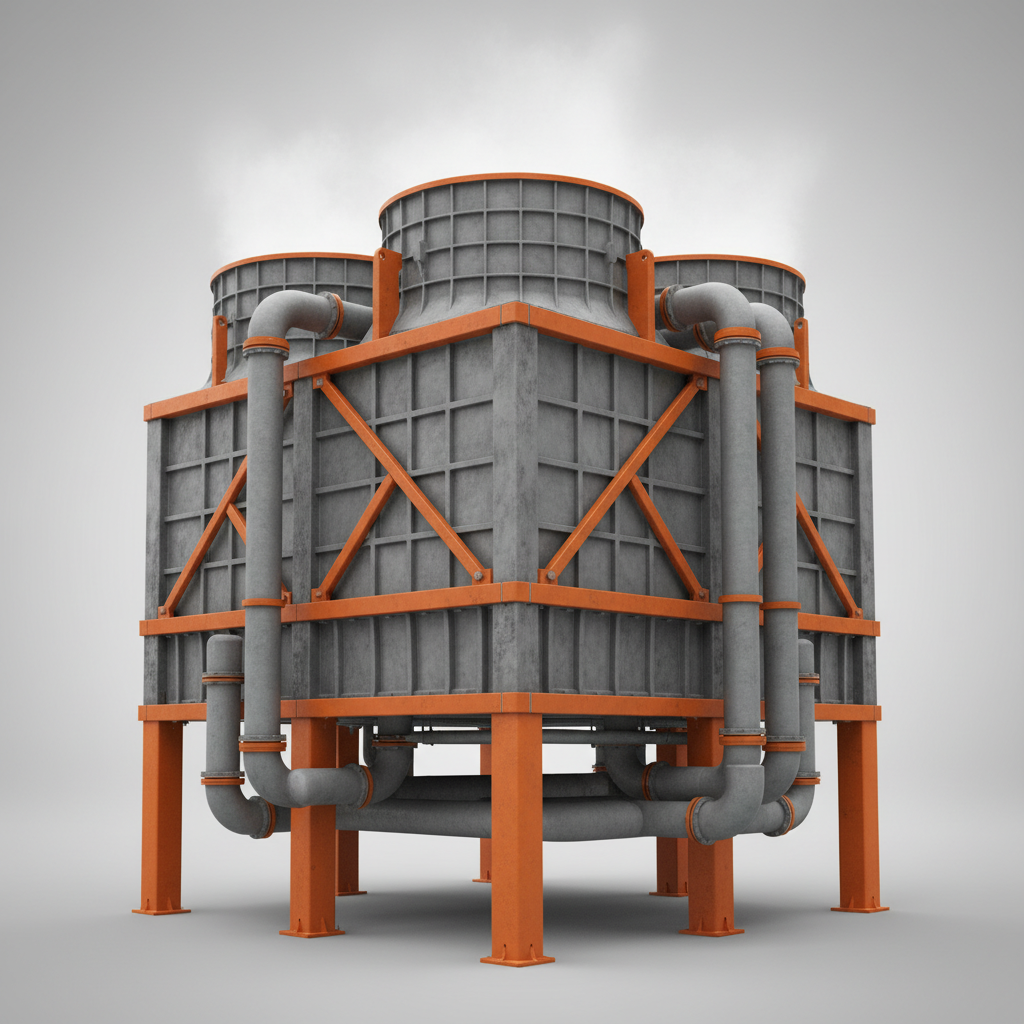
At their core, cooling towers operate on the principle of evaporative cooling. Hot water from an industrial process is distributed within the tower, maximizing its surface area exposure to air. As the water evaporates, it absorbs heat, lowering the water's temperature. This cooled water is then recirculated back to the process, completing the heat rejection cycle. The efficiency of this process is influenced by factors such as air temperature, humidity, and water flow rate. Proper tower design and maintenance are critical for optimal performance.
Key Principles: Evaporative cooling, heat transfer, airflow management, and water distribution are core to effective cooling tower operation.
Types of Cooling Towers
There are several main types of cooling towers, each suited for different applications and requirements. The most common are:
- Natural Draft Cooling Towers: These towers rely on natural convection to create airflow. They are typically very large and used in power plants.
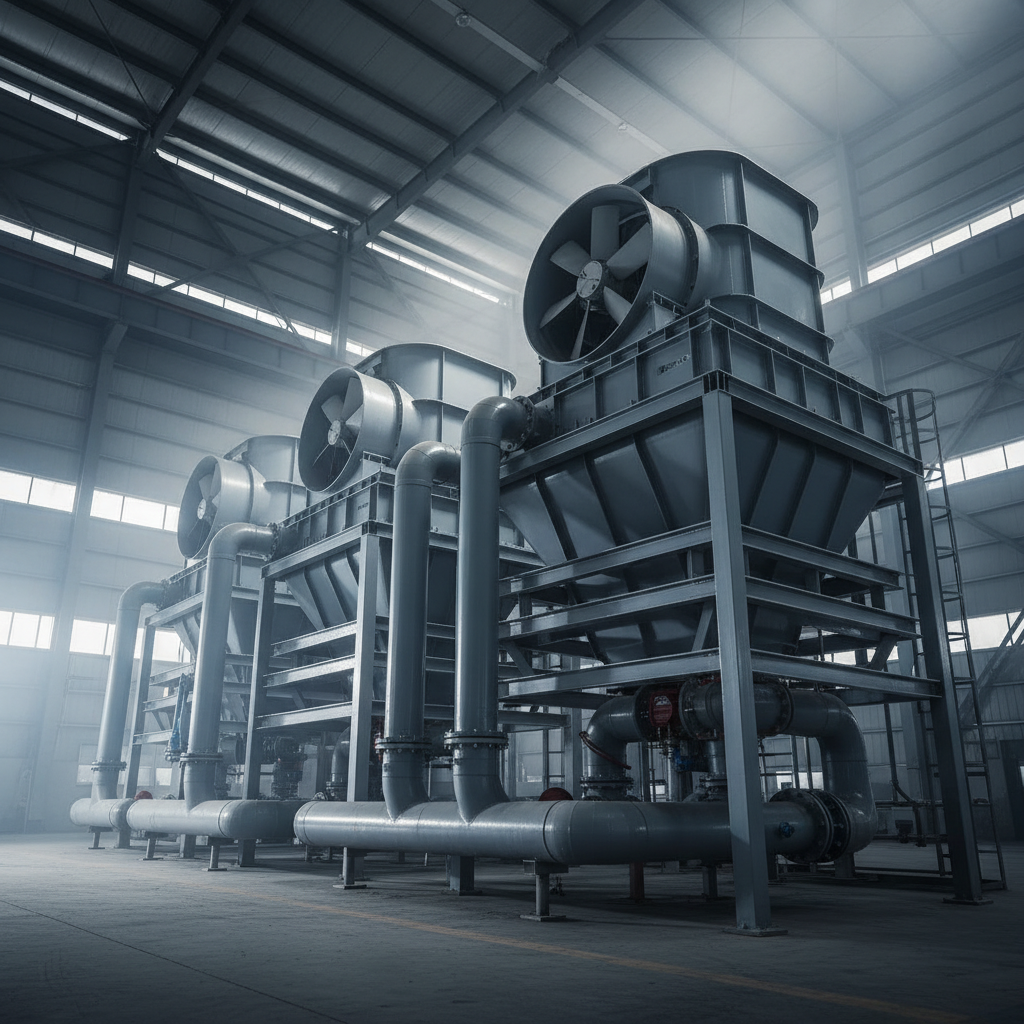
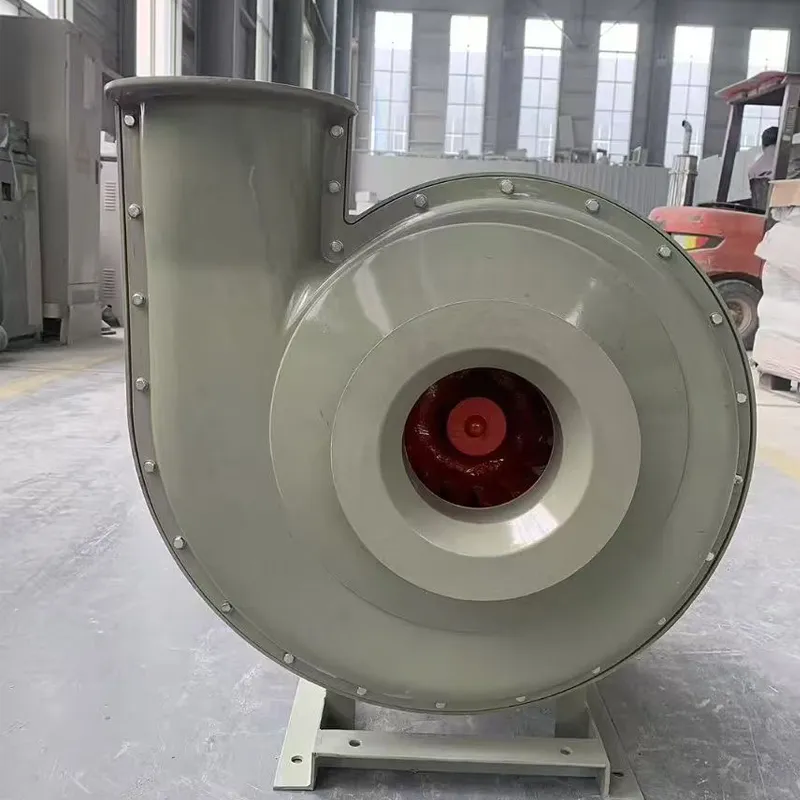
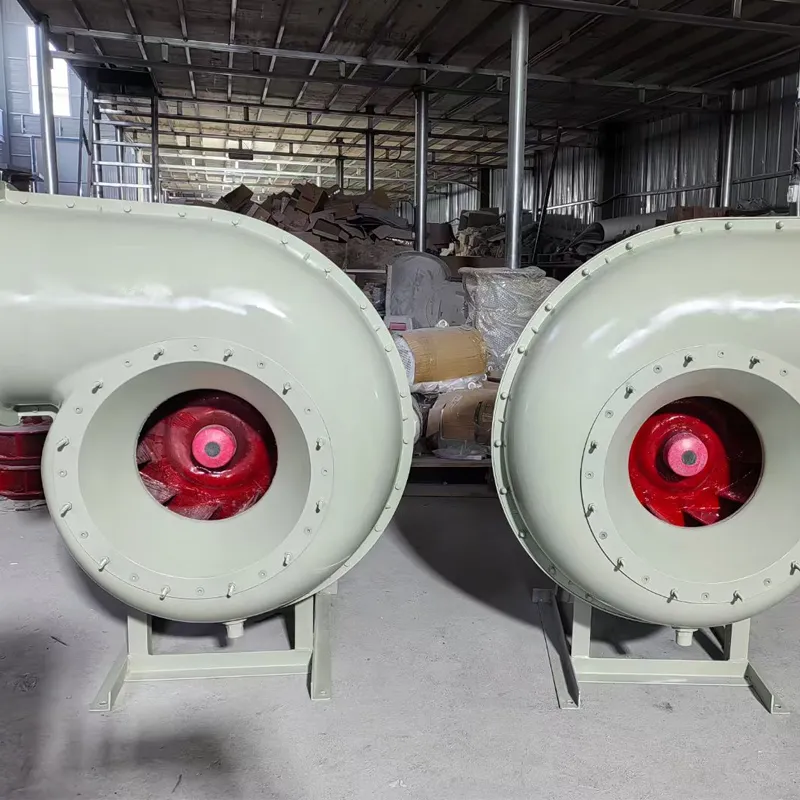
- Mechanical Draft Cooling Towers: These use fans to force or induce airflow, offering more control and compact designs. They are further categorized into forced draft and induced draft towers.
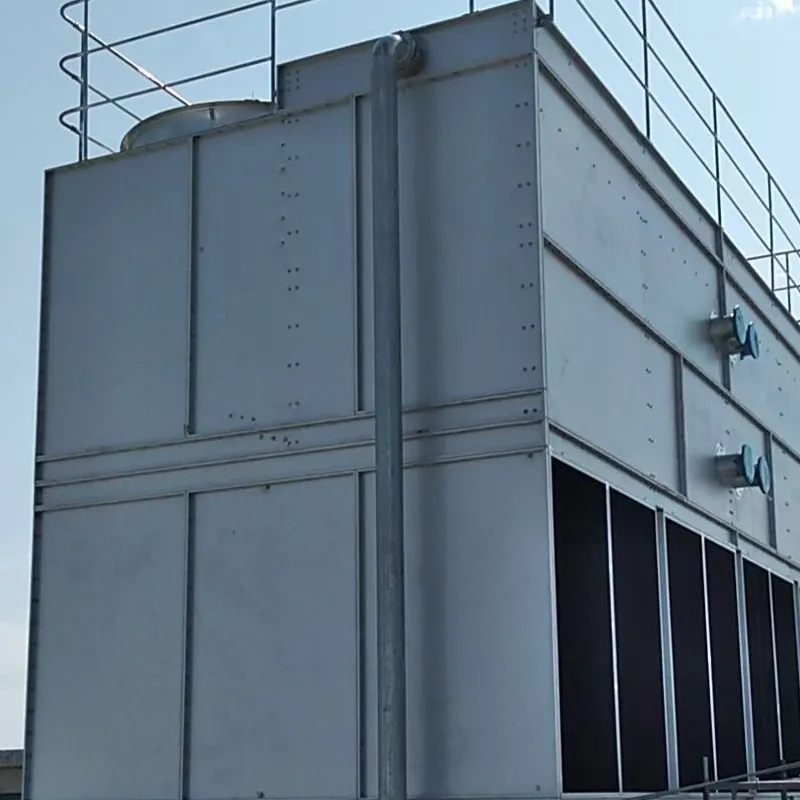
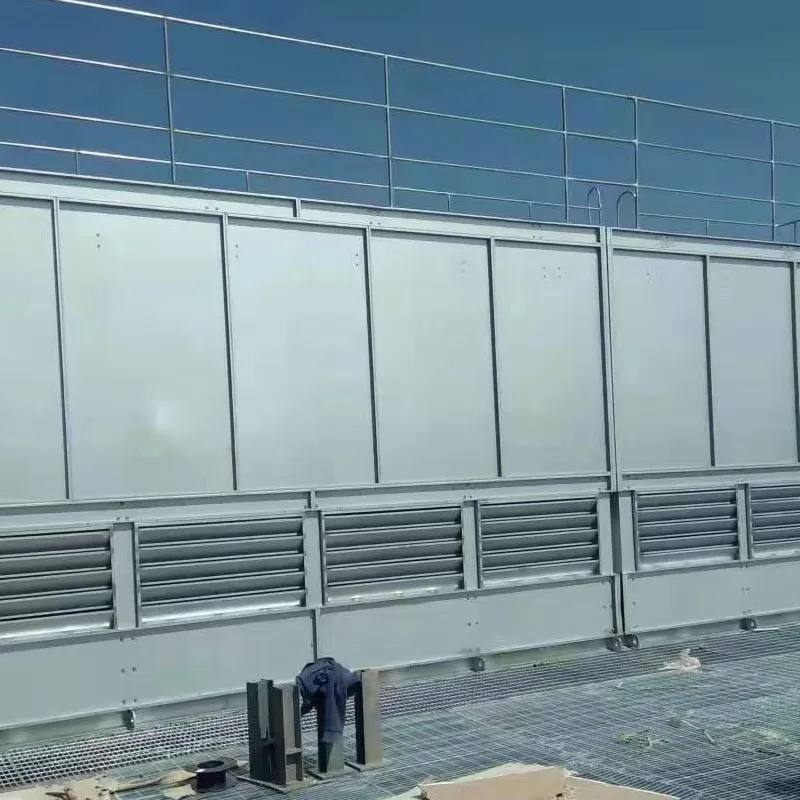
- Closed-Circuit Cooling Towers: These towers utilize a closed-loop system, preventing direct contact between the cooling water and the air, minimizing water treatment requirements.
Mechanical Draft Cooling Towers: A Closer Look
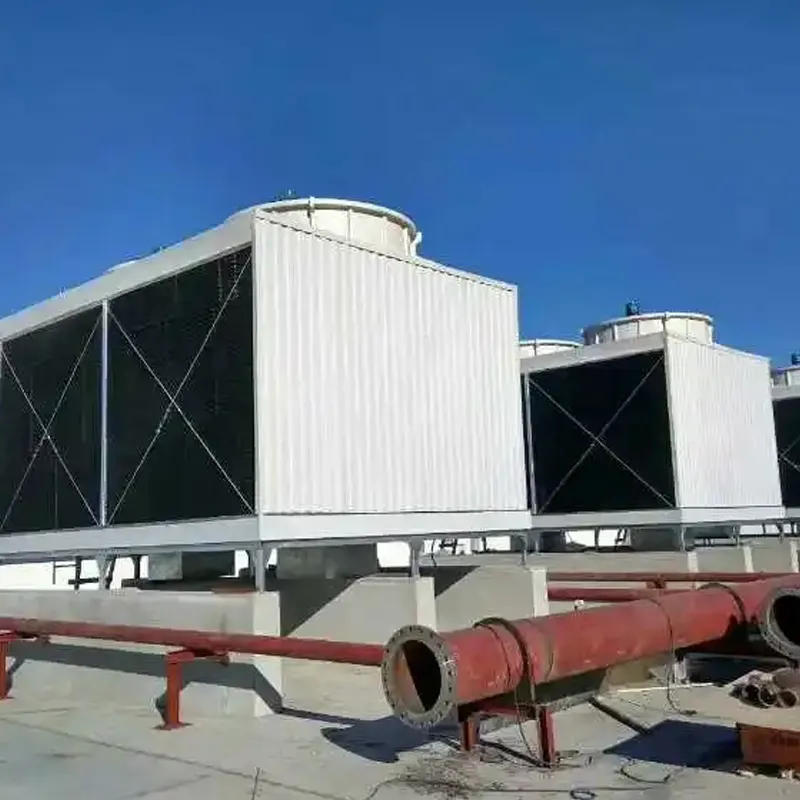
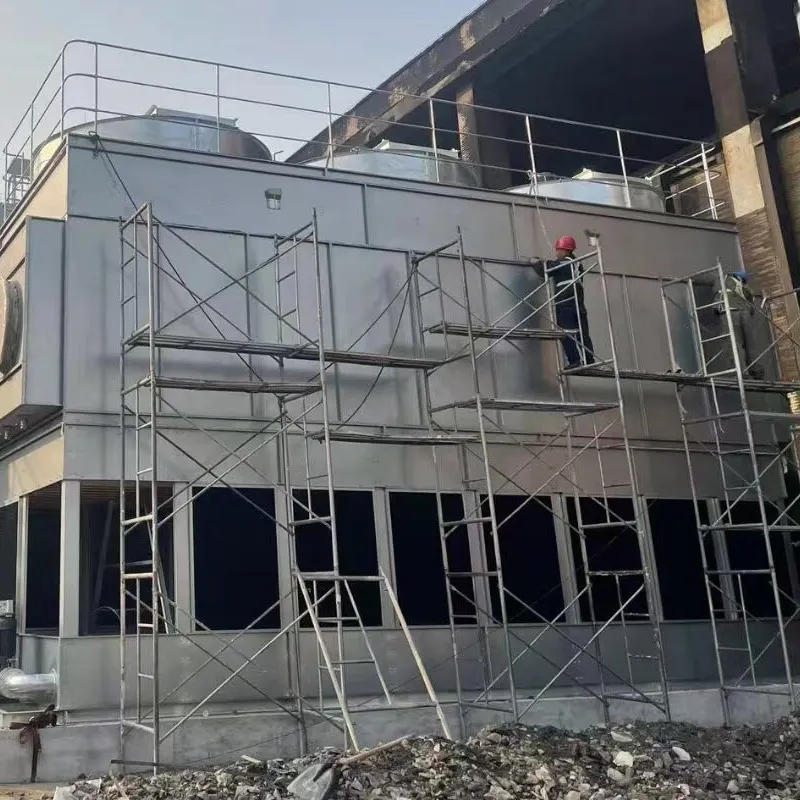
Mechanical draft cooling towers are widely used due to their efficiency and compact size. They are divided into two primary configurations:
Applications of Cooling Towers
Cooling towers are critical in a wide range of industries, including:
- Power Generation: Condensing steam in power plants.
- HVAC Systems: Cooling water for large building air conditioning.
- Refineries and Chemical Plants: Managing heat generated in chemical processes.
- Manufacturing: Cooling equipment used in various manufacturing processes.
Selecting the Right Cooling Tower
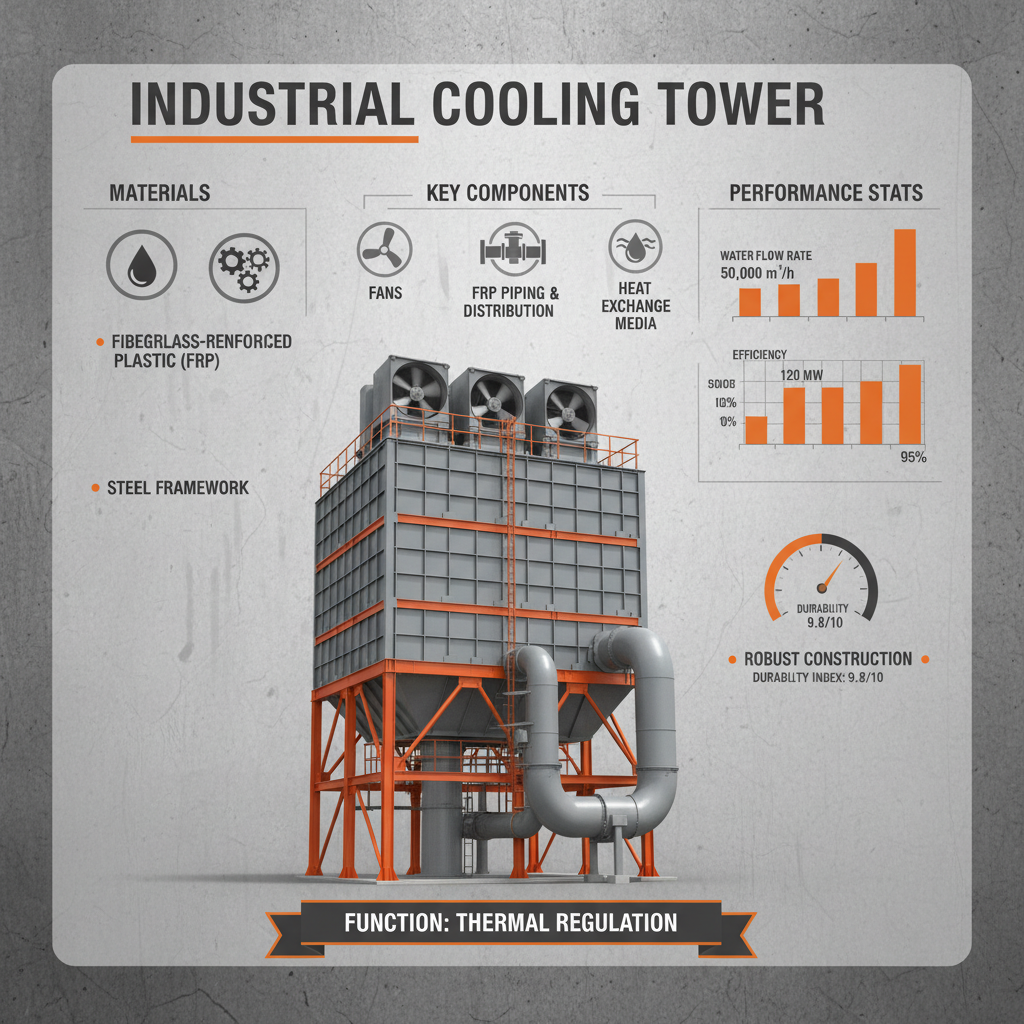
Choosing the right cooling tower involves careful consideration of several factors, including heat load, water quality, space constraints, noise limitations, and maintenance requirements. HLFRP offers a range of cooling tower solutions tailored to meet specific industrial needs. Consulting with experienced cooling tower specialists is crucial to ensure optimal performance and long-term reliability. Proper design and implementation are key to maximizing efficiency and minimizing operating costs.
Conclusion
Cooling towers are vital for efficient heat rejection in numerous industries. Understanding the different types and their applications is critical for selecting the optimal solution. HLFRP provides high-quality cooling tower solutions and expert support to help businesses maintain optimal operating temperatures and minimize environmental impact.
Frequently Asked Questions (FAQs)
What is the importance of water treatment in cooling towers?
Water treatment is crucial to prevent scaling, corrosion, and biological growth within the cooling tower system. Scaling reduces heat transfer efficiency, corrosion damages components, and biological growth can lead to fouling and health hazards (like Legionella). Regular water analysis and appropriate chemical treatment programs are essential for maintaining optimal performance and extending the lifespan of the cooling tower. Proper water treatment also minimizes downtime and reduces maintenance costs.
How often should cooling towers be inspected?
Cooling towers should undergo regular inspections, ideally at least twice a year, and more frequently in harsh operating environments. Inspections should include checking for structural integrity, water distribution system performance, fan operation, and water quality. A thorough inspection can identify potential problems early on, preventing costly repairs and downtime. Detailed inspection records should be maintained for tracking performance and identifying trends.
What are the environmental considerations associated with cooling towers?
Cooling towers can release water vapor into the atmosphere, and in some cases, drift (small water droplets) containing chemicals or biological contaminants. Proper tower design, maintenance, and water treatment are essential to minimize environmental impact. Drift eliminators are used to reduce drift emissions. Responsible water management practices, including minimizing water usage and proper disposal of blowdown water, are also important considerations.





Address
20 Xingyuan South Street, Zaoqiang County, Hengshui City, Hebei Province, China


