


We Are Open 24 Hours a Day, 7 Days a Week, Including Weekends and Public Holidays.

The Future of Structural Engineering: Top Applications of FRP Pultruded Profiles in 2026
In the realm of modern construction and industrial design, the shift from traditional materials like steel and aluminum to advanced composites is no longer a trend—it is a necessity. FRP (Fiberglass Reinforced Plastic) pultruded profiles have redefined the benchmarks for durability, strength-to-weight ratios, and life-cycle cost efficiency.
As global infrastructure faces harsher environmental challenges—from rising sea levels to extreme industrial corrosion—pultrusion technology offers a resilient solution. This guide explores the diverse applications of FRP pultruded profiles and why they are becoming the backbone of 2026’s sustainable engineering projects.
What are FRP Pultruded Profiles?
Before diving into applications, it is essential to understand the "Pultrusion" process. Unlike extrusion (where material is pushed through a die), pultrusion involves pulling continuous glass fibers through a resin bath and then through a heated steel forming die.
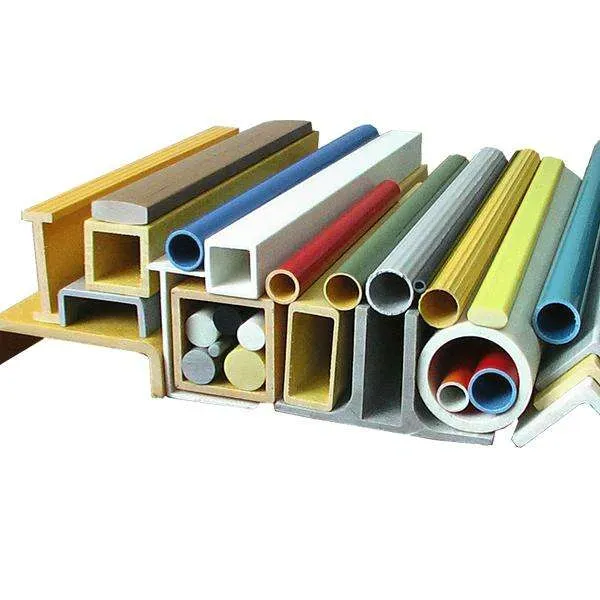
The result? A structural profile—such as an I-beam, channel, angle, or tube—that possesses the longitudinal strength of steel but at a fraction of the weight. By utilizing various resin systems like Polyester, Vinyl Ester, or Epoxy, these profiles can be customized to withstand specific chemical or thermal stresses.
1. Industrial Infrastructure: Conquering Corrosive Environments
The most significant "enemy" of industrial infrastructure is oxidation. In chemical processing plants, pulp and paper mills, and wastewater treatment facilities, steel structures often fail within 5–10 years due to chemical vapors and high humidity.
Structural Frameworks and Walkways
FRP pultruded profiles are widely used to construct platforms, handrails, and stair treads. Because they are immune to chloride ion attack and acidic corrosion, they maintain structural integrity without the need for expensive hot-dip galvanizing or epoxy coatings.
Specialized Cable Management
Beyond structural beams, the same pultrusion technology is applied to create FRP cable trays. In environments where metallic dust or moisture could cause electrical grounding issues, the non-conductive nature of pultruded fiberglass provides an unmatched safety layer.
2. Marine and Coastal Engineering: The Saltwater Solution
For decades, the maritime industry struggled with the "rust cycle" of steel piers and docks. Saltwater is a powerful electrolyte that accelerates metal decay.
-
Piles and Fenders: Pultruded fiberglass tubes and beams are increasingly used for marina decking and sea wall reinforcements.
-
Offshore Platforms: On oil rigs and FPSO vessels, weight is a critical constraint. Replacing steel gratings and support beams with fiberglass profiles reduces the "top-side" weight significantly, allowing for more equipment or improved stability.
3. Power and Electrical Utilities: Safety by Design
In 2026, as the world expands its smart grid and EV charging infrastructure, electrical safety is paramount.
Non-Conductive Utility Poles and Cross-Arms
Unlike wood (which rots) or steel (which conducts), FRP pultruded profiles are dielectric. They are used for cross-arms on high-voltage power lines and as insulation components in transformers.
-
Signage & Safety: In high-voltage zones, FRP sign boards made from pultruded sheets provide long-lasting warnings that will never interfere with electromagnetic fields or pose a conductivity risk to technicians.
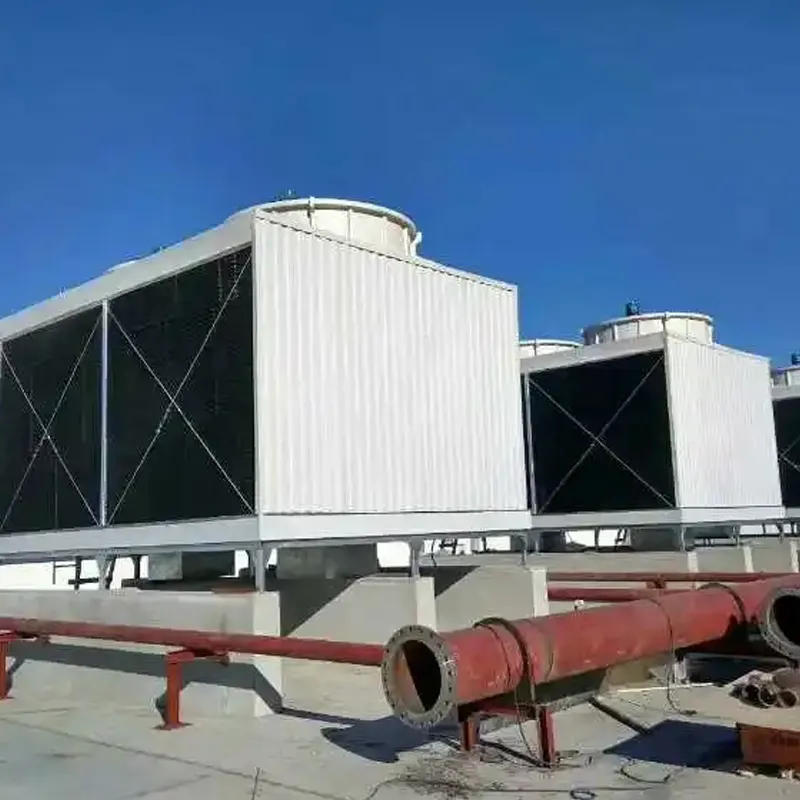
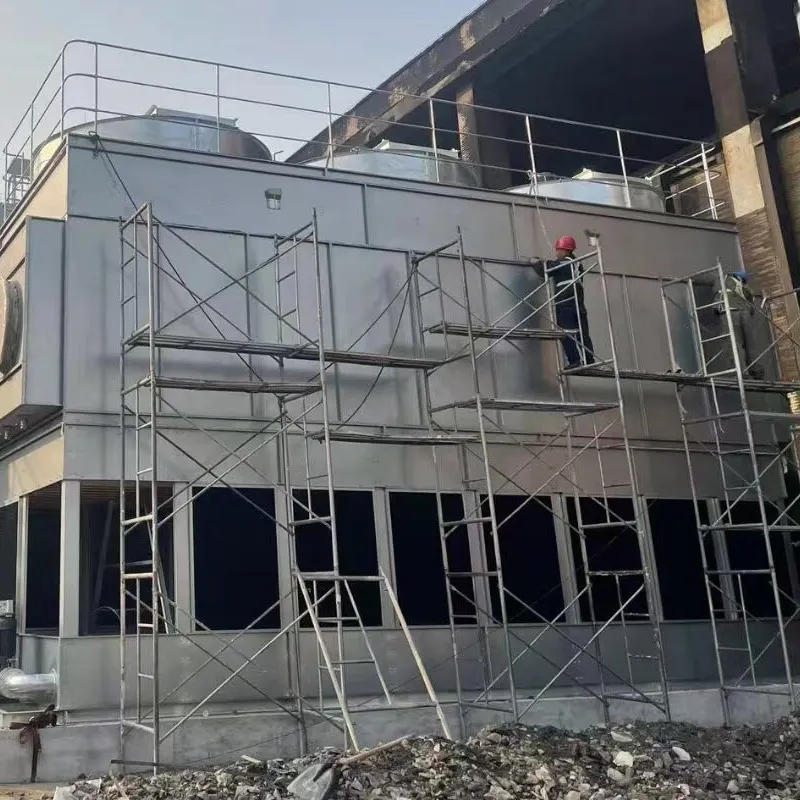
4. Cooling Tower Systems: Withstanding Constant Moisture
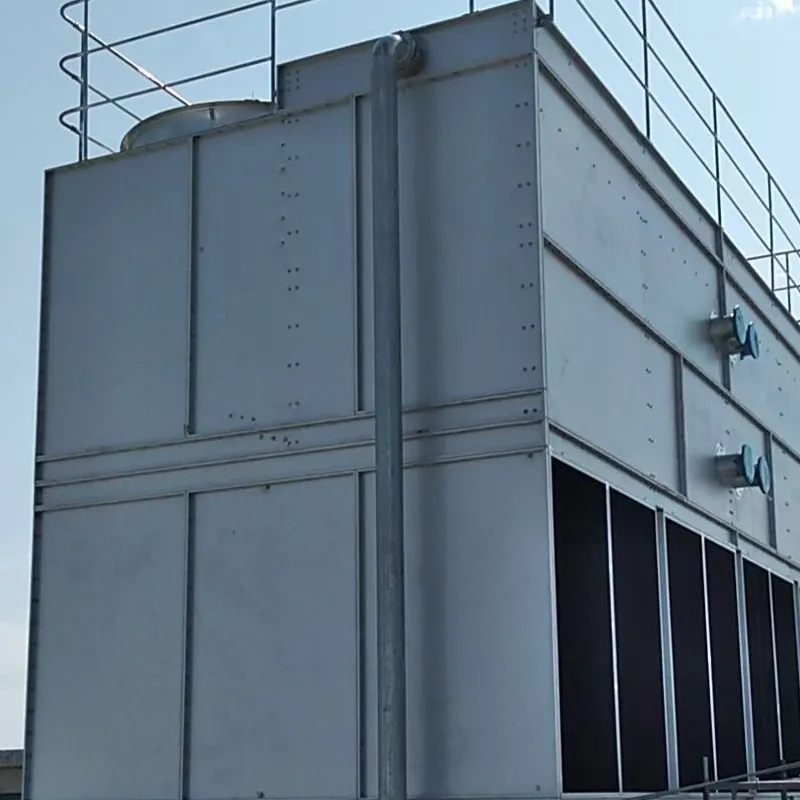
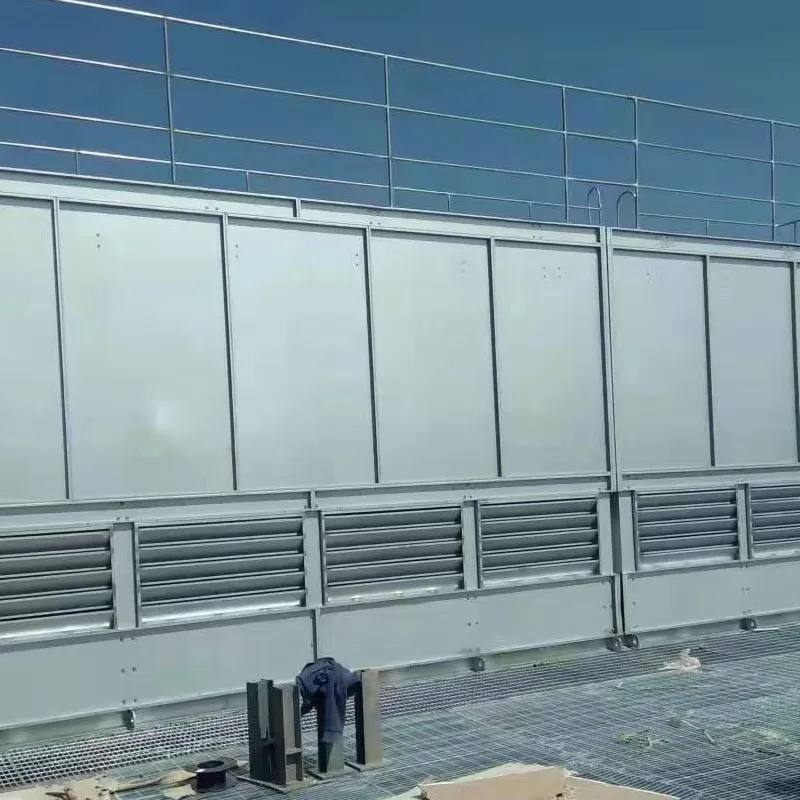
Cooling towers are arguably one of the most punishing environments for any material. Constant water spray, high temperatures, and chemical additives create a "perfect storm" for rot and rust.
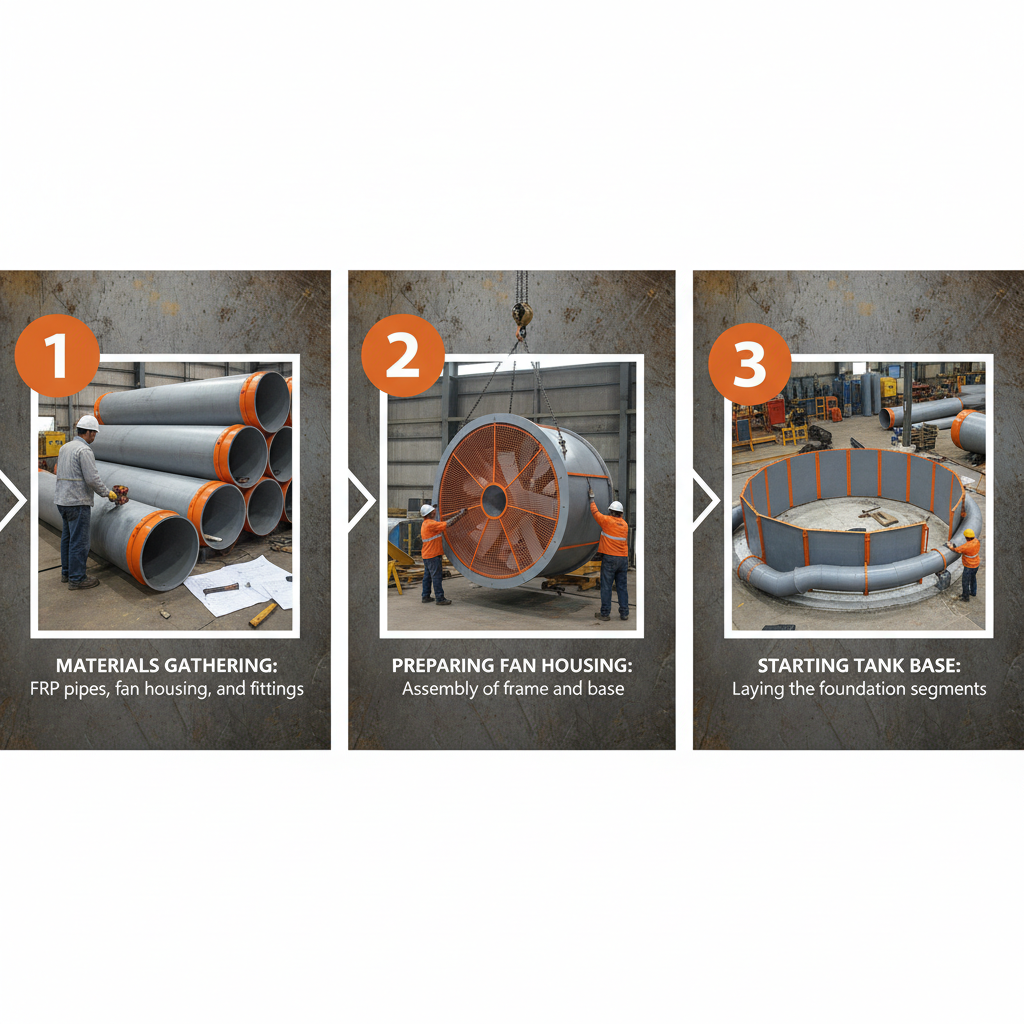
Most modern AC cooling towers now utilize a full FRP structural skeleton. Pultruded angles and square tubes provide the necessary rigidity to support the cooling fill and mechanical fans, ensuring a service life that often exceeds 30 years with zero structural maintenance.
5. Transportation and Aerospace: The Lightweight Revolution
The push for "Net Zero" in transportation relies on reducing vehicle weight to improve fuel efficiency or battery range.
-
Rail & Bus Components: Pultruded profiles are used in floor supports, window frames, and side panels for high-speed trains and electric buses.
-
Aerospace Tooling: The low coefficient of thermal expansion (CTE) makes pultruded fiberglass ideal for aerospace jigs and fixtures, where precision must be maintained across varying temperatures.
Key Advantages of FRP Profiles vs. Traditional Materials
| Feature | FRP Pultruded Profile | Structural Steel | Aluminum |
| Corrosion Resistance | Excellent (Immune to rust) | Poor (Requires coating) | Moderate (Pitting risk) |
| Weight | 75% lighter than steel | Heavy | Lightweight |
| Conductivity | Non-conductive (Insulator) | Highly Conductive | Highly Conductive |
| Maintenance | Near Zero | High (Repainting/Scaling) | Moderate |
| Installation | Easy (Standard tools) | Difficult (Welding/Cranes) | Moderate |
Sustainability and Lifecycle Cost Analysis
In 2026, the "Green Building" movement prioritizes materials with a low carbon footprint over their entire lifecycle. While the production of glass fiber requires energy, the longevity of FRP profiles means they do not need to be replaced three or four times over a 50-year span, unlike steel.
Furthermore, because FRP is lightweight, the carbon emissions associated with transportation and heavy installation machinery are drastically reduced. For many LEED-certified projects, FRP is the preferred choice for structural support in green roofs and solar array mountings.
Frequently Asked Questions (FAQ)
Q1: Can FRP pultruded profiles be painted?
A: Yes. While FRP comes in standard colors (like safety yellow or gray) where the pigment is infused in the resin, they can be painted with polyurethane or epoxy-based paints for additional UV protection or aesthetic branding.
Q2: How do you join two FRP profiles together?
A: FRP profiles are typically joined using stainless steel bolts or specialized FRP mechanical fasteners. For permanent bonds, structural adhesives (like methyl methacrylate or epoxy) are highly effective. Unlike steel, no welding is required, eliminating the need for "hot work" permits on-site.
Q3: Are pultruded profiles fire-resistant?
A: Standard polyester profiles are flammable, but for industrial use, we add fire-retardant additives. Our profiles meet ASTM E84 Class 1 and UL 94-V0 standards, ensuring they self-extinguish and maintain structural integrity during a fire event.
Q4: Does extreme cold make FRP brittle?
A: No. Unlike many plastics, FRP maintains excellent mechanical properties in sub-zero temperatures. In fact, many pultruded profiles are used in Arctic and Antarctic research stations because they do not become brittle like some carbon steels.
Final Thoughts: Choosing the Right Partner
Success in composite engineering depends on the quality of the resin and the precision of the pultrusion die. When selecting FRP pultruded profiles, it is vital to work with a frp products manufacturer that provides documented testing for load capacity and chemical resistance.
Whether you are upgrading a wastewater facility or designing a 2026-spec data center, pultruded fiberglass offers the versatility and resilience required for the next generation of global infrastructure.





Address
20 Xingyuan South Street, Zaoqiang County, Hengshui City, Hebei Province, China


