


We Are Open 24 Hours a Day, 7 Days a Week, Including Weekends and Public Holidays.

Exploring the Differences Between Cooling Pond and Cooling Tower Systems for Industrial Applications
Understanding Cooling Pond and Cooling Tower Systems
In industrial processes, maintaining optimal temperatures is crucial for efficiency and preventing equipment damage. Cooling ponds and cooling towers are two common methods employed for this purpose. Both systems are designed to dissipate waste heat, but they operate on different principles and are suited for varying applications. This article explores the differences, benefits, and considerations for selecting the appropriate cooling system for your needs. Understanding these systems can lead to improved operational efficiency and reduced costs.
What is a Cooling Pond?
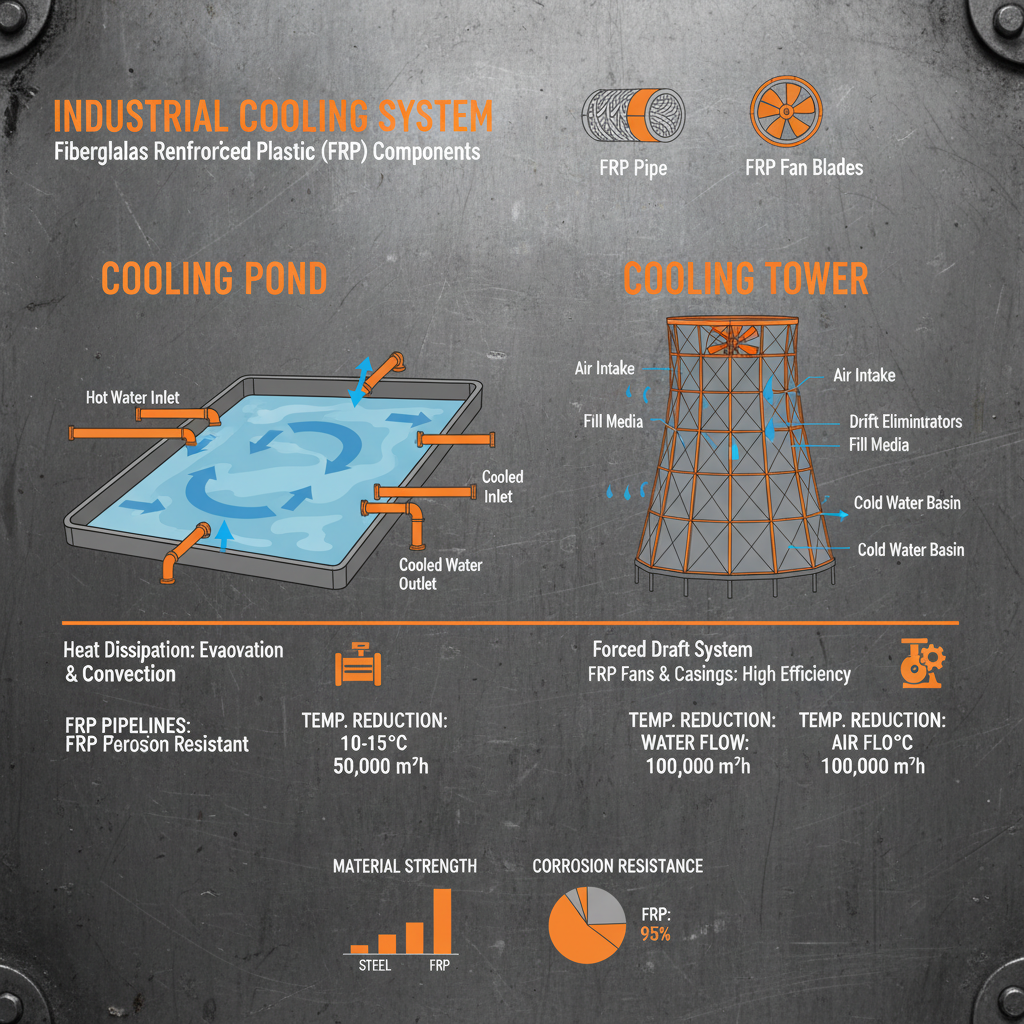
A cooling pond is a large body of water used to dissipate heat from industrial processes. Heated water is discharged into the pond, and natural evaporation and convection help to cool the water. Cooling ponds are often used in power plants and large industrial facilities where a substantial amount of waste heat needs to be removed. They are a passive cooling method, requiring minimal energy input for operation. However, they require significant land area and are subject to environmental regulations regarding water quality and aquatic life. The effectiveness of a cooling pond relies heavily on ambient air temperature and humidity.
Key Advantages: Lower operating costs, simple design, minimal maintenance.
Cooling Tower Explained
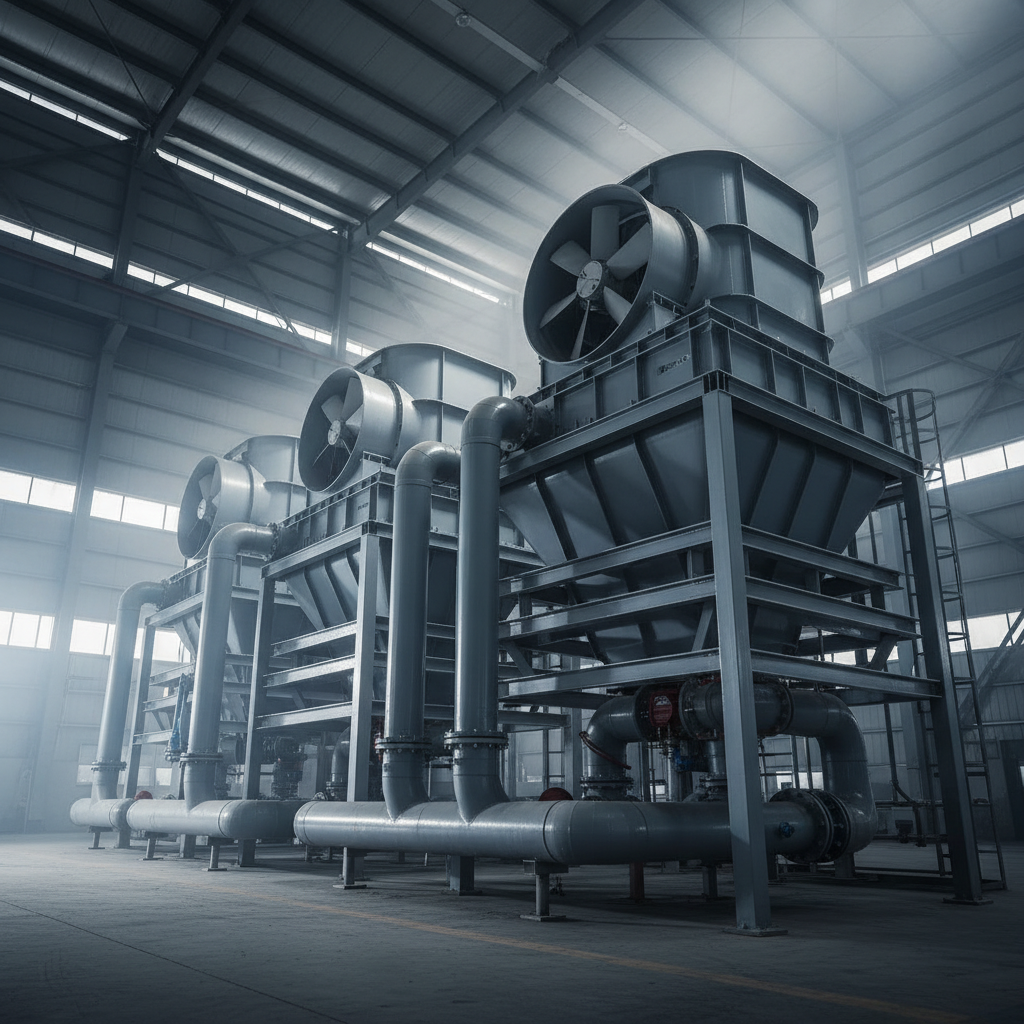
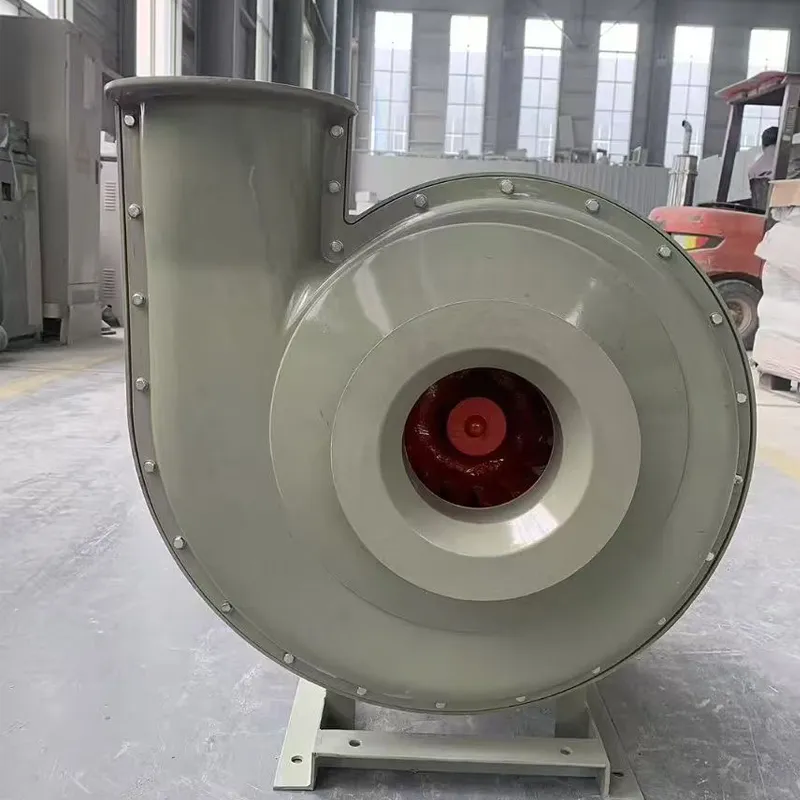
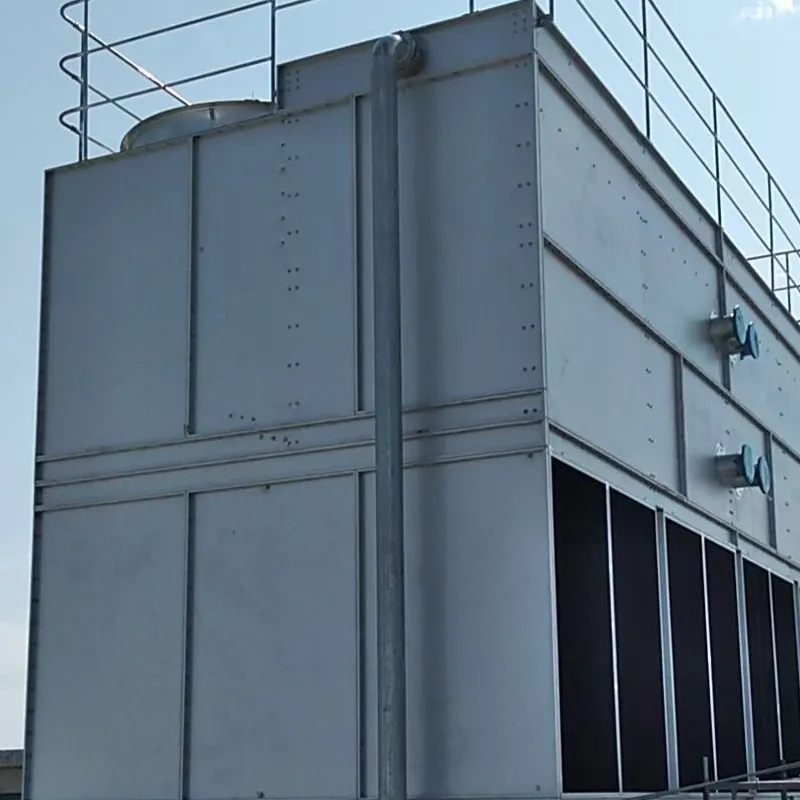
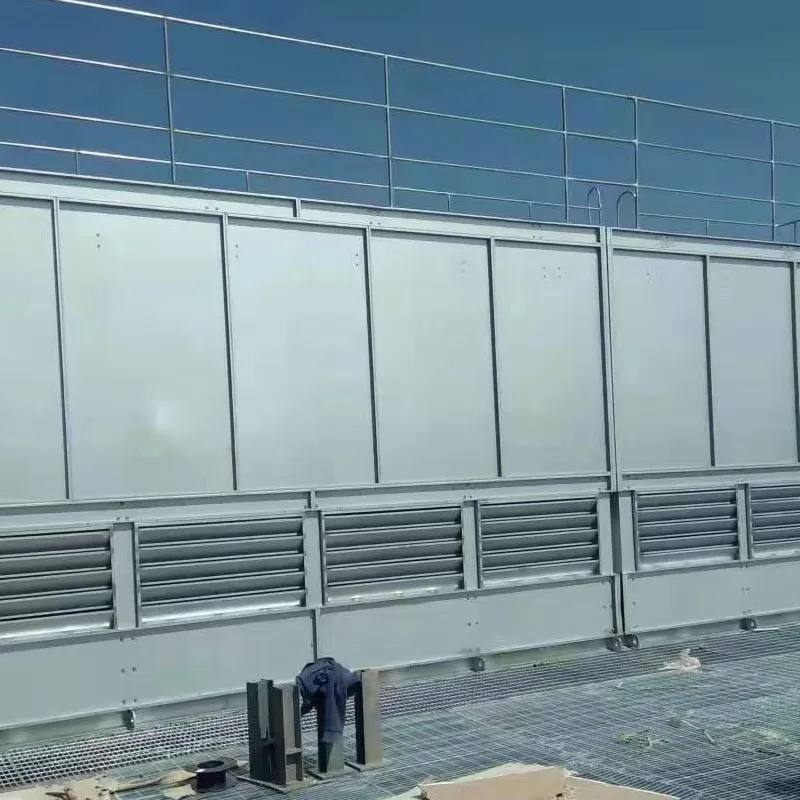
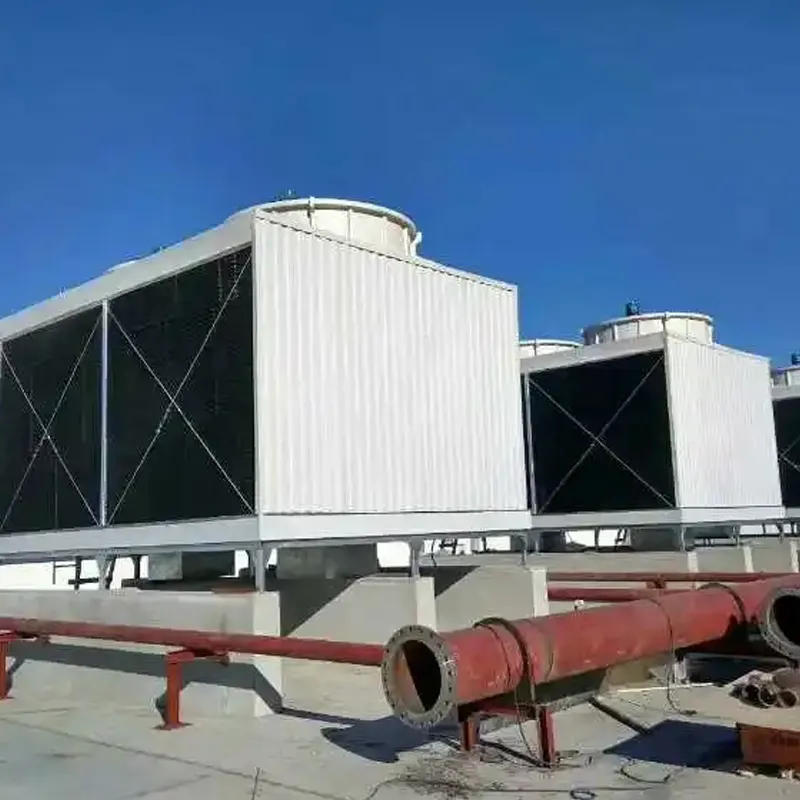
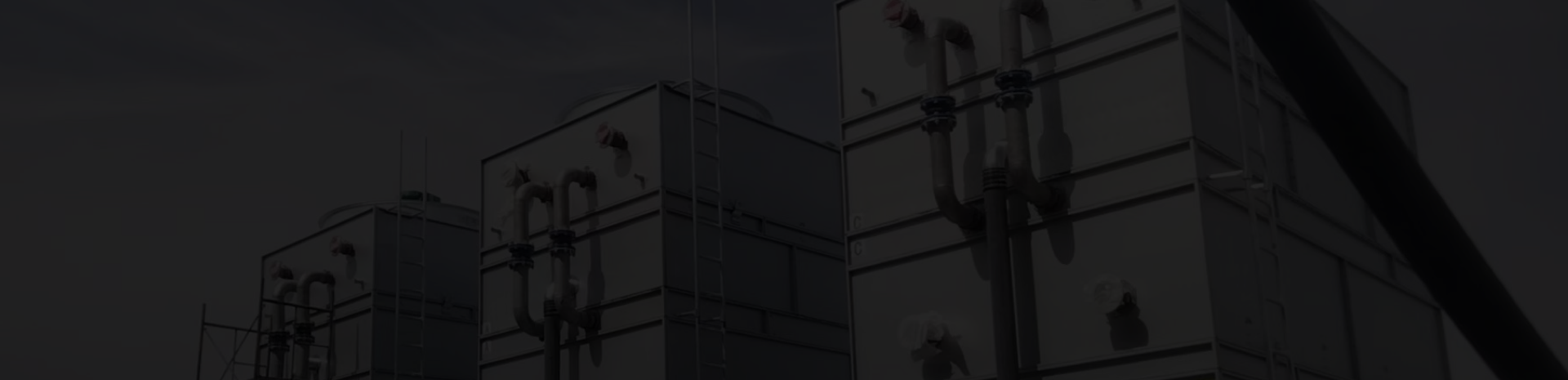
A cooling tower uses evaporation to cool water. Warm water is pumped to the top of the tower and sprayed down through a fill material, increasing the surface area for evaporation. Air is circulated through the tower, further enhancing the cooling process. Cooling towers are more efficient than cooling ponds in terms of cooling capacity per unit area. There are two main types: natural draft and induced draft. Induced draft towers use fans to force air through the tower, while natural draft towers rely on buoyancy. They typically require more maintenance and energy input than cooling ponds.
Cooling Tower Benefits:
• Higher cooling efficiency.
• Smaller footprint compared to cooling ponds.
• More control over cooling process.
• Suitable for locations with limited land availability.
Cooling Pond vs Cooling Tower: A Comparative Analysis
Choosing between a cooling pond and a cooling tower depends on various factors, including available land, water availability, environmental regulations, and cooling requirements. Here’s a detailed comparison:
Applications and Industries
Cooling ponds are frequently used in power generation, particularly nuclear and coal-fired plants, where large volumes of cooling water are needed. They are also found in some chemical processing and manufacturing facilities. Cooling towers are more versatile and are used in a wider range of applications, including HVAC systems in commercial buildings, refineries, data centers, and food processing plants. HLFRP specializes in providing high-quality cooling tower components and solutions for diverse industrial needs.
Choosing the Right System for Your Needs
Selecting the optimal cooling solution requires careful consideration of your specific operational requirements. If land availability is limited and high cooling efficiency is paramount, a cooling tower is the preferred choice. If land is abundant, and operating costs are a primary concern, a cooling pond may be more suitable. It's crucial to factor in environmental regulations and water resource availability when making your decision. Contacting a cooling system specialist, like HLFRP, can provide valuable insights and tailored recommendations for your application.
Conclusion: Optimizing Cooling for Enhanced Efficiency
Understanding the differences between cooling ponds and cooling towers is essential for maintaining efficient and reliable industrial processes. Each system offers unique advantages and disadvantages, making it crucial to carefully evaluate your specific needs and constraints. By selecting the right cooling solution and partnering with experienced professionals, you can optimize your operations, reduce costs, and ensure environmental compliance.
Frequently Asked Questions (FAQs)
What are the environmental concerns associated with cooling ponds?
Cooling ponds can impact aquatic ecosystems through thermal pollution, altering water temperatures and potentially harming aquatic life. Discharge of chemicals used for water treatment can also pose environmental risks. Furthermore, evaporation from cooling ponds can contribute to water loss in arid regions. Careful monitoring and adherence to environmental regulations are crucial to mitigate these impacts. Proper management practices include controlling water intake and discharge, maintaining water quality, and protecting sensitive habitats.
What maintenance is required for a cooling tower?
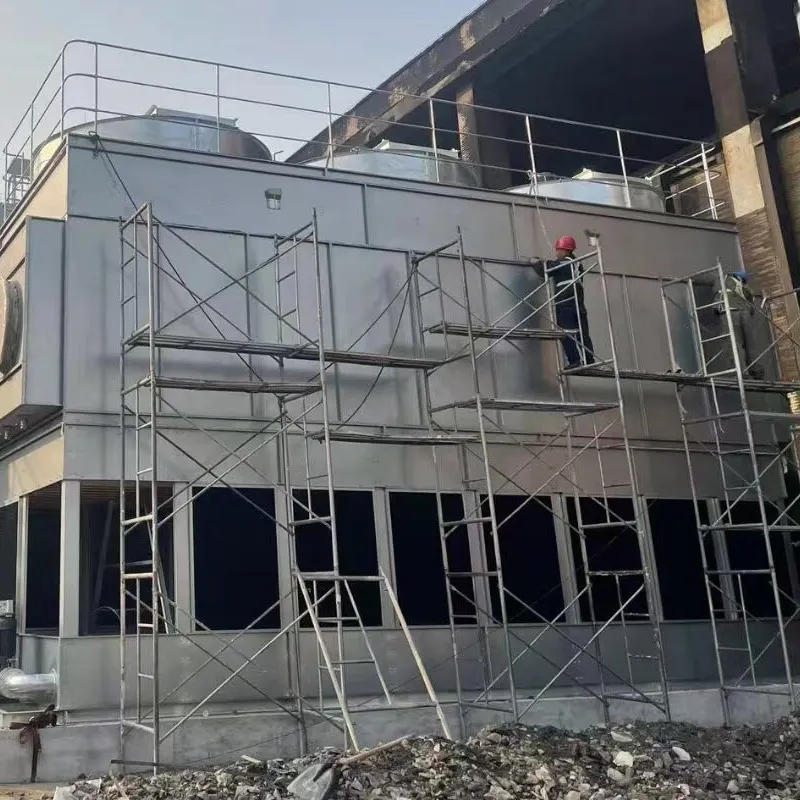
Cooling towers require regular maintenance to ensure optimal performance and prevent issues like scaling, fouling, and biological growth. This includes periodic cleaning of the fill material, inspection and maintenance of fans and pumps, water treatment to control mineral buildup and microbial growth, and regular monitoring of water quality. Neglecting maintenance can lead to reduced cooling efficiency, increased energy consumption, and potential equipment failure.
How does water quality affect cooling system performance?
Water quality significantly impacts the efficiency and lifespan of both cooling ponds and cooling towers. Impurities like minerals, sediment, and biological organisms can cause scaling, fouling, and corrosion, reducing heat transfer and potentially damaging equipment. Effective water treatment programs are essential to control these issues and maintain optimal performance. Regular water analysis and adjustment of treatment chemicals are crucial.
What are the benefits of using a closed-loop cooling system?
Closed-loop cooling systems, often utilizing cooling towers, recirculate the cooling water, minimizing water consumption and reducing the discharge of pollutants. They also provide better control over water quality and reduce the risk of scaling and corrosion. These systems are particularly beneficial in areas with limited water resources or strict environmental regulations.





Address
20 Xingyuan South Street, Zaoqiang County, Hengshui City, Hebei Province, China


