


We Are Open 24 Hours a Day, 7 Days a Week, Including Weekends and Public Holidays.

What Is A Cooling Tower?
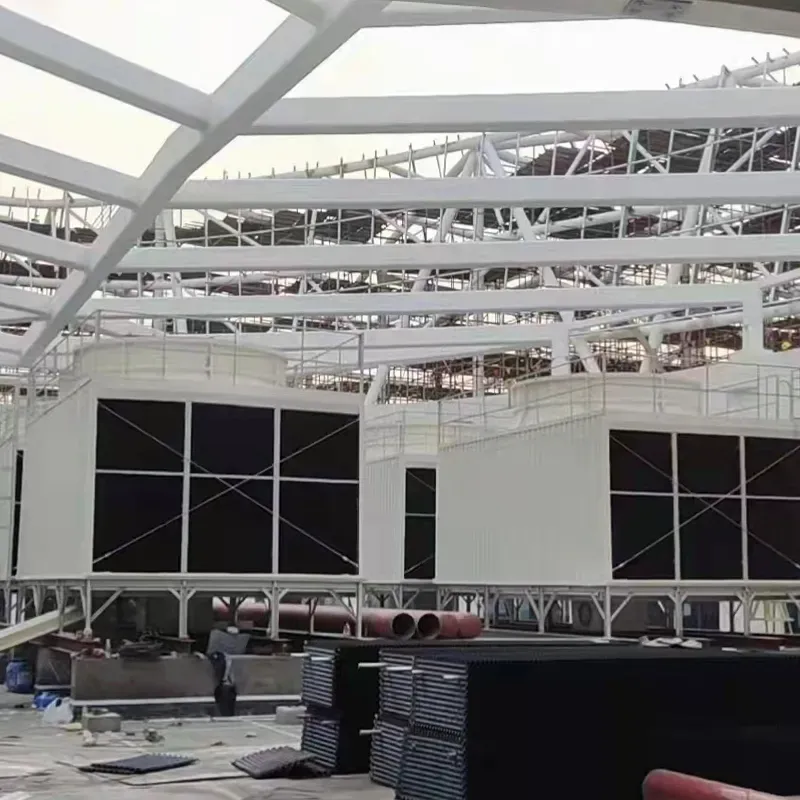
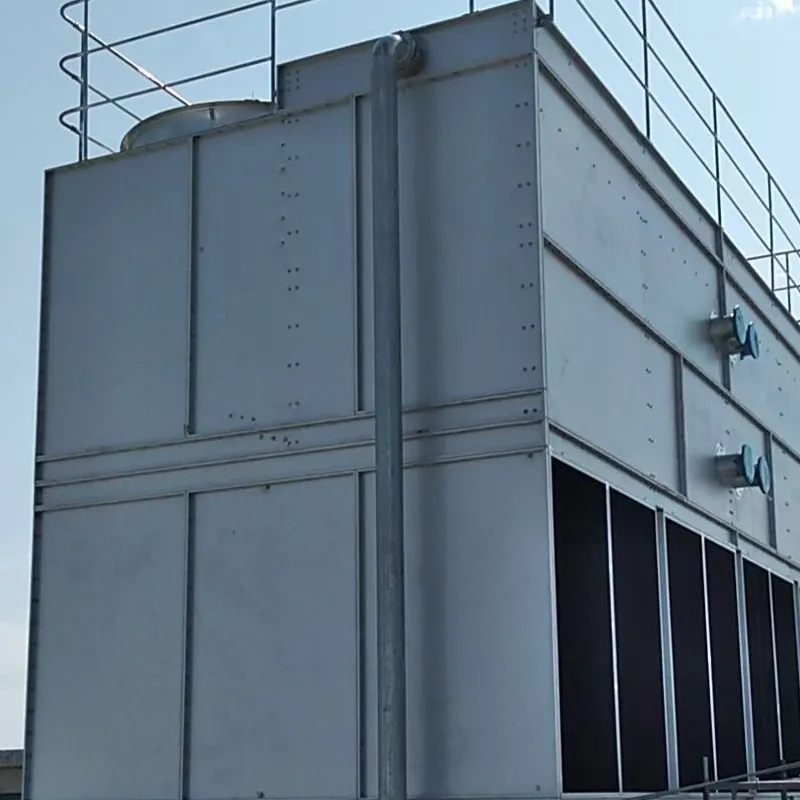
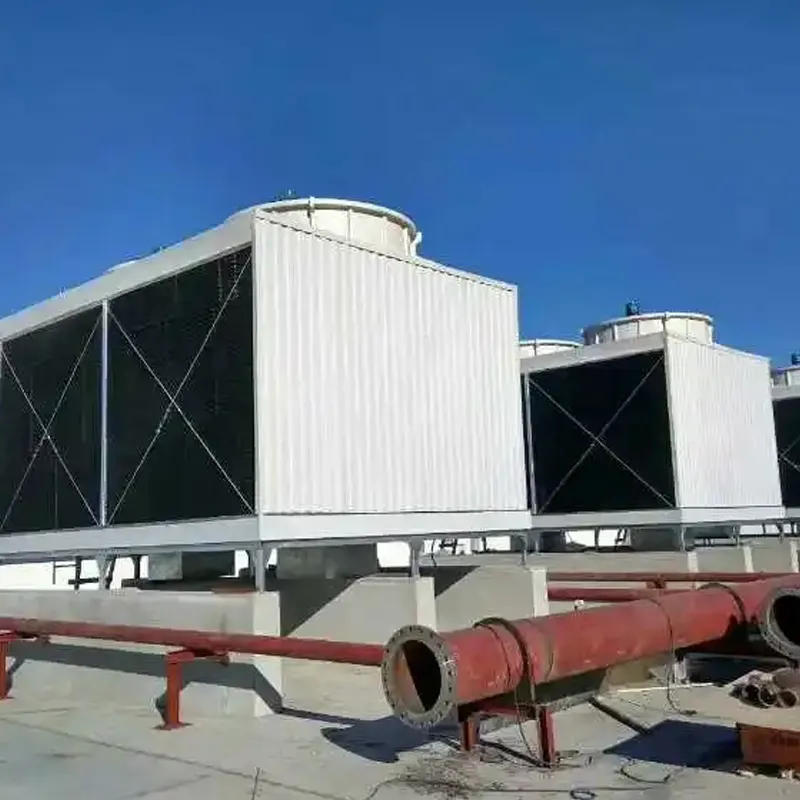
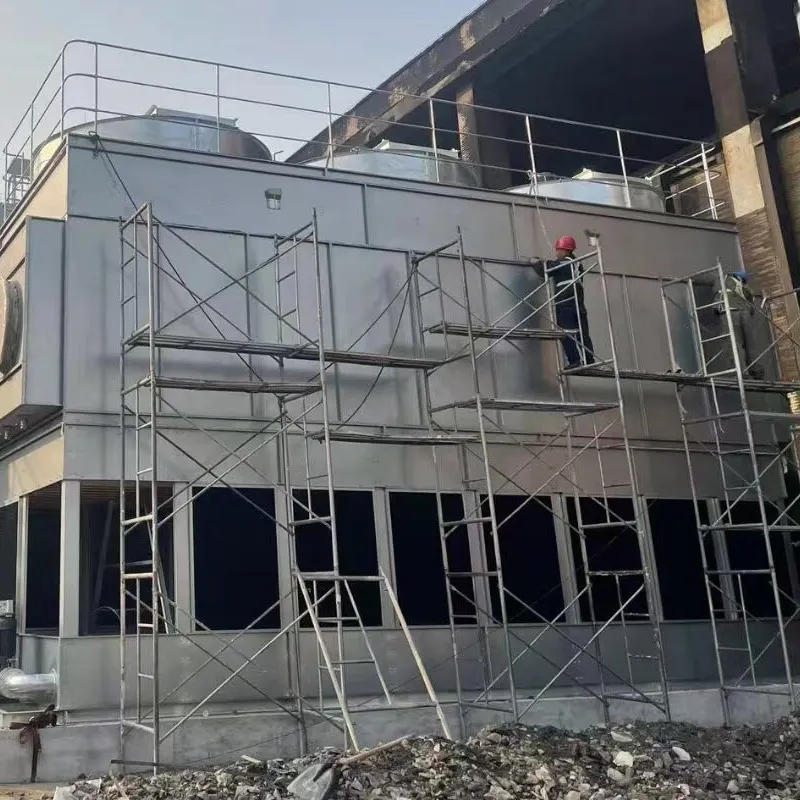
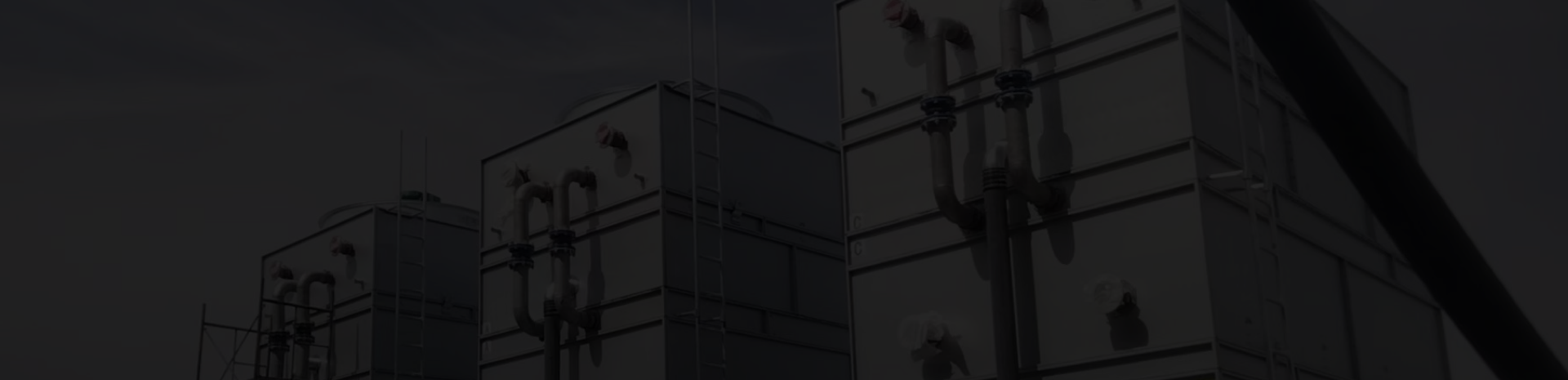
A cooling tower is a piece of equipment used to remove heat from water and release it into the air. You’ll commonly see it in factories, power plants, and large commercial buildings where machines or systems generate a lot of heat during operation.
In simple terms, hot water goes into the cooling tower, heat is taken out, and cooler water is sent back into the system to be reused. This process keeps equipment running at safe temperatures and helps maintain overall system efficiency.
Cooling towers are especially important in industries where continuous operation is required. Without proper cooling, machinery can overheat, leading to breakdowns, higher maintenance costs, and production delays.
Types Of Cooling Towers
There are several types of cooling towers, and the right choice depends on your application, space, and budget.
Natural Draft Cooling Towers
These are the large, hyperbolic towers often seen at power plants. They rely on natural airflow instead of fans, which makes them suitable for large-scale operations but not very practical for smaller facilities.
Mechanical Draft Cooling Towers
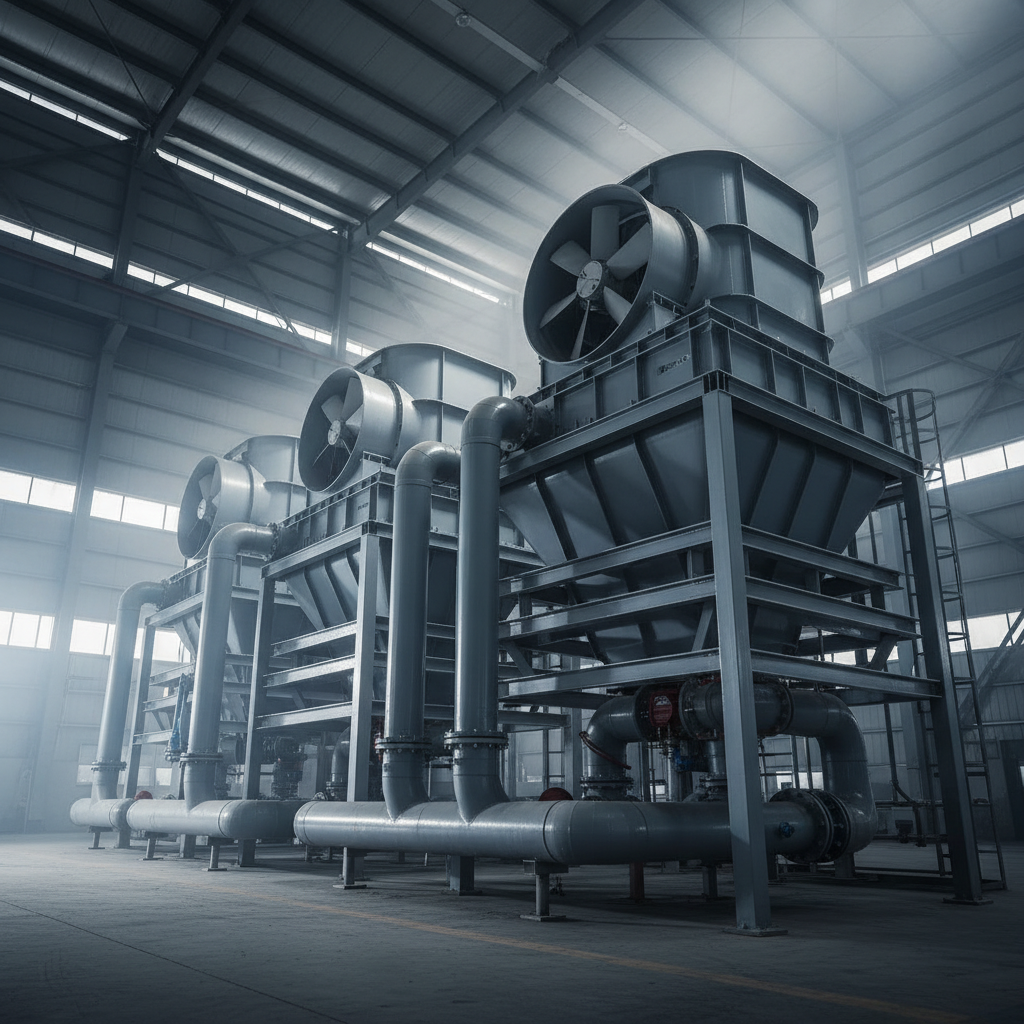
These use fans to move air through the system and are the most common type in industrial and commercial use. They can be:
Induced draft, with fans at the top pulling air through
Forced draft, with fans pushing air into the tower
Crossflow Cooling Towers
In this design, air moves horizontally across falling water. They are relatively simple, easier to maintain, and often used in HVAC systems.
Counterflow Cooling Towers
Air moves upward against the downward flow of water. This setup improves heat transfer efficiency and is commonly used in industrial environments where performance matters.
How Does a Cooling Tower Work?
A cooling tower works mainly through evaporation.
First, hot water from your system is pumped into the tower. It is then spread out over a material called “fill,” which increases the surface area of the water.
At the same time, air is drawn through the tower, either naturally or by fans. As the air passes through the warm water, a small portion of the water evaporates. This evaporation removes heat from the remaining water.
The cooled water collects at the bottom of the tower and is sent back into the system to absorb more heat. The process repeats continuously.
Even though only a small amount of water evaporates, it is enough to significantly reduce the temperature of the rest.
Is a Cooling Tower Environmentally Friendly?
One of their biggest advantages is water reuse. Instead of continuously using fresh water, cooling towers circulate the same water, which helps reduce overall consumption.
They also help save energy. By efficiently removing heat, they reduce the workload on chillers and other cooling equipment, which lowers electricity use.
Another benefit is reduced thermal pollution. Instead of releasing hot water into rivers or lakes, the heat is transferred into the air.
Of course, there are still things to watch. Water treatment is necessary to prevent scaling, bacteria growth, and system inefficiency. With proper maintenance, these issues can be controlled effectively.
How Can Cooling Tower Systems Help Businesses Save Money?
First, they reduce energy consumption. Efficient heat removal means your cooling systems don’t have to work as hard, which lowers electricity bills.
Second, they help protect equipment. Keeping temperatures stable reduces wear and tear, which can extend the lifespan of machines and cut down on repair costs.
Third, they improve overall system efficiency. When everything runs at the right temperature, production is smoother and downtime is less likely.
Finally, although installing a cooling tower requires an upfront investment, the long-term savings in energy, maintenance, and operational efficiency usually make it worthwhile.
Overall, a cooling tower is a practical and reliable solution for managing heat in industrial and commercial systems. Choosing the right type and maintaining it properly can bring both performance and cost benefits over time.




Address
20 Xingyuan South Street, Zaoqiang County, Hengshui City, Hebei Province, China


