


We Are Open 24 Hours a Day, 7 Days a Week, Including Weekends and Public Holidays.

Exploring the Advantages of FRP Building Material for Modern Construction Projects
Understanding FRP Building Material: A Comprehensive Guide
Fiber Reinforced Polymer (FRP) building materials are rapidly gaining prominence in the construction industry due to their exceptional strength, lightweight nature, and corrosion resistance. These advanced composites offer a viable alternative to traditional materials like steel, concrete, and wood, providing innovative solutions for a wide range of applications. This article will explore the benefits, applications, types, and future trends of FRP building materials, detailing why they are becoming a preferred choice for modern construction projects. We will cover how these materials can enhance project longevity, reduce maintenance costs, and contribute to sustainable building practices.
What is FRP Building Material?
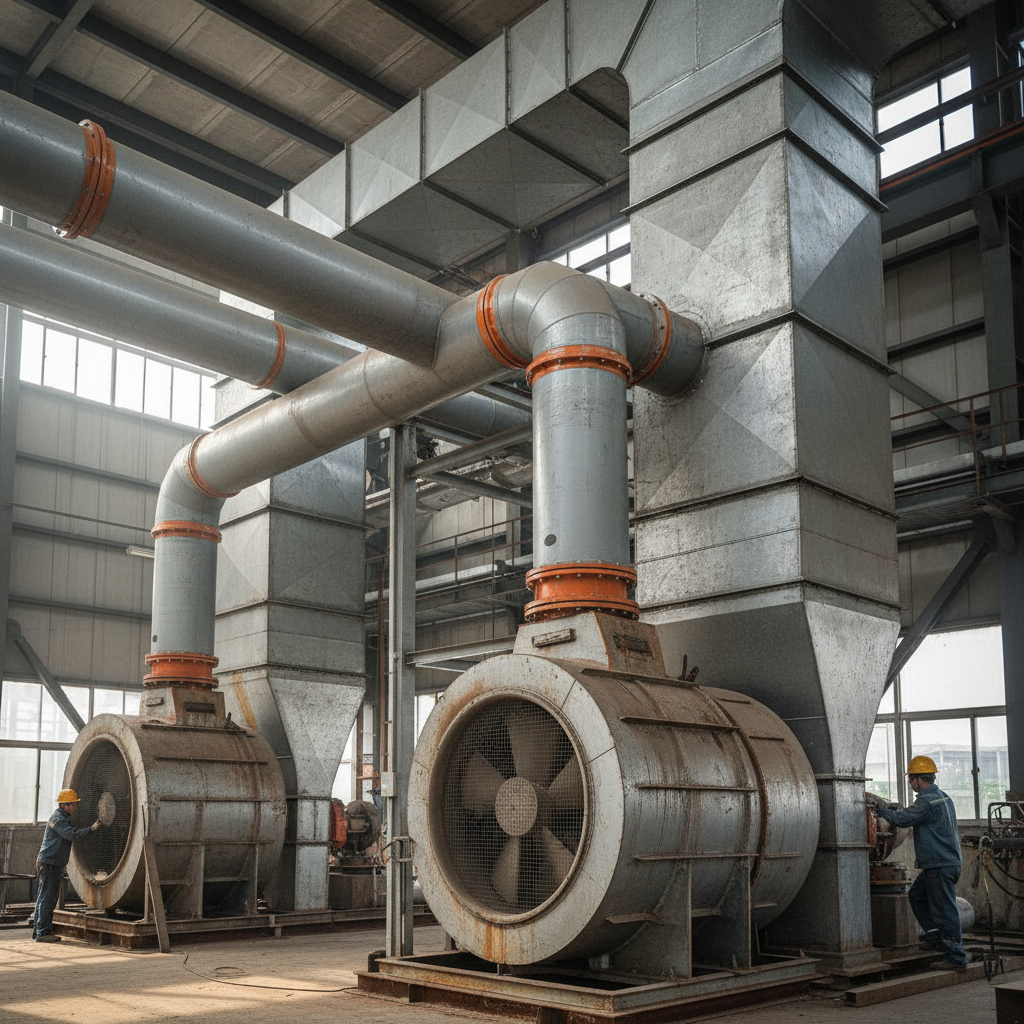
FRP building materials are composite materials made by combining a polymer matrix with reinforcing fibers. The polymer serves as the binder, while the fibers provide strength and stiffness. Common fiber types include fiberglass, carbon fiber, and aramid fiber. The resulting material possesses superior mechanical properties, including high tensile strength, excellent fatigue resistance, and a high strength-to-weight ratio. This makes them ideal for projects where both durability and reduced weight are critical. HLFRP specializes in providing high-quality FRP solutions tailored to diverse construction needs.
Key Highlights: High tensile strength, excellent fatigue resistance, and a high strength-to-weight ratio. Ideal for projects requiring durability and reduced weight.
Types of FRP Building Materials
Several types of FRP materials are available, each with unique properties suited for specific applications. Fiberglass Reinforced Polymer (GFRP) is the most commonly used, offering a good balance of strength, cost-effectiveness, and ease of manufacturing. Carbon Fiber Reinforced Polymer (CFRP) provides exceptional strength and stiffness, making it ideal for high-performance applications. Aramid Fiber Reinforced Polymer (AFRP) is known for its high impact resistance and is often used in protective structures. The selection of the appropriate FRP material depends on the project's specific requirements and performance goals.
FRP Material Comparison:
• GFRP: Good balance of strength and cost.
• CFRP: Exceptional strength and stiffness.
• AFRP: High impact resistance.
Key Applications of FRP in Construction
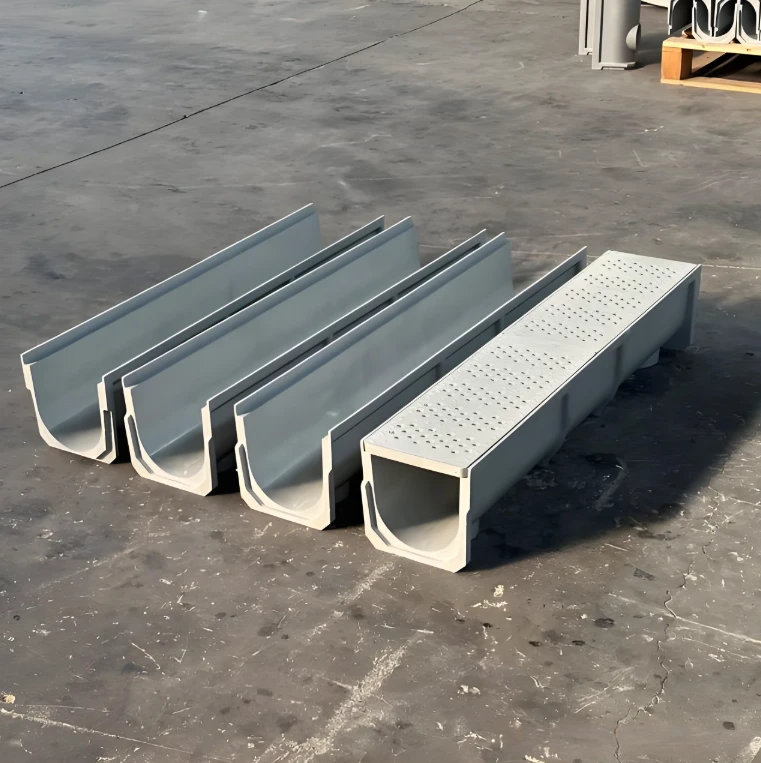
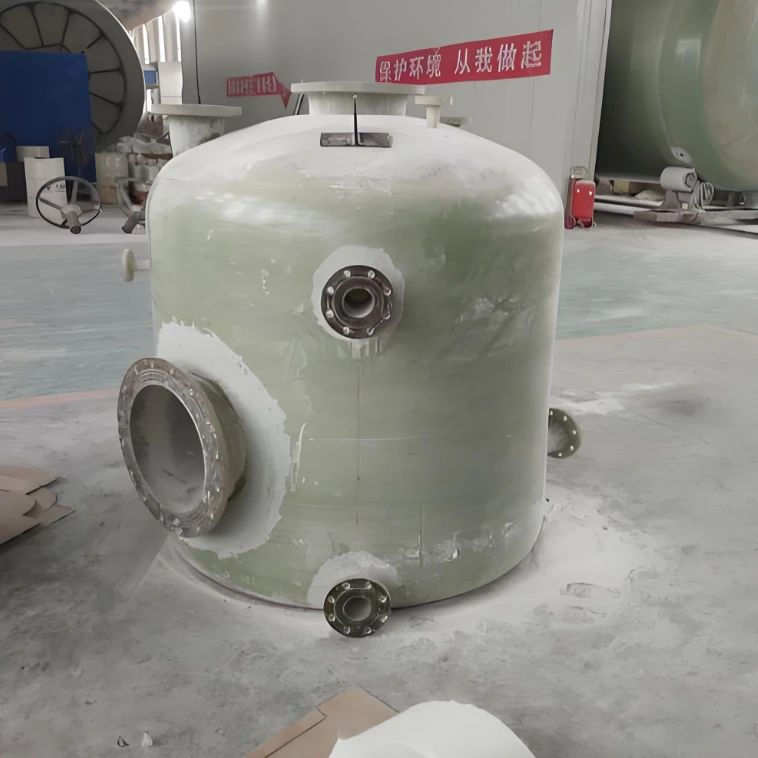
FRP building materials find applications in numerous construction sectors. They are extensively used in infrastructure repairs, such as strengthening bridges and concrete structures. FRP rebar offers a corrosion-resistant alternative to steel rebar in concrete structures, significantly extending the lifespan of buildings and infrastructure. Additionally, FRP profiles are used in building facades, roofing systems, and various architectural components, offering design flexibility and durability. The lightweight nature of FRP also makes it ideal for prefabricated building elements, reducing construction time and costs. FRP profiles and components from HLFRP are designed for ease of installation and long-term performance.
Benefits of Using FRP Building Materials
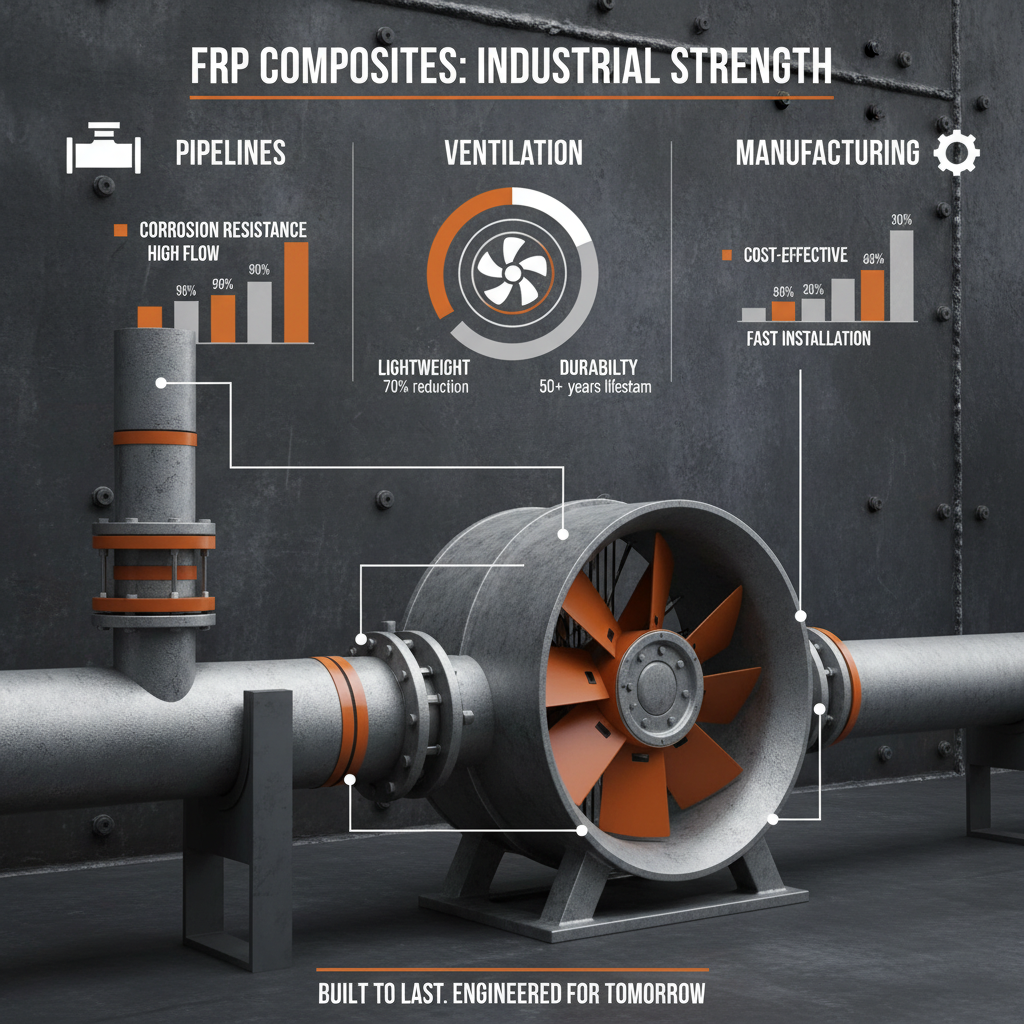
The advantages of employing FRP materials in construction are numerous. Their high strength-to-weight ratio reduces structural load and simplifies installation. Exceptional corrosion resistance minimizes maintenance costs and extends the lifespan of structures. FRP materials are also non-conductive, offering enhanced safety in electrical applications. Furthermore, they contribute to sustainable construction practices by reducing material consumption and lowering transportation costs. The long-term benefits far outweigh the initial investment, making FRP a cost-effective solution in the long run.
Future Trends in FRP Building Materials
The future of FRP building materials is bright, with ongoing research and development leading to innovative advancements. Nanotechnology is being incorporated to enhance the mechanical properties and durability of FRP composites. Bio-based resins are being explored to create more sustainable and environmentally friendly FRP materials. Automation and 3D printing technologies are also revolutionizing the manufacturing process, enabling the production of complex FRP structures with greater precision and efficiency. HLFRP is committed to staying at the forefront of these advancements, providing clients with cutting-edge FRP solutions.
Conclusion: Embracing Innovation with FRP
FRP building materials represent a paradigm shift in the construction industry, offering a compelling combination of strength, durability, and sustainability. By embracing these innovative materials, construction professionals can create safer, more resilient, and more environmentally responsible structures. HLFRP is your trusted partner in navigating the world of FRP, providing expert guidance and high-quality materials to help you achieve your construction goals.
Frequently Asked Questions (FAQs)
What are the main benefits of using FRP rebar over steel rebar?
The primary advantage of FRP rebar over steel rebar is its superior corrosion resistance. Steel rebar is susceptible to rust, which weakens the structure over time and requires costly repairs. FRP rebar, being non-metallic, does not corrode, significantly extending the lifespan of concrete structures, especially in harsh environments like coastal areas or those exposed to de-icing salts. Additionally, FRP rebar is lightweight, making it easier to handle and install. While initially more expensive, the long-term cost savings from reduced maintenance and increased durability often make FRP rebar a more economical choice.
Is FRP material fire resistant?
FRP materials are generally combustible, but their fire resistance can be improved with the addition of flame retardants. The specific fire performance of an FRP material depends on the type of resin and fiber used, as well as the presence of any additives. While FRP may not perform as well as fire-resistant materials like concrete in a fire, it can be engineered to meet specific fire safety requirements. It is crucial to consult with a qualified engineer to select the appropriate FRP material and ensure it complies with relevant building codes.
What is the typical lifespan of a structure built with FRP materials?
Structures built with FRP materials generally have a significantly longer lifespan than those constructed with traditional materials. Due to the corrosion resistance of FRP, structures can last for 75-100 years or even longer with minimal maintenance. This is particularly true in aggressive environments where corrosion is a major concern. Proper design, material selection, and installation are essential to maximizing the lifespan of an FRP structure.
How does the cost of FRP materials compare to traditional building materials?
The initial cost of FRP materials is often higher than that of traditional materials like steel and concrete. However, when considering the entire lifecycle cost, FRP can be more economical. The reduced maintenance requirements, increased durability, and longer lifespan of FRP structures translate to significant cost savings over time. Additionally, the lightweight nature of FRP can reduce transportation and installation costs. A thorough cost-benefit analysis is recommended to determine the most cost-effective solution for a specific project.





Address
20 Xingyuan South Street, Zaoqiang County, Hengshui City, Hebei Province, China


